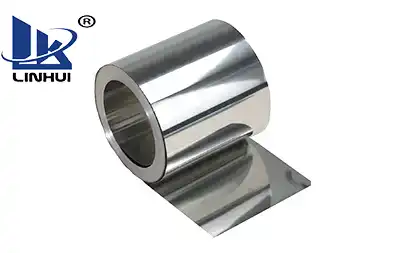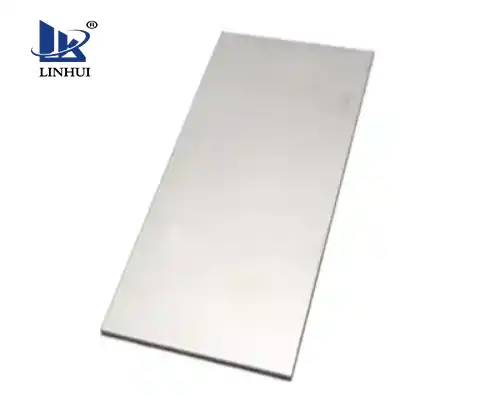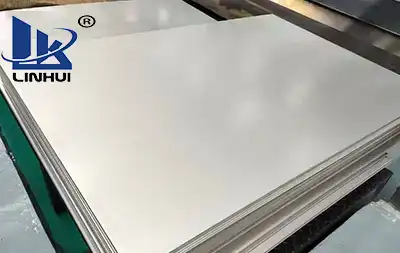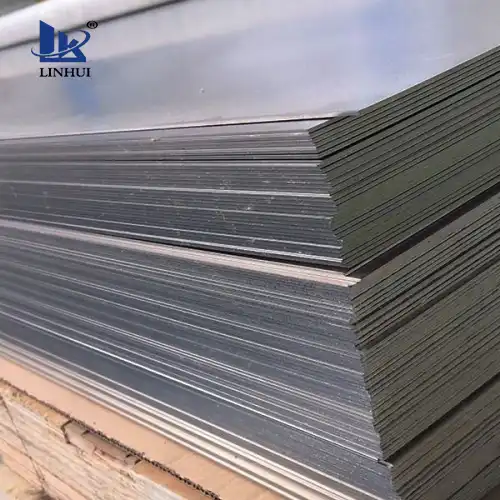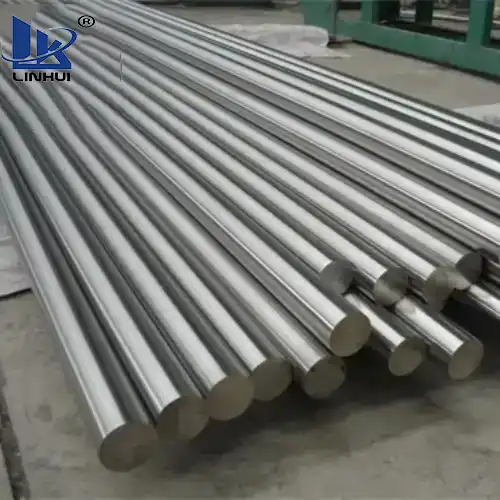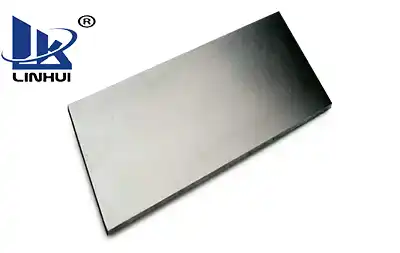
Hot Rolled Titanium Plate
Hot rolled plate production:The temperature is high when hot, the pass reduction is large, and the production efficiency is high. It is suitable for the production of medium and thick plates. The processing temperature window is narrow. Hot rolling requires a hot rolling mill with a larger tonnage and a high-precision, high-temperature heating furnace. Lamination rolling is mainly used in the production of wide thin plates, while cladding rolling is mainly used in the production of alloy thin plates.
Send Inquiry





Hot Rolled Titanium Plate
LINHUI TITANIUM specializes in manufacturing Hot Rolled Titanium Plate through high-temperature processing above 800°C, utilizing heavy-tonnage rolling mills and precision heating furnaces. Our production features large pass reductions and exceptional efficiency, ideal for medium and thick plates ranging from 4.75mm to 150mm. The process employs lamination rolling for wide thin plates and cladding techniques for alloy variants, ensuring uniform equiaxed microstructure. With thickness tolerance controlled within ±0.05mm and strict adherence to ASTM B265 standards, our plates serve aerospace bulkheads, petrochemical pressure vessels, and marine structures. Backed by 200+ tons inventory and ISO 9001:2015 certification, we deliver factory-direct solutions with full EN 10204 3.1 traceability.
Key Features & Benefits
Our Hot Rolled Titanium Plate are perfect for harsh chloride and acidic conditions due to their superior corrosion resistance. In aircraft applications, a high strength-to-weight ratio lowers structural bulk.
In harsh circumstances, mechanical integrity is maintained by thermal stability up to 400°C. Consistent performance in all directions is guaranteed by isotropic characteristics.
Large-format manufacturing reduces the likelihood of leaks in pressure containers by minimizing weld seams. Cost-effective production reduces superfluous annealing cycles.
Specifications For Hot Rolled Titanium Plate
| Product Type | Thickness (mm) | Width (mm) | Length (mm) |
|---|---|---|---|
| Hot rolled titanium sheet | 5-120 | 1000-4000 | 2000-12000 |
Chemical Composition
| Element | Percentage |
|---|---|
| Titanium (Ti) | 99.5% |
| Iron (Fe) | 0.30% |
| Oxygen (O) | 0.20% |
| Carbon (C) | 0.08% |
| Nitrogen (N) | 0.05% |
Mechanical Properties
| Properties | Values |
|---|---|
| Tensile Strength | ≥ 240 MPa |
| Yield Strength | ≥ 170 MPa |
| Elongation | ≥ 25% |
| Hardness | ≤ HRB90 |
Manufacturing Process
Titanium slabs undergo heating to 1650–1700°F in high-precision furnaces. Multiple rolling passes reduce thickness while maintaining grain structure uniformity.
Controlled cooling prevents thermal stress cracking. Alpha case removal via grit blasting and acid pickling ensures fatigue resistance.
Final annealing stabilizes microstructure. 100% ultrasonic testing detects internal defects before shipment.
Quality Inspection
Heat number traceability documentation is sent to each plate. Mechanical qualities are verified using tensile, yield strength, and elongation testing.
Spectrometry-based chemical analysis confirms grade conformance. Zero-defect delivery is guaranteed by eddy current and ultrasonic NDT.
Upon request, SGS, BV, or TÜV can conduct a third-party inspection. All orders are accompanied by EN 10204 3.1/3.2 certifications.
Applications
Petrochemical Industry: At pressures more than 60 bar, heat exchanger tube sheets and pressure vessels can resist corrosion from chloride.
Aerospace Sector: Wing spars and engine pylons reduce aircraft weight while meeting AMS 4911 fatigue requirements.
Marine Engineering: Flash chambers in desalination plants and submarine pressure hulls are resistant to corrosion by seawater cracks.
Hydrometallurgy: In copper and zinc mining operations, electrolysis cathode plates are subjected to acidic electrolyte baths for years.
Export Markets
Our products reach 60+ countries across North America, Europe, and the Middle East. Long-term partnerships with CEFC, PTT, and PETRONAS demonstrate reliability.
We serve chemical processors in Germany, aerospace manufacturers in the USA, and offshore platforms in Southeast Asia.
Why Choose Us
Direct mill supply eliminates middlemen, reducing costs by 15–20%. In-house metallurgists provide free material selection consultation.
Flexible MOQ starts at 100kg for trial orders. Quotation responses within 4 hours and stock delivery in 3–7 days.
Multilingual support in English, Spanish, and Arabic ensures seamless communication. Over 200 tons ready inventory guarantees immediate availability.
Packaging & Shipping
Plates are wrapped in waterproof paper and secured with steel strapping. Plywood cases protect edges during transit.
Container loading utilizes soft padding to prevent surface scratches. Export documentation includes commercial invoices, packing lists, and certificates of origin.
Sea freight, air cargo, and express options available. Rush orders expedited within 48 hours.
FAQ
Q: What distinguishes hot from cold rolled titanium plate?
A: Hot rolling allows for thicker gauges (4.75–150 mm) with consistent grain structure by processing material above the recrystallization temperature. Cold rolling restricts thickness to less than 6mm while achieving tighter tolerances.
Q: Is it possible for you to offer bespoke dimensions?
A: We cut to your precise requirements, yes. Custom orders take 25–40 days, depending on complexity; standard manufacture takes 15–25 days.
Q: Do you provide test results?
A: EN 10204 3.1 Mill Test Certificates with mechanical and chemical composition are included with every shipment. There is a third-party examination option.
Request a Quote
Ready to source high-performance Hot Rolled Titanium Plate for your project? Contact our engineering team at linhui@lhtitanium.com for technical consultation, pricing, and free samples. We respond within 4 hours!