
To find the best Zirconium Alloy Wire Supplier for bulk and OEM sales, you need to carefully look at their production skills, quality standards, and how reliable their supply chain is. When businesses need zirconium alloy wire, they have to deal with special problems because they have to find materials that meet strict requirements for use in nuclear power, aircraft, and chemical processing. A qualified provider must show that they know how to handle complex metalworking processes while keeping quality high, even for big orders. As part of the selection process, technical skills, certifications, and the supplier's history of providing materials that work reliably in dangerous settings where failure is not an option are all looked at.
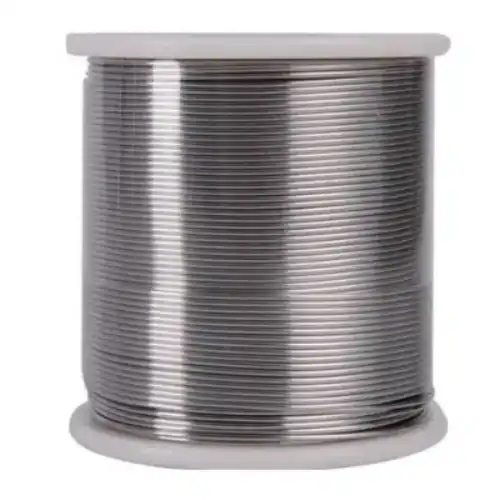
Understanding Zirconium Alloy Wire and Its Advantages
In current industrial settings, zirconium alloy wire is one of the most advanced materials. It has great performance properties that make it essential for important tasks. This special wire mixes pure zirconium with carefully chosen alloying elements to make materials that work well in places where regular metals don't.
Composition and Material Properties
Zirconium alloy wire is usually made of high-purity zirconium as the base metal and alloying elements like tin, iron, chromium, and nickel to make it stronger. Zircaloy-2 and Zircaloy-4 are the most popular grades. Each was made for a special purpose. The structure of these metals stays the same at temperatures above 350°C, and they show amazing resistance to corrosion in harsh chemical conditions. The material's special crystalline structure gives it great strength-to-weight ratios. This makes it very useful in aircraft uses where reducing weight directly affects fuel economy and payload capacity. Zirconium has a low thermal neutron absorption cross-section, which is useful in nuclear uses because it lets nuclear reactors work more efficiently while still keeping safety gaps.
Industrial Applications and Performance Benefits
Zirconium alloy wire is used in chemical processing plants for tasks that involve very toxic materials. The substance creates a strong, self-healing oxide layer that keeps stress-corrosion cracks from happening in water, steam, and acidic or hot environments. Because it protects, it is necessary for heat exchanger parts, tank interiors, and pipe systems in petrochemical plants. Zirconium alloy wire is useful for medical devices because it is biocompatible and not magnetic. Because of these qualities, it is perfect for medical instruments, implants, and monitoring tools that need to work reliably inside the body but can't be seen by magnetic resonance imaging systems.
How Zirconium Alloy Wire Is Manufactured and Tested
Every step in the process of making zirconium metal wire has to be done with great accuracy to make sure the finished product meets strict standards. During production, quality control methods make sure that each batch keeps the same traits that are needed for important uses.
Raw Material Selection and Processing
The first step in making something is carefully choosing high-purity zirconium and alloying elements. A lot of tests are done on raw materials to make sure they are pure and have the right chemical makeup. A lot of attention is paid to the hafnium content because it needs to be taken out for nuclear uses so that neutrons don't get absorbed and make the reactor less efficient. The melting process happens in an atmosphere that is carefully managed. Vacuum arc remelting or electron beam melting are the most common methods used. These methods keep the material from getting contaminated and make sure that the alloying elements are spread out evenly throughout it. Controlling the temperature during melting has a direct effect on the wire's end microstructure and dynamic qualities.
Wire Drawing and Heat Treatment
Through several steps of cold working, wire drawing processes turn ingots into exact diameters. With each drawing pass, the wire gets smaller while the material gets harder. Specialized tools and oils are needed for the process to keep the surface from getting flaws that could hurt performance in important uses. Between drawing processes, annealing techniques make the material more flexible and improve the microstructure. Temperature, time, and rate of cooling are all carefully handled during heat treatment to get the best grain size and mechanical qualities. Through these thermal processes, the wire is made to work the same way all the way along its length.
Quality Control and Testing Protocols
Comprehensive testing procedures make sure that the finished wire fits the requirements set out in the specifications. Using inductively coupled plasma optical emission spectroscopy to do a chemical study shows that the elements are contained within very small ranges. Tensile strength, yield strength, and elongation qualities are tested mechanically to make sure that all output lots are the same. Ultrasonic testing and eddy current screening can find problems inside or on the surface that could cause the product to break too soon. Measuring the surface finish confirms that it meets the smoothness standards needed for welding. Each batch of products gets a certificate that shows the test results and that they meet all the standards that apply.
Comparing Zirconium Alloy Wire Suppliers: What Procurement Managers Should Know
To find the right Zirconium Alloy Wire Supplier, you need to carefully consider a number of things that will affect the project's long-term success. When looking for partners that can meet difficult industry needs, procurement managers have to weigh expert skills, quality systems, and business concerns.
Technical Capabilities and Manufacturing Infrastructure
The first step in evaluating a supplier is to look at their industrial and professional skills. In modern factories, there should be cutting-edge technologies for melting, precise tools for drawing wire, and full testing labs. Being able to make different alloy grades and wire sizes from the same plant makes managing the supply chain easier and makes sure that all product lines are the same. The supply organization's knowledge of metalworking shows that it can handle technical problems and help with product development projects. Metallurgists with a lot of experience can help you choose the right materials, set the right working settings, and meet the unique needs of your application, all of which affect how well your product works.
Certification and Quality Management Systems
Industry licenses give third parties a way to check a supplier's skills and the way they handle quality. For nuclear applications, providers must have the right nuclear quality assurance certifications. For aircraft applications, AS9100 compliance is needed. For most commercial uses, ISO 9001 approval is the minimum standard for a quality management system. Audits and checks by a third party make sure that quality systems keep working over time. Suppliers should show that they are ready to let customers do surveys and give full details on how they make things, how they check for quality, and how they keep track of products.
Supply Chain Reliability and Commercial Considerations
How you get your raw materials affects how reliable your supply is and how stable your costs are. Suppliers who have a variety of ways to get their supplies and smart inventory places can handle supply problems and changing prices better. Long-term supply deals can save you money and make sure you have the materials you need for longer projects. Minimum order amounts and lead times are very different between providers because of how they make things and how they manage their inventory. Knowing these factors when choosing a seller can help you avoid delays and extra costs during the project's completion.
How to Place Bulk and OEM Orders Efficiently with Trusted Suppliers
To buy zirconium alloy wire efficiently, you need organized ways to communicate with suppliers and a good idea of what they can do. Bulk and OEM buying strategies that work well keep risks to a minimum while improving shipping and cost performance.
Order Planning and Specification Development
For procurement to work well, thorough specifications must be made that make technical needs, quality standards, and delivery goals clear. Material grade, wire diameter limits, surface finish requirements, preferred packing, and related testing standards should all be listed in the specifications. Clear specs cut down on confusion and allow for accurate prices. Demand forecasts and order planning help keep product levels at the best level while keeping costs down. Bulk sales usually save you a lot of money, but you have to weigh that against the costs of keeping supplies and the length of time that materials last. Planning together with suppliers can help you find times for planned deliveries that cut down on inventory needs while keeping production going.
Communication and Documentation Protocols
Structured communication procedures with a Zirconium wire manufacturer make sure that everyone knows exactly what the technical standards are, when they need to be delivered, and what level of quality is expected. Regular milestone reviews and updates on progress give you a clear picture of the state of your order and help you spot any problems before they affect delivery dates. Documentation needs to change depending on how important the application is and what regulations say. For nuclear uses, a lot of paperwork is usually needed, like test reports, material licenses, and records of the chain of custody. Setting standards for documentation during order placement avoids delays and makes sure that all laws are followed.
Logistics and Delivery Coordination
When you ship unique materials internationally, you need to carefully coordinate the export and import paperwork, the packing needs, and the transportation plans. The right packaging keeps things safe while they're being shipped and meets the rules for sending dangerous goods when they apply. The schedule for deliveries should take into account the needs of production while also leaving room for delays that were not expected. Setting up backup transport choices and backup plans helps keep production schedules even if there are problems in the supply chain.
Case Studies and Success Stories: Real-World Applications of Zirconium Alloy Wire
Real-life examples show how important it is to choose reliable zirconium alloy wire sources for important business projects. These cases show how choosing the right source is important for project success in a wide range of fields.
Nuclear Power Generation Infrastructure
Zircaloy-4 wire in large amounts was needed for fuel assembly parts in a big nuclear power plant building project. For the project to go smoothly, strict nuclear quality standards had to be followed, and delivery dates had to match up with building goals. When choosing a supplier, the focus was on nuclear certification, output ability, and a history of success in similar projects. The selected Zirconium Alloy Wire Supplier showed they could make materials that are safe for nuclear power plants with less hafnium than what was needed. Material compliance was backed up by thorough quality paperwork and third-party testing services. Scheduled dispatches that were in sync with the progress of the building project and kept track of materials throughout the entire span of the project.
Chemical Processing Equipment Manufacturing
A company that makes petroleum equipment needed zirconium metal wire for heat exchanger tube bundles that would be exposed to process streams that are very corrosive. The application needed something that would not rust and would work reliably for a long time, so that there would be few upkeep needs and downtimes. The review of suppliers focused on their ability to test for corrosion, the uniformity of their materials, and their expert support services. The chosen provider gave a lot of corrosion data for certain process conditions and offered expert support throughout the design of the equipment. Bulk buying deals cut down on the cost of materials and ensured a steady supply for production needs that would last for years.
Aerospace Component Production
A company that makes next-generation airplane engines needed lightweight, high-strength materials for important parts of the engines. Zirconium metal wire had the right amount of strength-to-weight ratio and stayed reliable in high temperatures and high stress levels. In addition to providing materials, the provider relationship also included working together to create unique processing methods and quality control methods. Working together as engineers improved the qualities of materials for specific uses and lowered the cost of production by making process changes.
Conclusion
Choosing the right zirconium alloy wire provider for bulk and OEM orders is a big choice that will have an effect on the success of the project in many ways. To find partners who can meet long-term needs, the review process has to find a mix between technical skills, quality systems, and business concerns. In this specialized market, qualified providers stand out by having manufacturing knowledge, strict quality control, and dependable supply chain management. Clear communication, thorough specs, and teamwork are important parts of successful procurement strategies because they help keep costs and delivery times low while still meeting quality and compliance standards.
FAQ
What certifications should a qualified Zirconium Alloy Wire Supplier maintain?
Qualified suppliers should hold ISO 9001 quality management certification as a baseline requirement. Nuclear applications require additional certifications, such as 10CFR50 Appendix B or equivalent nuclear quality assurance standards. Aerospace applications demand AS9100 certification, while medical applications may require ISO 13485 compliance. Third-party audits from recognized inspection agencies provide additional validation of quality systems.
How do minimum order quantities impact procurement costs?
Minimum order quantities typically range from several hundred to several thousand pounds, depending on wire diameter and alloy grade. Larger orders generally offer better unit pricing due to production economies of scale. However, procurement managers must balance cost savings against inventory carrying costs and material shelf life considerations. Many suppliers offer scheduled delivery programs that capture bulk pricing advantages while minimizing inventory requirements.
What lead times should be expected for bulk zirconium alloy wire orders?
Standard lead times range from 8-16 weeks, depending on order size, material grade, and current demand levels. Nuclear-grade materials with hafnium removal typically require longer lead times due to specialized processing requirements. Custom alloy compositions or non-standard wire diameters may extend lead times further. Suppliers with strategic inventory positions can often provide shorter delivery times for common grades and sizes.
How can buyers verify material quality and compliance?
Material certifications include detailed chemical composition analysis, mechanical property test results, and compliance statements for applicable standards. Third-party inspection services provide independent verification of quality and compliance. Ultrasonic testing and eddy current inspection reports document internal soundness and surface quality. Buyers should request sample materials for independent testing when quality verification is critical.
Partner with LINHUI TITANIUM for Superior Zirconium Alloy Wire Solutions
LINHUI TITANIUM stands ready to serve as your trusted zirconium alloy wire manufacturer for demanding bulk and OEM applications. Our state-of-the-art manufacturing facility in Xi'an, China, combines advanced production technologies with rigorous quality control systems to deliver materials that exceed industry standards. With over two decades of experience serving global energy, aerospace, and chemical processing sectors, we understand the critical importance of material reliability in your applications. Our comprehensive certification portfolio includes PED, ISO 9001, and multiple international approvals that demonstrate our commitment to quality excellence. Contact our technical team at linhui@lhtitanium.com to discuss your specific requirements and discover how our Zirconium Alloy Wire Supplier capabilities can support your project success with competitive pricing and reliable delivery performance.
References
1. International Atomic Energy Agency. "Zirconium Alloys in Nuclear Technology." IAEA Technical Reports Series No. 368, Vienna, 2005.
2. American Society for Testing and Materials. "Standard Specification for Zirconium and Zirconium Alloy Wire." ASTM B550-15, West Conshohocken, PA, 2015.
3. Lemaignan, Claude. "Zirconium Alloys in Nuclear Applications." Materials Science and Technology: A Comprehensive Treatment, Volume 10B, Nuclear Materials, VCH Publishers, 1994.
4. Nuclear Regulatory Commission. "Standard Review Plan for the Review of Safety Analysis Reports for Nuclear Power Plants." NUREG-0800, Section 4.2, Washington, DC, 2007.
5. ASM International. "Properties and Selection: Nonferrous Alloys and Special-Purpose Materials." ASM Handbook Volume 2, Materials Park, OH, 1990.
6. Chopra, O.K. and Shack, W.J. "Review of the Margins for ASME Code Fatigue Design Curve - Effects of Surface Roughness and Material Variability." NUREG/CR-6815, Argonne National Laboratory, 2003.









