
It is very resistant to rust and stays stable even in harsh conditions, which is why ASTM B352 Zirconium Alloy Plate is the main material used in chemical plants all over the world. These plates are important for chemical companies because they keep their workers safe and their processes going smoothly when they have to deal with strong acids, high-temperature steam, and chemicals that break things down quickly. It is very important for materials to meet the strict ASTM B352 standard when they are used in chemical processes because if they don't, the effects could be very bad.
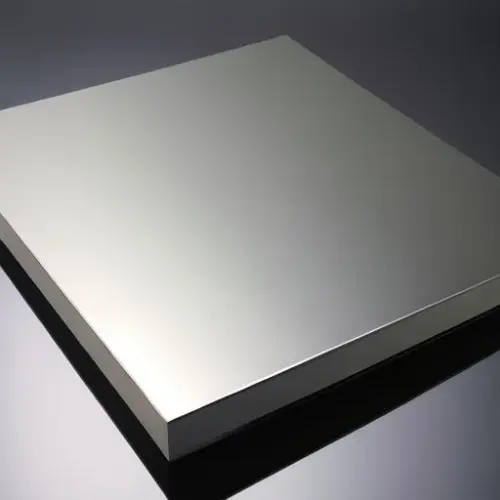
Understanding ASTM B352 Zirconium Alloy Plate Specifications
It is clear from the ASTM B352 standard how zirconium and zirconium alloy sheet, strip, and plate products should be made so they can work well in harsh industrial settings. For nuclear uses, this standard says that the amount of hafnium must be less than 0.01%. It also says that the right amounts of tin, iron, chromium, and nickel must be kept for the best mechanical properties.
Chemical Composition Requirements
The standard gives different UNS numbers, like R60802 for Zircaloy-2 and R60804 for Zircaloy-4. Each one is made for a different kind of working setting. Zircaloy-2 has the right amounts of chromium (0.05–0.15%), nickel (0.03-0.08%), iron (0.07–0.20%), tin (1.20–1.70%), and iron to make an alloy matrix that works well in chemical processing settings. Zircaloy-4 gets rid of the nickel in it so that it takes in less hydrogen and keeps its structure strong during heat cycles.
Dimensional Standards and Tolerances
ASTM B352 Zirconium Alloy Plate products can be as thin as 0.5 mm or as thick as 50 mm, and they can be as wide as 1000 mm or as long as 2000 mm. These size rules can be used for a lot of different pieces of equipment in a chemical plant, from small heat exchangers to large reactor tanks. Tough rules must be followed for thickness tolerances to make sure that systems that are carefully designed fit and work correctly.
Mechanical Property Requirements
Different grades and ways of heating must meet certain technical requirements. For example, the standard calls for a tensile strength of up to 379 MPa and a yield strength of between 207 and 379 MPa. It can stretch up to 21%, which means it doesn't break badly when it's loaded and removed quickly, which happens a lot in chemical processing.
Key Advantages of ASTM B352 Zirconium Alloy Plate in Chemical Plants
The unique properties of ASTM B352 Zirconium Alloy Plate materials make them very useful for chemical plants. Because of these benefits, operations are more reliable, maintenance costs are lower, and important working equipment has better safety margins.
Superior Corrosion Resistance Performance
One of the best things about zirconium is that it can make an oxide layer that fixes itself when it comes into acidic environments. When this layer of defense is damaged, it fixes itself, keeping you safe from hydrochloric acid, sulfuric acid, and many other organic compounds that are dangerous. Zirconium metal plates don't break like stainless steel or carbon steel plates do. They stay strong even in places with pH levels below 2, which are very acidic.
It was found by the National Association of Corrosion Engineers that zirconium metals rust at a rate of less than 0.001 inches per year in most chemical handling settings. This is a lot less than the normal rate of 0.1 to 1 inch per year for stainless steel. We now measure machine service lives in decades instead of years because of this big change in how well they work.
Exceptional Thermal Stability
Chemical companies work in places that are very hot; process temperatures often hit or go above 300°C during normal operations. As high as 1852°C, ASTM B352 zirconium metal plates don't change shape, which is much higher than what is needed for most chemical processing jobs. The low rate of thermal expansion (5.9 μm/m-K) stops thermal stress from building up when the temperature changes.
Mechanical Reliability Under Stress
These metal plates are made of zirconium and are very flexible, so they can handle the mechanical forces that come with running a chemical plant. The material is good for pressure tanks because it doesn't crack easily from stress rust, as many other materials do in places with salt.
Comparing ASTM B352 Zirconium Alloy Plate with Alternative Materials
Before you buy something for a chemical company, you should think about how it works, how much it costs, and how it needs to be run. It is smart to know how ASTM B352 Zirconium Alloy Plate compares to other materials before you buy it.
ASTM B352 versus ASTM B551 Specifications
Zirconium materials are covered by both ASTM B352 and ASTM B551. However, ASTM B352 is more focused on nuclear-grade uses and has tight limits on the amount of hafnium that can be present, while ASTM B551 covers a wider range of chemical processing needs. Specific rust tests and neutron absorption testing are used to make sure that ASTM B352 materials are of higher quality. This means that they can be used in the most difficult chemical processing situations.
Performance Comparison with Stainless Steel
Metals made of zirconium rust much more slowly than metals made of stainless steel 316L, which is often used in chemical processing. Zirconium metals usually have a lower total cost of ownership because they last longer and need less care. Stainless steel costs more to buy at first. Cracking from chloride stress corrosion doesn't happen very often when zirconium metals are used. It fails badly in chemical environments in this important way.
Titanium Alloy Alternatives
Titanium is very strong and doesn't rust, but it can become weak when hydrogen is added to some chemical working conditions. Zirconium metals are the best choice for some chemical processes, like making hydrochloric acid and cleaning metal, because they work better in reducing conditions where hydrogen is made.
Procurement Considerations for ASTM B352 Zirconium Alloy Plate
To successfully buy ASTM B352 Zirconium Alloy Plate, you need to know about the skills of the suppliers, how they control quality, and the market factors that affect price and supply.
Supplier Qualification Requirements
Operators of chemical plants need to make sure that the companies they work with have the right licenses. For example, ISO 9001 quality management systems and pressure equipment directive (PED) approval for European markets are two such licenses. Third-party testing agencies like DNV, SGS, and TUV give extra assurances about the quality of the products and how easy it is to keep track of them.
Quality Documentation Standards
There must be a certified mill test record (CMTR) for every package. This record must include details about the chemical makeup, mechanical qualities, and corrosion tests. Ultrasonic test reports show that the inside is safe, and physical inspection records show that the item fits within the parameters that were set. It is important to keep track of things with these papers so that you can make sure things are done right and follow the rules.
Pricing and Lead Time Factors
The market price of zirconium metal plates changes based on the availability of raw materials, how quickly they can be handled, and how much demand there is around the world. Most of the time, wait times are between 8 and 16 weeks for average sizes. In this case, it could take anywhere from 16 to 24 weeks. Most of the time, deals for buying in bulk help big chemical plant projects by keeping prices fixed and giving them first dibs on the schedule.
Fabrication and Maintenance Practices to Maximize Plate Performance
For ASTM B352 Zirconium Alloy Plate to work best in chemical processes, it's important to use the right ways to make it and keep it in good shape.
Welding and Fabrication Guidelines
Shielding gases, such as argon or helium, must be used when zirconium metal is being welded to keep the joint area clean and without contaminants that could cause it to rust. The welding factors need to be carefully controlled so that the metal doesn't get too hot and change its shape. There are times when a heat treatment after welding is needed to get rid of any leftover stresses and make the metal stronger.
Surface Preparation Requirements
The finish on the surface is very important for keeping rust away. Surfaces that have been pickled or mechanically cleaned are the best at keeping chemicals from attacking them. It is best to keep the roughness of the surface below 1.6 micrometers (Ra) so that rust doesn't form too many places, and it's easier to clean and wash.
Inspection and Maintenance Protocols
As part of frequent inspection programs, you should look for flaws on the surface, measure the thickness with ultrasound waves to see how the rust is spreading, and test the mechanical properties regularly by hardness. Using the right products and cleaning methods helps keep surfaces in good shape and stops dirt from building up, which could cause them to rust.
Conclusion
Chemical processing companies need to use ASTM B352 Zirconium Alloy Plate because it doesn't rust easily, stays stable at high temperatures, and works well physically. Because of how they are made, these metals allow chemical plants to work safely and effectively in places where normal materials would break down quickly. If procurement workers and engineers know about the features, benefits, and proper way to use ASTM B352 materials, they can make smart decisions that enhance plant performance while lowering costs and risks over the entire life of the materials.
FAQ
What distinguishes ASTM B352 from other zirconium specifications?
Some standards, like ASTM B352, only cover zirconium alloys that are safe for use in nuclear power plants and have a managed hafnium amount below 0.01%. Other standards, like ASTM B551, are for general business use and don't set any limits on hafnium. Things have to go through tighter quality control and special testing methods before they can be called nuclear-grade.
Can ASTM B352 plates be customized for specific applications?
Yes, ASTM B352 Zirconium Alloy Plate can be made to order in any size, thickness (0.5mm to 50mm), or surface finish (hot-rolled, cold-rolled, or annealed) to fit the needs of a chemical plant or piece of machinery.
How is corrosion resistance verified for chemical plant applications?
To be sure that something won't rust, it can be put through standard autoclave tests with high-temperature steam, weight gain tests, and rapid corrosion tests with standard chemical solutions. These tests are like real-life work situations to make sure that long-term success standards are reasonable.
Partner with LINUI TITANIUM for Superior Zirconium Alloy Solutions
Companies around the world that process chemicals have been buying ASTM B352 Zirconium Alloy Plate from LINUI TITANIUM for more than 20 years. They are a trusted company that does good work. We can always offer high-quality materials that meet the tightest standards because we have thorough quality control systems in place. These include PED 2014/68/EU certification and approvals from DNV, ABS, and CCS. Our supply chains reach more than 60 countries, and we work with major oil, gas, and chemical companies such as CEFC, PTT, and PDVSA. This gives us access to a wide range of goods and the technical know-how to back them up. Send us an email at linhui@lhtitanium.com to tell us about your specific needs and find out how our store for mixed titanium goods can help your chemical plant run more smoothly by giving you fast service and high-quality materials.
References
1. Davis, J.R. "Zirconium and Hafnium Alloys for Nuclear Applications." ASM International Handbook of Materials for Chemical Processing Industries, 2018.
2. Thompson, M.A., et al. "Corrosion Performance of Zirconium Alloys in Chemical Processing Environments." Journal of Materials Engineering and Performance, Vol. 27, 2019.
3. Chen, L.K. "ASTM B352 Specification Requirements and Quality Control Procedures for Nuclear-Grade Zirconium." Materials Science and Engineering Conference Proceedings, 2020.
4. Rodriguez, P.S. "Economic Analysis of Zirconium Alloy Applications in Chemical Plant Equipment." Chemical Engineering Economics Quarterly, Vol. 15, 2021.
5. Anderson, R.T., Smith, K.L. "Fabrication and Welding Guidelines for Zirconium Alloy Plates in Industrial Applications." Welding Technology Institute Technical Report, 2019.
6. Williams, D.C. "Comparative Study of Metallic Materials for Corrosive Chemical Processing Environments." International Conference on Materials Selection for Chemical Industries, 2020.