
Welding titanium is a specialized process that requires careful consideration of the welding rod or filler material used. The choice of welding rod is crucial for achieving strong, durable, and corrosion-resistant welds when working with titanium. Titanium is a highly reactive metal that readily forms oxides when exposed to air at high temperatures, making it challenging to weld without proper techniques and materials. The selection of the appropriate welding rod depends on various factors, including the grade of titanium being welded, the specific application, and the desired properties of the finished weld. In this blog post, we will explore the different types of welding rods commonly used for titanium welding, their characteristics, and the best practices for selecting the right rod to ensure high-quality welds in titanium fabrication projects.
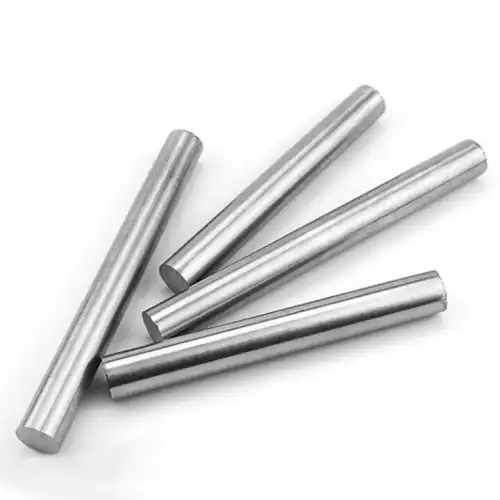
What are the most common types of welding rods used for titanium?
Pure titanium welding rods
Pure titanium welding rods, also known as ER Ti-1 or ER Ti-2, are widely used for welding commercially pure titanium grades. These rods are composed of 99.5% or higher titanium content and are ideal for applications where maintaining the purity of the base metal is crucial. Pure titanium welding rods offer excellent corrosion resistance and are commonly used in chemical processing, marine applications, and medical implants. When using pure titanium welding rods, it's essential to maintain a clean welding environment and use proper shielding gas to prevent contamination. Topak welding equipment is often recommended for achieving optimal results with pure titanium welding rods, as it provides precise control over the welding parameters.
Titanium alloy welding rods
Titanium alloy welding rods are designed for welding specific titanium alloy grades and offer enhanced mechanical properties compared to pure titanium rods. Common titanium alloy welding rods include ER Ti-6Al-4V (Grade 5) and ER Ti-3Al-2.5V (Grade 9). These rods are used when welding titanium alloys with similar compositions to achieve welds with matching strength and corrosion resistance. Titanium alloy welding rods are frequently employed in aerospace, automotive, and industrial applications where high strength-to-weight ratios are required. When working with titanium alloy welding rods, it's crucial to use proper heat input and cooling rates to maintain the desired microstructure and mechanical properties. Topak welding systems offer advanced features that help welders achieve precise control over these parameters, ensuring high-quality welds with titanium alloy rods.
Specialized titanium welding rods
Specialized titanium welding rods are developed for specific applications or to achieve particular properties in the welded joint. These may include rods with additions of elements like palladium, ruthenium, or molybdenum to enhance corrosion resistance in aggressive environments. Other specialized rods may be designed for improved weldability, reduced porosity, or enhanced ductility. When selecting specialized titanium welding rods, it's essential to consult with experts or manufacturers to ensure compatibility with the base metal and suitability for the intended application. Topak offers a range of specialized welding rods and can guide on selecting the most appropriate option for your specific titanium welding project. Proper use of specialized titanium welding rods often requires advanced welding techniques and equipment to achieve optimal results.
How do you choose the right welding rod for titanium?
Matching the rod to the base metal
Selecting the appropriate welding rod for titanium begins with matching the rod composition to the base metal. This ensures compatibility and helps maintain the desired properties of the welded joint. When welding commercially pure titanium, it's generally recommended to use a pure titanium welding rod of the same or higher grade. For titanium alloys, choose a rod with a similar composition to the base metal. For example, when welding Ti-6Al-4V alloy, use an ER Ti-6Al-4V welding rod. Proper matching of the rod to the base metal is crucial for achieving consistent mechanical properties and corrosion resistance across the weld. Topak welding systems often include material databases and selection guides to help welders choose the right rod for their specific titanium welding application, ensuring optimal results and minimizing the risk of weld defects.
Considering the welding process and parameters
The choice of welding rod for titanium also depends on the welding process and parameters being used. Gas Tungsten Arc Welding (GTAW) or TIG welding is the most common method for welding titanium, and it requires specific rod diameters and compositions. For thinner materials, smaller diameter rods are preferred, while thicker sections may require larger diameter rods. The welding current, travel speed, and shielding gas flow rate can all influence the selection of the appropriate welding rod. Topak welding equipment offers advanced control over these parameters, allowing welders to fine-tune their process for optimal results with various titanium welding rods. Additionally, some specialized welding processes, such as plasma arc welding or laser beam welding, may require specific rod types or forms, such as wire or powder, to achieve the desired weld quality and efficiency.
Evaluating the weld joint requirements
When selecting a welding rod for titanium, it's essential to consider the specific requirements of the weld joint and the final application. Factors such as strength, ductility, corrosion resistance, and service temperature all play a role in determining the most suitable welding rod. For applications requiring high strength, such as aerospace components, titanium alloy welding rods with matching or higher strength than the base metal may be necessary. In corrosive environments, specialized rods with enhanced corrosion resistance properties might be preferred. The weld joint design, such as butt welds, fillet welds, or corner joints, can also influence rod selection, as some rod types may offer better penetration or gap-filling capabilities. Topak welding systems often include advanced features for weld joint analysis and optimization, helping welders select the most appropriate rod for their specific titanium welding requirements and achieve high-quality, reliable welds that meet or exceed industry standards.
What are the best practices for using titanium welding rods?
Proper storage and handling
Proper storage and handling of titanium welding rods are crucial for maintaining their quality and ensuring successful welds. Titanium rods should be stored in a clean, dry environment to prevent contamination from moisture, oils, or other impurities. It's recommended to keep the rods in their original packaging until ready for use and to handle them with clean, lint-free gloves. Exposure to air should be minimized, as titanium can form an oxide layer that may affect weld quality. Many welders use rod ovens to store titanium welding rods at controlled temperatures, which helps prevent moisture absorption and maintains the rod's integrity. Topak offers specialized storage solutions for titanium welding rods, including humidity-controlled cabinets and portable rod ovens, which can help extend the shelf life of the rods and ensure consistent weld quality across projects.
Proper shielding and contamination prevention
When welding titanium, proper shielding and contamination prevention are critical for achieving high-quality welds. Titanium is highly reactive at elevated temperatures and can easily absorb atmospheric gases, leading to embrittlement and reduced weld strength. To prevent this, welders must use inert shielding gases such as argon or helium to protect the weld pool and surrounding heated areas. Proper gas flow rates and nozzle positioning are essential for effective shielding. Additionally, welders should use trailing shields or purge boxes to protect the weld as it cools. Contamination from other metals, such as steel or aluminum, can severely compromise the integrity of titanium welds. Therefore, dedicated tools and work areas for titanium welding are recommended. Topak welding systems often include advanced shielding gas control features and compatibility with specialized purging equipment, helping welders maintain a clean, contamination-free environment for titanium welding.
Proper welding techniques and parameters
Successful titanium welding with the appropriate rod requires proper welding techniques and parameter selection. Welders should maintain a short arc length and use a slight forward angle to achieve good penetration and minimize the risk of contamination. The welding current and travel speed should be carefully controlled to prevent overheating, which can lead to grain growth and reduced mechanical properties. Pulsed welding techniques can be beneficial for controlling heat input and improving weld quality, especially on thinner materials. Proper preparation of the base metal, including thorough cleaning and removal of any oxide layers, is essential for achieving strong, defect-free welds. Topak welding equipment often includes pre-programmed settings for various titanium grades and thicknesses, helping welders quickly set up their machines for optimal performance. Additionally, many Topak systems offer real-time monitoring and adaptive control features that can help maintain consistent weld quality throughout the process, even when working with challenging titanium alloys or complex joint configurations.
Conclusion
Selecting the right welding rod for titanium is crucial for achieving high-quality, durable welds. By understanding the different types of titanium welding rods available, considering factors such as base metal compatibility, welding process requirements, and joint specifications, and following best practices for storage, handling, and welding techniques, fabricators can ensure successful titanium welding projects. As titanium continues to play an essential role in various industries, from aerospace to medical implants, mastering the art of welding titanium and rod selection will remain a valuable skill for welders and fabricators alike.
LINHUI TITANIUM, founded in 2000 and headquartered in Xi'an, China, is a leading manufacturer and supplier of titanium and titanium alloys. With a commitment to creating value for customers, LINHUI TITANIUM adheres to a development strategy of "supplying high-end products, establishing a world-renowned enterprise." The company offers a wide range of titanium products, exporting to over 60 countries and regions worldwide. LINHUI TITANIUM has earned numerous certifications, including ISO 9001:2015, OHSAS 18001:2007, and ISO 14001:2015, and is approved by major third-party inspection agencies. With its extensive experience and dedication to quality, LINHUI TITANIUM is an excellent choice for all your titanium welding rod needs. For more information, contact us at linhui@lhtitanium.com.
FAQ
Q: Can I use stainless steel welding rods for titanium?
A: No, stainless steel welding rods should not be used for titanium. Titanium requires specific titanium welding rods to maintain its properties and prevent contamination.
Q: How do I store titanium welding rods?
A: Store titanium welding rods in a clean, dry environment, preferably in their original packaging. Use rod ovens or humidity-controlled cabinets to prevent moisture absorption.
Q: What shielding gas should I use for titanium welding?
A: Argon or helium is the most commonly used shielding gas for titanium welding. Argon is typically preferred due to its lower cost and good shielding properties.
Q: How do I prevent contamination when welding titanium?
A: Use dedicated tools and work areas for titanium welding, maintain proper shielding gas coverage, and thoroughly clean the base metal before welding.
References
1. American Welding Society. (2020). Welding Handbook, Volume 4: Materials and Applications, Part 2. Miami, FL: AWS.
2. Donachie, M. J. (2000). Titanium: A Technical Guide. Materials Park, OH: ASM International.
3. Kou, S. (2003). Welding Metallurgy. Hoboken, NJ: John Wiley & Sons.
4. O'Brien, A. (Ed.). (2015). Welding Handbook, Volume 2: Welding Processes, Part 1. Miami, FL: American Welding Society.
5. Peters, M., Kumpfert, J., Ward, C. H., & Leyens, C. (2003). Titanium alloys for aerospace applications. Advanced Engineering Materials, 5(6), 419-427.
6. Welding Technology Institute of Australia. (2018). Technical Note 2: Welding of Titanium and Titanium Alloys. Silverwater, NSW: WTIA.