
It is important for buyers who are looking at titanium alloys for important uses to know the difference between Ti-6Al-4V and its ELI variant. Ti-6AL-4V ELI Titanium Sheet, which is also called Grade 23 or UNS R56401, is a better version of the normal Grade 5 metal. To make it stronger, interstitial elements like oxygen, nitrogen, and carbon are kept to a minimum. Compared to regular Ti-6Al-4V, this managed chemistry gives it better biocompatibility, flexibility, and fracture toughness. Medical implant manufacturing, aircraft engineering, and chemical processing are all fields that need solid performance under high stress. The ELI label means that the material was designed to avoid catastrophic failure in situations where safety margins cannot be compromised.
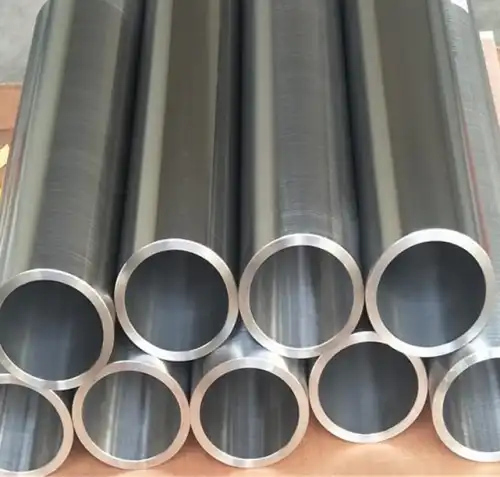
What Are Ti-6Al-4V and Ti-6Al-4V ELI Titanium Sheets?
Understanding the Base Alloy: Ti-6Al-4V
The titanium metal Ti-6Al-4V is the most commonly used one in the world, making up about half of all titanium used in businesses. This alpha-beta titanium alloy has a microstructural balance that makes it strong, resistant to rust, and easy to weld. It is made up of 6% aluminum and 4% vanadium by weight. The aluminum stabilizes the alpha phase, which makes it stronger and less dense. The vanadium stabilizes the beta phase, which makes it easier to shape and better at handling high temperatures. Standard Ti-6Al-4V meets standards such as ASTM B265 (industrial grade) and AMS 4911 (aerospace uses). This metal has a tensile strength of more than 895 MPa and is very resistant to weathering up to 400°C. This material is useful for structural parts, pressure tanks, and spinning machinery where weight reduction is important.
Defining the ELI Variant: Enhanced Purity for Critical Applications
Standard Ti-6Al-4V is changed by the Extra Low Interstitial grade, which sets tighter limits on interstitial flaws. Most Grade 5 materials can have up to 0.20% oxygen content, but Ti-6AL-4V ELI Titanium Sheet only lets 0.13% oxygen content. Nitrogen (≤0.05% vs. 0.05%), carbon (≤0.08% vs. 0.10%), and iron (≤0.25% vs. 0.30%) all show similar drops. These small changes in makeup seem to have a big effect on how things behave. Fewer interstitials mean less lattice distortion in the crystal structure, which immediately means better hardness and ductility. At cold temperatures as low as -253°C, the material stays mechanically sound, while regular titanium types might break easily at that temperature. This quality is very important for systems that store liquefied gases and for gear used in space travel.
Relevant Standards and Certifications
When choosing materials, they need to be in line with standards set by the business. For medical implants, Ti-6AL-4V ELI Titanium Sheet usually meets ASTM F136, AMS 4905, and ASTM B265 Grade 23 standards. It can also be used in the general industry. These rules spell out not only the chemical makeup, but also the dynamic qualities, microstructure needs, and testing methods. Figuring out which standard applies to your situation makes sure that you follow the rules and that Ti-6AL-4V ELI Titanium Sheet the material works at its best throughout its entire lifecycle.
Key Differences Between Ti-6Al-4V and Ti-6Al-4V ELI
Chemical Composition and Mechanical Performance
The main difference is in how the intermediate elements are controlled. These small parts fill up the spaces between metal atoms in the crystal lattice. This makes the material stronger by solid solution stiffening it, but it also makes it less flexible. By keeping these things to a minimum, Ti-6AL-4V ELI Titanium Sheet grades can stretch more than 10%, compared to only 8% for normal Grade 5. Mechanical tests show that the ELI version has better yield strength-to-ductility ratios than the normal Ti-6Al-4V, which has a slightly higher final tensile strength (reaching 930 MPa). This balance is very important in situations where there is repetitive stress or impact resistance. Fracture hardness (K1C) tests show how important it is in real life: ELI material has values between 60 and 90 MPa√m, which is much better than normal grades when tested in the same way.
Corrosion Resistance and Environmental Stability
By making steady layers of titanium dioxide on the surface, both metals show great resistance to corrosion in general. In some situations, the ELI change makes this trait stronger. In chloride-rich settings, this material's resistance to stress corrosion cracking is much higher. This makes it a better choice for offshore bases and desalination equipment. Institutions that study materials have confirmed that less intermediate content slows the rate at which cracks spread in saltwater. This feature means that marine gear and chemical handling equipment that is subject to aggressive media will last longer. These performance benefits have been proven in real-world situations by the fact that we have manufactured products for major oil companies in the Gulf area.
Heat Treatment Requirements and Microstructural Considerations
Mill annealing of standard Ti-6Al-4V is usually done at temperatures between 700 and 790°C, and then the metal is cooled in air. This process gets rid of leftover stresses while keeping the mechanical qualities that are wanted. To keep its low interstitial chemistry and keep it from getting contaminated during processing, Ti-6AL-4V ELI Titanium Sheet needs more precise temperature control. Specialized vacuum or inert atmosphere burners keep the cleanliness of the material during all rounds of heat treatment. Controlling the temperature within ±10°C makes sure that the grain structure and phase distribution stay the same. The microstructure that was made has a fine, even alpha-beta shape and doesn't have any harmful alpha-case surface layers that could hurt wear performance.
Application Suitability: Matching Material to Mission Requirements
Standard Ti-6Al-4V works great in situations where high strength-to-weight ratios are important but extreme toughness is not needed. This low-cost method is used for aircraft structure members, landing gear parts, and high-performance car parts. When compared to steel or nickel alloys, this material is much lighter and can handle practical pressures. On the other hand, Ti-6AL-4V ELI Titanium Sheet is used in situations where failure would have unacceptable results. Medical implant makers use this type for dental implants, spine fusion devices, and hip replacements because it has mechanical qualities that are very similar to human bone and doesn't let toxic metal ions out. Aerospace engineers choose ELI material for tanks that hold cold rocket fuel and for structural panels on satellites that work in very hot places. Chemical engineers use this grade for reactor tanks that deal with toxic fluids at high temperatures and pressures.
How Ti-6Al-4V ELI Titanium Sheets Are Manufactured
Raw Material Selection and Melting Processes
To start the production process, chloride-based reduction methods are used to get high-purity titanium sponge. Aluminum and vanadium, which are alloying elements, are carefully checked to make sure they aren't contaminated. Triple vacuum arc remelting (VAR) gets rid of any remaining flaws and makes the structure of the ingot uniform. Each melting cycle of Ti-6AL-4V ELI Titanium Sheet takes place in a controlled atmosphere so that oxygen doesn't get picked up. This basic quality control makes sure that the chemicals are pure enough to get the ELI label. Spectroscopic analysis checks the makeup several times to make sure it meets the requirements of ASTM F136 before moving on to mechanical processing. This level of care sets apart manufacturers who can regularly deliver implant-grade material from those who make titanium goods for sale.
Forging, Rolling, and Finishing Operations
Hot forging at temperatures above the beta transus (about 995°C) is the main way that cast bars break down. This thermomechanical method improves the structure of the grains and gets rid of any casting flaws. After that, hot rolling lowers the thickness while keeping the temperature stable to keep the surface from oxidizing. At our Xi'an plant, we use cutting-edge rolling mills that can control the width of the metal with great accuracy, to within ±0.02mm. Different types of surface finishing meet the needs of different applications. Medical gadgets that need to cause little tissue discomfort should be used on polished surfaces with Ra values below 0.4µm. Satin finishes are aesthetically pleasing and can be used in architecture. Bead-blasted surfaces make it easier for coatings to stick to them. Each finishing method keeps the subsurface's structure without adding stress points.
Quality Assurance and Traceability
Material compatibility is confirmed by thorough testing procedures. Chemical analysis results, tensile properties, hardness measures, and grain size estimates are all written down in mill test records. With ultrasonic analysis, internal breaks that could weaken the structure are found. Microstructure research shows that the phases are distributed correctly and that there is no harmful alpha-case. Full traceability uses given identification numbers to link finished sheets to the source melt heats. This paperwork makes it possible to find the root cause of problems in the field and meets the rules for making medical devices. At no extra cost, we offer ASTM F136 certification, EN ISO 5832-3 compliance paperwork, and third-party inspection reports from well-known companies like DNV, SGS, and TUV.
Customization Capabilities and Lead Times
Global buying teams need sellers who can meet the unique needs of each project. We keep stock of items in normal sizes and can also make items to your exact specifications. Minimum order numbers are still a good idea for making prototypes and making sure everything works before production starts. Depending on the difficulty of the specifications and the current production plans, lead times usually run from 4 to 8 weeks. This makes sure that the supply chain is reliable for projects that need to be done quickly.
Comparing Ti-6Al-4V ELI with Other Titanium and Stainless Steel Sheets
Performance Against Commercial Pure Titanium
While commercial pure titanium types (CP-Ti) are biocompatible and resistant to corrosion, they are not strong enough for load-bearing uses. When stretched, Grade 2 CP-Ti has a strength of about 345 MPa, which is less than half the strength of Ti-6AL-4V ELI Titanium Sheet. This difference in strength makes it possible to reduce the section width by a large amount in structural designs. This saves weight and makes the best use of materials. Engineers have to choose between CP-Ti and ELI titanium metal; they need to carefully look at how much load they need to carry. Pure titanium can be used for medical parts that aren't structural, like surgery tools or tooth abutments. When it comes to orthopedic implants that have to withstand repeated physiological loads, only alpha-beta metals can safely provide the best wear resistance and fracture toughness.
Advantages Over Stainless Steel Solutions
Titanium and stainless steel metals, especially 316L, are both good at resisting rust. Steel is less expensive than titanium alloys, but it has a density that is almost twice as high (4.43 g/cm³ vs. 8.0 g/cm³). This extra weight adds up quickly in structures used in space and movable medical tools. Biocompatibility is another thing that sets these materials apart. Nickel ions are released by stainless steel, which may cause allergic reactions in sensitive people. Ti-6AL-4V ELI Titanium Sheet is completely inactive in living things, so these problems don't happen. The material's elastic modulus (113 GPa) is closer to the hardness of bone than steel (200 GPa), which means it reduces the stress buffering effects that cause implants to come loose over time.
Alternative Titanium Alloys for Specific Applications
Ti-3Al-2.5V is a cheaper option that can be welded well and is moderately strong. This alloy works well for hydraulic tubing and aircraft skins that don't need to have very high mechanical qualities. But because it isn't very strong, it can't be used in highly stressed parts. Beta titanium alloys, such as Ti-15V-3Cr-3Al-3Sn, are very easy to shape and work with when they are cold. By stamping and twisting these materials, you can make complicated forms. Because they are more expensive and need special handling, they can only be used in certain situations. Ti-6AL-4V ELI Titanium Sheet is the standard specification used by engineering teams all over the world for the most important medical and military uses because it has a history of good performance.
Procurement Guide for Ti-6Al-4V ELI Titanium Sheets
Supplier Selection Criteria
To find skilled providers, you have to look at things from a lot of different angles. Several manufacturing certificates, such as ISO 13485:2016 (for medical device quality management) and AS9100D (for aircraft quality system), make sure that the processes and organizations are up to par. Production capacity shows how well a company can meet the needs of a growing project while keeping quality high. Logistics prices and lead times are affected by where you are located. LINHUI TITANIUM's position in Xi'an, which is both a historic Silk Road hub and a current Belt and Road Initiative center, makes it easier to get their products to markets around the world. Our long-term partnerships with major EPC firms and national oil companies show that we can be trusted to help with big industry projects. Technical support capabilities separate commodity suppliers from strategic partners. Having access to metallurgy experts can help with choosing materials, getting the best results from heat treatment, and figuring out what went wrong. Quick answers to procurement questions are possible through responsive contact routes, which keep project delays to a minimum.
Understanding Pricing Dynamics
Material costs depend on many things, such as the quantity of Ti-6AL-4V ELI Titanium Sheet of raw materials, the difficulty of handling, and the number of orders. Ti-6AL-4V ELI Titanium Sheet costs more than regular Grade 5 because it has to meet higher purity standards and go through more quality checks. By making production more efficient, volume agreements make prices more attractive. Quotes are greatly affected by the need for customization. Because the sizes aren't standard, you need specific moving campaigns and special tools. Specifications for the surface finish may need extra steps in the preparation. It's easier to get exact prices and avoid misunderstandings when you ask for quotes with clear specs, such as sizes, tolerances, surface finish, number, and delivery schedule.
Certification and Documentation Requirements
For business-to-business purchases, full material paperwork is required. As standard, outputs include mill test records that match specific heat numbers, proof of compliance with ASTM F136, and, if needed, third-party inspection reports. Medical device makers need more proof that their products can be tracked back to FDA-approved sites. We offer full certification packages at no extra cost, which speeds up the processes of getting an inspection and regulatory filing. Our quality management systems keep digital records that can be accessed for auditing reasons. This helps your company meet its compliance obligations.
Logistical Considerations and Delivery
For international shipping to work, many companies and customs officials need to work together. Specifications for packaging protect the surfaces of goods while they're being shipped and keep freight costs low. Documents like business bills, packing plans, and certificates of origin are taken care of by our logistics team. Lead times include planning production, making sure the standard is met, and transporting the goods. Clear communication about the state of output helps plan projects better. When space allows, rush orders can be filled quickly to meet pressing needs, but there may be extra fees. Building relationships with dependable providers gives you the freedom to handle problems in the supply chain in a smart way.
Why Choose Our Ti-6AL-4V ELI Titanium Sheet?
Our dedication to quality starts with materials that are better than what the industry requires. Each sheet goes through a lot of tests to make sure it meets ASTM F136 standards. This makes sure that the quality is implant-grade and can handle the toughest uses. The "Extra Low Interstitial" name shows that we have tight control over the amount of oxygen, nitrogen, and carbon in the material. This gives it better ductility and fracture hardness, which engineers need for important parts. Traceability gives everyone in your supply chain trust. Full mill test records list the chemicals used, their mechanical qualities, and how they relate to specific heat numbers. From production to delivery, the identification of the materials stays the same. This helps you meet your quality management and legal compliance responsibilities. The flexibility of the surface finish meets a wide range of application needs. For medical devices, you can choose from smooth surfaces with Ra values of 0.4μm, satin finishes for parts that look good, or bead-blasted surfaces that are best for coating bonding.
Our tight standards keep the thickness accurate to within ±0.02mm, which cuts down on the need for further cutting and wasteful material use. There is no extra charge for the extensive approval paperwork that comes with every package. In addition to meeting the requirements of ASTM F136 and EN ISO 5832-3, we also offer microstructure analysis reports, ultrasonic test results for important uses, and industrial quality system certifications such as ISO 13485:2016 and AS9100D. Independent checks by DNV, BV, SGS, and TUV, and other third-party testing agencies back up our quality claims. Applications can be used in a lot of different fields. Our Ti-6AL-4V ELI Titanium Sheet is used by companies that make medical devices for orthopedic implants, dental parts, surgery tools, and systems that fixate the spine. Engineers in the aerospace industry use our sheets for building parts for planes, engines, satellites, and security systems. Specialty industry uses include parts for chemical handling, marine equipment, and high-performance car parts, where failure of the material is not acceptable. These skills come from decades of experience making things and constant investments in process technology. As one of Asia's biggest stores for titanium goods, we can offer a wide range of material options, not just single sheets. This helps with complicated projects that need a mix of grades and product forms.
Conclusion
When deciding between Ti-6Al-4V and Ti-6Al-4V ELI Titanium Sheet, you need to carefully think about the needs of the product, the standards set by authorities, and the performance goals. The controlled interstitial chemistry of the ELI version makes it better at resisting cracks, being flexible, and rusting. This is why it is used in medical implants, cryogenic systems, and safety-critical aircraft parts. Standard Grade 5 material works well in situations where strong mechanical traits are not needed. It saves money without lowering the quality of the product. When procurement professionals understand these differences and have access to full material certification and source capabilities, they can make smart choices that match technical needs with project budgets and schedules.
FAQ
1. Why is Ti-6Al-4V ELI preferred for medical implants over standard Grade 5?
For medical implants to work, they have to be completely biocompatible and mechanically reliable for decades of use in the body. This is possible with Ti-6AL-4V ELI Titanium Sheet because it has less interstitial material, which makes it harder to break and more flexible while still being very resistant to rust in bodily fluids. The material's elastic modulus is very close to the hardness of the bone, which reduces the stress shielding effects that cause implants to come free. ASTM F136 certification directly handles the needs of surgical implants, making sure that the materials are consistent and can be tracked, which is important for following the rules and keeping patients safe.
2. What heat treatment protocols apply to Ti-6Al-4V ELI sheets?
Processing needs heating in a vacuum or a neutral atmosphere at temperatures between 704°C and 760°C, followed by controlled cooling. This heating cycle gets rid of any remaining stresses from cold working while keeping the fine-grained microstructure that is needed for mechanical performance. Controlling the temperature within ±10°C stops too much grain growth and surface contamination. Before the material is released, a post-annealing check makes sure that the hardness values and microstructure morphology meet the criteria.
3. How can procurement teams verify material authenticity and compliance?
Reliable providers give full mill test results that include chemical analysis, mechanical properties, and heat treatment factors that are linked to specific melt temperatures. Third-party inspection agencies offer independent confirmation through tests and approval that are seen by a witness. Markings on the surface of the material or tags that are connected keep it trackable throughout the supply chain. Asking for samples to be tested by a third-party lab gives you extra peace of mind when you're looking for new suppliers or making sure products are safe for important uses.
Source Certified Ti-6AL-4V ELI Titanium Sheet from a Trusted Manufacturer
Procurement decisions affect the scientific, financial, and time aspects of the success of a project. LINHUI TITANIUM provides the high-quality materials, licensing paperwork, and quick service that demanding users need. We know what procurement professionals go through because we've been a well-known Ti-6AL-4V ELI Titanium Sheet seller for over twenty years, working with companies in the energy, aerospace, and medical device industries around the world.
Our factory in Xi'an has a lot of quality standards, such as ISO 13485:2016, AS9100D, and PED 2014/68/EU, which have been approved by independent inspection bodies around the world. Complete material certifications are included with every package at no extra cost. This makes it easier for you to receive goods and file regulatory paperwork. Custom sizes, a variety of surface finishes, and tight tolerances allow for unique project needs while keeping wait times low.
To talk about your material needs, email our expert sales team at linhui@lhtitanium.com. We offer detailed quotes, expert help with choosing materials, and on-time transport to more than 60 countries around the world. Our team is ready to help you succeed with certified titanium solutions designed for critical uses, whether you're looking for small quantities for prototypes or long-term supply deals for big projects.
References
1. Boyer, R., Welsch, G., and Collings, E.W. (1994). Materials Properties Handbook: Titanium Alloys. ASM International, Materials Park, Ohio.
2. Lutjering, G. and Williams, J.C. (2007). Titanium: Engineering Materials and Processes, 2nd Edition. Springer-Verlag, Berlin.
3. ASTM International (2020). ASTM F136-13: Standard Specification for Wrought Titanium-6Aluminum-4Vanadium ELI (Extra Low Interstitial) Alloy for Surgical Implant Applications. West Conshohocken, Pennsylvania.
4. Donachie, M.J. (2000). Titanium: A Technical Guide, 2nd Edition. ASM International, Materials Park, Ohio.
5. Peters, M., Kumpfert, J., Ward, C.H., and Leyens, C. (2003). "Titanium Alloys for Aerospace Applications," Advanced Engineering Materials, Vol. 5, No. 6, pp. 419-427.
6. Rack, H.J. and Qazi, J.I. (2006). "Titanium Alloys for Biomedical Applications," Materials Science and Engineering: C, Vol. 26, No. 8, pp. 1269-1277.