
ASTM F-136 titanium is always brought up when medical device engineers and sourcing workers are looking for materials to make ear implants. This special metal, which is also called Ti-6Al-4V ELI (Extra Low Interstitial), is known as the gold standard because it rarely causes allergic reactions, blends in perfectly with human tissue, ASTM f136 titanium and can withstand years of bodily stress. The Extra Low Interstitial designation means that this material has less oxygen and iron than regular stainless steel or lower-grade titanium. This means that it is more difficult to break and is better compatible with living things, which are both very important when it comes to sensitive ear structures.
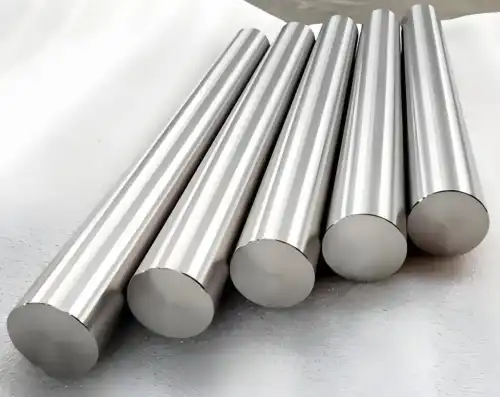
Understanding ASTM F-136 Titanium: Properties and Composition
The extremely high performance of ASTM F-136 titanium comes from its carefully controlled chemical makeup and microstructural features. This metal is mostly titanium, with only about 6% aluminum and 4% vanadium mixed in. There are strict rules about what elements can be mixed with the titanium. The maximum amount of oxygen is 0.13%, which is less than the normal Grade 5's 0.20%, and the maximum amount of iron is 0.25%. These carefully controlled amounts make the material much more resistant to damage and stress corrosion cracking, especially in body fluids, which are full of chloride.
Mechanical Performance That Matters
When it comes to mechanical performance, implant-grade titanium has great numbers that have a direct effect on clinical results. The material has a minimum tensile strength of 860 MPa (125 ksi) and a minimum yield strength of 795 MPa (115 ksi). It also keeps at least 10% of its original length. This mixture keeps the structure from breaking completely when the load changes. The metal is more flexible than some materials, so it can absorb shock and spread stress without creating tiny cracks. This is very important for implants that need to work reliably through millions of physiological load cycles. The exact heat treatment methods that create the alpha-beta phase microstructure are a big part of the material's fatigue resistance. Controlled annealing processes maintain the grain structure during production, making sure that the material's mechanical properties are the same across its cross-section. When making complicated implant shapes that need to stay structurally sound even when wall thicknesses and stress ratios change, this regularity is very important.
Biocompatibility and Corrosion Resistance
Based on decades of clinical data and a lot of biocompatibility testing, the FDA approves ASTM F-136 titanium for long-term placement. The oxide layer (TiO₂) that forms naturally on the material acts as a shield to keep ions from getting into nearby tissues. If this oxide film gets scratched, it grows back on its own, protecting against rusting in salty body fluids. The fact that it is not magnetic makes MRI safe, and the fact that it is radiolucent makes X-rays clear and free of flaws, which makes tracking after surgery easier. Osseointegration, which is when titanium bonds directly to bone tissue, always happens with this grade. The surface energy and oxide chemistry of the material make it easier for cells to stick together and for bone cells to grow. Within weeks of being implanted, new bone grows right on top of the titanium. This forms a strong biological and mechanical bond that can last a patient's entire life. Because of this, the metal is especially useful in otology, where it needs to be securely attached to delicate temporal bone structures.
Comparative Analysis Against Other Implant Grades
When engineers look at different materials, they often compare ASTM F-136 titanium to others like Grade 23, standard Ti-6Al-4V, and pure titanium (ASTM F67). Pure titanium is very resistant to rust, but it's not strong enough to be used for load-bearing parts of ear implants. Standard Ti-6Al-4V is strong enough, but it has more interstitial material, which makes it less resistant to breaking. This is not okay in medical uses that need to be very strong. Grade 23 is pretty much the same as the F-136 standard in terms of properties, but the ASTM F-136 label is more specific to surgical implant needs and has tighter quality control rules. Real-life data from orthopedic and oral implant records show that ELI grades have significantly lower failure rates than regular alloys. Major medical device makers always use this grade for cochlear implant housings, ossicular replacement prostheses, and bone-anchored hearing aid fittings because it has been shown to work in clinical trials for many years.
Why ASTM F-136 is the Preferred Choice for Sensitive Ears
When used in ear implants, they pose special problems that need materials that meet strict biological and mechanical standards. The middle ear ossicles, cochlea, and mastoid bone are very fragile parts of the body that are surrounded by tissues that are very sensitive to strange objects. Because they contain nickel, traditional implant materials like stainless steel and cobalt chrome metals often cause inflammatory reactions. This happens to about 10 to 20 percent of the population. These reactions can lead to pain, implant loosening, ASTM f136 titanium, and eventually device failure that needs to be fixed with surgery again.
Minimizing Allergic and Inflammatory Responses
ASTM F-136 titanium handles these issues because it is almost entirely nickel-free and works very well with tissues. The alloy has very small amounts of nickel, well below what is considered clinically important. This means that it can be used by people who are known to be highly sensitive to metals. The solid oxide layer stops metal ions from escaping, which gets rid of the main cause of contact dermatitis and chronic inflammation. Studies that followed patients' progress over 15 to 20 years found that titanium ear implants have an amazing device retention rate of over 95%, compared to only 70 to 80% for other materials. The surface finish is very important for the comfort of the patient and the absorption of the tissue. Precision grinding and electropolishing are used in medical-grade machining to get surface roughness values (Ra) of 0.2 micrometers or less. This smooth shape makes it harder for bacteria to stick while encouraging controlled protein binding patterns that help healthy tissue encapsulation instead of fibrous rejection. The material responds well to various surface processes, such as anodization to color-code surgery parts and hydroxyapatite coating to improve bone bonding.
Design Considerations and Fabrication Techniques
To make parts for ear implants out of implant-grade titanium, you need to be very good at cutting, welding, and finishing. Because the material is strong but doesn't carry heat well, it needs to be carefully cut with the right parameters and tools to keep the dimensions accurate and avoid work hardening. With carbide or polycrystalline diamond tools, CNC precision machining centers can safely make complex geometries like threaded features, thin-walled housings, and micro-scale acoustic ports that are necessary for hearing devices to work. When welding, the important qualities of the material must be kept without any flaws or contamination. Electron beam welding and laser welding done in controlled atmospheres keep the ELI standard by keeping oxygen from picking up during the joint process. Heat treatment after welding relieves stress and makes sure that the microstructure is the same all over the joint zones. These fabrication factors have a direct effect on the reliability of the device, which is why procurement professionals give more weight to sellers who have a track record of handling medical-grade titanium.
Clinical Success in Otologic Applications
The material is better than other types of ear implants, as shown by how well it works in real life. Manufacturers of cochlear implants depend on the alloy to make electrode arrays that are completely sealed and must work perfectly for decades while keeping out wetness and mechanical shock. Ossicular replacement devices made from ASTM F-136 titanium repair sound transmission in the middle ear while being very stable and gentle on the tissue. The osseointegration qualities of the material are used to make percutaneous abutments that keep the skin seal intact and prevent infection in bone-anchored hearing systems. Regulatory agencies keep records of device files that always show good results. Infection rates below 2% show that this method is better for tissue compatibility than previous methods. The mechanical features of the material keep the part from breaking, even when there is acoustic stress. Revision surgery rates due to material failure are still below 0.5% for implants that were made correctly, which gives both doctors and patients trust.
Comparing ASTM F-136 to Alternative Implant Materials: Decision-Making Insights
When buying materials for medical implants, you have to weigh a lot of different performance factors, such as cost, supply chain stability, biocompatibility, mechanical strength, and corrosion resistance. Knowing the pros and cons of ASTM F-136 titanium compared to other materials helps you make smart purchasing decisions that improve patient results while staying within your budget.
Titanium Alloy Comparisons
There are different types of titanium that are all used in medicine. Standard Ti-6Al-4V (Grade 5) has similar strength properties but is cheaper. However, it has more intermediate material, which makes it less flexible and more likely to break in a brittle way. The 0.07% difference in maximum oxygen content between ELI and standard grades may not seem like a big deal, but it means that the materials have different fatigue lives and fracture toughnesses. These differences are very important in critical implant applications where failure could lead to hearing loss or surgical complications. ASTM F1295 is a standard for commercially pure titanium that can be used for tooth implants and orthopedic uses with low stress. The material is very good at resisting corrosion, but it's not strong enough for load-bearing ear parts that are exposed to forces from biting that are passed through skull structures. The lower modulus of elasticity can help lower stress shielding in some situations, but it can also cause ossicular replacements to move around too much, which makes sound transfer less effective. Newer beta-titanium metals claim to have better qualities, but they don't have the large body of clinical evidence to back up the F-136 standard. The rules for medical devices strongly favor materials that have been used safely in the past. This makes it hard to use new metals, even if they have scientific benefits.
Comparison with Non-Titanium Options
Stainless steel (316L) was the most common material used in early ASTM F136 titanium ear implant designs, but long-term clinical research showed that it had major problems. Even though the device worked well at first, the nickel content causes allergic reactions in some patients, which show up as chronic inflammation and device rejection. Even though corrosion resistance is generally good, it is not good enough when there is mechanical stress and protective surface films break down, letting metallic ions into the tissue and causing reactions. Cobalt-chromium metals are very strong and don't wear down easily, which is important for joint replacements. The high modulus of flexibility of the material, on the other hand, makes biomechanical mismatches with bone that can cause stress to build up and eventually cause the bone to break. More importantly, cases of cobalt poisoning from wear debris have raised worries about long-term safety, especially for children who will be exposed to their implants for decades.
Strategic Selection Criteria
Professionals in procurement should look at the choice of materials through a number of different views. Minimum accepted mechanical qualities are set by the needs of the application, such as load profiles, anatomical limits, and functional demands. Biocompatibility objectives are affected by things about the patient group, like the number of allergies and the patients' ages. Expectations for how long a device should last must be in line with how well the material resists wear and rust. ASTM F-136 titanium is always the best choice for uses that need to protect sensitive ears. There are no allergy issues with this material because it meets strict mechanical standards. Proven osseointegration skills guarantee a steady attachment for a long time. Widespread regulatory acceptance speeds up the process of getting a gadget approved. These reasons explain why the material is so expensive compared to other options and why it is the market leader in high-reliability ear implant uses.
Sourcing and Procuring ASTM F-136 Titanium: What B2B Buyers Need to Know
Getting implant-grade ASTM F-136 titanium should be done in a way that balances quality control, supply chain stability, and lowering costs. Because medical-grade materials are so specific, suppliers need to be carefully evaluated and fully understand approval standards, product formats, and how the market works.
Supplier Evaluation and Quality Assurance
Manufacturers you can trust keep certifications that show they follow medical gadget quality control standards. Getting ISO 13485:2016 approval means that there are well-established systems for design controls, process validation, and tracking, all of which are important for making medical materials. Suppliers should give Mill Test Reports (MTRs) that show the chemical makeup, mechanical qualities, and heat treatment history of each lot of material. Testing and approval by a third party boosts trust in the reliability of a product. Reliable providers are happy for independent labs to check their work using methods like optical emission spectroscopy for chemistry confirmation and ASTM E8 standards for mechanical testing. Ultrasonic screening to find internal holes or other foreign objects should be routine, and the results should be sent with every package. LINHUI TITANIUM meets the high levels of quality that serious procurement workers need. We've built a name serving big energy companies and industrial contractors around the world since our founding in 2000. Our headquarters are in Xi'an, China, which is on the Belt and Road corridor. We have a lot of different certifications, such as PED 2014/68/EU, ISO 9001:2015, ISO 14001:2015, OHSAS 18001:2007, and approvals from classification societies like DNV, ABS, CCS, BV, GL, and Lloyd's Register. Through our quality control systems, we keep full traceability and accept inspections by outside groups like SGS, TUV, Moody's, and RINA.
Product Formats and Specifications
For various production methods, ASTM F-136 titanium is offered in a variety of configurations. By knowing about common product shapes, buyers can choose the right materials for their production needs. There are round and flat bars of stock that are between 0.1875 inches (4.76 mm) and 4.00 inches (101.60 mm) in width or thickness. These forms make it possible to machine complicated implant shapes. Bars can come with either a finished or a ground surface finish to make further processing easier. When the forging bar is hot-worked, it allows closed-die forging of nearly net-shaped parts that cut down on waste and machining time. Companies that make housings, covers, and flat parts use sheet and plate goods. Stamping and making can be done on sheets that are less than 0.1875 inches thick and 24 inches or bigger. Plates that are between 0.1875 inches and 4.00 inches thick can be used to machine bigger structural parts. Strip material that is less than 4.76 mm thick and 610 mm wide can be used to make a lot of small parts using progressive die operations. Specialty uses like woven mesh, springs, and micro-components are possible with wire goods that have widths less than 0.1875 inches. The material can be sent either annealed or cold-worked, based on the mechanical traits and shapeability that are needed.
Lead Times and Inventory Management
Medical device companies are using lean inventory methods more and more to cut down on costs, which creates a need for sellers who can respond quickly and have stock on hand. Standard sizes in popular grades usually ship within days from well-known dealers who keep strategic stock. Custom specs, such as specific heat treatments, surface finishes, or non-standard measurements, usually need 8 to 12 weeks of lead time to account for getting the materials, processing them, and checking the quality. Buyers who are in charge of launching new products or reacting to sudden increases in demand should build relationships with suppliers who can speed up production. Our titanium products store model keeps a large stock of a wide range of types and forms, so we can quickly meet urgent needs. Because we've sent hundreds of thousands of tons to projects in more than 60 countries, we know how hard it is for buying teams and have set up our supply chain to support them.
Pricing Dynamics and Cost Management
Material costs are affected by many things, such as the price of the base metal, the cost of adding alloys, the difficulty of the process, and the need for quality control. Due to more steps of refinement and tighter quality controls, the ELI label comes with a 15–30% price premium over normal grades. The global titanium market is sometimes unstable because of changes in aircraft demand and the addition of new production capacity. This causes price changes that buyers have to deal with. Favorable pricing arrangements are made possible by volume agreements. Setting up yearly supply deals with tiers of volume savings helps you plan your budget and make sure that priorities are clear when the market is tight. In order to avoid unexpected costs, buyers should make it clear what kind of material tracking paperwork, certification costs, and third-party inspection fees are included. Working with ASTM F-136 titanium suppliers that have businesses in major industrial regions can help with transportation. Our offices in Xi'an give us easy access to Asian markets, and our well-established export infrastructure makes it easy to serve customers in North America, Europe, the Middle East, and South America. Collaborations with logistics providers and customs brokers who know how to handle foreign packages make them easier and cheaper all around.
Technical Insights and Compliance: Ensuring Quality and Performance in ASTM F-136 Applications
To use implant-grade ASTM F-136 titanium successfully in medical equipment, best practices for making, following the rules, and keeping quality records are all important. Understanding the important process factors that affect the end product's performance is helpful for engineers and procurement pros.
Machining and Fabrication Best Practices
Titanium has a good strength-to-weight ratio, but it is hard to machine and needs special methods. Because the material doesn't transfer heat well, heat builds up at the cutting edges, which speeds up tool wear. When you use sharp cutting tools with positive rake angles, you use less force and heat. Using a flood of coolant or delivering coolant through the tool successfully controls temperatures and removes chips. Cutting speeds for titanium are usually 30 to 50 percent slower than those for steel, and feed rates are changed to keep chip loads steady. Titanium aluminum nitride (TiAlN) layers on carbide tools make them last longer. Even though they cost more at first, polycrystalline diamond (PCD) tools work better for large-scale production. By using the right cutting settings, you can keep the material's qualities and dimensions stable and avoid work hardening. When deburring and cleaning the surface, it's important to keep the consistency of the surface. When deburring by machine, the surface can get damaged or contaminated in ways that aren't okay for medical uses. Electropolishing takes material evenly and makes areas that are smooth and free of contaminants, which are needed for ASTM F136 titanium implants. The process gets the surface roughness to less than 0.2 micrometers Ra while getting rid of contaminants that were left behind during grinding.
Welding and Heat Treatment Considerations
When titanium parts are joined together, strict air controls are needed to keep the work area clean. Titanium mixes easily with oxygen, nitrogen, and hydrogen at high temperatures, making molecules that are brittle and weaken the metal's mechanical qualities. When electron beam welding is done in a high vacuum, there is no chance of pollution from the air, and the heat input can be precisely controlled. Laser welding in controlled gas atmospheres lets you make joints with complicated shapes. Post-weld heat treatment gets rid of any remaining stresses and makes the microstructures uniform across the weld zones. Stress relief annealing at temperatures between 480°C and 650°C lowers the chance of damage without changing the mechanical features much. Solution treatment and aging processes can be used to get the best strength-to-ductility ratios for certain uses, but the ELI standard must be kept in mind at all times. Fixturing and handling steps keep the surface clean while the heat treatment is happening. Contact points made of stainless steel can pick up iron through diffusion, which can lead to surface flaws that cause rust or wear failures. Fixtures made of ceramic or metal get rid of this risk. During the whole heating cycle, controlled atmospheres keep the surface clean and the oxide properties stable.
Regulatory Compliance and Documentation Requirements
All over the world, rules about medical devices require a lot of paperwork to show that they follow the rules and that the process is controlled. In the US, FDA 510(k) applications need full material specs, such as chemistry, mechanical properties, and biocompatibility test results. The European Medical Device Regulation (MDR) also needs a lot of detailed information to support CE Mark applications. Mill Test Reports are the best proof that a material meets the requirements because they include chemical analysis results, mechanical test data, and records of heat treatments that can be linked to particular material temperatures. Certificates of Compliance prove that the materials given meet the standards set out in the specifications. Regulatory reviewers value third-party inspection reports from approved labs because they provide independent confirmation. Keeping track of materials throughout the manufacturing process lets you respond quickly to quality problems and governmental inquiries. Lot tracking systems that connect raw materials to final devices help with spying after the sale and make it easier to get devices back if needed. These ways of documenting are important parts of quality management systems that help get approvals from regulators and build trust in the market. Our dedication to following the rules goes beyond the bare necessities. We know how strict medical device makers need their paperwork to be because we've gotten approvals from several foreign bodies, such as FDA recognition through ISO 13485:2016 certification, PED compliance for pressure equipment, and classification society approvals for marine applications. Every shipment comes with full traceability paperwork, such as MTRs, compliance certificates, and inspection records that back up your regulatory entries.
Conclusion
There is strong and varied proof that ASTM F-136 titanium is the best material for sensitive ear uses. This Extra Low Interstitial metal is the most biocompatible of any material on the market. It doesn't cause allergic responses as other materials do. Superior mechanical features guarantee dependable long-term performance in physiological situations that are hard on the material. It has been shown that osseointegration can cause steady cellular fixation, which is necessary for functional success. A lot of governmental approval and decades of clinical testing give manufacturers, surgeons, and patients trust. Even though the material costs more than other options, the value offered is still clear when patient results and device reliability are taken into account. If purchasing workers are looking for the best materials for sensitive ear implants, they should focus on providers with complete quality systems, full certification portfolios, and a history of meeting the needs of medical device manufacturers.
FAQ
1. What distinguishes ASTM F-136 from standard Ti-6Al-4V Grade 5?
The main difference is the "Extra Low Interstitial" label, which sets tighter limits on the amount of oxygen (≤0.13% vs. ≤0.20%) and iron (≤0.25% vs. ≤0.30%). These lower interstitial amounts make the material much harder to break and more flexible, which is important for surgical implants where a failure of the material could have major health effects. Standard Grade 5 is good for aircraft and industry uses, but it doesn't have the biocompatibility guarantee that is needed for long-term implantation.
2. Does ASTM F-136 titanium contain nickel?
This medical-grade titanium has very small amounts of nickel in it, far less than what is considered clinically important. In contrast to 316L stainless steel, which has 10–14% nickel, the metal does not cause allergic issues that affect around 15–20% of the population. Because of this, the material can be used by people who are known to be allergic to metals.
3. Can the material undergo MRI scanning safely?
Implant-grade titanium is completely compatible with MRIs because it is not magnetic. Patients with ASTM F-136 titanium implants can easily have magnetic resonance imaging (MRI) without worrying about the implants getting too hot, moving, or creating flaws in the images. For long-term patient care and tracking after surgery, this is a huge benefit.
4. How should buyers verify material authenticity?
Demand Mill Test Reports that can be linked to particular material heats and clearly state that they meet ASTM F-136 standards, with chemical tests showing that the oxygen level is ≤0.13% and the iron level is ≤0.25%. Ask for a third-party review by licensed labs that use optical emission spectroscopy and ASTM E8-compliant mechanical testing. Reliable sellers welcome checks and keep a lot of paperwork to back up the material's history.
Partner with LINHUI TITANIUM for Your ASTM F-136 Titanium Supply Needs
It is very important to find a reliable ASTM F-136 titanium maker so that production goes smoothly and there are no costly delays. At LINHUI TITANIUM, we have more than 20 years of experience in our field and all the quality certifications that are needed to meet foreign standards for medical devices. Our factory in Xi'an makes bars, sheets, plates, wires, ASTM F136 titanium, and special shapes that can be used in a wide range of implant uses. Your buying needs will always be met with full traceability documents, third-party inspection acceptance, and quick technical support. We have won the trust of big companies like CEFC, PTT, PDVSA, PETROECUADOR, KOC, and top EPC contractors by always delivering approved products on time. Our global shipping network quickly sends packages to over 60 countries in North America, Europe, the Middle East, and other places. Email our expert team at linhui@lhtitanium.com to talk about your unique needs. Whether you need standard stock items or special processing like electropolishing, heat treatment, or precision machining, our model of a supermarket for titanium goods has everything that serious medical device makers need.
References
1. American Society for Testing and Materials. (2022). ASTM F136-13: Standard Specification for Wrought Titanium-6Aluminum-4Vanadium ELI Alloy for Surgical Implant Applications. West Conshohocken, PA: ASTM International.
2. Geetha, M., Singh, A.K., Asokamani, R., & Gogia, A.K. (2009). Ti-based biomaterials, the ultimate choice for orthopaedic implants – A review. Progress in Materials Science, 54(3), 397-425.
3. Niinomi, M., & Nakai, M. (2011). Titanium-Based Biomaterials for Preventing Stress Shielding between Implant Devices and Bone. International Journal of Biomaterials, Article ID 836587.
4. Ryan, G., Pandit, A., & Apatsidis, D.P. (2006). Fabrication methods of porous metals for use in orthopaedic applications. Biomaterials, 27(13), 2651-2670.
5. Steinemann, S.G. (1998). Titanium—the material of choice? Periodontology 2000, 17(1), 7-21.
6. U.S. Food and Drug Administration. (2020). Guidance for Industry and FDA Staff: Use of International Standard ISO 10993-1, Biological evaluation of medical devices - Part 1: Evaluation and testing within a risk management process. Silver Spring, MD: Center for Devices and Radiological Health.