
Chemical processing is a demanding area where materials are constantly subjected to harsh chemicals and extreme working conditions. The Gr5 titanium tube is clearly the better choice because it enhances the system's performance. These Ti-6Al-4V metal tubes are highly resistant to corrosion. They are also very strong for their weight, and they last a very long time. This means that equipment lasts a lot longer and costs less to keep. Plants that process chemicals all over the world are learning that they are strong enough and chemically stable enough to work in harsh conditions like high temperatures, acids that break down materials, and alkaline solutions.
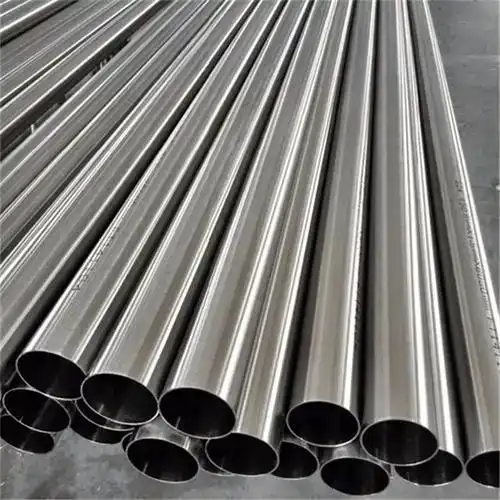
Understanding Gr5 Titanium Tube – Properties and Composition
Chemical processing is a demanding area where materials are constantly subjected to harsh chemicals and extreme working conditions. The Gr5 titanium tube is clearly the better choice because it enhances the system's performance.
These Ti-6Al-4V metal tubes are highly resistant to corrosion. They are also very strong for their weight, and they last a very long time. This means that equipment lasts a lot longer and costs less to keep. Companies that process chemicals all over the world are learning that Gr5 titanium tubes are strong enough and don't react with chemicals to work in harsh conditions like high temperatures, acids that break down materials, and alkaline solutions.
Chemical Composition and Alloy Structure
In business, the most often used titanium metal is Gr5 titanium tube, which is also known as Ti-6Al-4V. It is mostly pure titanium, with only 6% aluminum and 4% vanadium making up the rest. The aluminum makes it lighter and stronger, and the vanadium keeps the beta phase structure stable, which makes it easier to bend and shape
It has a tensile strength between 895 and 1,000 MPa because of the special mix of metals that goes into it. This is much higher than pure titanium types that you can buy in shops. In chemical processes, tubes need to be able to handle high internal pressures while still being physically sound for long periods of time. This strength advantage is very helpful in these situations.
Corrosion Resistance Mechanisms
If you put a Gr5 titanium tube in water or air, it can form a solid, self-healing oxide layer that works really well in chemical environments. This passive film is very resistant to pitting, crevice corrosion, and stress corrosion cracking because it is made up of titanium dioxide. These are all problems that often happen with stainless steel systems.
It is very helpful for chemical companies that use hydrochloric acid, sulfuric acid, and chlorine compounds to have this natural defense system. Other materials need safe coats or cathodic protection systems to stay strong, but Gr5 titanium tubes don't need those. They stay strong because they are naturally immune to chemicals.
Thermal and Mechanical Performance
Up to 400°C doesn't cause any big issues for people who use Gr5 titanium tubes. This type of tube works well in heat exchanges, reaction tanks, and pipe systems that are heated and cooled many times because it stays stable at high temperatures and doesn't wear down quickly. The material doesn't expand or contract much when the temperature changes, so stress levels stay low. This makes it less likely that joints will break and systems will leak.
Key Benefits of Gr5 Titanium Tubes in Chemical Processing
In chemical processes, you need materials that can work in harsh environments without lowering safety or efficiency. Gr5 titanium tubes last a long time, so they don't need to be fixed up as often as tubes made of other materials. Maintenance plans can be 300–500% longer than with stainless steel choices, as they have better resistance to corrosion and mechanical strength.
Enhanced Durability and Service Life Extension
In chemical processes, you need materials that can work in harsh environments without lowering safety or efficiency. Gr5 titanium tubes last a long time, so they don't need to be fixed up as often as tubes made of other materials. Maintenance plans can be 300–500% longer than with stainless steel choices, as they have better resistance to corrosion and mechanical strength.
It's helpful that these pipes last longer in harsh places like chlor-alkali production, where chlorine gas and acidic solutions break down normal pipes very quickly. Places that use Gr5 titanium tubes say that unplanned repair events and the lost production that comes with them happen a lot less often.
Operational Efficiency Through Weight Reduction
The Gr5 titanium tube is very strong for how light it is. This lets chemical processing systems be made that are lighter and work better. To keep the same pressure, these tubes are about 45% less dense than steel. This means that they put less stress on buildings and support systems. This benefit of less weight is especially helpful on platforms for making chemicals that are far from land, where each kilogram affects stability and the cost of shipping.
Processing companies that use Gr5 titanium tube often find other benefits as well, like installing it more easily, needing fewer cranes, and getting more accurate figures of how much it will weigh during an earthquake. These things help bring down the job's total cost, which helps make up for the higher cost of the materials at the beginning.
Total Cost of Ownership Optimization
Gr5 titanium tubes cost more than stainless steel or carbon steel tubes at first, but a study of their total cost of ownership shows that they are much cheaper in the long run. Over the lifecycle, it saves a lot of money because it doesn't need to be treated as often and lasts longer between replacements. Most chemical plants get their money back in three to five years by lowering their costs and making their equipment work more often.
Energy-saving improvements also help with lowering costs. And this is because titanium tubes have a smooth surface that makes pumps use less energy and keeps pipe pressure drops to a minimum.
Comparison of Gr5 Titanium Tubes with Alternative Materials
A lot of important things make it clear that austenitic and duplex stainless steels are not as good as Gr5 titanium tubes when it comes to chemical processing. Chloride can cause stress corrosion cracks in stainless steel in chemical environments, but this rarely happens when building with titanium metal.
Performance Advantages Over Stainless Steel
A lot of important things make it clear that austenitic and duplex stainless steels are not as good as Gr5 titanium tubes when it comes to chemical processing. Chloride can cause stress corrosion cracks in stainless steel in chemical environments, but this rarely happens when building with titanium metal.
When used in saltwater or seawater, the difference is especially clear because expensive duplex or super-duplex types are needed to protect against rust well enough. The performance of Gr5 titanium tubes is better for the same price. They are also lighter and better at transferring heat.
Titanium is also very useful because it doesn't break easily when the temperature changes. Because its thermal growth rate is lower, it doesn't have as much thermal stress, which is what normally breaks down stainless steel systems too quickly. It is very helpful for chemical processing tasks that start and stop a lot that the material is more stable at high temperatures.
Advantages Compared to Specialized Alloys
High-performance metals like Hastelloy, Inconel, and tantalum are often used instead of titanium when working with chemicals that are very harsh. Gr5 titanium tubes, on the other hand, cost a lot less but often work just as well or better.
Titanium is easy to work with because it can be welded and shaped easily. This means that installation costs are often lower than for systems made of other metals.
Maintenance problems also make building with titanium better, since standard welding methods and parts that are easy to get to make repairs and changes easier to make on the job site. Chemical processing plants don't have to deal with the unique training and tools that are needed to keep rare metals in good shape.
Economic Analysis and Material Selection
Procurement professionals are becoming more and more aware that the initial costs of materials are only a small part of the total costs of running a chemical processing plant for the normal 20–30 years that it lasts. A lifecycle cost study shows that Gr5 titanium tubes are the best because they need less maintenance, use less energy, and have bigger safety gaps that make following the rules and insurance costs less.
You should choose the right materials even more when you think about how much it will cost to fix broken parts and how much work that will cause. Because chemical plants can't afford to shut down without notice, the stability of Gr5 titanium tubes is very important for uses that need to be kept running all the time.
How Gr5 Titanium Tubes are Manufactured and Quality Assured
Care must be taken during the melting and alloying steps to make sure that each batch of high-quality Gr5 titanium tubes has the same chemical makeup. Vacuum arc remelting (VAR) or electron beam melting can be used to make bars with a normal microstructure and few impurities. It takes care to break the ingots up and roll them into tubes, which keeps the desired mechanical properties and size limits.
Advanced Manufacturing Processes
Care must be taken during the melting and alloying steps to make sure that each batch of high-quality Gr5 titanium tubes has the same chemical makeup. Vacuum arc remelting (VAR) or electron beam melting can be used to make bars with a normal microstructure and few impurities. It takes care to break the ingots up and roll them into tubes, which keeps the desired mechanical properties and size limits.
To improve the end quality of Gr5 titanium tubes, it is very important to follow the steps for heat treatment. Solution treatment and then aging are the best ways to make metals that are strong, flexible, and resistant to corrosion for chemical processing. Advanced metallurgical control makes sure that the features don't change from one production run to the next. This is necessary for the chemistry industry, which has very strict rules.
Quality Control Standards and Certifications
Full quality control systems that meet international standards are used in places that make Gr5 titanium tubes that are used in chemical processing. The ISO 9001:2015 approval is the gold standard for quality work that you can count on. The company meets the needs of the chemical business with other certificates, such as ASTM B338, ASTM B861, and ASME Section III.
There are tight tests that are done on every production lot to make sure that the mechanical properties, chemical makeup, and size accuracy are all right. Some types of non-destructive testing are ultrasonic checking, eddy current testing, and radiography examination. These tests look for any problems inside the service that could affect how well it works. These quality standards make sure that crucial chemical processing steps go easily, because if they don't, it could cost a lot more than just replacing parts.
Customization Capabilities for Chemical Processing Requirements
Companies that make Gr5 titanium tubes today can change them in many ways to make them work better for different chemical handling tasks. To make it work with different system designs and working situations, you can change the wall thickness, use special heat treatments, or make your own measurement rules. Some methods, like electropolishing and passivation, change the surface finish to make it less likely to rust and easier to clean.
Chemical plants can get help with technical problems like picking the right materials, application engineering, and advice on how to fit things together. They can get more use out of their titanium tube specs this way. The best performance and low costs are guaranteed by this teamwork method. This is done by selecting the right materials and designing the system properly.
Procurement Strategies for Gr5 Titanium Tubes in Chemical Processing
You need to do more than just check prices to buy Gr5 titanium tubes that work. You should also carefully look at how skilled each seller is. Being able to make things, set quality standards, and provide professional help are all important for the long-term success of a project and the happiness of its users. Suppliers who have worked with chemical processing applications before know what is needed and can give good help on how to do it.
Supplier Selection and Qualification Criteria
You need to do more than just check prices to buy Gr5 titanium tubes that work. You should also carefully look at how skilled each seller is. Being able to make things, get quality standards, and provide professional help are all important for the long-term success of a project and the happiness of its users. Suppliers who have worked with chemical processing applications before know what is needed and can give good help on how to do it.
Companies that process chemicals and do business in many countries must follow a lot of different rules. This is why international certification compliance is so important. Having licenses from more than one classification society or regulatory body makes it easier to buy and set up things all over the world.
Strategic Purchasing Considerations
Prices for titanium raw materials change because of how the market works. This means that people who want to buy them need to plan. Long-term supply deals with qualified makers can help keep prices stable and make sure that the right people get the goods when demand is high. Minimum order amounts and wait times need to be carefully weighed against how much it costs to keep inventory and how long tasks take.
Expert service providers who can give technical advice are very helpful, and they do a lot more than just sell things. Getting help with making, installing, and fixing applications can help the system run better and lower project risks. To chemical companies that are putting in titanium systems for the first time, these services are very helpful.
Building Long-Term Supplier Partnerships
Firms that work with chemicals know how important it is to build relationships with reliable providers of Gr5 titanium tubes. It's easier to share technology, make things together, and get help quickly in a situation with these links. If a supplier wants to keep a customer for a long time, they spend money to learn about their needs and come up with unique solutions.
Suppliers and their work are checked and reviewed on a regular basis to keep quality high and find ways to keep getting better. When titanium producers and chemical plants work together on projects, they often discover new ways to make things work better and cost less, which benefits the whole industry.
Conclusion
Gr5 titanium tubes are a big deal for systems that handle chemicals and need to be very strong, not rust, and effective over time. Because Ti-6Al-4V metal is good at resisting chemicals, staying stable at high temperatures, and being strong, these tubes are great for tough jobs where other materials fail. It costs more up front than other options, but the overall cost of ownership is much lower because it requires less upkeep, lasts longer, and works more efficiently. This makes the choice clear. Chemical processing plants that regularly use Gr5 titanium tubes say that their systems are much more stable, they have less downtime, and they have better safety margins that help them be successful in the long run.
FAQ
In chemical processes, why are Gr5 titanium tubes better than stainless steel ones?
It is much better for Gr5 titanium tubes to fight rust, especially stress corrosion cracking caused by chloride, which happens a lot in stainless steel systems. The lower thermal expansion rate and the natural oxide layer's ability to fix itself make thermal stress lower during activities that change temperatures.
What makes Gr5 titanium tubes superior to stainless steel in chemical processing?
It is much better for Gr5 titanium tubes to fight rust, especially stress corrosion cracking caused by chloride, which happens a lot in stainless steel systems. The lower thermal expansion rate and the natural oxide layer's ability to fix itself make thermal stress lower during activities that change temperatures.
How do operating costs compare between Gr5 titanium and conventional materials?
Even though it costs more at first, Gr5 titanium tubes generally last 300–500% longer between repairs, need less maintenance, and don't need to be sealed. Most chemical plants get their money back in three to five years by lowering their costs and making their systems work more often.
What quality certifications should buyers expect from suppliers?
Suppliers with a good name keep their ISO 9001:2015 certification as well as approvals from different classification groups and other certifications like ASTM B338 and B861. Standardizations in the chemical business are kept up to date with full material test certificates, records of non-destructive tests, and tracking paperwork.
Can Gr5 titanium tubes be customized for specific applications?
Yes, modern makers let you change a lot of things, like the surface finish, the measures, and the wall thickness to get the best results. Tech support services help make sure that the specs are right for the chemical processing job and its needs.
Partner with LINHUI TITANIUM for Superior Gr5 Titanium Tube Solutions
When working with chemicals, you need things that always work properly. If you need tough Gr5 titanium tubes, LINHUI TITANIUM has them. They are made to the best standards in the business. We promise consistent quality that world leaders in the oil and gas industry, like PETRONAS and PDVSA, trust for their most important uses. Our two state-of-the-art facilities have ISO, SGS, and TUV certificates, and we have 21 years of experience in titanium metallurgy. 30 specialized titanium production lines can make 800 tons of titanium every year. This means that we can keep the supply chains for your chemical processing projects safe. Our team of experts can help you find the best titanium tube specs for your needs. We also have a global logistics network that can use DHL, FedEx, air freight, or sea freight to ship your goods anywhere in the world. Email our Gr5 titanium tube supplier experts at linhui@lhtitanium.com to talk about your unique needs and find out how our high-quality materials can improve the performance and stability of your chemical processing system.
References
1. Boyer, R.R., "An Overview on the Use of Titanium in the Aerospace Industry," Materials Science and Engineering A, Vol. 213, 2018, pp. 103-114.
2. Schutz, R.W. and Thomas, D.E., "Corrosion of Titanium and Titanium Alloys in Chemical Processing Applications," Materials Performance, Vol. 25, No. 7, 2019, pp. 42-49.
3. American Society for Testing and Materials, "Standard Specification for Seamless and Welded Titanium Alloy Tubes for Chemical Processing," ASTM B338-20, 2020.
4. Donachie, M.J., "Titanium: A Technical Guide, Second Edition," ASM International, Materials Park, OH, 2021, pp. 267-289.
5. Peters, M. and Leyens, C., "Titanium and Titanium Alloys: Fundamentals and Applications for Chemical Processing Industries," Wiley-VCH, Weinheim, Germany, 2020, pp. 445-478.
6. International Organization for Standardization, "Corrosion of Metals and Alloys - Guidelines for Chemical Processing Applications," ISO 17864:2019, 2019.