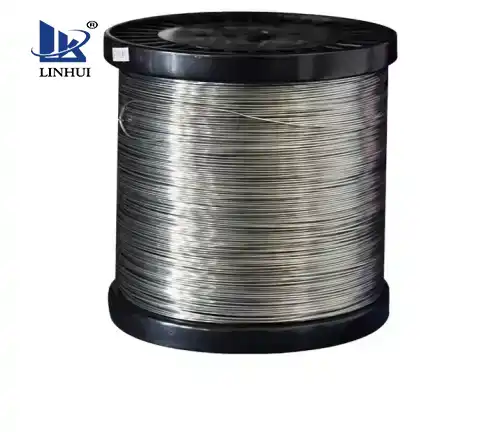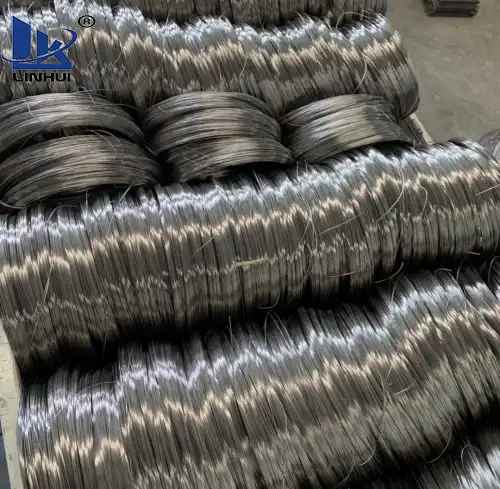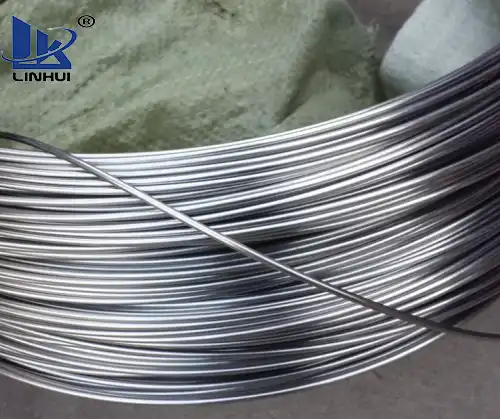
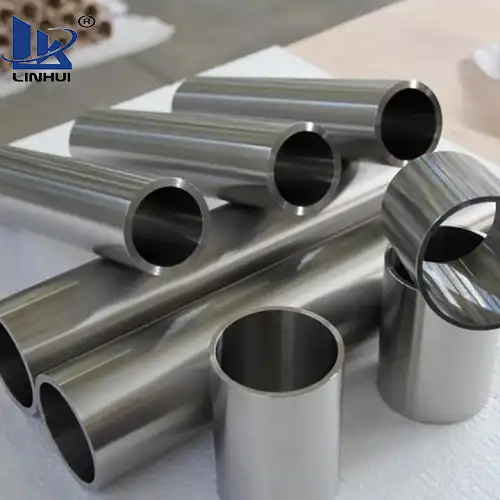
Zirconium Pipe
Grade: UNS R60702, UNS R60704, UNS R60705 OD: NPS 1/8" - 12" WT: SCH5S, 10S, 40S, 80S
Certificate:ISO9001:2008
Wall Thickness:0.5-4.5mm, 0.3mm-120mm
Inside Diameter:8-80mm, 2.0mm-219mm
Two Factories & 30 titanium metal production lines
21 years of experience in titanium metal manufacturing
Systerm quality with ISO / SGS / TUV quality control.
Delivery term: DHL, FEDEX, Air freight,Sea freight
Annual production: 800 tons






Zirconium Pipe – Corrosion-Resistant Piping Solutions for Extreme Chemical Environments
LINHUI TITANIUM manufactures industrial-grade Zirconium Pipe available in UNS R60702, R60704, and R60705 grades with outer diameters ranging from NPS 1/8" to 12" and wall thickness schedules of SCH5S, 10S, 40S, and 80S. Our facility operates two factories with 30 production lines and delivers 800 tons annually.
With 21 a long time of fabricating ability, we keep up strict quality control certified by ISO 9001:2015, SGS, and TÜV. Divider thickness ranges from 0.5–4.5mm (standard) to 0.3–120mm (custom), with interior distances across from 8–80mm or 2.0–219mm. Each item experiences 100% ultrasonic testing and hydrostatic weight testing to ensure zero-defect conveyance for your basic applications.
Key Features & Benefits
Superior Erosion Resistance: Shapes a self-healing ZrO₂ oxide layer that withstands bubbling hydrochloric and sulfuric acids where stainless steel comes up short inside hours.
Seamless & Welded Choices: ASTM B658 consistent channels dispose of weld crease vulnerabilities. Welded channels utilize autogenous TIG strategies without filler metal to keep up base fabric integrity.
High Warm Steadiness: Works dependably up to 400°C with negligible warm extension, diminishing stretch in channeling circles amid temperature cycling.
Enhanced Mechanical Quality: UNS R60705 review with 2.5% Niobium offers twofold the pliable quality of standard grades, empowering higher weight appraisals or weight reduction.
Specifications
| Property | Details |
|---|---|
| Material | Zirconium Alloy (Zr) |
| Pipe Size | Customized sizes available (from 1" to 24") |
| Wall Thickness | Available in various thicknesses (0.5mm to 30mm) |
| Grade | ASTM B338, ASTM B393, ASTM B506 |
| Temperature Resistance | Up to 1100°C |
| Corrosion Resistance | Excellent resistance to corrosion in acids, seawater, and chemicals |
| Surface Finish | Polished, Matte, or Customized Finish |
Why Choose Us?
Coordinate Plant Estimating: Dispose of agents costs with mill-direct supply and straightforward citations inside 4 hours.
Rapid Conveyance: Stock orders transport in 3–7 days; standard generation completes in 15–25 days; custom orders in 25–40 days.
Flexible MOQ: Trial orders begin from 100 kg with 200+ tons of stock for prompt shipment.
Engineering Back: In-house metallurgists give fabric choice discussion and drawing survey inside 24 hours.
Comprehensive Certification: ISO 9001:2015, PED 2014/68/EU, NORSOK M-650, ASTM/ASME compliance with third-party review (SGS, TÜV, DNV).
Manufacturing Process
Raw Fabric Choice: We source nuclear-grade zirconium wipe with confirmed traceability and warm parcel documentation.
Extrusion & Rolling: Consistent channels are created by means of rotational penetrating and cold pilger rolling, accomplishing uniform divider thickness inside ±0.05mm tolerance.
Welding (for welded channels): Autogenous TIG welding beneath ultra-pure Argon air anticipates defilement and keeps up erosion resistance.
Heat Treatment: Arrangement tempering at 700–800°C diminishes leftover stretch and optimizes ductility.
Surface Treatment: Corrosive pickling evacuates oxide scale, taken after by passivation to upgrade the defensive ZrO₂ layer.
Applications
Acetic Corrosive Generation: Streak tanks, reboilers, and exchange lines stand up to bubbling acidic corrosive that erodes stainless steel in weeks.
Urea & Fertilizer Plants: High-pressure strippers and decomposers handle destructive carbamate arrangements at weights surpassing 150 bar.
Hydrochloric Corrosive Preparing: Warm exchangers and channeling frameworks keep up astuteness over changing HCl concentrations where titanium endures cleft erosion.
Sulfuric Acid Plants: Zirconium Pipe outperforms nickel alloys in reducing acid environments at elevated temperatures.
Pharmaceutical Reactors: FDA-compliant grades ensure contamination-free processing of active pharmaceutical ingredients.
Export Markets
We've successfully delivered to 60+ countries including USA, Germany, Japan, South Korea, UAE, Canada, France, and Australia. Trusted by EPC contractors and chemical processors in North America, Europe, Middle East, and Southeast Asia.

Packaging & Shipping
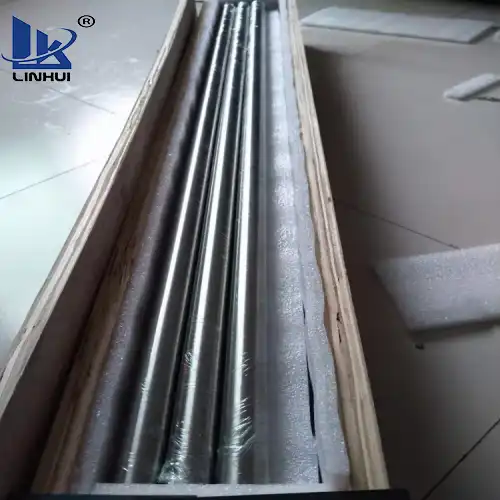
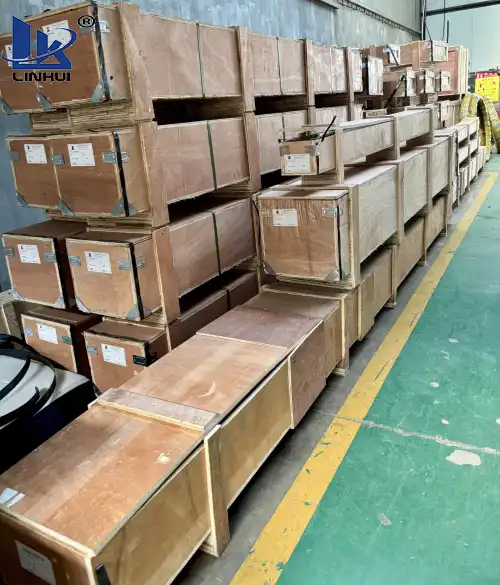
Packaging: Wooden cases or plywood boxes with moisture-resistant wrapping and foam protection for delicate surface finishes.
Shipping Options: DHL, FedEx for samples; air freight for urgent orders; sea freight for bulk shipments with container consolidation services.
Documentation: Commercial invoice, packing list, MTC, origin certificate, and third-party inspection reports provided.
Quality Inspection
· 100% Ultrasonic Testing (UT): Detects internal defects longitudinally and transversely
· Hydrostatic Pressure Testing: Minimum 1000 psi or per ASME calculation
· Flare & Flattening Tests: Verifies ductility and crack resistance during installation
· Dimensional Verification: OD, WT, ID, and surface roughness (Ra) measured per ASTM tolerances
· Material Test Certificates (MTC): EN 10204 3.1/3.2 documentation with full traceability

FAQ
Q: What's the distinction between Zr 702 and Zr 705?
A: Zr 702 offers most extreme erosion resistance. Zr 705 contains 2–3% Niobium for twofold the ductile quality, perfect for higher pressures.
Q: Can I utilize the item with Hydrofluoric Acid?
A: No. HF anticipates oxide layer arrangement, causing quick disappointment. Utilize Inconel or Monel instead.
Q: How does it compare to Titanium Pipe?
A: Titanium exceeds expectations in oxidizing situations; The item rules in diminishing acids like HCl and H₂SO₄.
Q: What are welding requirements?
A: Utilize TIG welding with ultra-pure Argon protecting, counting trailing shields and back cleansing to avoid contamination.
Q: Greatest working temperature?
A: Up to 400–500°C in controlled climates. Over this, oxidation causes embrittlement.