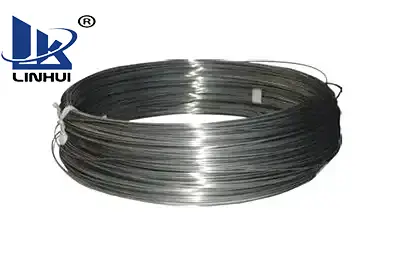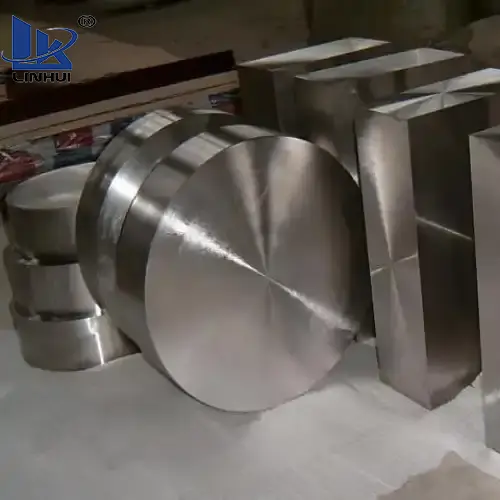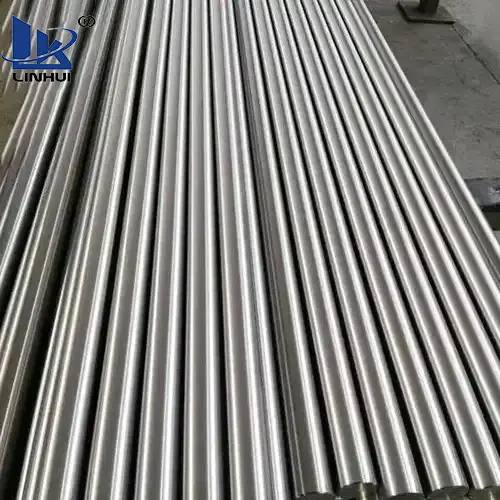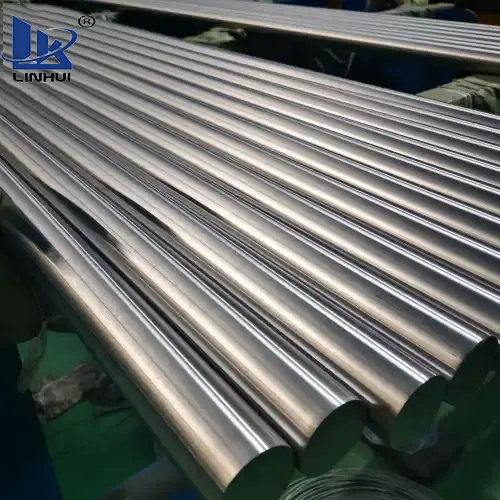
GR2 titanium wire
Gr2 low strength, good plasticity, good low temperature toughness, corrosion resistance is very high. Has good pressure machining process performance, cutting performance is poor. Heating in nitrogen can be burned, so titanium in the heating and welding should be protected by argon.
Send Inquiry





GR2 Titanium Wire
GR2 titanium wire (UNS R50400) provides commercially pure titanium performance with a minimum tensile strength of 345 MPa and exceptional corrosion resistance in challenging chemical environments. This alpha-phase microstructure wire has low strength, high plasticity, and remarkable low-temperature toughness.
Compared to stainless steel and aluminum, it is more resistant to corrosion in acidic electrolytes, moist chlorine, and saltwater. The material has good pressure machining capabilities, even though certain equipment are required for cutting performance. At a density of 4.51 g/cm³, GR2 titanium wire weighs 45% less than steel equivalents without sacrificing structural integrity.
Important processing information: as heating in nitrogen causes combustion, argon shielding is necessary during welding and thermal processing to prevent contamination and preserve material characteristics.
Key Features & Benefits
Immunity to Corrosion
Up to 260°C, it is resistant to deterioration in hot chlorine gas, hypochlorite solutions, and stagnant seawater. In conditions where stainless steel breaks down in a matter of months, your equipment lasts more than 20 years.
Strength and Lightweight
provides structural performance while weighing half as much as steel. In aeronautical and marine applications, you lower transportation costs and make installation easier.
Purity that is Biocompatible
It is perfect for sensitive electronic housings and medical device fabrication because to its tissue-compatible composition and zero magnetic interference.
Manufacturing Process
VAR and Sponge Melting
Three vacuum arc remelting processes are applied to raw titanium sponge. This guarantees interstitial element uniformity, which is essential for corrosion performance, and removes segregation.
Cold Drawing and Hot Extrusion
Billets are cold-drawn through carbide dies after being extruded at regulated temperatures. Grain structure is refined and your desired diameter tolerance within ±0.02 mm is achieved through multi-pass drawing with interim annealing cycles.
Annealing in an argon atmosphere
At 650–750°C, argon-purged furnaces relieve the stress on wire. This keeps the surface from oxidizing and preserves its flexibility for further shaping or welding processes.
Quality Inspection
Chemical Analysis (ICP-OES)
Every heat lot undergoes spectroscopic verification. We confirm Oxygen and Hydrogen levels meet ASTM B863 limits, preventing hydrogen embrittlement in your critical assemblies.
Tensile Testing (ASTM E8)
Full-section specimens validate mechanical properties. You receive certified test reports documenting strength, elongation, and reduction of area for traceability.
Eddy Current Testing
100% wire length passes through ECT to detect surface defects. Laps, cracks, and heavy oxide scale are eliminated before shipment, ensuring zero-defect material enters your production line.
Applications Of GR2 titanium wire
Chemical Processing Equipment
Anodizing racks and jigs resist acidic electrolyte baths without contamination. Your aluminum finishing operations maintain consistent current flow and bath purity across thousands of cycles.
Welding Filler Metal (ERTi-2)
GTAW and GMAW applications in heat exchangers and pressure vessels. Weld beads match base metal corrosion resistance in power generation and desalination plants operating under ASME Section IX qualifications.
Medical Devices
Orthopedic cables, dental implants, and maxillofacial components leverage biocompatibility. Non-magnetic properties prevent MRI interference in your surgical instruments and diagnostic equipment.
Export Markets
LINHUI Titanium has supplied GR2 titanium wire to more than 60 nations. The primary markets include the United States, Germany, Canada, Japan, South Korea, the United Arab Emirates, and petrochemical centers in Southeast Asia and the Middle East.
Our supplies assist projects for CEFC, PTT, PDVSA, PETRONAS, and LUKOIL. The same mill-certified quality that foreign EPC contractors depend on benefits you.
Why Choose Us
Direct Mill Pricing
Factory ownership eliminates middlemen. You secure cost-efficient procurement with full quality control from smelting to final inspection.
200+ Tons Stock Inventory
Immediate shipment available for standard diameters. Stock orders ship within 3–7 days; custom sizes deliver in 15–25 days.
Full Traceability (EN 10204 3.2)
Each coil includes heat number, chemical analysis, and mechanical test certificates. Third-party inspection by SGS, BV, or TÜV available upon request.
Engineering Support
Our metallurgists assist with material selection, welding procedure qualifications, and failure analysis. You receive technical consultation in English, Chinese, Spanish, and Arabic.
Packaging & Shipping
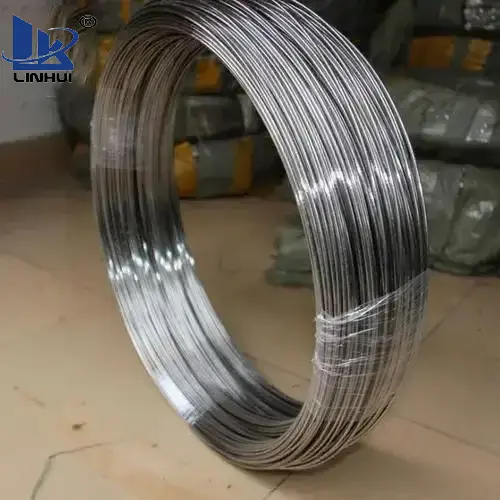
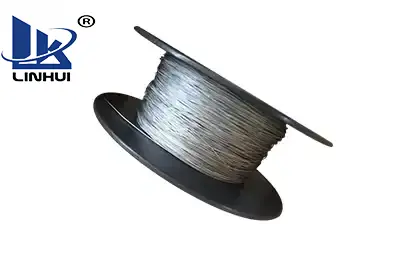
Wire is wound on plastic or wooden spools with moisture-proof wrapping. Cartons are labeled with heat number and specification for easy identification.
Export packaging meets ISPM-15 standards. We arrange sea freight, air express, or multimodal transport based on your delivery timeline and budget requirements.
FAQ
Q: Can GR2 titanium wire be welded to stainless steel?
A: Direct fusion welding creates brittle intermetallics (TiC, FeTi) leading to joint failure. Use mechanical fastening or explosion-bonded transition joints instead.
Q: Does GR2 require post-weld heat treatment?
A: Typically no. Material is supplied annealed and welded in that condition. Stress relief annealing may be specified for complex woven structures to prevent distortion.
Q: What surface finish is best for welding applications?
A: Polished or bright-peeled finish is mandatory for ERTi-2 filler wire. Oxide scale or lubricant residues cause porosity and contamination in your weld pool.
Q: Is this wire suitable for Wire Arc Additive Manufacturing (WAAM)?
A: Yes. Diameter tolerance control within ±0.02 mm and precision spool winding prevent feeder jams in your 3D printing systems.
Q: How does Oxygen content affect performance?
A: Gr2 contains 0.18–0.25% Oxygen, providing 20–30% higher tensile strength than Gr1. This makes it your preferred choice for load-bearing wire applications while maintaining excellent ductility.
Request a Quote
Ready to source high-performance GR2 titanium wire for your project? Contact our engineering team at linhui@lhtitanium.com with your specifications. Receive quotation within 4 hours and technical drawing review within 24 hours.