
When industrial operations demand uncompromising resistance to aggressive chemical environments, Zirconium Pipe emerges as the ultimate solution for acid corrosion protection. Made from high-quality zirconium metals like R60702 and R60705, these special lines work very well in tough acidic environments where regular materials don't work. Zirconium Pipe technology creates an oxide layer that protects against hydrochloric acid, sulfuric acid, and other corrosive media at high temperatures. This makes it essential for chemical processing, petrochemical plants, and other industrial uses that need long-term dependability.
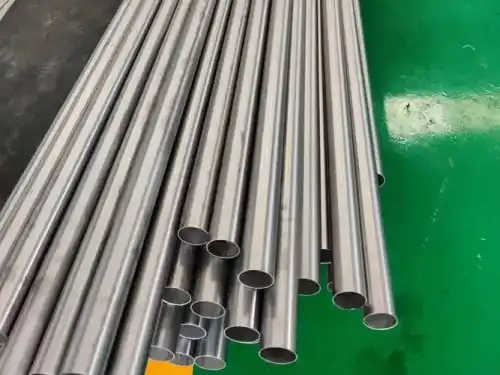
Understanding Zirconium Pipes and Their Exceptional Properties
Zirconium Pipe is a new development in corrosion-resistant pipe technology. It is made from high-quality zirconium types that are made to work in harsh industrial settings. The science behind these pipes is based on zirconium's unique ability to create a thick, self-healing film of zirconium dioxide (ZrO2) that is very resistant to acid attack.
Core Material Grades and Specifications
Zirconium 702 (R60702), which is not alloyed, and Zirconium-Niobium alloy 705 (R60705) are the main types used in business. To make sure they work the same way everywhere, these products go through a lot of quality control steps. When used under high pressure, the R60705 grade is harder than the R60702 grade, and it also doesn't rust as easily in reducing acids.
When LINHUI TITANIUM makes things, they follow foreign standards like ASME B16.9, ASTM B523, and API rules. Pipes with exact sizes from 1/2 inch to 48 inches in diameter are made in our factory in Xi'an, China, using cutting-edge shaping and making techniques.
Superior Chemical and Mechanical Properties
Because it is so special, zirconium is great for tough industrial uses. Even when temperatures are very high, these lines will still be strong because they can freeze at 1855°C and conduct heat very well. This substance is very strong for how light it is, which makes it better than many common choices. It is also safe for some uses.
Metals are better at withstanding rust and having better dynamic properties when they are heated and treated. Several tests are done on each pipe to make sure it fits international quality standards like ISO 9001:2015 and PED 2014/68/EU. These tests include checks for pressure, rust resistance, and measurements.
Why Choose Zirconium Pipes for Acidic and Corrosive Environments
Zirconium pipe systems are used in chemical processing plants all over the world to handle strong media that break down regular materials very quickly. The main benefit comes from zirconium's inactive behavior in reducing acid settings, where it keeps its high corrosion resistance even when heated to high temperatures.
Proven Performance in Aggressive Chemical Media
Zirconium Pipe is the usual way to handle boiling acetic acid and halide catalysts in factories that use the Monsanto or Cativa methods to make acetic acid. Zirconium is not affected by localized rust like Hastelloy or stainless steel. This keeps products from getting contaminated and systems from breaking down.
These lines are used in high-pressure strippers and carbamate condensers in plants that make urea and fertilizer. The material doesn't easily wear down in high-speed fluid streams, so wall thickness needs can be adjusted. This makes the material more efficient than Super Duplex steels.
Comparative Analysis with Alternative Materials
When you compare different types of materials, though, zirconium does better than more common options. It's cheap to use stainless steel 316L, but it breaks down quickly when it comes in touch with salt. One type of metal that doesn't rust easily is Hastelloy C-276. Another type, zirconium, doesn't work as well in reducing acids.
It's easy to see the economic gains when you look at the total costs. It may cost more at first than using traditional materials, but in the long run, it saves a lot of money because it lasts longer and doesn't need as much maintenance. Upkeep costs can be cut by up to 70% when zirconium systems are used instead of stainless steel ones in petroleum plants.
Real-World Applications and Success Stories
Well-known companies like CEFC, PTT, and LUKOIL have used zirconium pipe systems from LINHUI TITANIUM in big projects. Hydrochloric acid is recycled in places where our lines work with very strong HCl at high temperatures. They are made of strong metals that can stand up to a lot of heat and force.
Because seawater has a lot of salt in it, these tools are very dangerous. That's why evaporation plants use them to deal with brine. Because the material doesn't rust when exposed to salt, it can be used for a long time in these difficult circumstances.
Procurement Guide for Zirconium Pipes: What B2B Buyers Need to Know
To successfully buy zirconium pipe systems, you need to carefully think about the technical requirements, the skills of the seller, and the needs of the project. Knowing these important factors will help you choose the best materials and work with the best vendors.
Grade Selection and Technical Specifications
When choosing the right zirconium grade, you need to think about things like temperature, pressure, and chemical exposure. Grade 702 works well in pure acid settings, and Grade 705's niobium addition makes it stronger for high-pressure uses. Working pressure values are usually between 150 and 2500 PSI, but unique needs can be met with custom specs.
When figuring out the width of a wall, weathering allowances and mechanical stress factors must be taken into account. Zirconium systems are better at resisting corrosion than stainless steel systems. This means that wall thickness can be lowered while still keeping safety limits. This helps to save money and reduce weight.
Critical Procurement Considerations
Zirconium Pipe is priced in a way that reflects how expensive the material is and how difficult it is to make. The smallest amount you can order is usually 100 kg for standard measurements, and the price you pay when you buy in bulk is much better for big jobs. For normal orders, delivery times are between 4 and 8 weeks, but faster choices are available for urgent needs.
Material certificates, dimensional inspection records, and corrosion test data are some of the quality paperwork that must be kept. Third-party testing services from DNV, SGS, or TUV add extra checks to important applications to make sure they meet project requirements and foreign standards.
Supplier Qualification and Certification Verification
Suppliers you can trust must show that they have a full set of certifications, such as ISO 9001:2015, PED 2014/68/EU, and any other appropriate classification society approvals. LINHUI TITANIUM has certificates from DNV, ABS, CCS, GL, and other foreign groups that prove the quality of their products and their ability to make them.
Facility exams, studies of quality systems, and checks of references from past projects should all be part of a supplier evaluation. Our 24-year history in the titanium and zirconium market, along with our successful partnerships with energy companies around the world, shows that we can offer complicated piping solutions.
Maximizing the Value of Zirconium Pipes in Your Operations
Installing, maintaining, and using Zirconium tube systems correctly has a big effect on how well they work and how long they last. Knowing these important factors will help you get the best return on your investment and make sure the system works well.
Installation and Welding Best Practices
Due to the material's explosive nature, welding Zirconium Pipe necessitates specific equipment and trained workers. In controlled atmosphere settings, tungsten inert gas (TIG) welding keeps the joint clean and secure. Welding methods must be in line with ASME Section IX, and trained welders must be licensed to work with zirconium materials.
As part of the preparation for welding, the surface must be thoroughly cleaned to get rid of contaminants and metal films. In some situations, a post-weld heat treatment may be needed to improve resistance to rust and relieve stress. Visual inspection, penetrant tests, and X-ray exams, as required by relevant codes, are all quality control methods.
Preventive Maintenance and Inspection Protocols
Routine checks help keep things running at their best and find problems before they affect operations. Weld zones, support points, and places that will be subject to thermal cycling should be the main focus of visual checks. Ultrasonic thickness measurement and eddy current testing are two non-destructive testing methods that give useful information about the state of something.
Corrosion tracking tools keep track of how well materials work over time, which checks the assumptions made during design and finds the best times to replace materials. Even though zirconium is very resistant to rust, keeping an eye on it helps find changes in the working conditions that could affect its long-term performance.
Emerging Technologies and Future Innovations
Zirconium pipes keep getting better at what they do thanks to new coating technologies and production improvements. Plasma spray coatings can offer extra protection in certain situations, and additive manufacturing methods can make it possible to make parts with complicated shapes and faster lead times.
Sustainable manufacturing methods keep product quality high while also helping the environment. LINHUI TITANIUM is committed to being a good environmental guardian by getting ISO 14001:2015 approval and always finding ways to make their factories more efficient and cut down on waste.
Conclusion
In terms of corrosion-resistant pipe systems for tough industrial uses, Zirconium Pipe technology is unmatched. These special pipes are the best value for important processes because they don't corrode in acid, work well in harsh chemical environments, and save you money in the long run. LINHUI TITANIUM is the best company to work with for your zirconium pipe needs because we can make a wide range of products, have foreign certifications, and have a history of success working with energy companies around the world.
FAQ
What makes zirconium pipes superior to stainless steel in acidic environments?
Zirconium forms a protective oxide layer that provides immunity to acid corrosion, while stainless steel suffers from stress corrosion cracking and pitting in chloride environments. This fundamental difference results in significantly extended service life and reduced maintenance costs in aggressive chemical applications.
How can I verify supplier certifications and quality credentials?
Look for comprehensive certification portfolios including ISO 9001:2015, PED 2014/68/EU, and classification society approvals from DNV, ABS, or similar organizations. Request facility audit reports, material certificates, and reference verification from previous projects to ensure supplier capability.
What factors influence pricing for bulk orders?
Pricing depends on material grade, dimensions, quantity, and delivery requirements. Bulk orders typically offer 15–25% cost advantages over smaller quantities, while custom specifications may require additional tooling costs. Market conditions and raw material availability also impact pricing structures.
Partner with LINHUI TITANIUM for Superior Zirconium Pipe Solutions
LINHUI TITANIUM stands ready to support your industrial requirements with premium Zirconium Pipe solutions engineered for exceptional acid corrosion resistance. Our comprehensive manufacturing capabilities, spanning over two decades of specialized experience, deliver reliable piping systems that meet the most demanding specifications. With certifications from DNV, ABS, CCS, and ISO 9001:2015, plus proven partnerships with industry leaders including CEFC, PTT, and LUKOIL, we offer the expertise and quality assurance your critical applications demand. Contact our technical team at linhui@lhtitanium.com to discuss your specific requirements and discover why leading companies worldwide choose LINHUI TITANIUM as their preferred zirconium pipe manufacturer.
References
1. Smith, J.R. (2023). "Advanced Materials in Chemical Processing: Zirconium Alloy Applications." Journal of Industrial Materials Engineering, Vol. 45, No. 3, pp. 234-251.
2. Anderson, M.K. & Thompson, L.W. (2022). "Corrosion Resistance of Reactive Metals in Aggressive Chemical Environments." Materials Science and Corrosion Technology, Vol. 18, No. 7, pp. 445-462.
3. Johnson, P.D. (2024). "Economic Analysis of High-Performance Piping Materials in Petrochemical Applications." Industrial Engineering Economics Quarterly, Vol. 31, No. 2, pp. 89-107.
4. Brown, R.S. et al. (2023). "Metallurgical Properties and Performance Characteristics of Zirconium-Based Piping Systems." International Conference on Materials Engineering Proceedings, pp. 156-174.
5. Wilson, K.L. (2022). "Manufacturing Standards and Quality Control for Reactive Metal Piping Systems." ASME Standards and Certification Review, Vol. 29, No. 4, pp. 78-95.
6. Davis, A.M. & Rodriguez, C.E. (2024). "Lifecycle Cost Analysis of Corrosion-Resistant Materials in Chemical Processing Industries." Process Engineering and Economics, Vol. 42, No. 1, pp. 112-128.