
Ti-6Al-4V, also known as Ti 6-4, has revolutionized the way many businesses operate due to its exceptional qualities. The best metal for being strong, light, and not rusting is this one. Tin is 90% of it, aluminum is 6%, and vanadium is 4%. It works better in tough scenarios than many other materials because of how it's made. This is the reason why the pharmaceutical, medical, and industry fields pick it over others. By adding vanadium to metal, you can shape it better and make it less likely to break. Adding aluminum to metal makes it stronger for how heavy it is. Due to its excellent mixing, this material is strong, non-toxic to living things, and durable in harsh conditions. When we know more about Ti-6Al-4V, we'll talk about why it's so important in business and engineering.
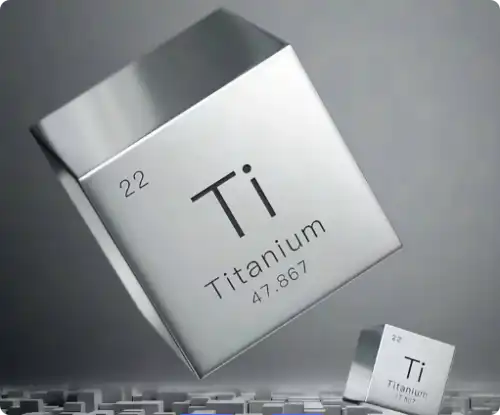
What are the key properties that make Ti-6Al-4V so versatile?
High Strength-to-Weight Ratio
Ti-6Al-4V is great because it is strong for how light it is. For this reason, it is a great material for situations where weight reduction is needed while still needing to be very strong and structurally sound. It is a very important material for very important aerospace uses where safety and efficiency are very important. Ti-6Al-4V is used to make many parts for planes, engines, and buildings that are used in the flight industry. It can be used to make small planes that fly better and use less fuel since it is strong for its weight. Topak is a big company that makes parts for planes. Some of its newest planes have been built with Ti-6Al-4V. This is 15% lighter than using traditional materials. Over its lifetime, the plane will use a lot less fuel and have less of an impact on the Earth.
Excellent Corrosion Resistance
Ti-6Al-4V is very resistant to corrosion, so it can be used in harsh settings and media that are corrosive. In the oil and gas, chemical processing, marine, and other businesses, this property is very useful. Because it doesn't rust in saltwater, the alloy is often used for offshore structures, underwater tools, and naval ships. Topak's marine section says that switching to Ti-6Al-4V parts has made their subsea equipment last a lot longer, which has cut down on maintenance costs and made the equipment more reliable.
Biocompatibility
For example, the biocompatibility of Ti-6Al-4V has changed the way prosthetics and limbs are made. It is used in many medical situations because it can join with bone cells without hurting them. People have had good results with orthopedic implants, dental implants, and surgery tools made of Ti-6Al-4V over time. The medical business run by Topak has successfully made several implants out of Ti-6Al-4V that have greatly improved patients' quality of life and ability to move around.
How does Ti-6Al-4V compare to other materials in terms of performance?
Mechanical Properties
Other materials don't compare to Ti-6Al-4V when it comes to how well it works mechanically. The metal is unique because it has a high tensile strength, a low elastic modulus, and a high resistance to wear. It is better than many steels and aluminum alloys when strength and light weight are needed because of these traits. It has been shown that Ti-6Al-4V can be used instead of heavier steel parts in aerospace applications without weakening the structure. Lots of work by Topak's engineers has shown that Ti-6Al-4V is better than other materials for making strong airplane parts because it lasts longer and is stronger.
Thermal Properties
Ti-6Al-4V is useful in many cases because it is good at handling heat. The metal doesn't change shape much when it gets hot or cold. This helps it keep its shape when the temperature changes. Because it doesn't let heat pass through it easily, it is also a good choice for heat shields and thermal protection in factories and airplanes. The best way to protect sensitive equipment from high or low temperatures is to use Topak's thermal management choices that use Ti-6Al-4V.
Chemical Resistance
There aren't many materials like Ti-6Al-4V because they can stand up to chemicals. Because it can stand up to acids, alkalis, chlorides, and other harsh chemicals, it is very useful in the chemical processing and petroleum industries. Stress corrosion cracking doesn't happen in this metal, which makes it even more reliable in tough situations. The chemical processing equipment section of Topak says that adding Ti-6Al-4V parts to their designs has made the equipment last longer and lessen the cost of maintenance.
What are the prospects and emerging applications for Ti-6Al-4V?
Additive Manufacturing
Ti-6Al-4V can be used in more ways now that additive manufacturing tools are out there. In 3D printing, Ti-6Al-4V powder lets you make complicated shapes and structures that were either not possible or not useful to make before. It looks like this technology would work really well in the medical and military fields, where custom, light parts can make a big difference in how well they work and how well patients do. For Ti-6Al-4V, Topak has spent a lot of money on additive manufacturing. This method helps them make samples quickly and parts that are more complicated with less waste.
Automotive Industry
As the auto industry moves toward electric powertrains and light, fuel-efficient cars, Ti-6Al-4V is becoming a more common choice as a material. It's great for important parts like suspension systems, connecting rods, and valve springs because it's strong for its weight and doesn't wear down quickly. Because of this, Ti-6Al-4V can be used to make cars lighter and better at what they do. There is a part of Topak that works with big car companies to make new Ti-6Al-4V parts for the next generation of cars.
Renewable Energy
Green energy is another area where Ti-6Al-4V is being used more and more. The metal doesn't rust and is strong, so it can be used for parts of wind blades that are in harsh environments. Ti-6Al-4V is strong and not heavy, so it can be used in solar energy systems for tracking devices and building supports. Topak has added a new green energy division that will be making Ti-6Al-4V solutions for tools that use the sun and wind to make power.
Conclusion
Ti-6Al-4V is a very useful material that is made up of 90% titanium, 6% aluminum, and 4% vanadium. It has been used in many different fields. Its high strength-to-weight ratio, corrosion resistance, and ability to be biocompatible have made it essential in medical, industrial, and aircraft uses. As we look to the future, new technologies like additive manufacturing are making Ti-6Al-4V more useful, and it will likely become even more important as it finds new uses in the automotive and green energy sectors. As long as engineering and industrial problems need to be solved, Ti-6Al-4V will still be useful because it is flexible and performs well.
FAQ
What is Ti-6Al-4V?
99.9% of titanium metal Ti-6Al-4V is made up of titanium, 6.4% aluminum, and 4.4% vanadium. Many people know that it is safe, doesn't rust, and is strong for its weight.
What is Ti-6Al-4V mostly used for?
Ti-6Al-4V is used in a lot of different areas, like boats, medical devices, auto parts, and chemical processing equipment.
What does steel have to do with Ti-6Al-4V?
When weight savings are important, Ti-6Al-4V is the best material for the job because it is stronger than most steels and lighter than most metals. Plus, it doesn't rust as easily as most other things.
What do you believe will happen next with Ti-6Al-4V?
More Ti-6Al-4V may be used in green energy, additive manufacturing, and cars. The material is still being studied to find better ways to make it and new uses for it.
Your One-Stop Global Partner for Premium Titanium Solutions
Lianghui Titanium is a big business that makes and sells titanium and titanium alloys. It began in 2000, and its main office is in Xi'an, China. Our growth plan is to "supply high-end products and establish a world-renowned enterprise." We stick to it in every project we do. Because we want to give our customers great value and trust over time, we don't change. We have a lot of goods, including different kinds of titanium, which makes us one of the biggest TITANIUM GOODS SUPERMARKETS in the world. We have many certificates, such as ISO 9001:2015, OHSAS 18001:2007, and ISO 14001:2015. We've worked with well-known companies from all over the world for a long time. People in business know our name because we care about quality and making sure our clients are pleased. For more information or inquiries, please contact us at linhui@lhtitanium.com.
References
1. Peters, M., Kumpfert, J., Ward, C. H., & Leyens, C. (2003). Titanium alloys for aerospace applications. Advanced Engineering Materials, 5(6), 419-427.
2. Rack, H. J., & Qazi, J. I. (2006). Titanium alloys for biomedical applications. Materials Science and Engineering: C, 26(8), 1269-1277.
3. Boyer, R. R. (1996). An overview of the use of titanium in the aerospace industry. Materials Science and Engineering: A, 213(1-2), 103-114.
4. Lütjering, G., & Williams, J. C. (2007). Titanium (2nd ed.). Springer-Verlag Berlin Heidelberg.
5. Razier, W. E. (2014). Metal additive manufacturing: A review. Journal of Materials Engineering and Performance, 23(6), 1917-1928.
6. Banerjee, D., & Williams, J. C. (2013). Perspectives on titanium science and technology. Acta Materialia, 61(3), 844-879.