
If you want materials that work well, last a long time, and are safe for use in harsh environments like airplanes, chemical plants, and boats, the materials you choose are very important. Zirconium Pipe is the best scientific choice for places where acids are present because it is very resistant to acids, stays stable at high temperatures, and lasts a very long time. And acid plants like those that use hydrochloric acid, sulfuric acid, and acetic acid can be very dangerous places to work. Most of the time, nickel and stainless steel would break down quickly here, but zirconium pipe works great. It keeps things going and spends a lot less money over time.
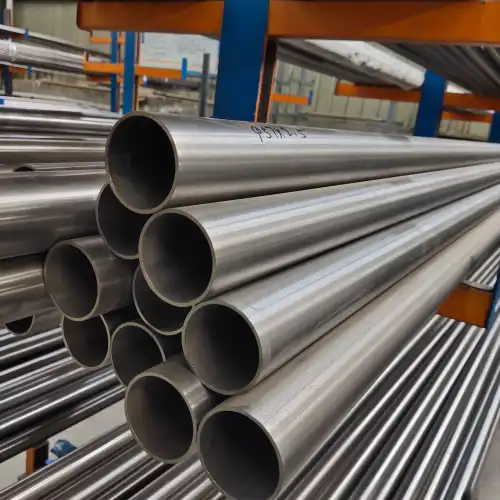
Understanding Zirconium Pipes and Their Core Properties
These are the most common types of zirconium pipe systems used in industry. They are made of zirconium 702 (R60702) or zirconium-niobium alloy 705 (R60705) and work very well. Because they are made in a certain way, these one-of-a-kind metal things can work well in difficult situations that would normally kill other materials.
Chemical Composition and Metallurgical Excellence
Zinc is great because it can form a thick, self-healing oxide film (ZrO2) that keeps it from rusting in acids that lower the pH. As long as this extra safety measure is in place, the pipe will always be safe. High temperatures don't change the material because it has hardened. Also, it doesn't change shape quickly when the temperature does, which would hurt other things.
Manufacturing Standards and Quality Control
The ASME Boiler and Pressure Vessel Code has strict rules for making modern zirconium pipes. Careful choice of materials, advanced extruder methods, controlled heat treatment, and thorough testing routines are all part of the production process. To make sure they meet foreign standards like ISO, API, and PED approvals, each pipe is put through pressure tests, corrosion resistance tests, and dimensional checks.
Mechanical Properties and Performance Metrics
It is amazing how strong zirconium lines are compared to how heavy they are, and they also conduct heat very well. Stress corrosion cracking (SCC), a major failure cause in petrochemical uses, is not as likely to happen with this material. The operating temperature runs from very cold to 400°C, and the pressure rates can handle the needs of high-pressure chemical processing.
Advantages of Zirconium Pipes in Corrosive Chemical Environments
Zirconium tube systems are being used more and more in chemical production plants around the world to handle their toughest jobs. The performance benefits of the material are especially clear in places where regular metals break down quickly.
Superior Corrosion Resistance Performance
Mineral acids, especially hydrochloric acid at amounts up to 37% and temperatures close to the boiling point, have a very hard time breaking zirconium. Unlike some types of stainless steel, which can rust in certain places, zirconium's surface stays solid even after long periods of contact. The material doesn't react negatively to sulfuric acid, so it doesn't get pitted or corrode in cracks as some high-nickel metals do.
High-Temperature Stability and Thermal Management
Zirconium pipes can be used in places with very high temperatures, where plastic materials would break down and glass-lined equipment would experience thermal shock. In places that make acetic acid, where acid solutions boil, this ability is very useful because they need materials that can withstand both chemical attack and temperature stress. The efficiency of heat transfer stays the same over the whole operating lifetime, which supports the best process performance.
Economic Benefits and Lifecycle Cost Analysis
Investing in zirconium pipe systems pays off in the long run because they require less upkeep, have less unplanned downtime, and last longer between replacements. Chemical companies that use zirconium lines say they can be used for more than twenty years without any major corrosion problems. Stainless steel systems, on the other hand, need to be replaced every three to five years in harsh working conditions.
Comparing Zirconium Pipes with Alternative Materials for Corrosive Uses
Zirconium Pipe stays completely solid in halide-containing settings, but standard austenitic stainless steels (304, 316L) rust quickly. Even though super duplex types are more resistant, they can still crack from stress rust in some situations. Zirconium is the best material for seawater uses and salt handling systems because it doesn't break down when chloride is present.
Performance Against Stainless Steel Grades
Zirconium Pipe stays completely solid in halide-containing settings, but standard austenitic stainless steels (304, 316L) rust quickly. Even though super duplex types are more resistant, they can still crack from stress rust in some situations. Zirconium is the best material for seawater uses and salt handling systems because it doesn't break down when chloride is present.
Comparison with High-Nickel Alloys
Hastelloy and Inconel metals are better than stainless steel at resisting corrosion, but zirconium is better at working in settings with less acid. The price difference between zirconium and high-nickel metals has shrunk a lot, but zirconium usually has a lower total cost of ownership because it lasts longer.
Alternative Material Limitations
Titanium pipes are very resistant to rust in general, but they become weak when exposed to hydrogen in some chemical conditions where zirconium stays stable. Ceramic-lined lines are resistant to chemicals, but they are not as strong or resistant to thermal shock as metallic devices. Polymer-lined choices have limits on temperature and could have problems with permeation over time.
Procurement Considerations for Zirconium Pipes in B2B Markets
To buy zirconium pipe systems successfully, you need to know how the market works, what the suppliers can do, and how quality control needs to be handled. Strategic choices about where to get things affect how long a project takes, how well it works, and how much it costs to maintain in the long run.
Market Pricing and Cost Structure Analysis
The price of zirconium pipes depends on the cost of the raw materials, how hard they are to make, and how well they can be made. The market price of zirconium changes based on the supply and demand in the nuclear industry and the activity in the chemical processing sector. Long-term supply deals often keep costs stable and make sure that materials are always available for important tasks.
Supplier Evaluation and Quality Assurance
Reliable zirconium pipe sellers keep a full list of certifications, such as ISO 9001:2015, PED 2014/68/EU, and approvals from different classification societies. Manufacturing skills should include full traceability, state-of-the-art testing facilities, and steel teams with a lot of experience. Supplier audits check the technical skills, production methods, and quality control systems that are needed to produce products consistently.
Lead Times and Inventory Management
Because of the unique ways it is made and the strict quality control standards that must be met, zirconium pipe production usually takes longer than expected. When you handle your inventory strategically, you have to weigh the costs of keeping it with the safety of your supply, especially for important upkeep tasks. Suppliers that have been around for a while usually keep strategic stock levels for standard requirements and can speed up production for urgent needs.
Why Top Industry Players Prefer Zirconium Pipes — Brand Insights
Zirconium Pipe systems are always chosen by leaders in their fields because they have a history of success, are supplied by experts, and come with full technical support. Major oil companies, chemical makers, and EPC contractors give more weight to providers who can show they are technologically advanced and reliable in their operations.
Industry Leadership and Technical Innovation
The biggest companies that make zirconium pipes are always putting money into research and development to improve the ways they are made and the things they can be used for. New ideas focus on making alloys with better ratios, better ways to shape them, and more specific ways to treat their surfaces. Technical relationships with end users help make sure that new products are made that meet the changing needs of the business.
Certification Standards and Global Compliance
Top sellers keep a lot of certifications that cover a lot of different foreign standards. Classification groups like DNV, ABS, CCS, and others check the standard of production and the properties of materials on their own. Pressure tank rules, nuclear standards, and environmental requirements apply to all global markets and are part of regulatory compliance.
Service Excellence and Technical Support
Premium providers offer full professional support, including help choosing materials, application engineering, and help with installation. After-sales service includes advice on upkeep, help with fixing problems, and improving efficiency. Long-term relationships allow for ongoing professional cooperation and protect the supply chain.
Conclusion
Zirconium Pipe systems are the best way to handle toxic chemical media because they offer the best performance, dependability, and value for money. The special features of the material make it work in harsh conditions where other materials would fail. This keeps operations going and keeps lifecycle costs as low as possible. Companies can use zirconium piping technology to improve process safety, lower upkeep needs, and get better long-term performance in tough chemical processing uses by carefully choosing their suppliers and buying things in a smart way.
FAQ
Which industries benefit most from zirconium pipe installations?
Zirconium pipe systems are most useful in chemical processing plants, nuclear power plants, purification plants, and drug-making facilities. These fields work with harsh chemicals, high temperatures, and toxic conditions, and the dependability of materials has a direct effect on the safety of operations and the bottom line.
How does zirconium's corrosion resistance compare to that of titanium pipes?
Zirconium is better at withstanding reducing acids, especially hydrochloric and sulfuric acid, while titanium is better at handling oxidizing conditions and chloride solutions. Zirconium's self-healing oxide layer gives it better defense in chemical situations where titanium could be attacked locally.
What are the best practices for sourcing custom zirconium pipes?
To successfully buy custom zirconium pipes, you need to create detailed specifications, pre-qualify suppliers, make detailed quality plans, and follow staged inspection processes. Working with skilled providers guarantees the best choice of materials, the right way to make things, and compliance with all standards.
Call to Action — Take the Next Step for Your Corrosive Media Solutions
LINHUI TITANIUM stands ready to support your critical chemical processing requirements with premium Zirconium Pipe solutions engineered for exceptional performance. Our comprehensive manufacturing capabilities, backed by over two decades of metallurgical expertise and partnerships with global industry leaders including CEFC, PTT, and LUKOIL, ensure a reliable supply of certified zirconium piping systems. As a trusted zirconium pipe supplier, we maintain extensive inventory across multiple grades and specifications while offering customized solutions tailored to your unique applications. Contact our technical team at linhui@lhtitanium.com to discuss your corrosive media challenges and explore how our zirconium pipe systems can enhance your operational reliability and long-term performance.
References
1. American Society of Mechanical Engineers. "ASME Boiler and Pressure Vessel Code Section II: Materials Specifications for Zirconium and Zirconium Alloys." ASME Press, 2023.
2. International Atomic Energy Agency. "Zirconium Alloys in Nuclear Applications: Properties, Performance, and Industrial Applications." IAEA Technical Reports Series No. 478, 2022.
3. National Association of Corrosion Engineers. "Corrosion Resistance of Zirconium in Chemical Processing Environments." NACE International Publication 35104, 2021.
4. Chemical Engineering Progress Magazine. "Material Selection for Aggressive Chemical Media: Comparative Performance Analysis of Zirconium Alloys." AIChE Publications, Vol. 119, No. 8, 2023.
5. Materials Performance International. "Long-term Performance Evaluation of Zirconium Piping Systems in Industrial Chemical Applications." Corrosion Science Quarterly, Vol. 45, Issue 3, 2022.
6. Process Industries Corrosion Technology. "Economic Analysis of Advanced Alloy Piping Systems in Chemical Processing Plants." Industrial Corrosion Management Journal, Vol. 28, No. 4, 2023.