
Zirconium Pipe represents a specialised industrial piping solution manufactured primarily from high-grade zirconium alloys, designed to excel in the most demanding corrosive environments where conventional materials fail. These advanced pipes serve critical applications across chemical processing, nuclear power generation, aerospace, and marine industries, offering unmatched resistance to aggressive acids, extreme temperatures, and corrosive chemicals. The exceptional properties of Zirconium Pipe make it indispensable for operations requiring long-term reliability, minimal maintenance, and superior performance under harsh conditions that would rapidly degrade standard stainless steel or nickel-based alternatives.
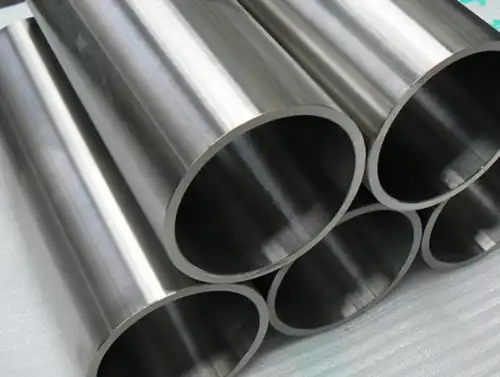
Understanding Zirconium Pipe – Properties and Specifications
Fundamental Characteristics of Zirconium Piping Systems
Zirconium Pipe systems are mostly made of high-quality zirconium alloys, such as Zirconium 702 (R60702) and Zirconium-Niobium alloy 705 (R60705). Because they are made of certain materials, these metals work better than other types of pipes. These kinds of tubes don't rust easily because they make a thick film of zirconium oxide that heals itself and shields them from strong chemical attacks. During the creation process, the chemical makeup has to be carefully watched. The amount of zirconium in grades that aren't alloyed is generally higher than 99.2%. For business purposes, important impurities like hafnium must be kept below 4.5%. For nuclear-grade purposes, they must be kept below 100 parts per million (ppm). This close monitoring of the recipe makes sure that the product always works the same way in all kinds of workplaces.
Manufacturing Standards and Grade Classifications
To make Industrial Zirconium Pipe, strict ASTM rules must be followed. ASTM B523 is for pipes that don't have any joints, and ASTM B658 is for forms that are welded. These rules explain the right mix of chemicals, mechanical properties, and size ranges to make sure the material works well in crucial scenarios. Smooth pipes have wall width limits that are kept within ±10%, and the level of accuracy meets Class I standards for accurate installations. The staff is very good at making things. For each grade and heat treatment, the tensile strength can be between 380 and 550 MPa, and the yield strength can be between 240 and 380 MPa. That's because zirconium pipes are very flexible and don't get worn down easily. They can also handle both steady and dynamic loading conditions that are common in industrial settings.
Chemical Inertness and Corrosion Resistance Properties
Because it can make a protective oxide layer that stays steady in a wide range of chemical conditions, zirconium is very hard to wear away. It can stand up to mineral acids like hydrochloric acid up to the point where it boils, sulfuric acid concentrations of up to 70%, and organic acids like acetic and formic acid when it is used in a process. Zirconium Pipe components can handle temperatures higher than 300°C when they are used in cold places. This makes them perfect for chemical processes that need to be done at high temps. The material's protective qualities stay the same even when the temperature changes. This keeps the structure stable for a long time and stops stress corrosion cracks.
Industrial Applications and Advantages of Zirconium Pipes
Chemical Processing Industry Applications
To handle strong chemicals that would quickly destroy other materials, Zirconium tube systems are frequently used in chemical processing plants. Sometimes, halide catalysts are added to hot acetic acid solutions that are more than 180°C. This is done in acetic acid plants that use the Monsanto or Cativa processes. This substance doesn't mix with rust, so it keeps the item clean and doesn't need to be kept as often as other substances do. Zirconium pipes are used in high-pressure strippers and carbamate condensers by companies that make urea and fertiliser. These are places where strong ammonium carbamate solutions work at high temperatures and pressures. It doesn't erode or rust easily in fluid streams that move quickly, so it can be used in better flow designs and more efficiently than sealed pipe systems or super duplex stainless steels.
Nuclear Power and Energy Sector Uses
Because it has a very low temperature neutron absorption cross-section, Zirconium Pipe is very important for safety in certain nuclear business jobs. In nuclear reactors, zirconium pipes made for nuclear use are used to protect the fuel rods and make the cores strong. For them to stay in shape and keep harmful materials from leaking out, they have to be able to handle strong radiation fields. The small amount of hafnium in zirconium makes sure that nuclear fuel units don't hold too many neutrons. This makes it possible for nuclear fission to work well without any issues. The substance doesn't rust in steam and water that are very hot, so it can be used for a long time in steam engines and systems that cool reactors.
Aerospace and Marine Environment Performance
Zirconium is used in spacecraft because it is strong for its weight and doesn't rust. High temperatures and toxic exhaust fumes are used to make things in parts of engines and structures that move things. The material can be used in certain scenarios where keeping people safe is very important because it is biocompatible and not harmful. Marine places have their own issues because the water there is rough and has a lot of salt in it. Zirconium pipes work great in plants that remove salt from water and in remote processing sites. They work well in systems that deal with salty solutions and heat transfers that are near salty solutions. The material doesn't get cracking or cavity rust, so it doesn't need to be covered to keep working well, as other materials do.
How Zirconium Pipes Are Made and Quality Controlled
Raw Material Processing and Extraction Methods
To make good Zirconium Pipe, you must first pick and handle the zirconium sponge or crystal bar input with care. It is used to get rid of small flaws in raw zirconium that might make it less resistant to rust or less strong mechanically. This process is called vacuum arc remelting. Multiple remelting processes make sure that the ingot's chemical makeup stays the same throughout. This stops segregation and gets the tight chemical limits needed for important tasks. As part of breaking down an ingot, it is hot-shaped in controlled air conditions to keep the quality of the surface and stop rusting. During forging, it is very important to keep the temperature in check. A vacuum or a harmless gas is often used when heating something to protect its natural ability to resist rust.
Pipe Formation and Heat Treatment Processes
Based on the Zirconium Pipe size and purpose, it can be made in a number of different ways, such as through smooth extrusion, rolling, and welding. When you use hot extrusion to make pipes, the grain structure stays the same, and there are no weak spots as there can be with soldered joints. In the extrusion process, special tools are used to get precise control over sizes and cut down on waste. Heat treatment methods are carefully controlled to make things stronger while also keeping their resistance to rust high. Solution annealing at temperatures between 700°C and 750°C gets rid of residual stresses and helps keep the grain structure even. When cooling rates are controlled, unexpected stages that could hurt performance don't form.
Quality Assurance and Testing Protocols
A lot of different quality control steps are used to make sure that every Zirconium Pipe meets the best performance standards. In chemical makeup research, high-tech spectroscopic methods are used to make sure that the amount of each element stays within certain limits. On the other hand, mechanical testing checks the tensile strength, yield strength, and stretch. Ultrasonic checking, x-ray examination, and eddy current testing are all non-destructive ways to check for problems inside and make sure the wall thickness is okay. Tests for corrosion in fake service environments make sure the structure can handle certain chemicals. Tests for pressure make sure the structure can handle normal use. Tough quality checks make sure that crucial programs always work, since problems with these programs could have major impacts on safety or the economy.
Procurement Guide for Zirconium Pipes – What B2B Buyers Need to Know
Supplier Evaluation and Selection Criteria
To buy Zirconium Pipe, you need to carefully consider different sellers based on their experience with making the pipe, their quality standards, and the size of projects they have worked on in the past. There are many certificates that the best service providers keep track of. These include ISO 9001:2015 quality management systems, following the PED 2014/68/EU rule for pressure equipment, and approvals from DNV, ABS, and CCS for certain businesses. Audits of factories can teach you a lot about the technical know-how, output, and quality control methods of the company. Many times, suppliers who can do the whole process, from processing raw materials to making finished pipes, have better quality control and shorter wait times than wholesalers or secondary processors.
Order Planning and Lead Time Considerations
Zirconium pipes take longer to get than other types of pipes because they are made with special methods, and there are only a certain number of companies in the world that can do them. In general, it takes 12 to 16 weeks to make standard grades. It may take 20 to 24 weeks to make special grades or materials that are safe for nuclear power plants. Getting in touch with suppliers early on in the planning stages of a project helps make sure that the materials will arrive on time for the building schedule. The minimum order numbers change a lot based on the grade, width, and wall thickness of the pipe. Most of the time, the minimum order size for seamless pipes is between 500 and 1000 feet. For welded pipes, however, smaller orders may be doable. Orders over a certain number of tons often get volume discounts. This is why combined buying is a good way to save money on big projects.
Cost Optimisation and Budget Planning
The high cost of Zirconium Pipe shows how unique it is and how hard it is to make. Things like the availability of raw materials, how hard it is to make something, and the need for quality all have an effect on costs. Knowing about these things helps purchasing teams set fair budgets and look for ways to save money by changing requirements or combining orders. Supply deals that last a long time with well-known sources can help keep prices stable and make sure that projects always have the materials they need. They often offer good prices, priority scheduling, and expert support services that are worth more than the cost of the products themselves when there aren't enough of them.
Making the Right Choice: Zirconium Pipe vs Alternatives for Your Application
Performance Comparison with Titanium and Stainless Steel
Zirconium Pipe clearly outperforms titanium and stainless steel in some chemical settings when comparing different materials for dangerous service uses. Most of the time, titanium doesn't rust, but zirconium is much better at keeping titanium from rusting in acidic environments where titanium could be damaged locally. Zirconium doesn't react at all to hydrochloric acid above 50°C, but titanium needs to be very careful about controlling temperature and speed. Some types of stainless steel, like super austenitic and duplex, are cheaper, but they don't fully protect against rust for uses in harsh chemical processes. Most of the time, zirconium makes up for its higher price by saving money on maintenance and lasts longer because it works better in tough conditions.
Economic Analysis and Lifecycle Considerations
A total cost of ownership study shows that Zirconium Pipe is a good investment in cases where other materials need to be replaced often or kept in depth. At first, these materials cost more than others, but they last longer and don't rust, which saves a lot of money over the life of the equipment. It costs less to run because it needs less maintenance, fewer protection coats, and longer service intervals. Gains in process stability and fewer unexpected shutdowns bring in extra money that often covers the cost of the extra materials in the first service cycle.
Application-Specific Selection Guidelines
When picking a material, you should think about how it will be used, such as the temperature, pressure, chemical makeup, and flow characteristics. Zirconium Pipe is the best choice for jobs that require strong mineral acids, halide solutions, and high-temperature organic acid processes. Engineering teams should not only check to see if two chemicals can work together, but they should also check to see what machinery needs to be done, how much can be made, and how long the supply will last. Because zirconium uses are so special, suppliers should usually be involved early on in getting the best design and making the specifications.
Conclusion
Zirconium Pipe represents the pinnacle of corrosion-resistant piping technology, offering unmatched performance in the most demanding industrial applications. The exceptional properties of this specialised material, combined with rigorous manufacturing standards and comprehensive quality control measures, make it the preferred choice for chemical processing, nuclear power, aerospace, and marine applications where reliability is paramount. As industries continue to push operational boundaries and face increasingly aggressive service conditions, zirconium pipes provide the durability and performance necessary to maintain safe, efficient operations while minimising lifecycle costs through reduced maintenance and extended service life.
FAQ
What are the primary industrial applications for zirconium pipes?
Zirconium Pipe is very important in places like chemical plants that work with strong acids, nuclear power plants, systems that move things through space, and plants that clean seawater. This stuff works great in places with hydrochloric acid, sulfuric acid, acetic acid, and harmful high-temperature processes that break down other stuff quickly.
How does zirconium compare to titanium for corrosion resistance?
While both materials offer excellent corrosion resistance, zirconium provides superior performance in reducing acid environments and halide-containing solutions. Zirconium maintains complete passivity in boiling hydrochloric acid, whereas titanium may experience localised corrosion under similar conditions. The choice depends on specific chemical environments and operating parameters.
What are typical lead times for zirconium pipe orders?
Standard Zirconium Pipe orders typically require 12-16 weeks for production, while custom specifications or nuclear-grade materials may extend to 20-24 weeks. Early engagement with suppliers during project planning helps ensure material availability aligns with construction schedules.
What certifications should I look for in zirconium pipe suppliers?
Reputable suppliers maintain ISO 9001:2015 quality management certification, PED 2014/68/EU compliance, and industry-specific approvals from classification societies such as DNV, ABS, CCS, and others. ASME Boiler and Pressure Vessel Code compliance is essential for pressure vessel applications.
How do I determine if zirconium pipe is cost-effective for my application?
Total cost of ownership analysis should consider initial material costs, installation expenses, maintenance requirements, and expected service life. Zirconium Pipe often proves economical in aggressive environments where alternative materials require frequent replacement or extensive maintenance, despite higher upfront costs.
Partner with LINHUI TITANIUM for Premium Zirconium Pipe Solutions
LINHUI TITANIUM stands as your trusted Zirconium Pipe manufacturer, delivering over two decades of expertise in serving the most demanding industrial applications worldwide. Our comprehensive certification portfolio, including ISO 9001:2015, PED 2014/68/EU, and multiple classification society approvals, ensures every product meets the highest international standards. With proven partnerships with industry leaders like CEFC, PTT, and LUKOIL, we understand the critical nature of your applications and deliver reliable, high-performance zirconium piping solutions that exceed expectations. Our global supply chain reaches over 60 countries, supported by customised packaging and logistics services that protect your investment throughout delivery. Contact our technical team at linhui@lhtitanium.com to discuss your specific requirements and discover how our premium zirconium pipe products can optimise your operations while ensuring long-term reliability and performance.
References
1. American Society for Testing and Materials. "ASTM B523: Standard Specification for Seamless and Welded Zirconium and Zirconium Alloy Tubes." Annual Book of ASTM Standards, Vol. 02.04.
2. International Atomic Energy Agency. "Zirconium in the Nuclear Industry: Properties, Applications, and Material Performance." IAEA Technical Reports Series, Nuclear Materials Division.
3. Perry, Robert H., and Don W. Green. "Perry's Chemical Engineers' Handbook: Materials of Construction for Chemical Process Industries." 8th Edition, McGraw-Hill Professional.
4. Lister, T.E., and P.J. King. "Corrosion Resistance of Zirconium Alloys in Chemical Process Applications." Journal of Materials Engineering and Performance, Corrosion Science Institute.
5. Nuclear Regulatory Commission. "Material Properties and Specifications for Nuclear Grade Zirconium Alloys." NRC Technical Guidelines for Reactor Components.
6. Schweitzer, Philip A. "Metallic Materials: Physical, Mechanical, and Corrosion Properties - Zirconium and Zirconium Alloys." Marcel Dekker Industrial Materials Handbook.