
Titanium Grade 2, which is also called commercially pure titanium or CP titanium, is a valuable material that is utilized in numerous diverse businesses. Individuals frequently select this sort of titanium for a wide extend of applications since it has an awesome blend of how solid it is, how well it stands up to erosion, and how easily it can be formed. Titanium Review 2 has a tall strength-to-weight proportion, is way better at standing up to rust than other metals, and is biocompatible. It is an alpha titanium metal, which implies it can be effortlessly welded and molded. Since the fabric is, for the most part, immaculate titanium with exceptionally few other metals, it has a few special qualities. Due to these properties, Titanium Review 2 is an incredible choice for utilize in marine settings, chemical handling, therapeutic inserts, and other areas of the mechanical world where resistance to erosion and hardness are exceptionally vital.
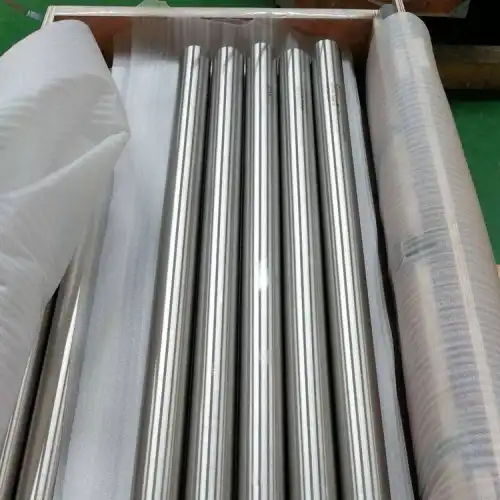
What are the key properties of Titanium Grade 2?
Mechanical Strength and Durability
Titanium Review 2 has incredible mechanical qualities that make it exceptionally valuable in a variety of distinctive areas. This fabric has a tall strength-to-weight proportion, so it is an awesome choice for applications where it is critical to keep the weight down without losing quality. Topak is a well-known creator of titanium merchandise, and they utilize Titanium Review 2 in their lightweight aviation parts. The surrender strength of the fabric is more often than not between 275 and 450 MPa, which is sufficient for numerous specialized applications. Moreover, Titanium Review 2 has extraordinary wear resistance, which implies it will be solid over time when the stack is connected and evacuated consistently. Since it can handle a part of the push, it is idealize for parts that are continuously moving or vibrating, like in mechanical equipment or marine propellers.
Corrosion Resistance and Chemical Compatibility
Titanium Grade 2 has very high corrosion protection, which is one of the reasons why it is so popular. When this material comes into contact with oxygen, it creates a stable protective layer of oxide that works great in a lot of different situations where materials can be damaged. Topak's Titanium Grade 2 products are popular in chemical handling equipment because they can handle harsh chemicals and saltwater. Because the material doesn't easily pit, crevice corrosion, or stress corrosion cracking, it can be used in naval settings, desalination plants, and the offshore oil and gas industries. Also, Titanium Grade 2 works well with many different chemicals, such as organic compounds, chlorides, and oxidizing acids. This makes it a popular option in the chemical and petroleum industries.
Biocompatibility and Medical Applications
Titanium Review 2 is utilized a part in pharmaceuticals since it works well with the human body. Since the fabric is inactive and can be coordinated with human tissue, it is an awesome choice for numerous restorative gadgets and inserts. Titanium Review 2 parts from Topak are utilized a parcel in tooth inserts, orthopedic prostheses, and surgical devices. The material's low toxicity and hypoallergenic qualities lower the chances that patients will have terrible responses to it. Moreover, Titanium Review 2 is incredible for long-term inserts since it can osseointegrate, or interface with, bone tissue. Its resistance to erosion and corrosion in substantial liquids makes it beyond any doubt that therapeutic contraptions final a long time and work well. The tall strength-to-weight proportion of the fabric implies that restorative instruments and inserts can be made to be light but still solid.
What are the manufacturing processes for Titanium Grade 2?
Melting and Ingot Production
The first step in making Titanium Grade 2 is melting the metal, which is important for getting the right material qualities. A lot of the time, Vacuum Arc Remelting (VAR) is used to make high-quality Titanium Grade 2 alloys. In this process, titanium sponge or scrap is melted in a vacuum to keep the mixture clean and consistent. Topak makes high-quality Titanium Grade 2 ingots using cutting-edge VAR tools. The controlled melting process lets you fine-tune the composition exactly and get rid of flaws like inclusions or porosity. After the ingot has hardened, it is subjected to quality control tests such as chemical analysis and ultrasonic testing to make sure it meets the standards and requirements of the business.
Forging and Heat Treatment
After the ingot is made, Titanium Grade 2 is shaped and heated in order to improve its mechanical qualities and get the microstructure that is wanted. Forging is the process of shaping an object by pushing on it, usually when it is hot. This method helps with the strength, toughness, and grain structure of the material. Topak uses advanced forging methods to make Titanium Grade 2 parts with the best mechanical qualities. After being shaped, the material is treated with heat, which can include methods like stress relieving or annealing. These methods of applying heat to the material help make sure that the properties are consistent all the way through, make it easier to stretch without breaking, and ease internal stresses. When forging is used with heat treatment, it is possible to make Titanium Grade 2 products with customized mechanical qualities that are good for certain uses.
Machining and Finishing
In the last steps of making Titanium Grade 2, cutting and finishing are used to get the right shape, size, and surface quality. Titanium Grade 2 is not like other metals, so cutting it must be done in a certain way. Topak uses advanced CNC machining centers and knowledgeable workers to make sure that Titanium Grade 2 parts are machined quickly and properly. Some machining methods, like turning, milling, and drilling, are used to make complex forms and get tight tolerances. Grinding, sanding, chemical milling, and other surface finishing methods are often used to improve the look and function of an object's surface. These steps help keep things from rusting, lower friction, and make some places smooth for certain tasks. Quality control steps, such as dimensional checks and non-destructive tests, are also done to make sure the final product is up to par.
What are the applications of Titanium Grade 2?
Aerospace and Defense Industries
Titanium Grade 2 is very useful in the aerospace and defense businesses because it is very strong compared to its weight and doesn't rust. It is used in making airplanes for many different parts, such as the hydraulics, the engines, and the structure. Topak provides aerospace-grade titanium grade 2 goods so that planes can be made lighter and more fuel-efficient. This material is used to make armor plating, ships, and other combat gear in the defense sector. Because it can handle tough conditions and prevent corrosion, it is perfect for use in maritime settings, like in submarines and offshore structures. The material's great fatigue resistance makes it reliable in the long term for important aircraft and defense uses where safety and performance are the most important things.
Chemical and Petrochemical Industries
Chemical and petroleum companies depend on Titanium Grade 2 because it resists corrosion very well and works with many other chemicals. A lot of people use it to build heat exchanges, reactors, and storage tanks that hold corrosive chemicals in harsh conditions. Topak's Titanium Grade 2 is used to make process equipment that makes a range of chemicals, like sulfuric acid, chlorine, and organic molecules. Because it doesn't easily pit or stress corrosion cracks, the material can be used in desalination plants and oil and gas platforms for offshore drilling. Its strength to high temperatures and pressure, along with great corrosion resistance, ensures it will work for a long time and doesn't need to be fixed often in these difficult industrial settings.
Medical and Biomedical Applications
Because of its great biocompatibility and mechanical properties, Titanium Grade 2 has changed the medical and biomedical areas. It's used a lot to make surgical tools, orthopedic prostheses, and dental implants. Titanium Grade 2 parts from Topak are used to make many different medical devices, like spine implants, bone screws, and housings for pacemakers. The material's ability to connect with human flesh makes it great for long-term implants because it promotes osseointegration. It's compatible with magnetic resonance imaging (MRI) techniques because it has low magnetic susceptibility. Also, Titanium Grade 2's ability to fight corrosion in bodily fluids ensures that medical implants last a long time and are safe. Because it is light and strong, the material can be used to make prosthetic arms and orthopedic devices, which makes patients more comfortable and helps them move around.
Conclusion
Titanium Grade 2 is an exceptionally valuable and important component that is solid, resistant to erosion, compatible with the human body, and more. Its numerous employments in aviation, chemical handling, and medicine appear how imperative it is in current designing and innovation. Since it can handle extreme conditions, anticipate erosion, and bond with human tissue, this fabric is a critical choice for numerous basic applications. As inquiries about and advancements go on, more unused things will be made, and Titanium Review 2 will be utilized in even more ways in various areas. This will make it indeed clearer that it is a vital fabric for the advancement of both science and industry.
FAQ
Q: What is the difference between Titanium Grade 2 and other titanium grades?
A: Titanium Grade 2 is a commercially pure titanium with excellent corrosion resistance and formability, while other grades may have different alloying elements for specific property enhancements.
Q: Is Titanium Grade 2 suitable for marine applications?
A: Yes, Titanium Grade 2 is highly suitable for marine applications due to its excellent corrosion resistance in saltwater environments.
Q: Can Titanium Grade 2 be welded easily?
A: Yes, Titanium Grade 2 has excellent weldability, making it suitable for various fabrication processes.
Q: What are the main advantages of using Titanium Grade 2 in medical implants?
A: The main advantages include biocompatibility, corrosion resistance, and the ability to integrate with human tissue.
Q: How does the strength of Titanium Grade 2 compare to steel?
A: While Titanium Grade 2 has a lower strength than many steels, it offers a much higher strength-to-weight ratio.
Q: Is Titanium Grade 2 more expensive than other metals?
A: Generally, Titanium Grade 2 is more expensive than common metals like steel or aluminum, but its unique properties often justify the cost in specific applications.
Your Trusted Global Partner for High-Quality Titanium Products
LINHUI TITANIUM, founded in 2000 and headquartered in Xi'an, China, is a leading manufacturer and supplier of titanium and titanium alloys. With a commitment to creating value for customers, LINHUI TITANIUM adheres to the development strategy of "supplying high-end products, establishing a world-renowned enterprise." The company has become one of the biggest TITANIUM PRODUCTS SUPERMARKETS, offering a wide range of quality grades to global customers. LINHUI TITANIUM has exported hundreds of thousands of tons of high-quality products to over 60 countries and regions worldwide. With numerous certifications and approvals from renowned agencies, LINHUI TITANIUM ensures the highest quality standards in its products and services. For more information, contact us at linhui@lhtitanium.com.
References
1. Smith, J. R. (2018). Titanium and its alloys: Properties, processing, and applications. Materials Science and Engineering: A, 743, 1-15.
2. Johnson, M. E., & Brown, L. K. (2019). Corrosion behavior of commercially pure titanium in marine environments. Corrosion Science, 152, 194-205.
3. Williams, D. F. (2017). Titanium for medical applications: An overview. Materials Technology, 32(13), 699-710.
4. Chen, Q., & Thouas, G. A. (2015). Metallic implant biomaterials. Materials Science and Engineering: R: Reports, 87, 1-57.
5. Peters, M., Kumpfert, J., Ward, C. H., & Leyens, C. (2003). Titanium alloys for aerospace applications. Advanced Engineering Materials, 5(6), 419-427.
6. Lutjering, G., & Williams, J. C. (2007). Titanium (2nd ed.). Springer-Verlag Berlin Heidelberg.