
Grade 2 titanium, which is also called completely pure (CP) titanium, is a useful material with great qualities that is used in many different fields. This titanium grade has the best mix of strength, resistance to rust, and ability to be shaped into different forms. This makes it useful for many different purposes. Grade 2 titanium is very good at not corroding when it is in saltwater, which makes it especially useful in marine settings. It also has great biocompatibility, which is why it is used a lot in medical products and implants. The material is further famous in the aerospace, chemical processing, and energy industries because it is low-density, has a high strength-to-weight ratio, and can handle very hot and cold temperatures. As we go deeper into the world of Grade 2 titanium, we will look at its specific qualities and uses, as well as why so many different fields have started to use it.
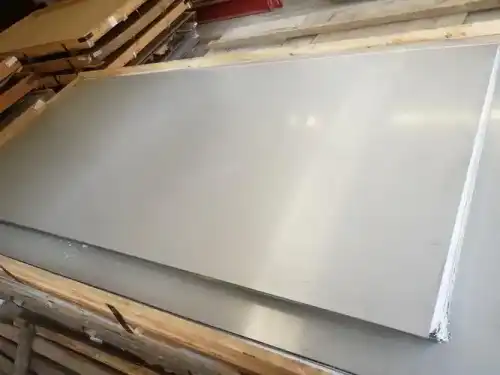
What are the key properties of Grade 2 titanium?
Corrosion Resistance
Review 2 titanium has the best assurance against erosion, particularly when utilized in or close to water. This characteristic is due to the reality that it shapes a steady, defensive layer of oxide on its surface when it comes into contact with oxygen. Since Review 2 titanium can form an oxide layer in the presence of oxygen, it is an awesome alternative for use in seawater and other places where metals can erode. This characteristic boundary ensures the metal underneath does not encourage oxidation and erosion. The fabric is indeed stronger and longer-lasting since it is safe from setting, hole erosion, and stretch erosion splitting. Topak is a well-known creator of titanium merchandise, and they utilize Review 2 titanium in their marine parts since it stands up to erosion way better. This gives their clients a longer benefit life and lower upkeep costs.
Mechanical Strength
Grade 2 titanium has a great mix of strength and ductility, even though it's not as strong as some other titanium alloys. It usually takes between 275 and 450 MPa of force to make it give, and between 345 and 550 MPa to make it break when being pulled. Because of this mix of strength and formability, it can be used in many different ways, from parts of a structure to heat exchanges. With a density of only 4.5 g/cm³, this material has a high strength-to-weight ratio, which makes it a good choice for aircraft and automotive uses where weight is very important. Topak's Grade 2 titanium goods are known for their consistent mechanical qualities, which make sure they work well in a lot of different situations.
Biocompatibility
Grade 2 titanium has very high biocompatibility, which is one of its most important features. The material can be used in medical devices and implants because it doesn't cause bad reactions when it connects with human flesh. Grade 2 titanium is a great material for orthopedic and dental implants and other medical tools because it is not harmful, doesn't break down in body fluids, and works well with bone and tissue. Since the material is non-magnetic, it can be safely used in MRI (magnetic resonance imaging) settings. Topak's medical-grade titanium parts are used a lot in healthcare to help patients get better and to help medical technology move forward.
How is Grade 2 titanium used in industrial applications?
Chemical Processing
Grade 2 titanium is used a lot in the chemical processing industries because it stands up well to many different chemicals and acidic settings. The material is very useful for making and working with chlorine, chlor-alkali, and other harsh chemicals. In these tough situations, Grade 2 titanium parts like heat exchanges, reactors, and storage tanks last longer and are cheaper to take care of. Because it can handle high temperatures and is resistant to stress corrosion cracking, the material is a good choice for petrochemical plants and factories. Topak's Grade 2 titanium products are used a lot in chemical processing plants. They help make these businesses more efficient and safer.
Marine Applications
Review 2 titanium is an incredible fabric for numerous maritime employments since it stands up to erosion so well. It is frequently utilized to make propellers, pumps, valves, and warm trades that are exposed to seawater. The fabric is safe to both set and hole rust, which makes it dependable in intense conditions over long periods of time. Review 2 titanium is utilized in plants that expel salt from water, oil and gas stations in the sea, and submerged ROVs (remotely operated vehicles). Its gentility and tall strength-to-weight proportion offer assistance to water crafts and ships perform superior and utilize less fuel. Review 2 titanium parts from Topak are utilized in the marine commerce since they are more durable, and clients do not have to take care of them as much.
Energy Sector
Grade 2 titanium is very important to a lot of different energy sector projects, especially in the power production and oil and gas industries. In power plants, it is used in parts of turbines, heat exchangers, and condensers because it resists rust and works well with heat. The material can handle high temperatures and pressures, so it is good for geothermal energy systems and nuclear power plants. Grade 2 titanium does a great job of resisting corrosion and providing strength. Because of this, it is used in downhole tools, wellhead parts, and subsea equipment in the oil and gas business. Topak's Grade 2 titanium goods are used a lot in the energy sector, helping to make power production and resource extraction more efficient and reliable.
What are the advantages of using Grade 2 titanium in aerospace applications?
Weight Reduction
Grade 2 titanium is great for aerospace uses because it is very light and doesn't affect the strength of the material it is used with. Grade 2 titanium has a mass of about 4.5 g/cm³. It is about 45% lighter than steel but just as strong. With this weight loss, planes and spaceships can use fuel more efficiently, carry more weight, and perform better overall. Grade 2 titanium is commonly used in the less important parts of an aircraft's structure, its hydraulic systems, and its exhaust system. Topak makes aerospace-grade titanium parts that help make planes lighter and more efficient. This helps manufacturers meet strict standards for fuel economy and emissions.
Temperature Resistance
Grade 2 titanium is great at resisting heat and cold; it stays strong and doesn't change shape over a wide range of temperatures. This feature makes it especially good for aircraft uses where parts have to deal with very high and very low temperatures. The substance can handle temperatures up to 427°C (800°F) without a big change in its mechanical properties, so it is perfect for engine parts, exhaust systems, and heat shields. The low thermal expansion coefficient of grade 2 titanium also helps aerospace objects keep their shape. Topak's Grade 2 titanium products are widely used in aerospace applications because they can handle temperature changes and ensure that the work is done right.
Fatigue Resistance
Another important benefit of Grade 2 titanium in aerospace use is that it can avoid fatigue. For parts that are under steady stress during flight, it is important that the material can handle repeated cyclic loading without breaking. Grade 2 titanium's great fatigue strength-to-density ratio makes it a good choice for airplane structural parts, landing gear parts, and fasteners. Its ability to prevent crack propagation makes it even safer and more reliable for use in aerospace systems. Topak's Grade 2 titanium goods are known for their great fatigue resistance. This helps aircraft and spacecraft parts last longer and stay safe.
Conclusion
Due to its one-of-a-kind blend of qualities, grade 2 titanium has become a critical material in numerous diverse areas. It is incredible at standing up to erosion, is strong enough to handle a part of weight, is secure to utilize around living tissue, and is great for everything from chemical handling and marine situations to therapeutic inserts and airplane parts. The fabric is exceptionally valuable in the aviation industry since it can reduce weight, survive exceptionally high and low temperatures, and withstand wear and tear. As businesses proceed to require materials that work way better and last longer, Review 2 titanium is still the best choice for engineers and creators who need tried and true, long-lasting fixes for troublesome issues.
FAQ
What is the difference between Grade 2 and Grade 5 titanium?
Grade 2 is commercially pure titanium, while Grade 5 is an alloy containing aluminum and vanadium. Grade 5 has higher strength but is more expensive.
Is Grade 2 titanium suitable for medical implants?
Yes, Grade 2 titanium is widely used in medical implants due to its excellent biocompatibility and corrosion resistance.
Can Grade 2 titanium be welded?
Yes, Grade 2 titanium can be welded using various methods, including TIG, MIG, and electron beam welding.
What is the melting point of Grade 2 titanium?
The melting point of Grade 2 titanium is approximately 1665°C (3029°F).
Is Grade 2 titanium magnetic?
No, Grade 2 titanium is not magnetic, which makes it suitable for use in MRI environments.
How does the cost of Grade 2 titanium compare to stainless steel?
Grade 2 titanium is generally more expensive than stainless steel, but its superior properties often justify the higher cost in specific applications.
Partner with LINHUI TITANIUM for Trusted Global Titanium Supply
LINHUI TITANIUM, founded in 2000 and headquartered in Xi'an, China, is a leading manufacturer and supplier of titanium and titanium alloys. With a commitment to creating value for customers, LINHUI TITANIUM adheres to the development strategy of "supplying high-end products, establishing a world-renowned enterprise." The company has become one of the biggest TITANIUM PRODUCTS SUPERMARKETS, offering a wide range of quality grades to customers worldwide. LINHUI TITANIUM's products have been exported to over 60 countries and regions, earning a reputation among renowned companies in various industries. With numerous certifications and approvals from third-party inspection agencies, LINHUI TITANIUM ensures the highest quality standards and customer satisfaction. For more information, contact us at linhui@lhtitanium.com.
References
1. ASTM International. (2020). "ASTM B265 - Standard Specification for Titanium and Titanium Alloy Strip, Sheet, and Plate."
2. Leyens, C., & Peters, M. (Eds.). (2003). "Titanium and Titanium Alloys: Fundamentals and Applications." John Wiley & Sons.
3. Donachie, M. J. (2000). "Titanium: A Technical Guide." ASM International.
4. Boyer, R., Welsch, G., & Collings, E. W. (1994). "Materials Properties Handbook: Titanium Alloys." ASM International.
5. Brunette, D. M., Tengvall, P., Textor, M., & Thomsen, P. (Eds.). (2001). "Titanium in Medicine: Material Science, Surface Science, Engineering, Biological Responses and Medical Applications." Springer.
6. Peters, M., Kumpfert, J., Ward, C. H., & Leyens, C. (2003). "Titanium Alloys for Aerospace Applications." Advanced Engineering Materials, 5(6), 419-427.