
Zirconium Seamless Tubes are a significant advancement in industrial pipe solutions because they are remarkably rust-resistant, maintain their structural integrity, and last a long time in difficult conditions. Modern methods of extrusion and cold pilgering are used to make these tubes without welds. The oxide layer around them keeps them safe from strong chemicals and high temperatures. Many areas, from nuclear energy to chemical processing, use these high-performance parts to keep things safe, cut down on maintenance costs, and make gear last longer. We make Zirconium Seamless Tubes that meet strict international standards here at LINHUI TITANIUM. All over the world, these tubes are used in a lot of different important business tasks.
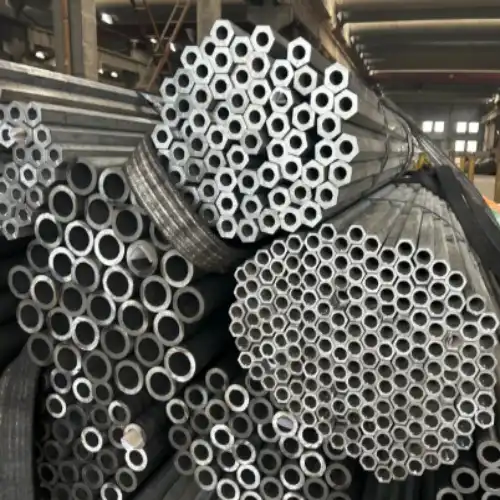
Understanding Zirconium Seamless Tubes: Properties and Specifications
Chemical Composition and Grade Classifications
Zirconium Seamless Tubes are manufactured from various primary grades. UNS R60702 is pure zirconium that is sold in the market, and UNS R60705 is a mixture of zirconium and niobium with 2% to 3% Nb. How well it works depends a lot on the chemicals that make it up. Like, Grade 702 doesn't rust easily, but Grade 705 can hold its shape better and has a tensile strength of over 550 MPa. One way to get the best flexibility and grain size is to carefully heat and cool the close-packed hexagonal crystal structure. The best grain size is usually ASTM Micro-Grain Size No. 7 or smaller. When metallurgy is done at this level of accuracy, the mechanical qualities of each batch of goods are the same. This is very important in fields where a broken part could cost a lot of money or put people in danger.
Manufacturing Standards and Quality Specifications
International rules are very strict about how to make Zirconium Seamless Tubes. Some of these are ASTM B523 and ASME SB-523, which have very strict rules about the tube's wall thickness, outside width, and surface finish. We use a controlled process to make things at LINHUI TITANIUM. First, we pick the right raw materials. Then, we hot extrude them at temperatures between 600°C and 800°C. Finally, we could pile them to get the finished size. Due to its uniform design, it does not have any heat-affected areas like welding does. This gets rid of any weak spots that could break mechanically or through rust. To make sure that the sizes of each batch of goods meet customer needs and international standards, precise measuring tools are used to check them. The system works consistently in serious situations where material flaws could have caused catastrophic system breakdowns because of the careful attention to quality that went into making it.
Top Advantages of Zirconium Seamless Tubes for Industrial Applications
Superior Corrosion Resistance Across Aggressive Media
If you put Zirconium Seamless Tubes in a place where other metals and stainless steel break down quickly, they will not rust as quickly. When 99% of the air is made up of acetic acid, and the temperature is above 200°C, zirconium tubes almost never dissolve. They last decades, while stainless steel tubes break after only a few months. The layer of Zirconium Seamless Tubes' protective oxide stays the same when reducing or oxidising. Along with hydrochloric acid, sulfuric acid, nitric acid, and other organic acids used in chemical processing, it can also handle them. Plus, it doesn't need pricey covers or linings because it is chemically stable. Fixing things doesn't have to be done as often, which saves money on downtime costs. When things get tough, other materials often fail in two ways: pitting and pocket rust. But zirconium doesn't do either of them. This makes it perfect for fields that work with media that have halides in them.
Enhanced Mechanical Integrity Under Pressure
Because of this, seamless construction is more stable than soldered tubes, especially when temperatures and pressure loads change. Welds that run across the surface of the metal don't leave any weak spots where stress can build up, and changes in the substructure can cause cracks to form. When the temperature goes from very cold to 400°C and the pressure goes up to 150 atmospheres, Zirconium Seamless Tubes keep their shape. They work great in urea synthesis strippers, which are tough places where highly acidic ammonium carbamate solutions are used, because they can handle both high strain and high temperature. Engineers can make systems that are safer while still being strong because the high strength-to-weight ratio lets them cut down on wall thickness. This makes the tools lighter and lessens the need for support structures. These technological advantages directly lower the system's start-up costs and make it more stable over time.
Extended Service Life and Reduced Total Cost of Ownership
Continuous Zirconium Seamless Tubes cost more than stainless steel ones at first, but they save a lot of money over the life of the equipment because they last longer. When used in chemical processing, Zirconium Seamless Tubes can last for 20 to 30 years without breaking down too much. However, corrosion-related problems mean that tubes need to be changed often, and plants have to shut down without notice. This makes the equipment last a lot longer, which saves money on maintaining it, buying new parts, and the time lost when equipment breaks down. Getting rid of the rust that makes the product dirty also keeps it pure for pharmaceutical and food-grade uses. This keeps expensive batch rejects and quality problems from happening. For tough industrial uses, Zirconium Seamless Tubes are always a better buy when you look at the total cost of ownership instead of just the purchase price. Purchasing managers are learning that picking products based on how well they work over time is better than picking products based on how much they cost at first.
Zirconium Seamless Tubes vs. Competitors: Making an Informed Choice
Performance Comparison with Stainless Steel
It is important to know the difference in performance between Zirconium Seamless Tubes and stainless steel types so that you can choose the right material for corrosive work. If you heat austenitic stainless steels like 316L above 150°C in organic acid conditions, like when you make acetic acid, the rust between the grains disappears very quickly. This is really true when halides are around. Under the same conditions, zirconium's weathering rates stay below 0.01 mm per year. This means that maintenance doesn't have to worry about material loss. The business is hurt in more ways than just the cost of replacing supplies. When stainless steel breaks, it lets iron into the process lines. This makes cleaning more expensive and could change the specs of the final product. Even though duplex Zirconium Seamless Tubes stainless steels are stronger, stress rust can still cause them to crack in places with salt. Zirconium, on the other hand, can't be damaged in any way. The performance difference is most clear when there is high temperature, high pressure, and acidic media all at the same time. This is because solutions made of stainless steel need to be built much larger in order to have service times that are reasonable.
Zirconium Versus Titanium in Harsh Environments
It is known that both zirconium and titanium don't rust, but titanium and zirconium behave very differently in some chemical environments. When there is oxidation or a chloride solution, titanium tubes work great. But when there is a strong reducing acid, like sulfuric or hydrochloric acid, they don't work as well. When the temperature drops, Zirconium Seamless Tubes work better than titanium tubes because they don't break down as quickly. Instead of titanium, zirconium is used only in the nuclear business because it absorbs neutrons much less quickly. If you add or treat the metal, you can't change this basic property. But titanium is stronger for its weight and generally costs less, so it is a better choice for uses in boats and planes where saving weight is more important than chemical protection. For sourcing professionals to choose the best material for their job, they need to look at the chemical risks, temperature ranges, and mechanical loading conditions. Remember that no object is perfect in every way.
Evaluating Supplier Credentials and Quality Assurance
When you can trust a company to give you Zirconium Seamless Tubes, you should carefully check their technical skills, quality control systems, and credentials in the field. Brands with a good name keep a lot of foreign certificates, like the PED 2014/68/EU for pressure equipment, the ASME code stamps for nuclear and petrochemical uses, and the approvals from DNV, ABS, Lloyd's Register, and Bureau Veritas for naval sites. These awards aren't just pieces of paper. They are independent checks of the ways the products are made, how they are checked for quality, and how they can be tracked. To make sure that sellers keep their promises, procurement managers should check the tracking of materials from the heat numbers of the raw materials to the identification numbers of the finished goods. So, if there are any quality problems during installation or service, they can be fixed right away. People can be even more sure that things meet certain standards before they are shipped when they are inspected by a third party, like TUV, SGS, or Moody's. We keep all the appropriate foreign certifications at LINHUI TITANIUM and allow third parties to check them. This shows that we are dedicated to being honest and providing high-quality security in all of our transactions.
Practical Buying Guide: Procuring Zirconium Seamless Tubes
Defining Technical Specifications and Requirements
Successful procurement begins with clearly defined technical specifications that communicate your exact requirements to potential suppliers. Beyond basic dimensions of outer diameter, wall thickness, and length, specifications should address material grade selection between R60702 and R60705 based on strength requirements and service conditions. Minimum yield strength, tensile strength, and extension rates are some of the mechanical property standards that make sure Zirconium Seamless Tubes are strong enough for high-pressure use but flexible enough to be formed. Different types of surface finishes, like mill finish or bright annealed, affect how well something doesn't rust and how easy it is to clean in clean rooms. It is very important to keep measurements within a certain range when tubes are connected to precision-machined parts like tube sheets or compression fittings. The seal may not work as well if there are even small differences. It's easier to get a price and make sure that the goods you receive meet all of your needs without having to make costly changes or send them back. This is because clear specs are given at the beginning.
Understanding Pricing Models and Negotiation Strategies
Prices for Zirconium Seamless Tubes are usually given per kilogram. The price depends on the grade of the material, the size needed, the quantity, and the market condition for zirconium sponge, which is what the tubes are made of. There are different sizes of Grade 702 tubes on the market right now, and the price varies from $150 to $250 per kilogram. For some reason, Grade 705 tubes cost 15 to 20 per cent more than other tubes. You can save a lot of money by buying in bulk. This is because setting up the business and buying goods in bulk costs less. Most of the time, orders over 500 kilograms save between 10 and 15 per cent. Supply deals that last a long time keep prices fixed and make sure that capacity is used when demand is high. This is very helpful for jobs that need a lot of supplies spread out over a long time. When you compare quotes, you shouldn't just look at ex-works prices. You should also look at the total landing cost, which includes insurance, packing, foreign shipping, and customs taxes. At LINHUI TITANIUM, we have clear pricing and work with clients to make orders that are both cost-effective and meet shipping goals set by the project.
Logistics Considerations and Lead Time Planning
Manufacturing lead times for Zirconium Seamless Tubes typically range from 8-12 weeks for standard specifications, with custom dimensions or large quantities requiring 12-16 weeks from order confirmation to shipment. These timelines reflect the complex manufacturing processes, including material procurement, hot working, cold pilgering, heat treatment, and comprehensive quality testing that cannot be compressed without compromising product quality. Procurement managers should integrate these lead times into project schedules early in the planning phase to avoid critical path delays. Going abroad may take an extra two to four weeks, depending on where it's going and how it's being sent. If you need something quickly, you can use air freight, but it costs a lot more. To make sure tubes don't get broken while being shipped internationally, they need to be properly packed and covered, with each one being packed and crated based on its size and weight. We keep a planned stock of popular sizes on hand so that we can meet customers' needs for fast delivery when normal wait times don't work for them. This shows that we care about our customers in more ways than just selling them things.
Ensuring Quality: How to Test and Verify Zirconium Seamless Tubes
Non-Destructive Testing Protocols
Zirconium Seamless Tubes are put through full non-destructive testing to make sure they meet quality standards without harming the material. Ultrasonic testing is the main way to look for flaws. It uses 100% longitudinal and transverse scanning to find flaws inside the material, such as laminations, inclusions, and holes that could become problematic when put under pressure. Modern ultrasound machines can find breaks as small as 0.5 mm. This means that tubes are sure to have no flaws in the way they were made that could weaken them. This type of checking looks at the surface and areas close to it for cracks, scratches, or gouges that could go through the metal layer and create spots where rusting can begin. Radiographic testing is used in important cases where full proof of internal soundness is needed. However, it is mostly used in nuclear and aircraft settings because it is more expensive. It is common for the largest allowed working pressure to be 1.5 times the tube's design running pressure. This is done during hydrostatic testing. Before they are put in, this makes sure that the tubes can hold the air. These two kinds of checking work together to make sure that the whole tube is of high quality.
Chemical and Mechanical Property Verification
Material certification must include a complete chemical analysis verifying that the elemental composition falls within the specified grade requirements for zirconium, niobium, hafnium, iron, and trace elements that influence corrosion resistance. Different types of spectroscopic analysis, like optical emission spectroscopy and X-ray fluorescence, make it simple to quickly and correctly figure out what a production lot is made of. A machine checks the yield strength, tensile strength, and elongation of sample pieces from each production batch to make sure they meet basic standards and are flexible enough for shaping. A flare test and a flattening test see how easily a material can be shaped. They also look for layers or separations that might not be seen in a regular stress test. A quick way Zirconium Seamless Tubes' to tell if something is good quality is to test its hardness. This is linked to how strong it is and how long it has been cold worked. When you look at the microstructure with optical microscopy, you can be sure that the grains are the right size, that the recrystallisation is complete, and that there are no damaging steps that could make the material less resistant to corrosion or less strong. Here at LINHUI TITANIUM, we keep full records of all the tests that were done on our materials, including all their chemical and mechanical properties. If customers or project codes ask for it, these records come with proof from a third-party lab.
Corrosion Testing and Service Life Prediction
Corrosion testing under simulated service conditions provides the most reliable indication of long-term performance in specific chemical environments. Immersion testing in representative process media at actual operating temperatures and concentrations measures corrosion rates and identifies potential failure modes, including general corrosion, pitting, crevice corrosion, or stress corrosion cracking. Testing durations typically extend from 168 hours to several months, depending on expected service severity and required confidence levels. Electrical tests like potentiodynamic polarisation and electrochemical impedance spectroscopy can quickly find out how steady and resistant to rust a film that is not being used is. If you want to use something important, you should do pilot testing with real process lines in the real world before going live on a big scale. If you want to fully understand test results, you should know that rust rates found in a lab may not always show how well something will work in real life. Things like changes in flow speed, temperature changes, and differences in contamination that happen in real processes are to blame for this. As a materials engineer with a lot of experience, you can compare lab results to real-world data to get a good idea of how long something will last. The estimates help with figuring out how much things will cost and making choices about repair plans.
Conclusion
It is best to use Zirconium Seamless Tubes when other materials don't work well in hard situations like high temperatures, high pressures, or toxic chemicals. Because they don't rust, are strong, and are built without seams, they last longer, need less maintenance, and work more effectively in nuclear energy, chemical processing, and other specialised industries. It's true that materials cost more up front than options, but lifetime economic analysis always shows that the total cost of ownership is cheaper because there are fewer failures, less downtime, and no product contamination. To get these benefits, you still need to pick a good provider that has all the right licenses, a history of producing high-quality work, and a commitment to quality control. Businesses all over the world want their tools to work better and last longer. Zirconium Seamless Tubes are a tried-and-true way to meet their needs.
FAQ
1. Which Industries Benefit Most from Zirconium Seamless Tubes?
Zirconium Seamless Tubes are essential in many sectors. They don't rust in hot water and are very clear to neutrons, so they are used to cover the fuel rods in nuclear power plants. Chemical plants use them to make drugs, urea, and acetic acid. These are all made with strong chemicals that wear down stainless steel fast. Seawater can protect against rust better than titanium in some cases. This is good for heat exchangers used in bases at sea and desalination plants.
2. What Certifications Should B2B Buyers Verify?
Certifications that are very important include ASTM B523/ASME SB-523 material compliance, PED 2014/68/EU for European pressure equipment, and approvals from DNV, ABS, and Lloyd's Register for use in the navy. For nuclear uses, you have to follow the ASME Section III nuclear code. Once you have ISO 9001:2015 quality management approval, you can use it to check the quality of your work. Inspection acceptance from a third party, like SGS, TUV, or Bureau Veritas, is proof that cannot be questioned.
3. How Do Seamless Tubes Compare to Welded Alternatives?
When you build something without joining the tubes together, there is no heat-affected zone. In other words, there are no weak spots or places where rust is more likely to happen. Along the whole tube, this keeps it from rusting and keeps its mechanical properties the same. If the load is changing quickly or under a lot of pressure, this is very important because welding holes could be where the failure starts.
Partner with LINHUI TITANIUM: Your Trusted Zirconium Seamless Tubes Manufacturer
We at LINHUI TITANIUM have been making Zirconium Seamless Tubes that meet or beat the strict requirements of the energy, chemical, and industry sectors around the world for more than 20 years. We have also earned many foreign awards in this area. High-tech quality control methods are used by our plant to make sure that every tube meets the standards before it is sent out. These include 100% non-destructive testing, full material tracking, and third-party review acceptance. As planned, we keep a lot of different types and sizes in stock. This lets us quickly ship to over 60 countries through our well-established shipping network. No matter what shapes or sizes your project needs, our expert team can help you pick the best materials for it. To talk about your needs, email us at linhui@lhtitanium.com and find out why top EPC contractors and global companies choose LINHUI TITANIUM as their first choice for mission-critical Zirconium Seamless Tubes.
References
1. American Society for Testing and Materials (2021). "ASTM B523-21: Standard Specification for Seamless and Welded Zirconium and Zirconium Alloy Tubes." ASTM International. West Conshohocken, PA.
2. Davis, J.R. (2000). "Corrosion of Zirconium and Zirconium Alloys." Pages 267–291 of the ASM Speciality Handbook: Nickel, Cobalt, and Their Alloys, put out by ASM International in Materials Park, OH.
3. The International Agency for Nuclear Energy (2015). "Zirconium in the Nuclear Industry: Proceedings of the 17th International Symposium." ASTM International. West Conshohocken, PA.
4. Louthan, M.R. and Sisson, R.D. (2009). "Corrosion Behaviour of Zirconium Alloys in Chemical Processing Applications." Materials Performance, Vol. 48, No. 6, pp. 52–58.
5. Rebak, R.B. (2018). "Selection of Corrosion-Resistant Materials for High-Temperature Chemical Processing." In Uhlig's Corrosion Handbook, 4th Edition, John Wiley & Sons, Hoboken, NJ, pp. 1247–1268.
6. Schweitzer, P.A. (2010). "Fundamentals of Metallic Corrosion in Fresh Water." In Fundamentals of Metallic Corrosion: Atmospheric and Media Corrosion of Metals, CRC Press, Boca Raton, FL, pp. 289–315.