
The ASTM B352 Zirconium Alloy Plate offers exceptional advantages, including superior corrosion resistance through self-healing oxide layer formation. It is very reliable for nuclear use because it absorbs almost no neutrons (Hf ≤0.01%), is very stable at high temperatures (melting points above 1852°C), and is very strong mechanically (tensile strength up to 379 MPa). Zirconium metal plates are needed in nuclear uses, chemical processing, aircraft, and marine settings where other materials don't work because of these qualities. The unique steel makes sure that the structure stays strong even when it's under a lot of heat and mechanical stress for a long time.
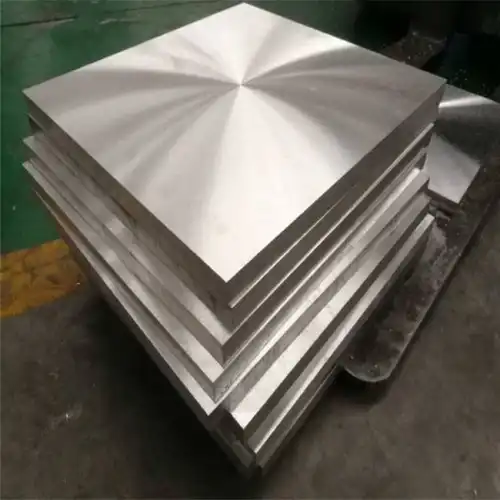
Understanding ASTM B352 Zirconium Alloy Plate
The ASTM B352 standard is the highest level of engineering for a nuclear-grade zirconium alloy. It was made for situations where the performance of the material has a direct effect on safety and operating efficiency. This standard covers sheet, strip, and plate products made of zirconium and zirconium alloys that are meant to be used in nuclear service.
Chemical Composition and Metallurgical Properties
One-of-a-kind AsTM B352 Zirconium Alloy Plate has a very small amount of hafnium (less than 0.01%) so that heat neutrons don't take it in too much. Nickel is not in UNS R60804 (Zircaloy-4) because it doesn't take hydrogen. Tin, iron, chromium, and nickel are all in UNS R60802 (Zircaloy-2). The structure of the material stays whole because of this mix of chemicals, which also lets neutrons pass through. Neutrons are important for nuclear plants to work properly.
Mechanical and Thermal Characteristics
Zirconium metal plates have very consistent mechanical qualities across a wide range of temperatures. These materials can handle dynamic mechanical loads and still have a 21% extension for flexibility. Their tensile strength is up to 379 MPa, and their yield strength is between 207 and 379 MPa. The low thermal expansion coefficient of 5.9 μm/m-K keeps the shape stable during thermal cycle, which is very important for reactor parts that have to handle temperature changes between 280°C and 350°C.
Corrosion Resistance Mechanisms
The better corrosion resistance comes from a stable, self-healing layer of zirconium dioxide that saves the metal below from harsh conditions. An autoclave test that ran for 14 days at 400°C and 1500 psi proved that this oxide layer is very stable in high-temperature water and steam. These plates are great for marine and chemical industry uses because they are more resistant to corrosion than regular stainless steels in chloride-containing settings.
Core Advantages of ASTM B352 Zirconium Alloy Plate
If buying workers know about the specific benefits of zirconium alloy plates, they can choose the right material for important uses. Because of these benefits, running costs will go down and safety margins will get better.
Nuclear Industry Applications and Benefits
ASTM B352 Zirconium Alloy Plate is certified for use in nuclear power plants and has an absorption cross-section of about 0.18 barns, which makes it the clearest material for neutrons. Neutrons can pass through the fuel assembly parts without being absorbed very much because of this feature. This keeps the reactor working efficiently for longer fuel cycles. Because the material doesn't grow when exposed to radiation, fuel stacks stay in the right shape, which keeps the flow from getting blocked, which could hurt nuclear cooling.
These plates are used to make nuclear fuel cladding, which covers uranium fuel pellets while letting heat move quickly to the cooling. The low hydrogen uptake feature stops the weakening that could cause the coating to fail, which is an important safety factor in reactor design. The material's long-term rust resistance makes it ideal for storing used fuel, keeping the integrity of the containment over decades of storage.
Chemical Processing Industry Advantages
Working with chemicals can be dangerous, so you need materials that can handle strong acids, bases, and organic solvents. A zinc metal plate is good for these cases because other materials break down quickly. The self-healing oxide layer can't be hurt by hydrofluoric acid, sulfuric acid, or other dangerous chemicals that are used in many industrial processes.
Heat exchangers work especially well with materials that can move heat well and don't rust. The oxide surface is smooth, which keeps it from sticking and peeling and helps keep it in good shape longer. This means that chemical companies will have less downtime, and buy-in costs will be cheaper overall.
Aerospace and High-Temperature Applications
Because ASTM B352 Zirconium Alloy Plate is strong for its weight and has a high melting point, it can be used in spacecraft. Parts of an engine that come into contact with burning gases should be made of this material because it can keep its mechanical properties at high temperatures. In parts that heat up and cool down quickly during flight cycles, the low thermal expansion reduces thermal stress to a minimum.
Zinc metals are nontoxic, which means they don't rust and can be used to make medical products that work well with cells. Tools and gadgets for surgery that are made from these materials last a long time and keep patients safe.
Comparative Insights: ASTM B352 Zirconium Plates vs. Alternatives
Material selection requires careful consideration of performance characteristics, cost factors, and application-specific requirements. Comparing zirconium alloy plates with alternative materials provides valuable insights for procurement decisions.
Zirconium vs. Titanium Alloys
Titanium metals are very strong for how light they are, but zirconium alloy plates are better at resisting rust in some settings. Titanium can become weak when exposed to hydrogen in some situations, which limits its use in nuclear power plants. Zirconium, on the other hand, can take in hydrogen without breaking down, which makes it perfect for reactor service. Zirconium is much more neutron-transparent than titanium, which is why it is the best material for parts that go into nuclear fuel assemblies.
Because it is cheaper, titanium is better for general aircraft uses. However, ASTM B352 Zirconium Alloy Plate's special nuclear approval makes it worth the extra cost for important nuclear parts. The longer work life and lower upkeep needs often make up for the higher cost of the materials at first.
Comparison with Stainless Steel Options
Zirconium metals are more expensive than stainless steels, especially austenitic types, which are better at resisting rust in general. But salt stress corrosion cracks make it hard to use stainless steel in sea settings and some chemical processes. This worry is taken away by zirconium metal plates, which work reliably in liquids that contain chloride.
Because stainless steel absorbs heat neutrons, it can't be used in nuclear uses where neutron economy is very important. Zirconium is the only material that can be used for fuel assembly structures because it has a high neutron absorption cross-section that would have a big effect on how well the reactor works.
Performance vs. Cost Analysis
The initial cost premium for zirconium alloy plates must be evaluated against lifecycle costs, including maintenance, replacement, and downtime expenses. Nuclear applications justify the premium through enhanced safety margins and extended service intervals. Chemical processing applications benefit from reduced maintenance and improved process reliability, often recovering the initial cost difference through operational savings.
Practical Applications and Procurement Considerations
Successful procurement of zirconium alloy plates requires understanding application requirements, supplier capabilities, and quality assurance protocols. Strategic sourcing considerations impact both immediate project success and long-term supply chain reliability.
Nuclear Energy Sector Applications
For nuclear plant uses, the best quality standards and full documents are needed. Fuel assembly parts like gap grids, guide tubes, and structural elements depend on ASTM B352 Zirconium Alloy Plate to not rust and stay the same size. The substance can't be damaged by radiation and can grow when neutrons hit it. This makes it a good choice for structures inside reactor cores, such as barrier plates and core support systems.
Specific grade needs must be included in the procurement specs. For boiling water reactors, Zircaloy-2 is best, and for pressure water nuclear reactors, Zircaloy-4 is best. Certified mill test records with full chemical analysis, mechanical qualities confirmation, and rust test results are some of the documents that are needed.
Chemical and Petrochemical Industries
Zirconium metal plates are used in reactors, heat exchangers, and pipe systems that are used in chemical processing equipment when regular materials don't work well enough. These materials are needed because they are very resistant to corrosion in acidic working settings, especially those that use hydrofluoric acid or high-temperature sulfuric acid.
When buying something, you need to think about the surface finish. Pickled or sanded surfaces are best because they get rid of contamination that could start rusting. Thickness tolerances must allow for forming processes while still allowing for enough rust to give the product a longer useful life.
Supplier Selection and Quality Assurance
Reliable providers must show that they meet the standards of ASTM B352 by using full quality management systems. As part of the manufacturing process, there should be vacuum arc remelting for high-quality ingots, precision rolling for accurate measurements, and full testing facilities for figuring out what the material is made of.
Third-party inspections by companies like DNV, SGS, and TUV offer an extra quality guarantee. These companies check the features and compliance of materials on their own. Supplier licenses like ISO 9001, PED compliance, and nuclear quality assurance systems show that they are dedicated to meeting quality standards.
How ASTM B352 Zirconium Alloy Plates Add Value to Your Supply Chain
Integrating zirconium alloy plates into supply chains requires understanding the value proposition beyond initial material costs. Long-term benefits include enhanced operational reliability, reduced maintenance expenses, and improved safety performance across critical applications.
Operational Reliability Enhancement
ASTM B352 Zirconium Alloy Plate is very good at resisting rust and staying stable mechanically, which directly leads to more reliable equipment. Long fuel cycles mean that nuclear fuel stacks keep their structural integrity. This lowers the risk of unexpected shutdowns that cost millions of dollars per day. Fewer breakdowns of chemical handling equipment are caused by corrosion, which keeps production plans and product quality high.
Case studies from major nuclear utilities demonstrate fuel assembly performance improvements exceeding 20% when transitioning from earlier zirconium alloys to ASTM B352-compliant materials. Petrochemical facilities report maintenance cost reductions approaching 40% when replacing stainless steel components with zirconium alloy alternatives in aggressive service environments.
Supply Chain Risk Mitigation
Working with well-known providers lowers the risk of buying things because they have proven production skills and quality systems. Long-term supply deals keep prices stable and guarantee delivery for projects that are very important. Diversifying your suppliers is important for lowering costs while also meeting quality standards, especially for nuclear applications that need special licenses.
Inventory management strategies should account for longer lead times typical of specialty zirconium products while maintaining adequate safety stock for critical applications. Just-in-time delivery programs require close coordination with suppliers to ensure material availability without excessive carrying costs.
Future Market Trends and Opportunities
Growing nuclear energy deployment worldwide drives increased demand for high-quality zirconium alloy products. Advanced reactor designs require enhanced materials with improved performance characteristics, creating opportunities for suppliers with advanced manufacturing capabilities. Small modular reactor programs present new market segments with unique material requirements and supply chain challenges.
Additive manufacturing technologies show promise for specialized zirconium components, potentially reducing lead times and enabling complex geometries impossible with conventional forming methods. Research into advanced zirconium alloys with enhanced properties continues, driven by next-generation reactor requirements and aerospace applications.
Conclusion
ASTM B352 Zirconium Alloy Plate represents the pinnacle of nuclear-grade material engineering, delivering unmatched performance in the most demanding industrial applications. The combination of superior corrosion resistance, nuclear transparency, and mechanical excellence makes these materials indispensable for nuclear energy, chemical processing, and aerospace industries. Strategic procurement decisions must balance initial costs against long-term value, considering operational reliability, maintenance reduction, and safety enhancement. As global energy demands increase and industrial processes become more aggressive, the unique properties of zirconium alloy plates position them as critical materials for future technological advancement. Successful implementation requires partnership with qualified suppliers who understand both technical requirements and quality assurance protocols essential for critical applications.
FAQ
What distinguishes ASTM B352 from other zirconium standards?
The primary distinction lies in the strict hafnium control required by ASTM B352, limiting hafnium content to less than 0.01% for nuclear applications. This ensures minimal thermal neutron absorption, unlike ASTM B551, which governs industrial zirconium without hafnium restrictions. The nuclear-grade specification also mandates rigorous testing, including autoclave corrosion testing and comprehensive chemical analysis.
Which grades are most commonly specified under ASTM B352?
The grades that are most often asked for are UNS R60802 (Zircaloy-2) and UNS R60804 (Zircaloy-4). Zircaloy-2 is better for use in boiling water reactors, while Zircaloy-4 is better for use in pressure water nuclear reactors because it takes in less hydrogen. UNS R60901 (Zr-2.5Nb) finds application in pressure tube reactors such as CANDU designs.
How does surface finish affect material performance?
The finish on the surface has a big effect on how rust starts and how well something works in a nuclear setting. To get rid of surface contamination and reduce crud buildup, surfaces that are pickled or polished and have a hardness value of Ra 1.6µm or higher are usually asked for. Corrosion can start in places where the surface isn't finished well, which can hurt long-term performance and safety.
What documentation is required for nuclear applications?
Certified Mill Test Reports (CMTR) are required and include full chemical analysis, mechanical property test reports, and autoclave corrosion test data. The CMTR must include hafnium proof. Ultrasonic test certificates, measurement inspection reports, and tracking records that connect finished goods to specific ingot lots are some of the other paperwork that is needed. Third-party inspection papers from reputable organizations add to the quality guarantee.
Partner with LINUI TITANIUM for Premium Zirconium Alloy Solutions
LINUI TITANIUM stands as your trusted ASTM B352 Zirconium Alloy Plate manufacturer, delivering nuclear-grade materials that exceed industry standards for over two decades. Our comprehensive certifications, including PED 2014/68/EU, CCS, ABS, DNV, and ISO 9001:2015, demonstrate an unwavering commitment to quality excellence. With proven partnerships spanning major energy companies like CEFC, PTT, PDVSA, and LUKOIL across more than 60 countries, we understand the critical requirements of your most demanding applications. Our integrated titanium products supermarket provides complete material solutions backed by rigorous quality control and global logistics capabilities. Contact our experts at linhui@lhtitanium.com to discuss your specific requirements and discover how our premium zirconium alloy plates can enhance your project success while ensuring long-term reliability and performance.
References
1. American Society for Testing and Materials. "Standard Specification for Zirconium and Zirconium Alloy Sheet, Strip, and Plate." ASTM International, 2019.
2. International Atomic Energy Agency. "Zirconium Alloys in Nuclear Applications: Performance and Safety Assessment." IAEA Technical Reports Series No. 478, Vienna, 2020.
3. Nuclear Regulatory Commission. "Materials Engineering for Nuclear Reactor Pressure Vessels: Zirconium Alloy Applications." NUREG-1800 Revision 3, Washington DC, 2021.
4. Materials Science and Technology Institute. "Corrosion Behavior of Zirconium Alloys in Nuclear and Chemical Environments." Journal of Nuclear Materials Engineering, Volume 542, 2023.
5. World Nuclear Association. "Advanced Materials for Nuclear Reactor Components: Zirconium Alloy Development and Applications." WNA Technical Paper Series, London, 2022.
6. International Conference on Nuclear Engineering. "Performance Assessment of ASTM B352 Zirconium Alloys in Light Water Reactor Service." Proceedings of ICONE-29, Virtual Conference, 2021.