
Titanium plates and sheets have revolutionised modern manufacturing across numerous industries, delivering unmatched performance where conventional materials fail. These titanium products serve critical roles in oil and gas processing, aerospace engineering, chemical production, maritime construction, and biomedical applications. Among the various titanium alloys available, the Ti-6AL-4V ELI titanium sheet is the best in material engineering, offering a great strength-to-weight ratio along with better purity and biocompatibility. This Extra Low Interstitial (ELI) variant maintains oxygen content below 0.13%, nitrogen under 0.05%, and carbon below 0.08%, resulting in superior fracture toughness and fatigue resistance compared to standard Grade 5 titanium. For procurement professionals and engineers sourcing materials for mission-critical applications, understanding the distinct properties and applications of titanium sheets becomes essential to project success and operational reliability.
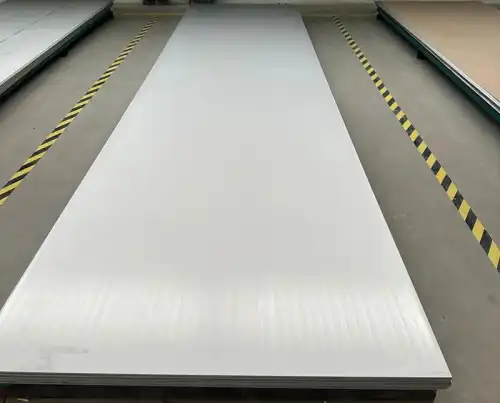
Understanding Ti-6AL-4V ELI Titanium Sheet Properties
The Ti-6AL-4V ELI titanium sheet represents a specialised alloy carefully engineered to meet the most demanding industrial requirements. Complying with ASTM F136 for biomedical applications and AMS 4905 for aerospace use, this material features a precisely controlled chemical composition where approximately 6% aluminium enhances strength and reduces weight, while 4% vanadium increases corrosion resistance and maintains elevated temperature stability.
Chemical Composition and Purity Standards
The Additional Moo Interstitial assignment recognises this combination through thorough control of pollution components. Whereas standard Review 5 titanium licenses oxygen levels up to 0.20%, the ELI variation limits this to a maximum of 0.13%. Essentially, press substance remains capped at 0.25% compared to 0.40% in routine amalgams. These diminished interstitial components straightforwardly contribute to making strides in ductility and break durability, especially beneath cyclic loading conditions. The virtue levels anticipate micro-void arrangement amid stretch introduction, a basic calculation in applications where fabric disappointment carries serious results.
Mechanical Performance Characteristics
This titanium alloy delivers ultimate tensile strength exceeding 860 MPa (125 ksi) while maintaining yield strength above 795 MPa (115 ksi). The elongation at break typically reaches beyond 10%, providing better formability than standard Grade 5 variants. The material exhibits a density of approximately 4.43 g/cm³, roughly 45% lighter than stainless steel, while delivering comparable strength. The modulus of elasticity measures around 113.8 GPa, a property particularly valuable in orthopaedic implants where matching bone stiffness reduces stress shielding effects.
Corrosion Resistance and Environmental Stability
Titanium sheets demonstrate exceptional resistance to aggressive chemical environments, including seawater, oxidising acids, and chloride solutions. The protective oxide layer that naturally forms on titanium surfaces regenerates spontaneously when damaged, providing self-healing corrosion protection. This characteristic proves invaluable in marine applications, chemical processing equipment, and offshore energy installations where material degradation directly impacts operational safety and maintenance costs. The alloy maintains structural integrity across temperature ranges from cryogenic conditions at -253°C (suitable for liquid hydrogen storage) to elevated temperatures approaching 400°C, making it adaptable to diverse operational environments.
Heat Treatment and Manufacturing Tolerances
We supply titanium sheets in tempered condition, carefully prepared to dispense with the fragile alpha case layer that shapes amid warm treatment. The Beta Transus temperature sits at roughly 975°C ± 15°C, setting up basic parameters for warm preparation. Advanced fabricating capabilities enable accuracy and resilience, achieving ±0.02 mm thickness precision, which is essential for aviation components and therapeutic gadgets where dimensional consistency affects assembly fit and functional performance. Different surface wraps up counting cleaned, glossy silk, and bead-blasted choices, accommodate various application necessities, with surface roughness achievable to Ra 0.4 μm for biomedical applications.
Key Applications of Titanium Plates and Sheets Across Industries
Ti-6AL-4V ELI Titanium Sheet, with the unique combination of properties found in titanium alloy sheets, has established itself as an indispensable material across multiple industrial sectors. Each application leverages specific characteristics that address particular engineering challenges, demonstrating why procurement decisions increasingly favour titanium despite higher initial material costs.
Biomedical and Surgical Applications
Medical-grade titanium sheets that meet ASTM F136 standards dominate the orthopaedic implant market. Specialists depend on these materials for cranial plates, bone obsession gadgets, spinal fusion systems, and joint replacement components. The biocompatibility anticipates antagonistic safe reactions, whereas the more versatile modulus closer to human bone diminishes push protection that can cause bone resorption around implants. Pacemaker lodgings, dental embed projections, and surgical instrument components benefit from the non-magnetic properties that guarantee MRI compatibility, permitting patients with titanium inserts to securely experience attractive reverberation imaging without gadget movement or picture artefacts. The material's capacity to osseointegrate—directly holding with bone tissue—accelerates recuperation and progresses long-term embed victory rates, leading to way better understanding results and decreased amendment surgery necessities.
Aerospace and Defense Systems
Aeroplane producers utilise titanium amalgam sheets broadly throughout airframe structures, motor components, and affixing frameworks. The tall strength-to-weight proportion empowers significant weight reduction compared to aluminium or steel choices, specifically moving forward fuel productivity and payload capacity. Fly motor producers indicate these materials for compressor edges, turbine circles, and debilitated framework components where operational temperatures and stress levels surpass the capabilities of routine alloys. Today, equipment and shuttle structures depend on titanium's execution soundness over extraordinary temperature variations experienced in orbital situations. Defence applications incorporate armour plating, rocket casings, and maritime vessel components where erosion resistance in saltwater situations combines with ballistic assurance necessities.
Chemical Processing and Energy Production
Chemical plants preparing destructive substances depend on titanium sheet creations for warm exchangers, pressure vessels, reaction chambers, and channelling frameworks. The material's insusceptibility to chloride stretch erosion splitting makes it superior to stainless steel in applications including seawater cooling, brine dealing, or chlorine generation. Seaward oil stages join titanium components in subsea hardware, riser frameworks, and weight lodgings where saltwater erosion would quickly degrade carbon steel choices. Control era offices, especially those utilising geothermal or atomic vitality sources, indicate titanium for condenser tubing and heat exchange gear working in forceful water chemistry conditions.
Marine and Shipbuilding Applications
Maritime designers progressively indicate titanium sheets for submarine body components, propeller shafts, seawater channelling frameworks, and deck hardware exposed to harsh marine situations. The material's resistance to biofouling diminishes upkeep requirements, whereas dispensing with the requirement for harmful anti-fouling coatings. Commercial shipping operations utilise titanium in balance tank coatings, cargo hold liners, and depleted framework components where expanded benefit life legitimises the initial investment. Dashing yacht builders use the weight reserve funds and quality characteristics to optimise body structures and fix components for competitive execution focal points.
Comparing Ti-6AL-4V ELI Titanium Sheet With Other Materials
Understanding the comparative advantages of titanium alloy sheets against alternative materials enables informed procurement decisions that balance performance requirements against budget constraints. The analysis must consider not only initial material costs but lifecycle expenses, including maintenance, replacement frequency, and operational efficiency impacts.
Ti-6AL-4V ELI Versus Standard Ti-6AL-4V Grade 5
Ti-6AL-4V ELI Titanium Sheet commands a premium price over standard Grade 5 titanium, typically 15–25% higher depending on market conditions and order volumes. This investment purchases measurably improved fracture toughness, particularly under cyclic loading conditions that cause fatigue failure in standard alloys. For medical implants and cryogenic applications, the enhanced ductility proves essential, as brittle fracture could result in catastrophic failure. Standard Grade 5 titanium offers adequate performance for many aerospace structural applications where the ultimate purity levels become less critical, making material selection dependent on specific application stress profiles and regulatory requirements.
Titanium Sheets Versus Stainless Steel Alloys
Comparing Grade 23 titanium against 316L stainless steel reveals significant performance differences despite similar initial strength values. Titanium delivers this strength at 56% of stainless steel's weight, enabling substantial mass reduction in weight-sensitive applications. Corrosion resistance in chloride environments strongly favours titanium, particularly in marine or chemical processing scenarios where stainless steel suffers from pitting and crevice corrosion. The initial material cost for titanium exceeds that of stainless steel by factors of 4-6x; yet lifecycle cost analysis frequently favours titanium when accounting for replacement intervals, downtime expenses, and maintenance requirements over 20-30-year operational periods.
Commercial Pure Titanium Versus Alloyed Variants
Commercially pure titanium grades (1-4) offer excellent corrosion resistance at a lower cost than alloyed variants, suitable for chemical processing equipment operating at moderate stress levels. However, these grades deliver tensile strength only reaching 480-650 MPa, which is insufficient for structural aerospace applications or load-bearing orthopaedic implants. The Ti-6AL-4V ELI titanium sheet provides strength improvements exceeding 30% while maintaining comparable corrosion resistance, justifying the cost premium where structural performance becomes paramount to application success.
Procurement Insights for Ti-6AL-4V ELI Titanium Sheets
Successful sourcing of titanium sheets requires careful supplier evaluation, clear specification of requirements, and understanding of market dynamics that influence pricing and availability. The procurement process benefits significantly from establishing relationships with manufacturers and from maintaining comprehensive certification programmes and quality management systems.
Supplier Qualification and Certification Requirements
We recommend procurement teams prioritise suppliers holding relevant international certifications that verify quality management systems and manufacturing capabilities. Essential certifications include ISO 9001:2015 for quality management, AS9100D for aerospace applications, and ISO 13485:2016 for medical device manufacturing. Suppliers should provide complete traceability documentation, including mill test reports containing chemical composition analysis, mechanical property test results, and heat number identification. Material certifications conforming to ASTM F136, EN ISO 5832-3, AMS 4905, and applicable NORSOK or DNV standards demonstrate suitability for regulated industries. Third-party inspection acceptance from agencies including DNV, Bureau Veritas, SGS, Lloyd's Register, and TÜV provides additional verification of manufacturing quality and material conformance.
Pricing Factors and Volume Considerations
Material pricing for Ti-6AL-4V ELI Titanium Sheet fluctuates based on raw material costs, order quantities, dimensional specifications, and surface finish requirements. Standard sheet thicknesses ranging from 0.5 mm to 6 mm typically maintain better availability and pricing compared to specialised dimensions requiring custom rolling. Minimum order quantities vary among suppliers, with larger manufacturers often requiring 500–1000 kg minimums while specialised suppliers may accommodate smaller quantities at premium pricing. Lead times extend from 8–12 weeks for standard specifications to 16–20 weeks for custom dimensions or specialised testing requirements. Volume commitments spanning multiple deliveries often secure preferential pricing, with discounts reaching 12–18% for annual agreements exceeding 5000 kg.
Customisation and Value-Added Services
Manufacturers offering integrated services, including precision cutting, surface treatment, and custom forming operations, provide significant value by reducing supply chain complexity. Water jet cutting capabilities enable complex geometries without introducing thermal stress or work hardening associated with mechanical cutting methods. Surface finishing options, including electropolishing, passivation, and specialised coatings, accommodate specific application requirements. Some suppliers maintain strategic inventory programmes allowing faster delivery for established customers with recurring requirements, mitigating the extended lead times typical in titanium procurement.
Why Ti-6AL-4V ELI Titanium Sheet is the Preferred Choice for B2B Buyers?
The growing adoption of extra-low interstitial titanium sheets across industrial sectors reflects measurable advantages that translate directly to operational performance and financial returns. Procurement decisions increasingly recognise that lower initial material costs often prove false economy when lifecycle expenses reveal the true cost of ownership.
Performance Reliability in Critical Applications
Equipment manufacturers serving oil and gas, chemical processing, and power generation sectors face stringent reliability requirements where unplanned downtime carries costs measured in millions of dollars daily. Components fabricated from titanium alloy sheets demonstrate service lives exceeding carbon steel or stainless steel alternatives by factors of 3-5x in corrosive environments. A major petrochemical facility reported that titanium heat exchanger tubes lasted 22 years, compared to 6-year replacement cycles for stainless steel tubes, which led to much lower maintenance costs and fewer production interruptions. The material's resistance to stress corrosion cracking eliminates catastrophic failure modes common in chloride-bearing environments, enhancing operational safety profiles.
Aerospace Weight Reduction Benefits
Aircraft manufacturers document that each kilogram of weight reduction in airframe structure generates fuel savings worth approximately $3,000 annually over typical commercial aircraft service lives of 25-30 years. Substituting titanium sheets for aluminium or steel components in appropriate applications achieves weight reductions of 20-40%, directly improving operational economics while meeting structural strength requirements. Engine manufacturers report similar benefits where titanium components enable higher operating temperatures and reduced cooling requirements, translating to improved thermal efficiency and reduced specific fuel consumption.
Medical Device Market Growth
The global orthopaedic implant market continues to expand at compound annual growth rates exceeding 5%, driven by ageing populations and advancing surgical techniques. Implant manufacturers universally specify ASTM F136-compliant materials for load-bearing applications, with no viable alternatives matching titanium's combination of biocompatibility, strength, and bone-integration characteristics. Regulatory approval pathways established for titanium devices provide manufacturers with clear routes to market, whereas alternative materials face extensive biocompatibility testing and clinical validation requirements.
Conclusion
Titanium plates and sheets, particularly the Ti-6AL-4V ELI titanium sheet, deliver unmatched performance across industries requiring superior strength, corrosion resistance, and biocompatibility. The extra-low interstitial composition ensures enhanced fracture toughness and fatigue resistance, critical for medical implants, aerospace structures, chemical processing equipment, and marine applications. While initial material costs exceed conventional alloys, lifecycle analysis consistently demonstrates favourable economics through extended service life, reduced maintenance, and improved operational efficiency. Successful procurement requires partnering with certified suppliers, maintaining comprehensive quality systems, complete traceability documentation, and value-added services that simplify supply chain management. As industries continue to demand higher performance standards and longer equipment service lives, titanium sheet adoption will expand beyond traditional applications into emerging sectors that recognise the material's superior capabilities.
FAQ
What distinguishes Ti-6AL-4V ELI from standard Grade 5 titanium?
The primary difference centres on interstitial element content. Extra-low interstitial grades maintain oxygen below 0.13% versus 0.20% in standard grade 5 and iron under 0.25% compared to 0.40%. These reduced impurity levels provide significantly improved ductility and fracture toughness, making ELI variants essential for biomedical implants and cryogenic applications where material brittleness could cause catastrophic failure.
Can titanium sheets be welded in production environments?
Titanium welding requires careful environmental control to prevent oxygen uptake that embrittles weld zones. Gas tungsten arc welding (GTAW) performed under argon or helium shielding atmospheres produces high-quality joints maintaining parent material properties. For critical applications, vacuum or controlled atmosphere chambers ensure complete oxygen exclusion. Proper welding procedures preserve the ELI characteristics, though welded assemblies require heat treatment to relieve residual stresses.
How should buyers verify material certifications?
Request complete documentation packages, including mill test reports containing chemical composition analysis, mechanical property test results, and heat number traceability. Verify that certificates reference appropriate standards (ASTM F136 for medical, AMS 4905 for aerospace) and confirm third-party inspection agency endorsement. Reputable suppliers provide microstructure analysis reports and ultrasonic test documentation for critical applications, establishing confidence in material conformance.
Partner With a Trusted Ti-6AL-4V ELI Titanium Sheet Manufacturer
Sourcing decisions for critical applications demand a supplier combining proven manufacturing capabilities with comprehensive certification programmes and responsive customer support. LINHUI TITANIUM has served global oil and gas operators, aerospace manufacturers, and EPC contractors since 2000, delivering hundreds of thousands of tonnes of certified titanium products to projects spanning more than 60 countries. Our manufacturing operations have PED 2014/68/EU certification, comply with ASME, and have approvals from classification societies like DNV, ABS, Lloyd's Register, and Bureau Veritas, ensuring materials meet the highest international standards.
We supply ASTM F136-certified Ti-6AL-4V ELI titanium sheets with complete traceability documentation, including mill test reports, microstructure analysis, and ultrasonic testing results for critical applications. Our precision manufacturing delivers thickness tolerances to ±0.02 mm with multiple surface finish options from Ra 0.4 μm polished to bead-blasted specifications. As a Ti-6AL-4V ELI titanium sheet supplier serving major petrochemical operators, aerospace manufacturers, and medical device companies, we understand the procurement challenges facing engineering teams and maintain strategic inventory supporting faster delivery schedules. Contact our technical team at linhui@lhtitanium.com to discuss your project requirements and receive detailed specifications, certification documentation, and competitive quotations for volume orders.
References
1. Boyer, R., Welsch, G., & Collings, E.W. (1994). Materials Properties Handbook: Titanium Alloys. ASM International, Materials Park, Ohio.
2. Donachie, M.J. (2000). Titanium: A Technical Guide, 2nd Edition. ASM International, Materials Park, Ohio.
3. Rack, H.J. & Qazi, J.I. (2006). "Titanium alloys for biomedical applications. " Materials Science and Engineering C, Volume 26, Issues 8.
4. Peters, M., Kumpfert, J., Ward, C.H., & Leyens, C. (2003). "Titanium Alloys for Aerospace Applications." Advanced Engineering Materials, Volume 5, Issue 6.
5. Schutz, R.W. & Watkins, H.B. (1998). "Recent developments in titanium alloy application in the energy industry." Materials Science and Engineering A, Volume 243, Issues 1-2.
6. ASTM International. (2013). ASTM F136-13: Standard Specification for Wrought Titanium-6 Aluminum-4 Vanadium ELI Alloy for Surgical Implant Applications. West Conshohocken, Pennsylvania.