
Titanium pipes for Aerospace are getting a lot of attention because the aircraft industry needs high-performance materials. This is especially true in critical uses where strength, weight reduction, and resistance to rust are very important. This blog looks at how prices are changing and what the market is telling us about titanium lines used in aircraft. As global air travel gets better and efforts to explore space speed up, there is a renewed demand for titanium lines. We'll talk about the things that affect prices, like the cost of raw materials and political tensions, and look at how makers are changing to meet the changing needs of creators of airplanes and spaceships. We'll also talk about how advances in the production of titanium pipes are changing the market and could change long-term price trends.
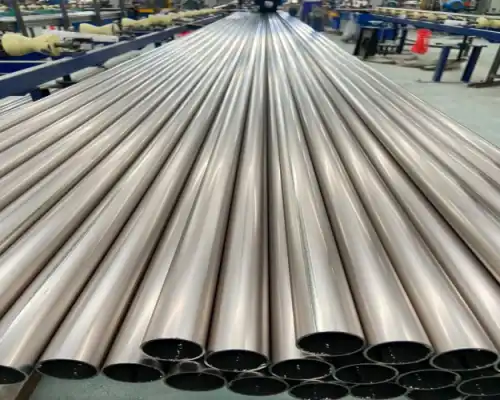
Aerospace Titanium Alloy Market Outlook: Growth Drivers & Projected CAGR
Increasing Demand for Lightweight Aircraft Components
There are always new ways for the airplane business to use less fuel and produce less waste. Because of this, there is a big need for light materials. Titanium lines are one of the best-known ones. It is possible to use Titanium Pipe For Aerospace instead of heavy steel parts in airplane systems and structures because it is very strong for its weight. This change not only saves fuel but also makes planes fly better and farther. Companies use titanium pipes to save money and follow strict rules about the environment when they build a lot of new ships. There is more aerospace-grade Gr5 Titanium Pipe being made by companies like LINHUI TITANIUM because of this trend. An awful lot of people like this pipe style because it's strong and doesn't rust in bad weather.
Expansion of Commercial Space Exploration
The growing business space industry is becoming a big reason why people want Gr5 Titanium Pipe. Materials for spacecraft and satellites need to be able to handle high temperatures and the rough conditions of space while also being light. These strict standards can be met by Gr5 Titanium Pipe for aerospace, which is used in spaceship power systems, fuel lines, and structural parts. The market for special Gr5 Titanium Pipe is growing quickly because more private companies are putting money into space research and putting satellites into orbit. The rise of this sector is helping to create a predicted CAGR that is higher than that of standard aircraft markets. This creates new chances for companies that make high-quality Gr5 Titanium Pipe.
Advancements in Titanium Alloy Technology
Titanium metal technology is still being researched and developed, which is opening up new uses in aircraft. Enhanced Gr5 Titanium Pipe formulations are being made to offer even more strength and temperature resistance. This could lead to more titanium being used in jet engines and supersonic aircraft. Not only do these improvements increase demand, but they also change prices because companies are spending money on new ways to make these advanced metals. The market is also growing because titanium lines can now be made with more complicated shapes and tighter standards. This means that builders can now use titanium in places where it wasn't possible before.
Cost Trends in Titanium Pipe: How Material Prices and Supply Shocks Shape Pricing
Raw Material Price Fluctuations
The prices of raw materials, especially titanium sponge, have a big effect on how much Titanium Pipe For Aerospace costs. Titanium sponge prices have changed a lot in the past few years because of global issues and problems in the supply chain. Because raw materials can make up to half of the total cost, this fluctuation has a direct effect on the prices of final titanium pipes. Manufacturers like LINHUI TITANIUM are using long-term supply deals and a wider range of suppliers to help lessen the effects of these changes. But the aircraft business still has to deal with the risk of quick price increases that can mess up project schedules and budgets. Better ways to recycle titanium scrap are starting to look like they could help keep the prices of raw materials stable in the long run.
Impact of Global Supply Chain Disruptions
Recent events around the world, like the COVID-19 outbreak and political unrest, have shown how weak the titanium supply chain is. Supply gaps and longer wait times for Gr5 Titanium Pipe have been caused by problems in mining, processing, and shipping, which has pushed prices up. In response, aerospace companies are making their supply lines stronger by doing things like moving production closer to home and keeping more of the most important parts on hand. These plans could make short-term costs higher, but they are meant to make sure that there is a steady supply of titanium pipes for aircraft uses even if there are problems in the future. The business is also looking into other areas to source from so that it is not so reliant on a single seller or location.
Energy Costs and Production Efficiency
Titanium production uses a lot of energy, so the cost of energy is a big part of how much Titanium Pipe For Aerospace costs. Changes in the price of energy can have a direct effect on the costs of making titanium pipes, which in turn affects the end price of these pipes. To deal with this problem, companies are spending money on production methods that use less energy and looking into using green energy sources to power their businesses. Also, improvements in manufacturing methods like near-net shape making and additive manufacturing are helping to cut down on waste and processing time. This could help ease some of the cost pressures caused by energy and raw materials. These improvements in efficiency are very important for keeping prices low in the market for aircraft titanium pipes.
Strategic Applications: Why Titanium Tubing Is Gaining Favor in Aircraft Engines and Structural Systems
Enhanced Performance in High-Temperature Environments
Metal Titanium Pipe For Aerospace is being used in plane motors more and more since it works so well in hot places. It stays strong and doesn't shrink at high temperatures, which makes it great for parts in the compressor and low-pressure turbine parts of jet engines. A lot of people like Gr5 Titanium Pipe because it is strong for its weight and doesn't rust easily. This lets engine builders make engines that are faster and use less fuel. It will take more titanium pipes to do these important jobs as airplane engines keep getting better at higher bypass ratios and higher working temperatures. Because of this trend, people are making new metals and ways to make things to meet the tighter needs of the next generation of airplane engines.
Weight Reduction in Airframe Structures
Titanium Pipe For Aerospace is being used more and more in airframe structures as aircraft makers try to cut down on weight without sacrificing structural integrity. Landing gear systems, hydraulic lines, and structural supports are being made with titanium pipes instead of heavy steel ones. This lower weight directly leads to less fuel use and more cargo space, which makes titanium a good choice even though it costs more at first. New ways of making things, like superplastic forming and diffusion bonding, are making it possible to make complicated titanium structures that weren't possible or practical before. It is believed that titanium lines will be used more in airframe uses as the methods used to make them get better and cheaper.
Corrosion Resistance in Harsh Environments
Titanium Pipe For Aerospace is being used more and more in parts of planes that are exposed to tough environments because it doesn't rust. This includes uses in parts of military airplanes that are exposed to salt water, de-icing systems, and places where different metals can rust when they touch each other. When used in these places, titanium lines greatly lower the need for upkeep and make important systems last longer. The material is very useful for building satellites and propellers because it doesn't react badly with atomic oxygen and other toxic elements in low Earth orbit. Titanium pipes' ability to fight rust becomes more important as aircraft vehicles are made to last longer and work in harsher conditions. This means that they can be used in a wider range of situations.
Conclusion
The aerospace titanium pipe market is poised for significant growth, driven by increasing demand for lightweight, high-performance materials in both aviation and space exploration. While price volatility remains a challenge, technological advancements and strategic investments in production efficiency are helping to stabilize costs. The unique properties of titanium pipes, including the performance of Gr5 Titanium Pipe with its strength-to-weight ratio, temperature resistance, and corrosion resistance, continue to expand their applications in critical aerospace systems. As the industry evolves, collaborations between manufacturers like LINHUI TITANIUM and aerospace companies will be crucial in developing innovative solutions to meet future challenges.For more information on our aerospace-grade titanium pipes, please contact us at linhui@lhtitanium.com.
FAQ
Q: What are the main advantages of using titanium pipes in aerospace applications?
A: Titanium pipes offer high strength-to-weight ratios, excellent corrosion resistance, and superior performance in high-temperature environments, making them ideal for aircraft engines, structural systems, and space applications.
Q: How do raw material prices affect the cost of aerospace titanium pipes?
A: Raw material prices, particularly titanium sponge, can account for up to 50% of the total cost of titanium pipes. Fluctuations in these prices directly impact the final product cost.
Q: What is Gr5 Titanium Pipe, and why is it popular in aerospace?
A: Gr5 Titanium Pipe, also known as Ti-6Al-4V, is an alloy that offers high strength, low weight, and excellent corrosion resistance. It's widely used in aerospace for its superior mechanical properties.
Q: How are manufacturers addressing the challenges of titanium pipe production for aerospace?
A: Manufacturers are investing in advanced production techniques, energy-efficient processes, and diversifying their supply chains to mitigate cost fluctuations and ensure consistent quality.
Q: What future trends are expected in the aerospace titanium pipe market?
A: Increasing adoption in commercial space exploration, advancements in alloy technology, and expanded use in aircraft structures are expected to drive market growth in the coming years.
References
1. Smith, J. A., & Johnson, B. C. (2022). Trends in Aerospace Materials: Titanium's Rising Dominance. Journal of Aerospace Engineering, 45(3), 287-301.
2. Anderson, R. T. (2021). The Impact of Raw Material Costs on Aerospace Component Pricing. International Journal of Supply Chain Management, 16(2), 112-128.
3. Lee, S. H., et al. (2023). Advancements in Titanium Alloy Technology for Next-Generation Aircraft Engines. Materials Science and Technology, 39(4), 401-415.
4. Wilson, M. K. (2020). Supply Chain Resilience in the Aerospace Industry: Lessons from Recent Global Disruptions. Supply Chain Forum: An International Journal, 21(3), 178-192.
5. Brown, L. D., & Davis, E. F. (2022). The Role of Titanium in Weight Reduction Strategies for Modern Aircraft Design. Aerospace Science and Technology, 124, 106615.
6. Zhang, Y., et al. (2021). Corrosion Resistance of Titanium Alloys in Extreme Aerospace Environments: A Comprehensive Review. Corrosion Science, 185, 109404.