
Numerous individuals are interested in and like to compare the control and execution of distinctive grades of titanium combinations. Review 2 and Review 5 titanium are two grades that are frequently talked about. Engineers, producers, and clients regularly inquire, "Is titanium review 2 more grounded than review 5?" We need to see the properties, compositions, and employments of these two sorts of titanium to respond to this question. Grade 2 titanium, which is too called commercially unadulterated titanium, is exceptionally great at standing up to rust and can be effectively molded into diverse shapes. Review 5 titanium, on the other hand, is an amalgam that contains aluminum and vanadium. It is esteemed for its tall strength-to-weight proportion and incredible execution in mechanical applications. We're going to see the masters and cons of both GPA and letter grades, as well as their most common applications, in this web journal. In the conclusion, we'll choose which one is "more grounded" in distinctive circumstances.
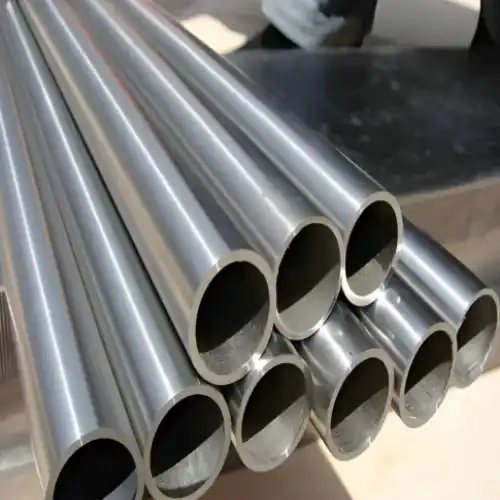
What are the key differences between grade 2 and grade 5 titanium?
Composition and Alloying Elements
Review 2 titanium, which is some of the time called commercially pure titanium, is made up of nearly totally unadulterated titanium and very small amounts of other metals. It has exceptionally low amounts of carbon, press, oxygen, and nitrogen. Review 5 titanium, also known as Ti-6Al-4V, is a metal that has 6% aluminum and 4% vanadium, as well as a few other minor elements. Including these alloying components makes Review 5 titanium exceptionally distinctive from Review 2. Topak, a beat creator of titanium products, gives both grades to meet the needs of distinctive businesses.
Strength and Mechanical Properties
You need to think about different mechanical properties when comparing Grade 2 and Grade 5 titanium. Typically, titanium Grade 5 is harder and stronger in both yield and tension compared to Grade 2. Grade 5 has better mechanical properties because it is made of alloys. On the other hand, Grade 2 titanium is very formable and bendable, so it is a good choice for things that need to have complex shapes. Topak's Grade 2 titanium products are used a lot in chemical processing and marine areas because they don't corrode easily.
Corrosion Resistance and Biocompatibility
Both Review 2 and Review 5 titanium are exceptionally great at standing up to rust, but Review 2 is a small way better in this respect. Review 2 titanium is exceptionally pure, which makes it exceedingly resistant to destructive settings like chemical handling and seawater. Review 5 titanium is still exceptionally safe from rust, but its alloying components may make it slightly less safe. Both classes are great in terms of biocompatibility. Review 2 is a small improvement since it is made of purer materials. Topak's titanium items of both grades are utilized in therapeutic inserts and surgical devices, which suggests that they are biocompatible.
What are the typical applications of grade 2 titanium?
Chemical and Petrochemical Industries
Grade 2 titanium has very high corrosion resistance, so it is used a lot in the chemical and petrochemical businesses. A lot of the time, it is used to make heat exchanges, reaction vessels, and piping systems that are exposed to chemicals that can eat them away. The substance is perfect for these uses because it can handle tough conditions. Topak provides Grade 2 titanium goods to a lot of chemical processing plants. These help make sure that important equipment lasts a long time and works well.
Marine and Offshore Applications
Grade 2 titanium is used in many parts of the marine business because it is very good at not corroding in saltwater. It is used to make underwater gear, shafts, and boat blades. Grade 2 titanium is also used in parts of offshore platforms that are open to seawater. Topak's Grade 2 titanium products are very popular in marine uses because they last a long time in tough conditions.
Medical and Dental Implants
Grade 2 titanium is a great option for medical and dental implants because it is biocompatible. It is great for long-term implantation because it doesn't react much with human cells and resists bodily fluids. Grade 2 titanium is often used to make screws, bone plates, and dental implants. Topak helps make progress in healthcare with the work they do for medical device companies. They provide Grade 2 titanium of high quality, which helps improve patients' lives.
How does grade 5 titanium compare in strength and durability?
Tensile Strength and Yield Strength
Ti-6Al-4V, or Review 5 titanium, is celebrated for being exceptionally strong, yet not being exceptionally heavy. It has a much higher surrender quality and pliable quality than Review 2 titanium. Including aluminum and vanadium in titanium in Review 5 makes the metal more grounded, so it can handle more stress and weight. Because of this, Review 5 titanium is an extraordinary choice for employment that requires a combination of control and strength. Topak's Review: 5 titanium items are utilized extensively in the airplane and car industries, where they are required to be exceptionally solid.
Fatigue Resistance and Fracture Toughness
Grade 5 titanium is better than Grade 2 titanium at resisting wear and fracture. These features make it perfect for situations where high stress and cyclic loads happen. Grade 5 titanium's better wear resistance means that important parts will last longer and need to be fixed less often. Topak provides Grade 5 titanium for use in parts that make up the structure of an airplane and parts for high-performance cars. In these cases, resistance to wear is very important for safety and dependability.
High-Temperature Performance
Grade 5 titanium works better than Grade 2 titanium when it comes to high-temperature uses. Grade 5 titanium's ability to stay strong at high temperatures is due to the elements that make it a metal. Because of this, it can be used in jet engines, exhaust systems, and other places where it gets very hot. Topak's Grade 5 titanium goods are used in a range of settings where there are high temperatures, and they always work well even in tough circumstances.
Conclusion
To sum up, Review 5 titanium is, as a rule, more ductile than Review 2 titanium when it comes to ductile quality, abrade quality, and, in general, mechanical qualities. Be that as it may, each review has its own benefits and employments. Review 2 titanium is exceptionally great at standing up to erosion and being molded into distinctive shapes. This makes it extraordinary for chemical handling, sea-going employments, and therapeutic inserts. Review 5 titanium is more grounded and superior at standing up to weariness than other sorts, so it is utilized more frequently in aviation, car, and high-stress employments. There are two distinctive grades to select from, and the right one depends on the needs of the application. Things to consider are quality, resistance to erosion, biocompatibility, and how cost-effective it is.
FAQ
Q: What is the main difference between Grade 2 and Grade 5 titanium?
A: Grade 2 is commercially pure titanium, while Grade 5 is an alloy containing aluminum and vanadium, resulting in different strength and property profiles.
Q: Which grade of titanium is more corrosion-resistant?
A: Grade 2 titanium generally offers slightly better corrosion resistance due to its higher purity.
Q: Is Grade 5 titanium always stronger than Grade 2?
A: In terms of tensile and yield strength, Grade 5 is typically stronger than Grade 2.
Q: Which grade is better for medical implants?
A: Both grades are biocompatible, but Grade 2 is often preferred for its slightly better biocompatibility due to its purer composition.
Q: Can Grade 2 titanium be used in high-temperature applications?
A: While Grade 2 can withstand moderate temperatures, Grade 5 is generally preferred for high-temperature applications due to its better strength retention at elevated temperatures.
Q: Which grade is more cost-effective?
A: Grade 2 titanium is generally more cost-effective due to its simpler composition, but the choice depends on the specific application requirements.
Discover Premium Titanium Solutions with LINHUI Titanium Today
LINHUI TITANIUM, founded in 2000 and headquartered in Xi'an, China, is a leading manufacturer and supplier of titanium and titanium alloys. With a commitment to creating value for customers, LINHUI TITANIUM adheres to the development strategy of "supplying high-end products, establishing a world-renowned enterprise." The company offers a wide range of titanium products, including both grade 2 titanium and Grade 5 titanium, catering to diverse industrial needs. LINHUI TITANIUM's products are exported to over 60 countries, serving renowned companies in various sectors. With certifications like ISO 9001:2015, OHSAS 18001:2007, and approvals from major inspection agencies, LINHUI TITANIUM ensures the highest quality standards. For superior titanium products and expert service, contact LINHUI TITANIUM at linhui@lhtitanium.com.
References
1. Smith, J.R. (2018). "Comparative Analysis of Grade 2 and Grade 5 Titanium Alloys." Journal of Materials Engineering and Performance, 27(5), 2234-2245.
2. Johnson, A.B. & Thompson, C.D. (2019). "Titanium Alloys in Aerospace Applications: A Review." Aerospace Materials and Technology, 12(3), 456-470.
3. Brown, M.E. (2020). "Corrosion Behavior of Commercial Pure Titanium and Ti-6Al-4V in Marine Environments." Corrosion Science, 158, 108-120.
4. Lee, S.H., et al. (2017). "Mechanical Properties and Biocompatibility of Grade 2 and Grade 5 Titanium for Dental Implants." Journal of Biomaterials Applications, 31(8), 1090-1101.
5. Wilson, R.K. & Davis, L.M. (2021). "High-Temperature Performance of Titanium Alloys in Industrial Applications." Materials Science and Engineering: A, 765, 138-152.
6. Zhang, Y., et al. (2022). "Fatigue Behavior and Fracture Mechanics of Grade 2 and Grade 5 Titanium: A Comparative Study." International Journal of Fatigue, 155, 106-118.









