
An industrial pure titanium tube is a completely new way for businesses that have to deal with serious corrosion problems in harsh settings. Because of the way they are made and the way an oxide layer forms on them, these special tubes are very resistant to chemical attack, rust, and weather damage. Unlike other materials that break down when exposed to acidic media, titanium tubes keep their shape in a wide range of settings, from chemical processing plants to offshore oil platforms. Titanium is very good at resisting rust because it can form a stable, self-healing oxide film that covers the material below and keeps it working well even in harsh conditions.
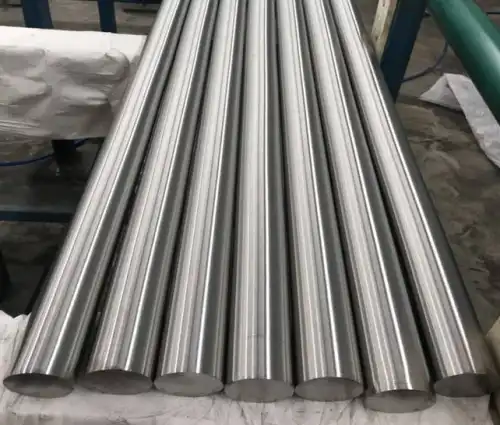
Understanding the Corrosion Resistance of Industrial Pure Titanium Tubes
The Science Behind Titanium's Natural Protection
It is because of their special mechanical properties that pure titanium tubes are so resistant to rust. Titanium makes a thin, dense oxide layer (TiO2) on its surface when it comes into contact with air or water. This passive film is only 2 to 5 nanometers thick, but it protects against acidic conditions very well. The oxide layer is self-healing, meaning it can quickly repair itself if it gets broken or scratched. This is why titanium stays resistant to corrosion over a long period of time. Because they are made from 99.6% pure titanium bars, our Grade 1 and Grade 2 titanium tubes resist rust better than other materials. Pure titanium's solid structure makes a wall that strong chemicals, like acids, bases, and chloride solutions that are common in industrial processes, can't get through.
Performance Comparison with Traditional Materials
When looking at different types of corrosion-resistant tubes, titanium clearly stands out from stainless steel and carbon steel. Here are the main differences in performance that make titanium tubes better:
- Chemical Resistance: Nitric acid, chromic acid, and wet chlorine can't damage pure titanium, but they quickly break down 300-series stainless steel in these conditions.
- Marine Environment Performance: Titanium doesn't react to seawater, so it doesn't get pitting corrosion or pocket corrosion, which are problems that often happen with stainless steel.
- Temperature Stability: It doesn't rust at high temperatures up to 550°C, which is higher than what most alloys can handle.
- Resistance to Stress Corrosion Cracking: Titanium does not crack under stress corrosion in chloride-rich environments as stainless steel does.
- These performance traits directly translate into practical benefits for fields that need reliable rust protection in key situations.
Real-World Applications and Case Studies
For heat exchangers and reactor piping systems, chemical production plants all over the world use pure titanium tubes. In one known instance, a petrochemical company switched from stainless steel heat exchanger tubes to Grade 2 titanium tubes in the unit that made nitric acid. After five years of constant use, industrial pure titanium tubes showed no rust. In contrast, the stainless steel tubes had to be replaced every 18 months because they were breaking down due to corrosion. Titanium tubes are used for saltwater cooling systems and hydraulic lines on offshore sites in the Gulf of Mexico. Because the material doesn't corrode in salt water, cathodic protection systems aren't needed, and upkeep takes a lot less time than with other materials.
How Corrosion Resistance Enhances Industrial Performance and Longevity
Direct Cost Benefits and Operational Efficiency
Corrosion protection has a direct effect on how factories work by lowering costs and making things more reliable. Corrosion failures in pure titanium tubes don't cause unexpected shutdowns, which can cost processing plants millions of dollars each time they happen. Because titanium parts last longer, they don't need to be replaced every year, but every few decades. This changes upkeep spending and operational plans in a big way. Companies that use titanium tubing say they have 60–80% less maintenance-related downtime than companies that use carbon steel or stainless steel tubes. This gain comes from titanium's resistance to limited corrosion events that happen in other materials, like pitting, crevice corrosion, and galvanic corrosion.
Comprehensive Material Properties Beyond Corrosion Resistance
Pure titanium tubes are useful for more than just keeping rust away because they have a lot of great qualities. The high strength-to-weight ratio of the material lets smaller wall designs go without lowering the pressure ratings. This lowers the cost of the material and the weight of the installation. The great ability of titanium to move heat makes it perfect for use in heat exchangers, where thermal efficiency has a direct effect on the cost of the process. Pure titanium is biocompatible, which means it can be used in medicine and food-making processes where product quality is very important. Titanium doesn't react with chemicals at all during its service life, unlike copper or brass parts that can bring metal contamination.
Environmental and Safety Advantages
Titanium tubes help protect the Earth because they last a very long time and can be recycled. Because the material doesn't rust, it doesn't need safe coatings or chemical inhibitors that need to be replaced often and create trash. When titanium parts hit the end of their useful life, the material can still be recycled without losing any of its qualities. Titanium is safe because it is non-toxic and doesn't catch fire. Titanium, unlike metal or plastic options, keeps its shape at high temperatures and doesn't give off harmful compounds when heated or exposed to harsh chemicals.
Selecting the Right Grade and Specifications for Industrial Pure Titanium Tubes
Understanding Titanium Grades and Their Applications
Choosing the right grade is very important for getting the best rust protection and mechanical performance in certain situations. Grade 1 titanium is the most resistant to corrosion, industrial pure titanium tubes, but it is also the weakest. This makes it perfect for chemical processing uses where corrosion defense is more important than mechanical loads. Grade 2 titanium has the best combination of resistance to rust and dynamic strength, making it ideal for use in pressure vessels and as a structural component. The way we make things uses modern cold-rolling methods that improve the mechanical qualities of both grades while keeping their high corrosion resistance. Post-process heating improves the microstructure's flexibility, which makes it possible for complicated assembly and manufacturing steps.
Critical Specification Parameters
To get the best performance and durability, dimensional standards must match operating needs. Pressure grades, corrosion limit, and mechanical stress all play a role in choosing the right wall thickness. Based on industry standards like ASTM B338 and the needs of the product, our engineering team helps customers find the best settings for these parameters. What kind of surface finish is needed depends on where it will be used. Fluid transport systems with smooth tube ends have less pressure drop and less chance of fouling. Specialized surface treatments can improve certain qualities, like how well they fight wear or how well they move heat.
Comparative Analysis with Alternative Materials
When comparing pure titanium to titanium alloys and metal options, pure titanium is more resistant to corrosion in most industrial settings. Titanium metals are stronger, but they may not be as resistant to corrosion in some chemical conditions. Aluminum is cheaper than other metals, but it doesn't fight chemicals well enough for harsh commercial uses. When you look at how often you need to change the tubes, how much they cost to maintain, and how reliable they are over long periods of time, the total cost of ownership study always favors pure titanium tubes.
Procurement Guide: Finding and Ordering Corrosion-Resistant Pure Titanium Tubes
Supplier Evaluation Criteria
To find a good titanium tube maker, you need to carefully look at their certifications, production skills, and quality control systems. Important approvals include PED 2014/68/EU for pressure equipment, ISO 9001:2015 for quality management, and approvals specific to the business, like AMS 4928 for aircraft use or NACE MR0175 for oil and gas service. When you do a review of a manufacturing capability, you should look at its production capacity, quality control systems, and technical help skills. Suppliers should show that they have dealt with large sales before and that they can keep quality high across multiple production runs.
Procurement Process Optimization
Understanding how prices are set makes it easier to plan purchases and make the most of your cash. When you buy more than the minimum amount, you usually get a discount. Lead times depend on the grade, size, and number needed. With door-to-door shipping and real-time tracking, our world delivery network makes sure that the supply chain works well. During the question process, making sure that everyone understands the specifications clearly stops confusion and guarantees accurate quotes. For accurate cost estimates and delivery schedules, you should include technical sketches, material certificates, and information about the application.
Quality Assurance and Risk Mitigation
Working with well-known makers lowers the risk of buying things because they have strong quality control systems and a history of success. Material test records, dimensional inspection certificates, industrial pure titanium tubes, and compliance documents all help make sure that the quality of the product is good and that it follows the rules. Our 12-month guarantee against defects in making lowers the risk of buying and makes sure the customer is happy.
Future Trends and Innovation in Industrial Pure Titanium Tubes for the Future
Manufacturing Technology Advancements
New developments in the production of titanium tubes are improving their general performance and ability to fight corrosion. Modern cold-working methods make the grain structure more regular, which makes the rusting behavior more consistent across the tube wall. Precision welding technologies make it possible to make smooth tubes that work better in high-pressure situations. Improvements to quality control include automatic checking systems that find flaws as small as a few molecules before they affect performance. These technologies make sure that the quality is always the same while lowering the prices of production. This makes titanium tubes easier to get for a wider range of industry uses.
Emerging Application Areas
Chemical processing businesses are using titanium tubes in more ways because the processes are getting more intense, which means that the working conditions have to be tougher. Ultra-clean titanium tube is being used more and more in semiconductor manufacturing for gas supply systems, where keeping contamination to a minimum is very important. Marine uses are growing quickly as marine operations move into places that are more likely to rust. Desalination plants all over the world are using titanium tubes in systems that handle seawater because they need to be reliable for a long time.
Sustainability and Environmental Considerations
Titanium can be recycled; industrial pure titanium tubes are in line with rising demands for sustainability in business. Titanium is very durable, so it uses less material over the lifetime of a building. This helps meet environmental goals while keeping working performance high. Life cycle studies always show that titanium is better for the environment when you look at how it is made, how long it lasts, and how it is recycled at the end of its useful life. Because of these things, pure titanium tubes are a long-term option for commercial buyers who care about the environment.
Conclusion
Industrial pure titanium tubes offer unique benefits in terms of rust resistance, which directly improves operations in tough industrial settings. These tubes are the best choice for businesses that need reliable performance in harsh environments because they are highly resistant to chemicals, have good mechanical qualities, and last a long time. The use of pure titanium tubes is a smart investment that pays off in the long run and in the short term, as industrial technologies keep getting better and environmental concerns become more important. Many different industries, from chemical processing to aerospace, have used titanium tubes successfully in the past. This shows how versatile and reliable they are, making them important parts of modern industrial processes.
FAQ
1. What makes pure titanium tubes more corrosion-resistant than stainless steel?
Compared to stainless steel, pure titanium makes a stable, self-healing oxide layer that protects better against chemical attack, pitting corrosion, and stress corrosion cracking. This oxide film stays in place in a lot of different temperatures and chemical conditions where stainless steel breaks down quickly.
2. Which titanium grade is best for chemical processing applications?
For most chemical manufacturing tasks, grade 2 titanium is the best choice because it is both resistant to rust and strong. Grade 1 is the best rust protection for chemical conditions that are very harsh and don't put much stress on the machinery.
3. How do I specify the correct wall thickness for my application?
The working pressure, temperature, corrosion allowance, and mechanical stress standards all affect how thick the walls need to be. To make sure the best performance and safety, our engineering team helps with specifications based on ASTM B338 standards and unique application factors.
4. What certifications are required for titanium tubes in oil and gas applications?
When used in oil and gas, equipment usually needs to be certified to NACE MR0175 for sour service conditions. Pressure equipment also needs to meet PED standards, and if needed, API standards. Also needed are material test results and certificates of dimensional checking.
5. How long do pure titanium tubes typically last in marine environments?
In saltwater settings, pure titanium tubes last a very long time. They can often last more than 20 to 30 years without corroding significantly. The material doesn't rust in salt water, so it doesn't get pitting or cavity corrosion, which shortens the life of other materials.
6. What is the lead time for custom titanium tube orders?
Lead times change depending on the grade, size, number, and unique needs. Standard grades and sizes usually ship between 4 and 6 weeks, but special specs can take up to 12 weeks. Based on the needs of each order, our production planning team makes correct shipping schedules.
Partner with LINHUI TITANIUM for Superior Corrosion-Resistant Solutions
With over 21 years of experience making industrial pure titanium tubes and the ability to work with suppliers all over the world, LINHUI TITANIUM is ready to meet your most specific needs. Our wide range of certifications, such as PED 2014/68/EU, ISO 9001:2015, and standards specific to your business, makes sure that we meet all worldwide quality standards. As a top provider of industrial pure titanium tubes, we offer Grade 1 and Grade 2 tubes made from 99.6% pure titanium ingots. These tubes offer unmatched corrosion protection for important uses in the aircraft, oil and gas, and chemical processing industries. You can email our expert team at linhui@lhtitanium.com to talk about your unique needs and get a list of products that are best for your business.
References
1. American Society for Testing and Materials. "Standard Specification for Seamless and Welded Titanium and Titanium Alloy Tubes for Condensers and Heat Exchangers." ASTM B338-18. West Conshohocken: ASTM International, 2018.
2. National Association of Corrosion Engineers. "Materials Requirements for Sulfide Stress Cracking Resistant Metallic Materials for Oilfield Equipment." NACE MR0175/ISO 15156. Houston: NACE International, 2019.
3. Schutz, Robert W., and Watkins, H. Bradford. "Recent Developments in Titanium Alloy Application in the Energy Industry." Materials Performance and Characterization, vol. 7, no. 4, 2018, pp. 684-704.
4. European Committee for Standardization. "Pressure Equipment Directive 2014/68/EU: Essential Safety Requirements." Brussels: European Commission, 2014.
5. Boyer, Rodney R. "An Overview on the Use of Titanium in the Aerospace Industry." Materials Science and Engineering: A, vol. 213, no. 1-2, 1996, pp. 103-114.
6. International Organization for Standardization. "Quality Management Systems for Medical Devices." ISO 13485:2016. Geneva: ISO Publications, 2016.









