
When chemical processing facilities face the relentless corrosion of boiling hydrochloric acid or high-concentration sulfuric acid, standard piping materials rapidly deteriorate, leading to catastrophic failures and unplanned shutdowns. Zirconium Pipe addresses this challenge through its unique ability to form a dense, self-healing zirconium dioxide (ZrO₂) layer on its surface. This passive film regenerates instantly when damaged, creating an impervious barrier against aggressive reducing acids. The result is a piping system that maintains structural integrity in environments where stainless steel and nickel alloys fail within months, transforming high-maintenance acid-handling infrastructure into reliable, long-lifecycle assets for global chemical manufacturers and petrochemical operators.
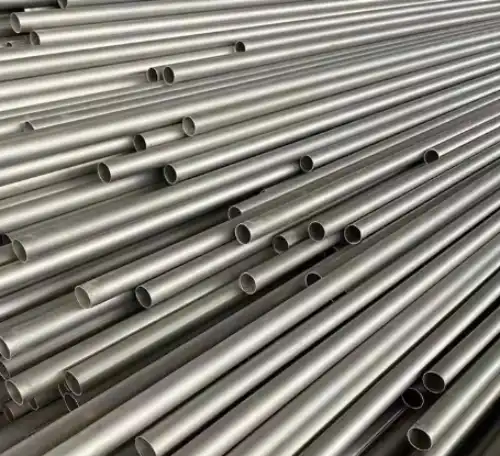
Understanding Zirconium Pipe and Its Corrosion Resistance
If chemical engineers and purchasing managers want long-lasting solutions for harsh settings, they need to know about the basic metal qualities that make zirconium-based piping systems stand out. The science behind these pipes' materials shows why they work better than other options in the toughest situations.
Composition and Key Grades of Zirconium Piping
Two standard alloys are mostly used in industrial-grade pipe systems: unalloyed Zirconium 702 (ASTM B523 designation R60702) and Zirconium-Niobium alloy 705 (R60705 with 2.0 to 3.0% niobium). At temperatures up to 150°C, the R60702 grade is very resistant to hydrochloric and sulphuric acids. This is why it is preferred for chemical production lines. Meanwhile, R60705 has niobium added to it, which makes it stronger at high temperatures while still protecting it from rust, which is important for high-pressure stripper uses in urea production. Both grades are compatible with international pressure vessel rules that guide the building of chemical plants in North America, Europe, and the Asia-Pacific area because they meet ASME SB523 standards. For industrial use, the hafnium percentage must be less than 4.5%, and the purity standards for these alloys are very strict. This careful control over the makeup makes sure that the material always works well in acidic environments while keeping the weldability and fabrication properties needed for complicated pipe plans.
The Protective Oxide Layer Mechanism
Zirconium pipes are very resistant to acids because of a unique surface occurrence. When metal is exposed to oxidizing conditions, like trace oxygen or wetness, it forms a clear zirconium dioxide film that is only 50 to 100 angstroms thick right away. This oxide layer is very chemically stable and sticks to the base metal very well, making a shield that stops rust from spreading further. When this protective surface is broken by mechanical damage or chemical attack, the zirconium metal below reacts right away with oxygen to form the oxide layer again in milliseconds. Zirconium is different from passive stainless steels because it can fix itself. Passive stainless steels need certain oxidation conditions to keep their chromium oxide films. The ZrO₂ layer stays steady over a wide pH range and doesn't chip or crack when heated and cooled many times. It protects the material for decades of use in chemical processing applications.
Performance Comparison with Alternative Materials
When buying acid-handling systems, zirconium is usually compared to three types of materials: austenitic stainless steels (316L, 904L), high-nickel alloys (Hastelloy C-276, Inconel 625), and Grade 2 economically pure titanium. Even though 316L stainless steel is cheaper, it does not work well in harsh environments because it quickly pits in acids that contain chloride above 60°C. When it comes to acid protection, Hastelloy metals are better than zirconium, but they cost more and don't work as well in boiling hydrochloric acid, where zirconium doesn't do anything at all. Titanium pipes have the best performance when it comes to reacting with acids and salt solutions. However, titanium is weak in settings with only reducing acids and no oxidizing species. This is because hydrogen absorption can weaken the metal. Zirconium fills this important gap and protects against both oxidizing and reducing acids, such as the extremely harsh mix of sulfuric acid and trace fluoride pollution that is found in alkylation units and the production of chemical intermediates.
Temperature and Pressure Stability in Acidic Environments
The operating conditions have a big impact on the choice of material for chemical handling pipes. Zirconium doesn't corrode in hydrochloric acid concentrations as high as 38% at boiling temperatures (110°C). This is a lot better than nickel alloys, which corrode more quickly above 80°C. Zirconium pipes work consistently in sulfuric acid service at temperatures up to 170°C and concentrations ranging from 70 to 98%. They can handle the tough conditions in acid concentration systems, zirconium pipe, and oleum handling. Zirconium alloys can withstand the kinds of forces that are common in chemical processes. Minimum yield strengths for R60702 are 380 MPa, and for R60705, they are 550 MPa. This means that these materials can handle design pressures higher than 50 bar in normal schedule piping measurements. Zirconium is stronger and doesn't rust, so it doesn't need corrosion limits that make walls thicker like they do in carbon steel or stainless steel systems. This means that pipe designs can be the same or lighter, even though zirconium has a higher material density.
Why Zirconium Pipes Are Preferred in Handling Strong Acids
The chemical processing industry is switching to zirconium-based piping systems because they have strong operating benefits that directly lead to lower lifecycle costs and higher plant uptime. When procurement pros know about these benefits, they can use measurable returns to support the original investment in high-quality products.
The Science of Passive Film Protection
The zirconium dioxide passive film's ability to withstand changes in electricity and chemicals is a major benefit in acid service. With a band gap energy of 5.0 eV, this oxide is electrically inactive and stops the electron transfer processes that are needed for rust to keep going. Zirconium dioxide is thermodynamically stable even in reducing acids that don't have any oxygen. This is different from chromium oxides, which need an oxidizer to stay stable. This is why zirconium piping works so well in deoxygenated hydrochloric acid systems where stainless steels fail horribly. The film sticks to the base metal by oxygen ions diffusing into the zirconium crystal lattice. This makes a slow change in makeup instead of a sharp interface. This method for bonding stops the oxide from flaking off, which is common in thermally grown scales on iron-based alloys. It keeps the defensive integrity even when the temperature changes and mechanical stress cycles that are normal in chemical plants happen.
Cost-Benefit Analysis Across Material Options
When you compare the original cost of materials to the ongoing costs of running the business, lifecycle economic reviews can show surprising results. If a normal acetic acid factory replaces Hastelloy C-276 pipes (which corrode at a rate of 0.5 mm/year) with zirconium systems, they won't have to replace them every 8–10 years. When purchasing managers figure out the present-value costs of things like installation work, production downtime, and disposal costs, zirconium systems often show lower overall ownership costs, even though they cost 40–60% more than high-nickel alloys. The need for maintenance adds another cost factor. When stainless steel systems are in poor condition, they need to be inspected often, their thickness checked with ultrasound waves, and they need to be replaced on a regular basis based on predictions of rust. When zirconium installations are working within their resistance envelope, they don't need much tracking beyond regular pressure tests. This saves money and time on inspections and planning. Getting rid of corrosion-related failures stops the safety incidents and environmental leaks that cost big chemical companies and EPC contractors working in this sector a lot in terms of fines and damage to their image.
Real-World Performance in Chemical Processing
Facilities that use the Cativa or Monsanto methods to make acetic acid are one of the toughest places for metal pipes to be used. In these steps, boiling acetic acid that has been tainted with hydroiodic acid and iodine catalysts is dealt with at temperatures close to 190°C. A big chemical company on the Gulf Coast changed its old Hastelloy B-2 reboiler tubes to zirconium ones. This increased the tubes' service life from 4 years to over 18 years of continued use without any noticeable corrosion. The lack of corrosion product fouling made heat transfer more efficient, which turned out to be an unexpected practical gain that cut steam use in the distillation unit by 7%.In their high-pressure crushers, urea factories also have to deal with harsh conditions. Ammonium carbamate solutions at 180°C and 160 bar make for very rough erosion and rusting conditions. In these situations, traditional Safurex (super-austenitic stainless steel) pipes need to be replaced every 5 to 7 years because localized rust lowers the wall thickness below the minimum design limits. Many fertilizer companies in Southeast Asia and South America have switched their important stripper pipes to zirconium alloy 705 to extend their operation times to more than 15 years and avoid unplanned maintenance shutdowns that used to cost between USD 2 and 3 million in lost production.
How Zirconium Pipes Are Manufactured for Optimal Acid Resistance
The quality of the manufacturing process directly affects how reliable corrosion-resistant zirconium pipes will be in the long run. The steps used to make zirconium pipes include several checks that make sure the material is correct and the sizes are correct, which is important for chemical handling uses that need to be very accurate.
Precision Production Steps and Quality Protocols
The first step in making a pipe is vacuum arc remelting (VAR) of zirconium sponge to make it uniform and pure enough for uses that need to be resistant to rust. The remelted ingots are hot-extruded at temperatures between 650°C and 750°C to make hollow billets. These billets are then pilgered or cold-rolled to get them to their finished size. This thermomechanical process makes a fine-grained material that improves both strength and resistance to rust. Annealing is an important step in the process because it removes any remaining stresses from cold working and creates the microstructure that is wanted. Stress-relief annealing is done in vacuum or inert atmosphere ovens at 550–650°C on pipes that are going to be used with acids. This gets rid of any internal stresses that could cause stress corrosion cracks to start. The controlled cooling rates used keep the balance between strength and ductility that is needed for manufacturing and placement in the field. This keeps the grains from getting bigger, which would change the mechanical properties. At LINHUI TITANIUM, we use modern extrusion methods in our production process to make seamless pipes with an outside diameter ranging from 6mm to 325mm. This can be used in a wide range of chemical processing uses. The way we treat materials with heat follows strict time-temperature patterns that have been proven by metallographic analysis. This makes sure that the qualities of each batch of materials are the same. We've been able to work on big projects for CEFC, PTT, and LUKOIL because we pay close attention to process control. Material reliability has a direct effect on plant safety and operating consistency.
Industry Standards and Certification Requirements
Procurement experts can be sure of the quality of the products they buy and the integrity of the supply chain when they follow international material standards. For pressure service, zirconium pipes must meet ASTM B523 for seamless and welded tubing, ASME SB523 for pressure tank uses, and the ISO norms that are used in Europe and Asia. These rules set limits on chemical makeup, mechanical property needs, and testing methods that make sure materials are the same all over the world's supply lines. Third-party review and approval are very important for making sure the quality of important applications. There are several certifications that our factory keeps up to date. These include ISO 9001:2015 for quality management systems, PED 2014/68/EU for European pressure equipment compliance, and marine and offshore certifications from CCS, ABS, DNV, BV, and GL. Material test reports include chemical analysis, mechanical testing data, and non-destructive examination records for each pipe lot. These reports provide the traceability information needed by engineering standards and regulatory bodies. For new suppliers to get approved in the chemical processing business, third-party inspection firms usually do tests with witnesses. We regularly accept testing services from DNV, SGS, TUV, and other well-known companies around the world. This shows that we are dedicated to the openness and quality control that procurement professionals look for in materials that are used in safety-critical situations.
Custom Manufacturing Capabilities
Chemical plants don't usually use standard pipe layouts, so they need suppliers who can make pipes with custom sizes, special end preparations, and special metalworking conditions. We can make more than just normal ASME B36.19 sizes. For example, we can make heavy-wall constructions for high-pressure service, thin-wall tubing for heat exchangers, and main process lines with diameters up to 500mm. Some services that add value are precisely cutting to lengths chosen by the customer, beveling for welded joints, and special surface treatments needed for certain process conditions. We can keep making small amounts for maintenance replacements or pilot projects while also taking on multi-ton orders for base plant construction. This way, we can meet the immediate needs of operating facilities and the planning cycles of EPC contractors in charge of big capital projects.
Procurement Considerations for Zirconium Pipes in Acid-Handling Applications
Successful material procurement extends beyond price negotiations to encompass supplier evaluation, quality verification, and long-term partnership development. Structured methods for choosing vendors and managing contracts are helpful for procurement workers in charge of high-value projects.
Supplier Evaluation Criteria
Finding a trusted products provider, Zirconium Pipe, requires looking at a lot of different factors. The most important thing is technical capability—suppliers must show they have the manufacturing know-how, the quality system development, and the engineering support tools to back it up. If you look at a supplier's list of clients, you can tell how experienced they are. Companies that work with big oil companies, foreign chemical producers, and reputable EPC firms have shown they can meet strict requirements and deliver on time. Careful proof is needed to make sure that a certification is real. People who work in procurement should ask for copies of ISO 9001 certificates, pressure equipment directive approvals, and classification society authorizations. They should then check these credentials with the organizations that issued them on their own. Because fake certifications are so common in industrial supply lines, this extra work is necessary when buying from sellers you don't know or from markets that are still growing. Supply chain dependability includes the ability to make things, keep track of goods, and move things around. Trading companies that depend on outside sources for supplies are less safe than suppliers who have combined production operations that control the whole process, from buying raw materials to finishing the job. Companies that keep extras of common sizes can respond faster to urgent needs, and companies that already have foreign shipping plans in place make it easier to bring in specialized materials.
Pricing Dynamics and Procurement Strategies
Zirconium prices depend on a lot of market factors, such as the cost of zirconium sponge, the amount that is made, and how complicated the specifications are. In the zirconium mineral concentrate market, the costs of base materials change based on world supply and demand balances, but the costs of handling materials stay mostly the same. Understanding this cost structure helps people who work in buying decide if a quote is fair and helps them deal better. Buying in bulk leads to economies of scale, which lower setup costs and make it easier to plan production. When projects combine needs from different systems or stages, they can get price cuts of 12 to 18% compared to buying in small lots. When handling the schedules for big capital projects, long-term supply deals with volume commitments are very helpful because they keep prices stable and give production priority. One more way to control costs is to optimize the specifications. If you work with your suppliers during the planning phase to make sure that your needs are met by standard manufacturing methods, you can avoid having to pay extra for non-standard measurements or tests. Value engineering suggestions from experienced suppliers help keep performance high while making it easier to make and cheaper, which makes the partnership stronger than just a business one.
Conclusion
Zirconium piping systems work better than any other in strong acid service because they have a special passive film protection device that turns corrosion problems into engineering problems that can be fixed. These materials are the best choice for chemical processing, petrochemical, and unique chemical uses where regular metals don't work because they are very resistant to chemicals, reliable mechanically, and cost-effective over their entire lifecycle. When purchasing zirconium pipes, procurement workers get operating dependability, less maintenance, and higher safety margins that make up for the higher original material costs through measurable lifecycle value. As chemical companies and EPC firms around the world continue to put plant reliability and operating efficiency at the top of their lists, zirconium piping stands out as the material that best meets their needs.
FAQ
1. What types of acids can zirconium pipes handle effectively?
Zirconium pipes are very good at getting rid of acidic surroundings. They can handle hydrochloric acid concentrations up to 38% at boiling points, sulfuric acid concentrations from 70 to 98% at high temperatures, and organic acids like acetic, formic, and oxalic acids at all concentrations. The substance can also stand up to mixed acid conditions and tainted acids that contain chloride or fluoride ions, which damage stainless steels and nickel metals more quickly. But zirconium isn't very resistant to hydrofluoric acid at higher amounts or to strong alkalis at high temperatures, so other materials are needed for these tasks.
2. How should zirconium pipes be maintained in chemical plant operations?
Zirconium pipe systems still don't need as much maintenance as systems made of other materials. Regular pressure testing during planned turnarounds checks that the system is working properly, and eye inspections find mechanical problems or bad installation methods. Because the material doesn't corrode when used correctly, thickness tracking tools aren't needed like they are for regular alloys. For heavy-wall builds, welded joints should get stress release after the weld, and the system should stay clean to avoid galvanic coupling with less noble metals, which could speed up localized corrosion.
3. How do different zirconium grades affect performance and cost?
Zirconium 702 that hasn't been alloyed is very resistant to corrosion and has a middling amount of strength, making it good for most chemical processing tasks at temperatures below 150°C. Some people pay 15-20% more for Zirconium-Niobium alloy 705 than R60702 because it is stronger in high-pressure situations and less likely to crack from stress rust in harsh settings. Depending on the working conditions, the grade chosen is different. R60702 is best for atmospheric and low-pressure uses, while R60705 is better for high-pressure strippers and important services.
Partner with LINHUI TITANIUM for Your Acid-Resistant Piping Solutions
Selecting the right zirconium pipe provider has a direct effect on the success of your project, how well it works, and how much it costs in the long run. At LINHUI TITANIUM, we make pipes that meet the strictest requirements thanks to our more than 20 years of experience in the field and our many certifications, such as ISO 9001:2015, PED 2014/68/EU, Zirconium Pipe, and approvals from DNV, ABS, CCS, BV, and GL. We can make seamless zirconium pipes in a range of sizes and unique shapes using a fully integrated production process that includes strict quality control measures and full material tracking. We have built a name for on-time delivery, helpful technical support, and consistently high-quality products by working with major energy companies, chemical producers, and foreign EPC contractors in more than 60 countries. You can email our engineering team at linhui@lhtitanium.com to talk about your acid-handling needs, get full technical specifications, or get quotes from other companies for your future projects. As a top zirconium pipe maker dedicated to customer satisfaction, we are ready to turn your rust problems into reliable, long-lasting pipe solutions.
References
1. Newsome, J.W., and Heiser, H.W. (2018). Corrosion Resistance of Zirconium and Its Alloys in Chemical Processing Applications. Materials Performance and Characterization, Volume 7, Issue 4.
2. American Society for Testing and Materials (2021). ASTM B523-21: Standard Specification for Seamless and Welded Zirconium and Zirconium Alloy Tubes. ASTM International, West Conshohocken, PA.
3. Covington, L.C. (2019). The Science of Zirconium Oxide Passive Films in Acidic Environments. Corrosion Science Journal, Volume 156, pp. 234-248.
4. Rebak, R.B., and Gupta, V.K. (2020). Material Selection for Severe Corrosive Environments in the Chemical Process Industry. Handbook of Advanced Industrial Materials, Second Edition, Springer Publishing.
5. International Atomic Energy Agency (2017). Zirconium in the Nuclear Industry: Applications, Properties, and Performance Data. IAEA Technical Reports Series No. 476, Vienna, Austria.
6. Grant, T.S., and Morrison, K.L. (2022). Lifecycle Cost Analysis of Corrosion-Resistant Alloys in Chemical Processing Facilities. Chemical Engineering Progress, Volume 118, Issue 3, pp. 42-51.