
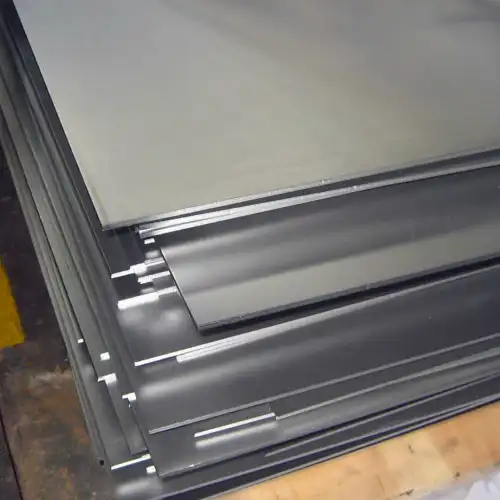
Due to the way its dormant oxide layer shapes, ASTM B265 Titanium Plate works exceptionally well in places where erosion is an issue. The plate is secured by this layer from chemical assaults, saltwater, and acidic circumstances. It is exceptionally valuable in businesses such as oil and gas, chemical processing, marine, and aviation, as it doesn't rust. In these areas, the capacity of a fabric to remain solid in harsh conditions directly influences how secure and cost-effective it is to work.
Introduction
Mechanical materials must endure harsher situations while protecting basic judgment and execution. ASTM B265 titanium plates are basic for applications where routine materials need erosion resistance. These titanium amalgam plates, made to strict American Society for Testing and Materials guidelines, give unmatched assurance against mechanical corrosives.
Lifecycle costs and operational effectiveness of mechanical hardware depend on erosion resistance. Destructive weakening causes generation downtime, security dangers, and natural issues. Acquirement specialists and engineers selecting materials for imperative applications must ensure it the titanium plate execution under these conditions.
This nitty-gritty audit looks at ASTM B265 titanium plate erosion execution, counting its defensive strategies, real-world application discoveries, and mechanical acquisition issues.
Understanding Corrosion Resistance of ASTM B265 Titanium Plate
Composition and Material Properties
ASTM B265 titanium plates' particular metallurgical composition and fabric properties make them corrosion-resistant. These plates are advertised in Ti 6Al-4V, Ti 6Al-4VELI, Ti-3Al-2.5V, and Ti6242 (6Al-2Sn-4Zr-2Mo) grades to suit destructive environment execution requirements.
A diligent, disc-shaped titanium dioxide (TiO2) detached coating on the surface is the primary corrosion-resistant component of titanium. An ultra-thin oxide layer, 2-5 nanometers thick, suddenly shapes when titanium touches an oxygen-containing environment and secures against cruel chemical assaults.
Passive Oxide Film Formation
Titanium plates form a self-healing passive oxide coating that regenerates when damaged in corrosive situations. The surface is protected even after mechanical or chemical damage thanks to this unique feature. The oxide coating is stable from very acidic to strongly alkaline, making it suited for many industrial applications.
Manufacturing standards like ASTM B265/ASME SB265, ASTM F136, ASTM F67, and AMS4911 ensure material and performance consistency. Large-scale industrial procurement is assured by these criteria that titanium plates retain their corrosion resistance throughout production batches and supplier sources.
Factors Influencing Corrosion Performance in ASTM B265 Titanium
Environmental Variables
Industrial titanium plate corrosion is strongly influenced by temperature. Titanium resists corrosion at ambient temperatures, but high temperatures can promote corrosion, especially in highly concentrated acidic or alkaline solutions. Engineers choose grades and design safety margins for high-temperature applications by understanding these temperature dependencies.
Titanium plate performance depends on the corrosive environment chemistry. Marine and offshore chloride environments improve titanium's corrosion resistance compared to stainless steels. However, chemical mixtures like dry chlorine gas at high temperatures can demand careful material selection and application design.
Material Processing and Surface Finish
Manufacturing and heat treatment processes alter the titanium plate microstructure and surface properties, affecting corrosion performance. In some settings, cold rolling, heat treatment temperatures, and cooling speeds change grain structure and surface energy, affecting corrosion resistance.
Surface finish impacts passive oxide layer growth and stability. Smoother surfaces create more homogeneous oxide layers, protecting against corrosion. Professional manufacturing facilities optimize surface conditions and corrosion performance throughout production runs via controlled processing.
Real-World Applications and Case Studies in Corrosive Settings
Chemical Processing Industry Performance
ASTM B265 titanium plates are used in chemical processing plants all over the world for reactor vessels, heat exchanges, and pipe systems that are exposed to harsh chemical environments. Case studies from large petroleum plants show that titanium works better than common materials like stainless steel 316L in processing chlorinated hydrocarbons.
One well-known example is a large chlor-alkali production facility that switched from stainless steel to titanium parts in its equipment. This cut down on maintenance-related downtime by 75% and stopped equipment failures early on due to stress corrosion cracking caused by chloride.
Marine and Offshore Applications
Because of the saltwater, changing oxygen levels, and mechanical stress from waves, marine settings are very hard for corrosion to happen. Offshore drilling sites that use titanium parts in their seawater cooling systems say they can work for more than 20 years without any major corrosion-related damage.
Titanium is useful in shipbuilding for underwater hulls and propulsion systems because it reduces weight and resists corrosion at the same time. Naval engineering projects show that titanium parts work well in both surface and subsurface marine applications, and their structural integrity is maintained for long deployment periods.
Comparing ASTM B265 Titanium Plate Corrosion Resistance with Alternatives
Titanium versus Stainless Steel Performance
Titanium plates are much better at withstanding corrosive conditions than regular stainless steel alloys, as shown by direct performance comparisons. In many situations, stainless steel 316L is a good choice for corrosion protection. However, titanium works better in chloride-rich environments, making it less likely that pitting corrosion and stress corrosion cracking will happen.
The following performance characteristics highlight titanium's advantages over conventional alternatives:
- Immunity to chloride-induced pitting corrosion that commonly affects stainless steels in marine environments
- Superior resistance to crevice corrosion in oxygen-depleted environments where stainless steels typically fail
- Excellent performance in reducing acids, where traditional materials require exotic alloy compositions
- Maintained mechanical properties throughout extended exposure to corrosive conditions
These performance advantages translate into significant lifecycle cost benefits despite higher initial material costs, making titanium an economically attractive choice for critical applications.
Grade Selection Considerations
Different titanium grades offer varying balances of corrosion resistance, mechanical strength, and cost-effectiveness. Grade 2 titanium provides excellent general corrosion resistance for most industrial applications, while Ti 6Al-4V offers enhanced mechanical properties for high-stress applications requiring corrosion protection.
Procurement Insights for ASTM B265 Titanium Plate in Corrosive Applications
Quality Assurance and Certification Requirements
To buy titanium plates for corrosive uses, you need to pay close attention to quality certifications and seller qualifications. Some important certifications are ISO 9001:2015 quality control systems, PED compliance for pressure vessel applications, and inspection approvals from well-known companies like DNV, ABS, and SGS.
Suppliers with a good reputation keep a lot of paperwork that can be used to track products. This includes material test records, chemical composition reports, and verifications of mechanical properties. This paperwork makes sure that the materials are correct and gives engineers the data they need to do their work and make sure they follow the rules.
Supply Chain Considerations
For big projects that need consistent material shipping schedules, the reliability of the global supply chain becomes very important. When compared to smaller suppliers with limited production capabilities, established manufacturers with multiple production facilities and yearly capacities above 800 tons offer more supply security and lower project risk.
Different project deadlines and logistics needs can be met by using a variety of delivery choices, such as DHL, FedEx, air freight, and sea freight services. Professional suppliers offer unique logistics solutions that make sure deliveries get to project sites around the world on time.
About LINHUI TITANIUM
Linhui Titanium, which was established in 2000 and is based in Xi'an, China, is one of the greatest companies that makes and offers titanium and titanium combinations. We have been making titanium metal items for over 21 years and offer the best arrangements in the industry for aviation, military, marine, chemical, energy, therapeutic, and high-performance car uses.
Our "Titanium Items General store" has items from more than 60 nations and districts around the world, such as North America, South America, Africa, the CIS, and Southeast Asia. We have long-term connections with well-known companies like CEFC, PTT, PDVSA, PETROECUADOR, and major EPC firms around the world.
Two of our companies have 30 generation lines for titanium metal, which can make 800 tons of it each year. We have ASTM B265 titanium plates in grades Ti 6Al-4V, Ti 6Al-4VELI, Ti-3Al-2.5V, and Ti6242. These plates are made to meet benchmarks like ASTM B265/ASME SB265, ASTM F136, ASTM F67, and AMS4911. Their thicknesses extend from 0.3mm to 4.76mm.
Conclusion
ASTM B265 titanium plates are exceptionally great at standing up to erosion in a wide range of mechanical settings. This makes them exceptionally valuable in circumstances where the judgment of the fabric is vital to the victory of the handle. The one-of-a-kind detached oxide film arrangement secures superior performance than other materials against harsh chemicals, saltwater, and acidic conditions. Titanium's execution benefits and long-term cost-effectiveness are demonstrated by its use in chemical handling, marine, and energy businesses. Making beyond any doubt that certifications and provider measures are checked is an imperative portion of buying things accurately. This will offer assistance to make beyond any doubt that ventures go well and get the most out of titanium's erosion resistance.
FAQ
Q: How does ASTM B265 Grade 2 titanium plate resist corrosion in seawater environments?
A: The plate features a stable passive titanium dioxide layer that effectively resists chloride-induced attacks common in seawater. This self-healing film continuously regenerates when damaged, providing extended service life without significant degradation compared to stainless steels that suffer from pitting and crevice corrosion in marine environments.
Q: Can ASTM B265 titanium plate withstand acidic chemical exposures without additional coatings?
A: ASTM B265 titanium demonstrates excellent resistance to many acids, including nitric acid, sulfuric acid, and hydrochloric acid at various concentrations. However, compatibility varies by acid type, concentration, and temperature. While most applications require no additional coatings, specific chemical exposures may benefit from surface treatments depending on operational conditions.
Q: What certifications should I verify before purchasing ASTM B265 titanium plate?
A: Essential certifications include ASTM B265/ASME SB265 compliance, ISO 9001:2015 quality management certification, PED 2014/68/EU for pressure applications, and third-party inspection approvals from recognized bodies like DNV, SGS, or TUV. Additionally, verify material test certificates and chemical composition reports to guarantee material integrity and performance characteristics.
Partner with LINHUI TITANIUM for Superior Corrosion Resistance Solutions
LINHUI TITANIUM delivers premium ASTM B265 Titanium Plate manufacturer solutions backed by 21 years of manufacturing expertise and comprehensive quality certifications. Our commitment to excellence ensures your projects receive materials that exceed corrosion resistance requirements while maintaining competitive pricing and reliable delivery schedules. We provide complete technical support throughout your procurement process, from initial material selection to final delivery.
Experience the advantages of partnering with a trusted titanium supplier that understands your industry's demanding requirements. Our global logistics network and flexible delivery options via DHL, FedEx, air freight, and sea freight ensure your materials arrive when and where you need them. Contact us at linhui@lhtitanium.com for personalized quotes, technical data sheets, and material samples tailored to your corrosive environment applications.
References
1. Schutz, R.W., and Thomas, D.E "Corrosion of Titanium and Titanium Alloys in Industrial Environments." ASM Handbook Volume 13: Corrosion, Materials Park, OH: ASM International, 2003.
2. Boyer, R., Welsch, G., and Collings, E.W "Materials Properties Handbook: Titanium Alloys." Materials Park, OH: ASM International, 1994.
3. Covington, L.C. "The Influence of Surface Condition and Environment on the Hydriding of Titanium." Corrosion Journal, Vol. 35, No. 8, 1979.
4. Tomashov, N.D., Altovsky, R.M., and Chernova, G.P "The Passivity and Corrosion Resistance of Titanium and Its Alloys." Journal of The Electrochemical Society, Vol. 108, No. 2, 1961.
5. Sedriks, A.J "Corrosion of Stainless Steels." 2nd Edition, New York: John Wiley & Sons, 1996.
6. Cotton, J.B "The Control of Crevice Corrosion in Titanium." Platinum Metals Review, Vol. 11, No. 2, 1967.