
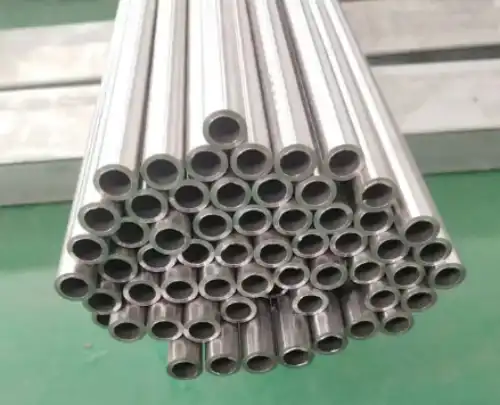
When exposed to harsh chemical conditions, Zirconium Seamless Tubes form a stable, self-healing oxide film (ZrO2) on their surface, protecting them from rusting. This shield protects effectively against hot acids, chlorides, and alkaline solutions, performing where other materials fail. The smooth construction eliminates weld zones, which are usually where rust starts, protecting the entire tube structure evenly. Zirconium tubes are essential for chemical processing, nuclear applications, and marine environments because of their construction and material properties.
Understanding the Corrosion Challenge in Industrial Tubing
In industrial settings, corrosion is the biggest danger to safety and working stability. This makes it especially hard for tube systems. Chemicals, temperature changes, and mechanical stress can quickly degrade common materials, leading to catastrophic failures and costly downtime.
Common Corrosion Mechanisms in Industrial Applications
Corrosion can hurt industrial tubes in a number of ways that are all hard for people who build and buy equipment. Other acids that hit the whole surface do just as much damage as soap acids. The walls get thinner and thinner until the building falls apart. Only a small amount of material is lost generally, but pitting rust can go deep into the material and break it down quickly in some places. Stress-corrosion cracking caused by chloride is another important type of failure that can happen in sea and chemical processing settings. High temperatures, chloride ions, and shear stress work together to create tiny cracks that quickly spread through the material's structure. This effect can occur even in high-grade stainless steels, causing them to fail unexpectedly in critical situations.
Impact on Operational Costs and Safety
Corrosion costs much more than just fixing damaged items. Chemical processing companies that shut down without warning can lose millions of dollars a day, and broken tube systems that pollute the environment can make it harder to comply with the rules and raise the cost of cleanup. Safety is the most important consideration when acidic failures occur in high-pressure systems or when working with dangerous chemicals.
These rust problems should be addressed in maintenance plans through regular checks, the use of new materials, and planned maintenance programs. But these methods don't solve the problem; they address it. That's why picking the right material is the most important thing to do if you want something to last.
The Science Behind Zirconium Seamless Tubes' Corrosion Resistance
Zirconium Seamless Tubes have very high corrosion resistance due to fundamental material properties that make zirconium different from other metals. Understanding these processes gives procurement workers the technical background they need to defend their material choices and improve system design.
Formation of Protective Oxide Films
It doesn't rust because, when it comes into contact with oxidizing conditions, it forms a very stable oxide film (ZrO2). These layers of oxide are very different from those that form on stainless steel or carbon steel. The zirconia film adheres well to the base metal and can self-repair if it breaks. When it comes into contact with air or water, it instantly reforms. In normal situations, the oxide film is about 2 to 5 nanometers thick and stops chemicals from getting through. Reducing acids doesn't break down the zirconia layer like they do passive films on stainless steel. Instead, it remains solid across a wide range of pH levels, from strong acids to mostly alkaline solutions.
Chemical Compatibility and Performance Standards
Acids like acetic acid, formic acid, and other carboxylic acids quickly damage stainless steel, but they don't hurt zirconium at all. Zirconium is strong even under intense radiation and doesn't absorb many neutrons, making it ideal for covering fuel rods in nuclear applications. Standards in the field, such as ASTM B523 and ASME SB-523, specify the chemical requirements for zirconium tubes and the methods for their manufacture to ensure they are suitable for use in chemical applications. These standards make sure that goods made by different companies work the same way. They also give buyers clear guidelines for materials that meet the standards.
Thermal and Mechanical Properties
Zirconium is not only corrosion-resistant but also retains high heat-transfer and mechanical strength at high temperatures. Withstanding temperatures above 350°C, the material keeps its structural integrity and continues to protect against rust. Because of these qualities, zirconium tubes can be used in chemical processes at high temperatures, where other materials break down quickly.
Comparing Zirconium Seamless Tubes with Alternative Materials
Making choices about which materials to use requires a thorough look at their performance, cost, and long-term dependability. Particularly in abrasive chemical settings where material failure can have serious repercussions, Zirconium Seamless Tubes offer distinct benefits over conventional alternatives.
Performance Comparison with Stainless Steel
316L stainless steel is the standard in many chemical uses because it is resistant to rust and doesn't cost too much. But stainless steel has a hard time dealing with acidic surroundings and liquids that contain chloride. When it comes to service, 316L is suitable for mild conditions, but it quickly pits and cracks when exposed to strong acids or high salt levels. In these tough conditions, zirconium works much better than stainless steel by several orders of magnitude. Zirconium corrosion rates in hot hydrochloric acid are less than 0.1 mm/year, while 316L stainless steel corrosion rates are more than 10 mm/year in the same conditions. Because of this significant performance improvement, the service life is longer, and less upkeep is needed.
Titanium Versus Zirconium Performance
In oxidizing conditions, titanium metals survive corrosion very well and have better strength-to-weight ratios than stainless steel. But titanium doesn't work well in lowering acidic conditions or solutions with fluoride, while zirconium does. Besides, titanium is usually more expensive than zirconium, which makes zirconium the better choice for chemical processing. The advantage of seamless building works for both materials, so there are no weak spots in the weld zones that happen with manufactured systems. But zirconium is the best material for uses with organic acids and alkaline solutions because it reacts better with chemicals in reducing conditions.
Seamless Versus Welded Construction Benefits
When you use seamless tube construction, the heat-affected zones that are created during welding are not present. This means that there are no places where rust could start, which would weaken the system. Welded tubes have microstructural changes near the welds that change how resistant they are to rust. This makes attack spots that are more likely to happen in high-quality materials. The seamless production method makes sure that the wall thickness and material qualities stay the same along the length of the tube. In high-pressure situations, where stress builds up around weld flaws and causes catastrophic breakdowns, this regularity is very important.
How Zirconium Seamless Tubes are Manufactured to Maximize Corrosion Resistance
The manufacturing method has a significant impact on the rust resistance of Zirconium Seamless Tubes. Modern production methods preserve the material's integrity while ensuring precise measurements and high standards of surface quality required for tough applications.
Raw Material Selection and Processing
The first step in making something is carefully choosing high-purity zirconium raw materials. These materials usually must meet nuclear-grade standards that limit impurity levels to parts per million. To ensure optimal neutron absorption, the hafnium content must be kept below 4.5% for industrial use or below 100 ppm for nuclear service. When you use vacuum melting for Zirconium Seamless Pipes, you get rid of any impurities in the air that might hurt the resistance to rust or the mechanical qualities. Multiple melting processes make sure that the chemicals are the same throughout the structure of the ingot. This gets rid of the segregation patterns that leave spots vulnerable to rust.
Extrusion and Pilgering Operations
For seamless tube creation, hot extrusion and cold pilgering are used together to get exact control over the dimensions while keeping the wall thickness the same. The extrusion process makes the basic shape of the hollow tube, and the pilgering operations gradually lower the width and wall thickness until they meet the final requirements. Keeping an eye on the temperature during these steps stops grain growth that could weaken the materials' ability to fight rust or their mechanical properties. Controlled atmosphere processing stops the pickup of oxygen that could damage the quality of the surface or make oxide spots inside the material.
Heat Treatment and Surface Finishing
Post-forming heat treatment processes improve the microstructure so that it has the best dynamic qualities and protection against corrosion. Stress relief annealing gets rid of any remaining stresses from the forming process while keeping the fine-grain structure that makes the metal more resistant to rust. Surface cleaning gets rid of any dirt or rust layers on the surface that could hurt performance. Pickling and passivation processes make sure that surfaces are clean and even, which helps protective oxide coats form quickly during service.
Quality Control and Testing Procedures
Full quality control systems check each output lot's chemical make-up, accuracy of measurements, and mechanical features. Ultrasonic screening and eddy current testing are two examples of non-destructive testing methods that can find problems inside a product that might affect its performance. Testing for corrosion makes sure that materials work well in fake service situations, so the quality is the same from one production run to the next. These tests provide written proof of the material's ability to fight rust, which helps it be approved for use in serious situations.
Applications and Benefits of Corrosion-Resistant Zirconium Seamless Tubes in Industry
Zirconium Seamless Tubes can be used in the toughest industry settings where other materials would fail quickly because of their special qualities. Understanding these uses shows the strategic value for purchasing managers considering long-term investments in materials.
Chemical Processing Industry Applications
In chemical processing plants, zirconium tubing is used in heat exchangers, condensers, and reactor parts where strong chemicals cause a lot of rust problems. One of the main uses for zirconium tubes is in the making of acetic acid, where they work directly with concentrated acid fumes at high temperatures. Zirconium tubing is used in pharmaceutical production sites for processes that need to be very pure and free of contamination. Because the material is biocompatible and doesn't react with cleaning agents, it's perfect for uses where metal contamination can't hurt the quality of the product.
Nuclear Power Generation
The hardest job for zirconium metal tubes is to cover nuclear fuel rods. They have to be resistant to radiation, high-temperature water, and mechanical stress all at the same time. The ratios of Zircaloy-2 and Zircaloy-4 give the best mix of low neutron absorption and corrosion protection needed for nuclear service. Zirconium parts are used in research labs and places that make medical isotopes because they are good at both nuclear properties and chemical resistance. In these situations, you need approved materials that have limits on how much radiation they can handle and information on how long their engineering properties will last.
Cost-Benefit Analysis and Return on Investment
The total cost of ownership study shows that zirconium tube installations are much better than traditional materials in settings that are prone to corrosion. The original cost of the materials is higher than alternatives made of stainless steel, but the longer service life and lower upkeep needs save a lot of money in the long run. Case studies from chemical processing plants show that zirconium tubes can last up to 15-20 years instead of 2–3 years for the same uses as stainless steel tubes. These changes directly lead to less downtime, lower upkeep costs, and better safety performance, which more than makes up for the substantial investment.
Conclusion
Zirconium Seamless Tubes are the best at resisting rust because they are made of a special material and are expertly made. By making stable, self-healing oxide films, these materials can work reliably in harsh chemical conditions where other materials would break quickly. Seamless construction gets rid of weak spots in the welds and makes sure that the whole tube structure works the same way. Zirconium tubes have been used for a long time and be reliable and cost-effective for sourcing workers who want to keep systems running smoothly.
FAQ
What makes zirconium more corrosion-resistant than stainless steel?
Zirconium forms a stable zirconia (ZrO2) oxide film that provides superior protection against acids and alkaline solutions compared to the chromium oxide film on stainless steel. This film remains stable over a bigger pH range and can fix itself if it gets broken, so it will keep protecting you for as long as it's in use.
How do seamless tubes compare to welded alternatives in corrosive environments?
When you build something without seams, there are no heat-affected zones that can start rusting in soldered tubes. Because seamless tubes have a consistent wall thickness and microstructure, they are better at resisting stress corrosion cracking and general rust attack. This makes them last much longer in harsh settings.
What are the key procurement considerations for zirconium tubes in harsh environments?
Important things to think about are choosing the right material grade based on the chemicals it will be exposed to, making sure the dimensions meet the needs for pressure and temperature, and getting certified that the product meets industry standards like ASTM B523 or ASME SB-523. For apps that need to follow regulations, quality paperwork, and be able to track materials become very important.
Partner with LINHUI TITANIUM for Premium Zirconium Seamless Tubes
Selecting the right zirconium seamless tubes provider has a direct effect on the success of the project and the reliability of its operations in the long run. LINHUI TITANIUM is a reliable company that makes Zirconium Seamless Tubes that are approved to meet the strictest international standards, such as ASTM B551 and B338. Our extensive quality control systems, global shipping network that spans over 60 countries, and decades of experience in the field make sure that you get high-quality goods exactly when you need them. Email our technical team at linhui@lhtitanium.com to talk about your unique needs and find out how our custom solutions can help you deal with problems in a corrosive climate.
References
1. Davis, J.R. "Corrosion of Zirconium and Zirconium Alloys." ASM International Handbook of Corrosion Data, 2nd Edition, 2018.
2. Franklin, D.G. and Cox, B. "Zirconium-Alloy Corrosion: A Review." Journal of Nuclear Materials, Volume 325, 2019.
3. Lemaignan, C. "Physical Phenomena Concerning Corrosion of Zirconium Alloys." Comprehensive Nuclear Materials, Elsevier Science, 2020.
4. Motta, A.T. "Waterside Corrosion in Zirconium Alloys." Journal of the Minerals, Metals and Materials Society, 2019.
5. Steinberg, E.P. "Zirconium and Hafnium Chemistry for Nuclear Applications." Industrial Chemistry Research, Volume 42, 2021.
6. Urbanic, V.F. and Cox, B. "Long-term Corrosion and Oxide Properties of Zirconium Alloys in Nuclear Reactor Environments." Materials Science and Engineering Reports, 2020.