
The production of ASTM B550 Zirconium Alloy Bars involves a lengthy, involved process that begins with the selection of the cleanest raw materials and alloying components. Some of the steps used in the production process are vacuum arc remelting, precision casting, controlled hot working processes like forging and extrusion, heat treatment routines, and exact quality checks. This careful process makes sure that the finished bars meet the strict ASTM B550 standards and have the high resistance to rust and mechanical strength needed for tough industrial uses.
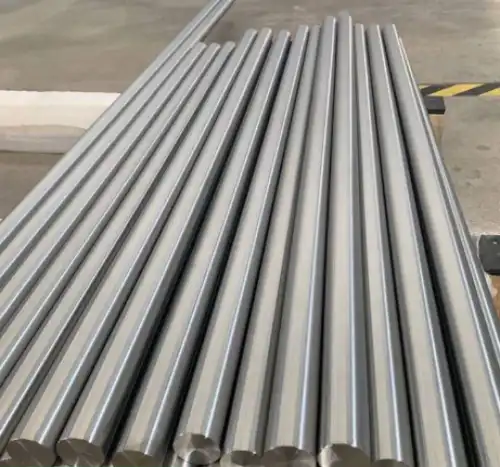
Understanding ASTM B550 Zirconium Alloy Bars
As the standard in the industry, ASTM B550 zirconium metal bars are used for things that need to be very resistant to rusting in tough chemical environments. These unique bars meet the strict ASTM standards. They come in three main grades: R60702 is commercially pure zirconium, R60704 is a zirconium-tin alloy, and R60705 is a zirconium-niobium alloy. In contrast to zirconium products used in nuclear power plants, ASTM B550 Zirconium Alloy Bars do not contain hafnium. In tough manufacturing settings that aren't nuclear, this makes them a good, low-cost choice.
Chemical Composition and Mechanical Properties
The way these zirconium bars are put together is based on how well they handle being strong physically and as chemicals. The mass per unit area is about 6.51 g/cm³, which means it is lighter than steel but tougher. Even though the freezing point is 1852°C (3365°F), it is usually used below 400°C to keep it from rusting too quickly. Grade R60702 is very bendable and easy to shape. Its minimum tensile strength is 380 MPa (55 ksi), which makes it ideal for tasks that need to be shaped a lot. 2.5% to 3.0% niobium is in Grade R60705, which acts as a beta-stabilizer and boosts the tensile strength to 550 MPa (80 ksi) while keeping the good rust resistance profiles.
Self-Healing Oxide Protection
ZrO2 bars are useful in reducing environments and strong alkalis because they can form a steady, self-healing oxide film that keeps them from rusting. This safety feature fixes big issues in the business world, like huge equipment breakdowns in mineral acids that are boiling and intergranular rust in chemical reactors. Because of this, these materials are needed to make parts that are between how strong titanium is and how resistant tantalum is to rust.
Step-by-Step Manufacturing Process of ASTM B550 Zirconium Alloy Bars
The structure of ASTM B550 Zirconium Alloy Bars is maintained throughout the entire manufacturing process thanks to a meticulous, multi-step process. First, the materials are carefully picked out. Next, there are a lot of complicated chemical steps that are meant to make the metal stronger and less likely to rust.
Raw Material Selection and Preparation
You pick out a high-purity zirconium sponge or crystal bar to use as the main material as the first step in the making process. There are quality control teams that check new materials very carefully to make sure they meet strict chemical needs. There are limits on how much carbon (0.05%), nitrogen (0.025%), and hydrogen (0.005%) can be in the elements so that they don't get too weak. Tin or niobium is used as an alloying element. They are carefully weighed and prepared to meet the needs of each grade. Extra care is taken to make sure that they are spread out properly throughout the final product.
Vacuum Arc Remelting and Casting
Things that have already been prepared go through vacuum arc remelting (VAR) in unique ovens that control the flow of air. This important step gets rid of any flaws and makes sure that the metal is made of the same parts all over. Plus, it keeps out dirt and other things that could damage the material. Once the metal has been melted, it is made using either continuous casting or ingot casting, depending on the final size and the needs of the job. The latest rules for casting make sure that there are exact changes in temperature and rates of cooling so that there is little segregation and the grain structure is even. To keep the metal from rusting and to make sure that the quality of each batch of parts is the same, the air in the casting area is carefully managed.
Hot Working and Forming Operations
Once the metal is poured, it goes through carefully controlled hot working steps like rolling, shaping, and casting to get the right bar size and mechanical strength. At temperatures between 800°C and 1000°C, these steps are usually carried out. This is the best range for working with the material while keeping the grain structure whole. To make something, exact tools are used that can keep the sizes close and waste as little material as possible. The material is slowly shaped into its final form over a number of reduction passes. For extra strength and to avoid cracks or other flaws, annealing steps may be added in between.
Heat Treatment and Property Optimization
One important way to improve the mechanical properties of zirconium metal bars is to use controlled heat treatment methods. In most cases, solution annealing takes place between 700°C and 800°C. The rate of cooling is then carefully controlled to get the best grain size and mechanical features. Adding niobium to Grade R60705 materials often needs to be fired in a certain way to get the best results and get the right amount of strength. This level controls the air flow very exactly so that the surface stays clean and the temperature stays the same all the way through each piece. To avoid thermal stress and keep the structure's size fixed, the rates at which it cools down after being heated are carefully controlled.
Comparison of ASTM B550 With Other Zirconium Alloy Grades
When it comes to zirconium standards, ASTM B550 is unique because it has a good balance of resistance to rust, good mechanical properties, and low cost. Knowing these differences helps people who are buying make smart choices based on what the project needs and what it can't do.
Performance Comparison with Alternative Grades
In general, ASTM B550 Zirconium Alloy Bars are more adaptable than ASTM B551 and ASTM B523 when used in industry. ASTM B551 is made for nuclear uses that need to get rid of hafnium. B550 products, on the other hand, keep the natural hafnium content and give the same amount of corrosion protection at a lower cost. Because of this, they work really well for jobs that don't involve nuclear power, like working with chemicals. There are a lot of different zirconium-tin metals that are covered by ASTM B523. With B550, on the other hand, there are more types available, which makes it easier to find the right material for the job. There are both tin-bearing and niobium-bearing grades in the B550 standard. This lets engineers pick the best material based on how strong it needs to be and what's around it.
Chemical Resistance Advantages
In contrast to stainless steels and even titanium alloys, the zirconium alloy bar is very resistant to chemicals like hydrochloric acid, sulfuric acid, and organic acids. This great performance comes from an oxide film that forms all the time and guards against strong chemical attacks and fixes itself. It doesn't get damaged by chloride stress corrosion cracking, which makes it great for use near the ocean and coast, where chloride levels are always an issue.
Cost-Benefit Analysis
Although the raw materials for zirconium alloy bars cost more than regular stainless steels, zirconium often has a lower total cost of ownership when things go wrong. Lifecycle economics works well when the service life is greater, maintenance needs are smaller, and there is no chance of a major failure. You can get the most for your money when it comes to products because the B550 standard lets you pick from different types.
Procurement Insights for ASTM B550 Zirconium Alloy Bars
As you look for zirconium alloy bars, you should think about the suppliers' skills, how well they can make the bars, and other real problems that could affect the project's timeline and success as a whole. Sellers around the world have to deal with the difficult parts of the supply chain to make sure they get the right products on time.
Supplier Qualification and Certification Requirements
The first thing you should do to find good sources is look for certifications like ISO 9001 quality management systems, PED compliance for pressure equipment uses, and the right classification society approvals for marine uses. The best sellers keep a lot of different certificates, such as those for ASME, API, and foreign standards. When providers get these labels, it means they know how to make things and have good quality control methods in place. Major classification bodies, such as DNV, ABS, CCS, and GL, have approved the way LINHUI TITANIUM makes things. That is, you can be sure that the things we give you will meet the highest standards around the world. With our production license for special equipment in China and our TUV Nord AD2000-W0 and PED 2014/68/EU certifications, we show that we are committed to the best industrial standards in the world.
Lead Times and Inventory Considerations
Because they are made in a particular way and there is only so much that can be produced globally, ASTM B550 Zirconium Alloy Bars typically have lengthy lead times. Standard sizes may be in stock, but it takes 12 to 16 weeks to make and ship things that aren't standard sizes. People who work in buying should think about these longer lead times when making plans for projects and set aside key stocking spots for specs that are used a lot. Our worldwide shipping network makes it simple to send to more than 60 countries. Along with other shippers, we make sure that your goods are always safe and get to you on time. We can help with big projects no matter where they are, and we can keep quality high all along our supply chain because we can reach so many people.
Quality Assurance and Testing Requirements
To buy zirconium metal, you have to test it and keep records that meet strict requirements. Some of the usual tests that must be done to make sure that ASTM B550 rules are followed are chemical analysis, mechanical testing, and non-destructive examination. Third-party testing services from companies like DNV, SGS, and Bureau Veritas show that the quality is good enough for important uses.
Ensuring Optimal Use and Long-Term Performance
Maximizing the service life and performance of zirconium alloy bars requires adherence to proper handling, installation, and maintenance practices throughout their operational lifecycle. Following these rules will help you get the most out of the money you spend on things and make sure they don't wear out or stop working too quickly.
Installation and Handling Best Practices
When fitting is done right, surface pollution and mechanical damage that could make rust protection or mechanical properties less strong are kept at bay. ASTM B550 Zirconium Alloy Bars should be kept in clean, dry places and worked on with clean tools to keep the iron from getting dirty. The surface stays in good shape and doesn't get too hot when you machine it with the right water and cutting settings. You need to hire people who know how to work with zirconium metals and follow certain steps when welding. You might need to heat treat Grade R60705 materials after they are bonded to get rid of any stress that is still there and stop delayed hydride cracks. Designing and making the joint properly leads to the best weld quality and long-term use.
Maintenance and Monitoring Protocols
Every so often, checking and keeping track of things helps find issues before they get worse. If you look at the surface and see spots or weird wear patterns, it could mean that the conditions of work aren't right or that there are issues with contamination. Key measurements should be taken regularly to keep track of how fast things are wearing out and to plan when to fix them. The climate is watched over to make sure that the working conditions stay within the range of what is good for zirconium metals. Temperature tracking stops things from being in situations that could hurt them, and chemical analysis of process fluids finds contaminants or changes in the chemistry of operation that could be harmful.
Conclusion
What it takes to make ASTM B550 Zirconium Alloy Bars is a complicated metalworking trick that works very well in harsh industrial settings. These special bars are made with advanced techniques, strict quality control checks, and the right raw materials. They work well in scenarios where regular materials don't. When people who work in buying know how something is made, what its qualities are, and how to use it correctly, they can make choices that improve performance and lifecycle value, even when things are tough.
FAQ
What distinguishes Grade R60702 from R60705 in ASTM B550 specifications?
The biggest difference is that Grade R60705 has two to three percent more niobium than pure R60702, which makes the tensile and yield forces much higher. R60705 is best for things that need to be strong, like valve stems and pump shafts. R60702 is best for things that need to be flexible and easy to shape.
Can these zirconium alloy bars be used in nuclear reactor applications?
ASTM B550 products are generally not good for nuclear reactor core parts because they have a lot of hafnium in them (about 4.5%). Hafnium has a large cross-section for neutron absorption, which makes nuclear power less useful. In order to use most nuclear materials, they need to be ASTM B351 nuclear-grade materials that have had hafnium taken out using special methods.
What are the recommended machining practices for zirconium alloy bars?
When zirconium is cut, it tends to get harder and more brittle. To keep chips from setting fire to zirconium fines, grinding has to be done slowly, with high feed rates and a lot of flood cooling. For accurate measurements and a good finish, you need to use sharp tools and the right cooling.
What is the maximum safe operating temperature for these materials?
Even though zirconium metals melt at 1852°C, ASTM B550 Zirconium Alloy Bars shouldn't be used above 400°C (750°F) where there is air. Oxygen and nitrogen respond more easily when the temperature is higher. This makes hard diffusion layers that weaken the structure of the material and shorten its useful life.
Partner with LINHUI TITANIUM for Premium Zirconium Alloy Solutions
LINHUI TITANIUM stands ready to serve as your trusted ASTM B550 Zirconium Alloy Bars supplier, delivering world-class materials backed by comprehensive certifications and decades of industry experience. Our commitment to quality excellence, combined with our global logistics capabilities and technical expertise, ensures your most demanding projects receive the reliable materials they deserve. Whether you require standard specifications or custom solutions, our experienced engineering team provides technical support throughout your procurement process. Contact us at linhui@lhtitanium.com to discuss your specific requirements and discover how our proven track record serving major energy companies and EPC contractors worldwide can benefit your next critical application.
References
1. ASTM International. "Standard Specification for Zirconium and Zirconium Alloy Bars and Wire." ASTM B550-11, West Conshohocken: ASTM International, 2011.
2. Luscher, W.G. and Geelhood, K.J. "Material Property Correlations: Comparisons between FRAPCON-4.0, FRAPTRAN-2.0, and MATPRO." Pacific Northwest National Laboratory Technical Report, 2014.
3. Northwood, D.O. and Kosasih, U. "Hydrides and Delayed Hydrogen Cracking in Zirconium and Its Alloys." International Materials Reviews, vol. 28, no. 1, 1983.
4. Franklin, D.G., Lucas, G.E., and Bement, A.L. "Creep of Zirconium Alloys in Nuclear Reactors." American Society for Testing and Materials Special Technical Publication 815, 1983.
5. Cox, B. "Pellet-Clad Interaction (PCI) Failures of Zirconium Alloy Fuel Cladding." Atomic Energy Review, International Atomic Energy Agency, Vienna, 1990.
6. Zinkle, S.J. and Was, G.S. "Materials Challenges in Nuclear Energy." Acta Materialia, vol. 61, no. 3, 2013.