
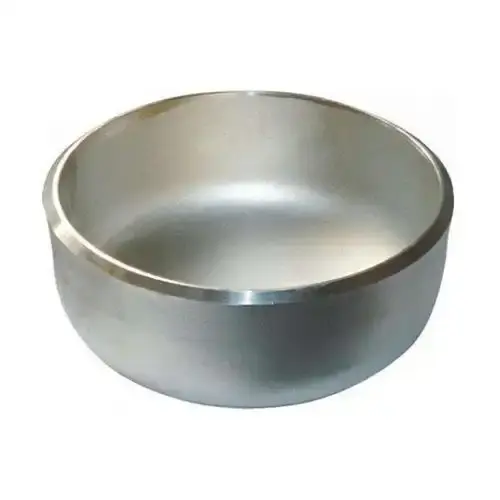
When discussing critical pressure vessel components, Dished End Caps consistently emerge as indispensable elements in industrial engineering. These precision-formed closures serve as the structural backbone for cylindrical vessels, transforming flat materials into geometrically optimized shapes that withstand immense internal pressures. The fundamental role of dished ends extends across petrochemical refineries, pharmaceutical fermenters, cryogenic storage systems, and marine applications, where containment reliability directly impacts operational safety and efficiency. Understanding their design principles, material specifications, and procurement considerations empowers engineering teams to specify components that deliver decades of uninterrupted performance under the most demanding conditions.
Introduction to Dished Ends and Their Importance in Industrial Applications
Understanding the Structural Function of Pressure Vessel Closures
In many different types of industries, cylinder-shaped pressure vessels, storage tanks, and large-diameter pipe systems use dish-shaped ends as their final caps. The convex shape, which can be ellipsoidal, torus-shaped, or hemispherical, changes the internal stress from hoop forces that are focused into patterns that are fairly spread along the axes. This ability to handle stress stops catastrophic failure modes that happen a lot in flat-plate seals that are loaded with pressure over and over again. Usually, high-quality materials are cold spun or hot pressed during the manufacturing process. This makes smooth shapes that don't have weak spots caused by welding in important containment applications.
Critical Applications Across Energy and Process Industries
Dished End Caps are very important in the oil and gas industry for refining columns that work at temperatures of up to 400°C and pressures of over 100 bar. Chemical processing plants use these parts in units that deal with corrosive media. The choice of material and surface finish has a direct effect on the quality of the product and the life of the equipment. In power plants, boiler drums and heat exchangers have dished ends. Pharmaceutical companies, on the other hand, ask for polished stainless steel versions that meet safe design standards for clean working areas. Maritime uses include buffer tanks and cargo holding systems that have been approved by DNV, ABS, and Lloyd's Register, among others.
Material Science and Pressure Containment Principles
The way the dish ends works is because basic material properties combine with geometric design factors. High yield strength retention after cold forming protects the structure, and controlled shrinking rates at knuckle radii keep the wall thickness within the limits set by ASME Section VIII. Titanium alloys are very resistant to rust and have a high strength-to-weight ratio, which lowers structural dead load in uses that care about weight. For moderate-service settings, carbon steel types like SA516 Gr 70 are a cost-effective choice. On the other hand, austenitic stainless steels don't crack when exposed to chloride stress corrosion in marine environments.
Comprehensive Overview of Dished End Caps: Dimensions, Materials, and Standards
Standard Dimensions and Geometric Configurations
Dimensional standards around the world make sure that Dished End Caps work with vessel shells and make automatic welding processes easier. Ellipsoidal heads, which are usually made with aspect ratios of 2:1, offer the best pressure protection for high-stress situations. Torispherical designs have shorter crown levels, which saves money on materials while still being strong enough for low- to medium-pressure services. Hemispherical ends can handle the most pressure, but they need more complicated shaping steps and more material. Tolerances for crown radius, knuckle radius, and total height have a direct effect on how accurately parts fit together during final assembly.
Material Selection Criteria for Industrial Environments
To pick the right materials for Dished End Caps, you need to carefully look at how they will be used, how they will corrode, and how much mechanical stress they can handle. Titanium alloys work better in harsh chemical conditions because they can handle high amounts of chlorides, sulfuric acid, and nitric acid, which quickly break down other materials. When exposed to air, the passive oxide layer forms right away, protecting against pitting and crevice rust and fixing itself. Normalizing heat treatments are used on different types of carbon steel to smooth out the grain structure and make the steel more flexible. Solution annealing is used on different types of stainless steel to recover corrosion protection that was lost during cold forming. At LINHUI TITANIUM, we manufacture Dished End Caps from high-quality titanium alloys that we get by following strict standards for material tracking. At our Xi'an factory, we use cutting-edge manufacturing technologies that keep the wall thickness the same in areas of high stress. Each part goes through a full quality check that includes laser calipers to make sure the measurements are correct, ultrasound flaw detection to find problems inside the part, and hardness tests to make sure the heat treatment worked properly.
Compliance with International Engineering Standards
Every step of making a dish is governed by well-known standards, from getting the materials to checking them for quality. Section VIII of the ASME Boiler and Pressure Vessel Code sets out design methods for figuring out thickness based on internal pressure, the maximum amount of load that the material can take, and joint efficiency factors. The European Pressure Equipment Directive (PED 2014/68/EU) says that parts placed in EU member states must go through conformity assessment processes. Classification groups put out extra rules for marine uses that say how tough something has to be against contact and how far it can be tested without damaging it. LINHUI TITANIUM has many certificates, such as PED, CCS, ABS, DNV, and ISO 9001:2015, which show that we are committed to meeting world standards.
Comparing Dished End Caps: Making the Right Choice for Your Project
Evaluating Geometric Profiles for Pressure Requirements
Which of the ellipsoidal, torispherical, and hemispherical shapes to use relies on the highest working pressure, the diameter of the vessel, and cost. Ellipsoidal heads are common in petrochemical production equipment because they are a good mix between material efficiency and pressure capability. Torispherical shapes are good for atmospheric holding tanks and low-pressure reactor vessels because they make shaping easier and use less material. Hemisphere-shaped ends can handle the most stress, but they need a lot of material and special tools to shape them. To figure out the needed thickness, engineering teams must Dished End Caps use ASME methods that take into account the stress concentration factors that are unique to the shape.
Material Property Comparisons: Titanium Versus Conventional Alloys
Titanium Dished End Caps are much better than stainless steel and carbon steel options in places where rust is common. The density of the material, which is 4.5 g/cm³, makes it 45% lighter than stainless steel. This means that less base and structure load is needed. Grade 5 titanium metal has yield strengths higher than 480 MPa, which lets thinner wall sections keep the same pressure levels while cutting down on material costs. Titanium is very tough at low temperatures, so it doesn't break as ferritic steel does at temperatures below -50°C, which is useful for cryogenic uses. The higher cost of the material at first is supported by its longer service life (over 30 years in salt water) and the fact that protective coating costs are no longer needed.
Manufacturing Methods: Seamless Versus Welded Construction
Seamless, rounded ends made from single plates get rid of weld joint breaks that could cause stress cracks when the load is cycled. This way of building works well for important services where weld checks add a lot to the cost and time of the project. Welded segmental designs are needed when the diameter is bigger than the available plate width, which means that the full-penetration butt welds have to be x-rayed. Post-weld heat treatment fixes the qualities of the base material in the area that was damaged by the heat, but thick-section parts may still have leftover stresses. LINHUI TITANIUM uses precise forming methods to make titanium dished ends with a width of up to 3000 mm that are smooth. This way, there are no quality issues related to the welds.
Installation, Maintenance, and Benefits of Dished End Caps
Proper Installation Procedures for Structural Integrity
When installing Dished End Caps, it's important to pay close attention to how the edges are prepared, how the caps fit together, and how they are welded. The joint around the dished end and cylinder shell needs to have its sides cut at certain angles, usually between 30° and 37.5° with 2mm land faces, so that the whole thing can be fused. Alignment limits make sure that the gap sizes are the same around the whole diameter. This stops stress from building up in one area, which shortens the fatigue life. The welding process specs must include the required preheat temperatures, interpass temperatures, and post-weld heat treatment steps that are based on the thickness and make-up of the material. When qualified welders follow accepted methods, they make joints that meet the ASME Section VIII standards for radiographic acceptance.
Routine Inspection and Preventive Maintenance Strategies
Systematic inspection methods must cover both the external and internal areas of dished ends to get the most use out of them. Surface corrosion, coating degradation, and mechanical damage from contact or shaking can all be seen. Ultrasonic thickness readings keep track of how much material is being lost during corrosive service, so replacements can be made before the wall thickness goes below the minimum standards set by the design. Testing with magnetic particles or liquid penetrants can find cracks that start at stress concentration points or weld toes and break through the surface. During planned turnarounds, internal inspections check for pitting depth, erosion patterns, and buildup of deposits that could lead to isolated corrosion cells. Inspection records that are written down set standard conditions and provide moving data that supports maintenance strategies that focus on reliability.
Long-Term Performance Benefits in Critical Services
When you choose high-quality materials like titanium for Dished End Caps, you get a lot of value over the long term that goes beyond the initial investment. Corrosion resistance means that repairs or replacements don't have to be shut down without warning. This is very important for ongoing processing facilities that need to keep production going. The total cost of ownership goes down because less upkeep is needed, like fewer inspections, reapplication of coatings, and rust allowances. Titanium is biocompatible, which means it can be used in medicine and food processing settings where the risk of contamination must be kept to a minimum. Because the material isn't magnetic, it can be used in specific situations near sensitive instruments or MRI equipment. The precisely designed parts made by LINHUI TITANIUM last for decades and come with full material traceability paperwork and third-party approval.
Procuring Dished End Caps: A Practical Guide for Buyers and Procurement Managers
Evaluating Supplier Capabilities and Certifications
To successfully buy Dished End Caps, you must first carefully evaluate the technical skills, quality systems, and shipping history of each potential seller. Manufacturers should keep up-to-date certifications from reputable organizations, such as the ASME "U" stamp permission, PED Notified Body approvals, and classification society recommendations. Certification of a quality management system to ISO 9001 shows that the design, production, and testing processes are controlled in a planned way. Looking at examples of past projects shows that they have dealt with similar pressure rates, materials, and size needs. Site audits compare what the claimed skills of production tools, testing lab accreditation, and staff qualifications are to what they actually can do. The building that LINHUI TITANIUM uses has several foreign certificates, such as TUV Nord AD2000-W0, PED 2014/68/EU, and classifications from DNV, ABS, BV, Dished End Caps, and Lloyd's Register.
Technical Specification Development for Custom Requirements
When buying a custom-dished end, you have to be very clear about the geometric factors, material grades, testing standards, and deliverables for the paperwork. Engineers have to figure out the inside crown radius, knuckle radius, straight flange measurements, and edge preparation details that work with the way the vessel base is made. When describing materials, they should be based on well-known rules, such as ASTM B265 for titanium plate or ASME SA-516 for carbon steel. There may also be extra rules for things like impact tests or controlling the grain size. The cost and time of a nondestructive test depend on how much it covers (spot, partial, or full coverage). Documentation packages usually have Mill Test Reports according to EN 10204 3.1 or 3.2, measurement inspection reports, NDT records, and material tracking certificates that connect heat numbers on finished parts to heat numbers on source materials.
Managing Lead Times and Logistics for Project Success
When making purchases, you need to account for production lead times that can be anywhere from 8 to 16 weeks, based on the supply of materials, the complexity of the size, and the need for testing. Commonly available standard designs in common materials can be shipped more quickly from stock, but custom titanium Dished End Caps need to be ordered, shaped, heated, and inspected. Costs go up because of having to buy more expensive materials and work longer hours, but they may be worth it if you compare them to the fees for being late on a job. Things to think about when sending things internationally are how to package things so that important surfaces don't get damaged, making sure that the export paperwork is correct, and choosing the right way of transportation by weighing cost against delivery time. LINHUI TITANIUM keeps smart stockpiles of materials and a flexible production capacity so it can serve customers in over 60 countries and deliver on time.
Conclusion
Choosing the right dished ends is a very important choice that has a direct effect on the safety, dependability, and cost-effectiveness of the pressure tank over its entire life. This in-depth look at the topic has covered basic design rules, criteria for choosing materials, manufacturing standards, and the best ways to buy things that are needed for accurate specification. Titanium Dished End Caps have the best corrosion protection and strength-to-weight performance, which is why they are used in demanding chemical, marine, and energy uses. For implementation to go smoothly, engineering teams must work together with skilled makers who can meet strict quality standards and delivery deadlines. It's worth spending more on high-quality parts because they last longer, need less maintenance, and give operators more faith in important containment applications.
FAQ
1. What distinguishes ellipsoidal from torispherical dished end designs?
Ellipsoidal heads feature a 2:1 ratio of major to minor axis, creating deeper profiles that distribute stress more uniformly under high internal pressure. Torispherical designs incorporate a smaller knuckle radius and flatter crown, reducing material volume and forming difficulty while providing adequate strength for moderate pressure applications. Engineering teams select configurations based on design pressure, vessel diameter, and economic optimization.
2. How do procurement managers verify material traceability for critical applications?
Material traceability verification begins with reviewing Mill Test Reports (MTRs) conforming to EN 10204 Type 3.1 or 3.2 standards, documenting the chemical composition and mechanical properties of the source material. Heat numbers stamped on Dished End Caps enable correlation between finished components and original mill certifications. Third-party inspection agencies like DNV, BV, or SGS provide independent verification of material pedigree and manufacturing compliance, offering additional assurance for high-consequence applications.
3 What factors influence lead times for custom titanium dished ends?
Custom component wait times depend on how long it takes to get the materials, how complicated the making process is, how many times they need to be heated, and when the nondestructive tests are scheduled. The first timeline is affected by the supply of titanium metal, especially for special grades or thick plates. Complex shapes that need more than one making stage or a lot of cutting add time to the manufacturing process. It takes longer to check something when there are a lot of tests to do, like radiographs and ultrasonic examinations. Suppliers with a lot of experience, like LINHUI TITANIUM, keep materials on hand and have enough production capacity to speed up delivery for projects that need to be done quickly.
Partner with LINHUI TITANIUM: Your Trusted Dished End Caps Manufacturer
LINHUI TITANIUM stands ready to support your critical pressure vessel projects with world-class titanium Dished End Caps manufactured to exacting international standards. Our Xi'an production facility combines advanced forming technology with rigorous quality assurance protocols, delivering components certified by DNV, ABS, PED, and ASME authorities. With successful supply relationships spanning major energy companies including CEFC, PETRONAS, PEMEX, and LUKOIL, we understand the exacting requirements of global EPC contractors and end users. Our engineering team provides technical consultation on material selection, dimensional specifications, and testing requirements tailored to your specific operating conditions. Contact us at linhui@lhtitanium.com to discuss your requirements with a knowledgeable Dished End Caps supplier committed to your project success. We offer sample evaluation programs, custom quotation services, and flexible production scheduling that align with your procurement objectives and delivery timelines.
References
1. American Society of Mechanical Engineers. (2021). ASME Boiler and Pressure Vessel Code, Section VIII: Rules for Construction of Pressure Vessels. New York: ASME Press.
2. Bednar, H.H. (1986). Pressure Vessel Design Handbook. New York: Van Nostrand Reinhold Company.
3. European Committee for Standardization. (2013). DIN 28011: Dished Ends - Tolerances. Berlin: Deutsches Institut für Normung.
4. Schutz, R.W. & Watkins, H.B. (1998). Recent developments in the application in the energy industry. Materials Science and Engineering: A, 243(1-2), 305-315.
5. Singh, R. (2019). Applied Welding Engineering: Processes, Codes, and Standards. Oxford: Butterworth-Heinemann.
6. Zeman, J.L. (2006). Pressure vessel design: The direct route. Journal of Pressure Vessel Technology, 128(4), 560-565.