
Yes, titanium tubing can be bent without cracking when proper techniques and processes are employed. Bending Titanium Tubings requires specialized knowledge of the material's unique properties, including its lower modulus of elasticity compared to steel and tendency for springback during deformation. Success depends on selecting appropriate alloy grades, maintaining optimal bending radii, using precision tooling, and maintaining controlled temperatures. At LINHUI TITANIUM, we have mastered these techniques to achieve bend radii as tight as 1.5x tube diameter with ±0.1° angular accuracy using Grade 2 and Grade 5 titanium alloys.
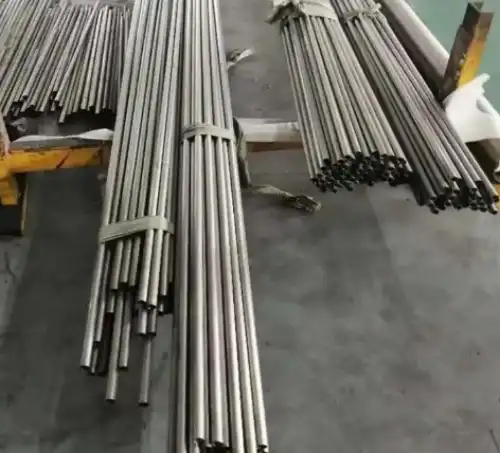
Understanding Titanium Tube Bending and Its Challenges
Titanium tube bending is the process of making titanium tubing into the right shapes or angles without damaging the material. Titanium is not as easy to shape as metals like aluminum or steel. Its unique features make it difficult to work with, and engineers and procurement workers must be careful to avoid problems.
Material Properties That Impact Bending Success
Titanium has a Modulus of Elasticity that is about half that of steel (105–120 GPa), which means that it has a lot of springback when it is deformed. To account for 15–25% springback rates, this property needs exact over-bending figures. The material is weak at room temperature and reacts badly to changes in temperature, which makes the bending process even harder.
Common Risk Factors in Titanium Bending
When something is bent, it is often at risk of cracking and deformation, which can be caused by a number of important factors. Not enough annealing doesn't ease internal pressures, and bad casting can lead to galling, a type of wear where titanium sticks to tool steel and won't move. Tightly twisting radii that are too small for the material and pollution from iron tools make more places where it can fail. It is important to understand these problems so that the methods used for Bending Titanium Tubings meet quality and performance standards in a wide range of industry settings.
Alloy Selection and Thickness Considerations
Accurate control of metal types and tube width has a big effect on how well bending works. Grade 2 economically pure titanium can be cold shaped very well and can stretch about 20%, so it can be used for normal bending tasks. Grade 5 (Ti-6Al-4V) metal is very strong, but it needs to be bent very hot because it is not very flexible. To keep the structure's stability during the making process, wall thickness ratios and ovality limits must be closely watched.
Proven Methods to Bend Titanium Tubing Without Cracking
Many specialty techniques have been created to work with titanium's unique properties and get results that don't crack. These methods deal with the material's tendency to spring back and its susceptibility to tool contamination.
Cold Bending Versus Hot Bending Approaches
Because fairly pure grades are easy to shape at room temperature, cold bending is often used for Titanium tube bending. This method works well for Grade 1, Grade 2, and Grade 9 metals, but there is a chance that they will wear out, and the minimum bend radius is limited. For high-strength metals like Grade 5, hot bending is needed because high temperatures briefly lower the yield strength and reduce the springback effects.
Annealing and Heat Treatment Protocols
By releasing internal pressures that built up during the making process, annealing titanium before bending it makes it less stiff. When done within the suggested temperature ranges of 650–750°C for commercially pure grades, this heat treatment makes the material more flexible and less likely to crack. The managed cooling process brings back the material's regular microstructure and protects its oxide layer from rust.
Precision Tooling and Equipment Requirements
Using precise tools made just for working with titanium guarantees uniform, high-quality bends that meet industry standards. Hardened brass mandrels stop galling, and special wiper dies keep the surface in good shape. Heavy-duty oils that don't contain chlorine make border layers that stop adhesive wear. More advanced rotary draw bending devices with mandrel support can make radius bends that are tighter while keeping the wall width the same.
Comparing Titanium Tube Bending with Other Materials
Titanium has a higher strength-to-weight ratio than both stainless steel and aluminum. It also resists rust very well, but it is harder to shape than other metals.
Performance Characteristics and Trade-offs
Although titanium is heavier than most metals, it has a higher strength-to-weight ratio and doesn't rust in harsh settings. It does need special tools and careful process control, though, because it is less flexible and more likely to crack when bent. The biocompatibility and temperature stability of the material make it useful in medical and military settings.
Economic Considerations in Material Selection
Titanium bending tools are usually more expensive than steel or aluminum bending tools, but the investment usually pays off in the form of better finished parts that last longer. The material's resistance to sulfide stress cracking and saltwater corrosion makes it last longer in offshore uses. This makes up for the higher cost of the original tools by requiring less upkeep.
Alloy-Specific Bending Characteristics
Choosing the right titanium material is a big part of how flexible and resistant to cracks the metal will be during the making process. Grade 2 titanium is very flexible and can be bent into complex shapes easily. Grade 5 metal, on the other hand, needs to be handled more carefully, even though it is stronger. These comparison insights help buying teams weigh material choices based on the needs of the project and the available budget.
Procuring Reliable Titanium Tube Bending Services and Suppliers
It is important to only buy from certified Bending Titanium Tubings providers to make sure that the quality is always the same and that they follow worldwide standards like ISO, AMS, and ASTM.
Quality Certifications and Standards Compliance
Comprehensive quality approvals, written warranties, and a track record of success in workplace settings are all signs of reliability. LINHUI TITANIUM keeps its certifications from DNV, ABS, CCS, BV, and other important classification societies up to date. This makes sure that it meets the standards for the aircraft (AMS 4928, MIL-T-9047), medical (ASTM F67, ISO 13485), and energy sector (ASTM B338, NACE MR0175) industries.
Supply Chain Optimization Strategies
Knowing the wait times, minimum order amounts, and price structures of suppliers makes it easier to come up with the best procurement strategies that balance low costs with on-time delivery. For accurate price requests, you should include specifics about the alloy grade, size, bend radius needs, and any relevant standards. This way, you can be sure that the services you receive are tailored to your project's needs.
Supplier Evaluation and Risk Management
When looking for titanium around the world, it's safer and more reliable to buy from well-known companies that have customer reviews and case studies that back up their claims. When putting together a complicated project, having long-term relationships with providers who can consistently deliver high-quality goods and offer expert support can be very helpful.
Best Practices to Avoid Cracking and Ensure Quality in Titanium Tube Bending
Following all the best practices during the whole bending process greatly lowers the chance of cracks and ensures that the quality of the product stays the same from one production run to the next.
Pre-Bending Preparation Protocols
Handling and storing materials correctly keeps them from getting dirty or damaged before they are formed. Protocols for surface preparation and cleaning get rid of dirt and other impurities that could cause cracks to spread during bending stress cycles. Before processing starts, the alloy's makeup, size, and surface state are checked by inspecting the material.
Process Monitoring and Quality Control
Real-time process tracking with accurate measuring tools and nondestructive testing methods lets you find any flaws or small cracks right away while Bending Titanium Tubings is being done. During production processes, temperature tracking, bend angle verification, and wall thickness measurements make sure that the tolerances are met.
Post-Bending Treatment and Inspection
Post-bending treatments, like stress reducing, make materials last longer by getting rid of the pressures that were introduced during forming. Acid pickling or passivation gets rid of surface dirt and returns the even oxide layer that is needed for rust resistance. Thorough final checks make sure that technical and dimensional standards are met, which boosts trust in the supply chain and the performance of the finished product.
Conclusion
Bending titanium tubing without cracking is doable with the right technique, precise tooling, and adherence to established best practices. Understanding titanium's unique features, following the right heat treatment steps, and keeping a close eye on quality throughout the process are all necessary for success. Investing in specialized tools and knowledge leads to better goods with high strength-to-weight ratios and resistance to corrosion, which are used in important ways in the energy, medical, and aircraft industries. The track record of LINHUI TITANIUM shows that it is possible to get bend radii as small as 1.5 times the tube diameter while keeping rotational accuracy within 0.1° if the right methods are used.
FAQ
Can all titanium alloys be bent equally well?
No, the way different titanium metals bend is not all the same. Grade 2 economically pure titanium is very easy to shape and bend, and it can be shaped in a lot of different ways. Grade 5 (Ti-6Al-4V) is stronger, but it needs to be handled more carefully and often needs to be bent while hot to prevent cracking.
What is the minimum bend radius achievable with titanium tubing?
The minimum bend radius is usually between 1.5D and 3D, which is 1.5 to 3 times the outer diameter of the tube. This can change based on the alloy type, wall thickness, and way of bending. Tighter curves can be reached with advanced rotating draw bending with mandrel support, but this raises the risk of wall thinning and needs special tools.
How does springback affect titanium tube bending accuracy?
Because titanium has a lower amount of elasticity than steel, it springs back 15 to 25 percent when it is bent. To do this, you need to do calculations for over-bending and use special tools that are made to account for elastic recovery and make sure the finished measurements meet the requirements.
Partner with LINHUI TITANIUM for Superior Bending Titanium Tubing Solutions
LINHUI TITANIUM stands as your trusted Bending Titanium Tubings manufacturer, delivering precision-engineered solutions that meet the most demanding industrial requirements. Our comprehensive capabilities span Grade 2 and Grade 5 titanium alloys, achieving exceptional bend radii as tight as 1.5x tube diameter with unmatched ±0.1° angular accuracy. With over two decades of expertise since 2000, we maintain complete compliance with aerospace, medical, and energy sector standards while providing 24/7 emergency replacement programs and comprehensive DFM support. Contact our technical team at linhui@lhtitanium.com to discuss your specific project requirements and discover how our proven titanium bending expertise can enhance your next critical application.
References
1. Boyer, R., Welsch, G., & Collings, E.W. "Materials Properties Handbook: Titanium Alloys." ASM International Materials Park, 1994.
2. Donachie, Matthew J. "Titanium: A Technical Guide, 2nd Edition." ASM International, 2000.
3. Peters, M., Kumpfert, J., Ward, C.H., & Leyens, C. "Titanium Alloys for Aerospace Applications." Advanced Engineering Materials, 2003.
4. Schutz, R.W. & Thomas, D.E. "Corrosion of Titanium and Titanium Alloys in Marine Environments." ASM Handbook Volume 13: Corrosion, 1987.
5. Veiga, C., Davim, J.P., & Loureiro, A.J.R. "Properties and Applications of Titanium Alloys: A Brief Review." Reviews on Advanced Materials Science, 2012.
6. Welsch, G., Boyer, R., & Collings, E.W. "Materials Properties Handbook: Titanium Alloys Processing and Applications." ASM International, 1993.