
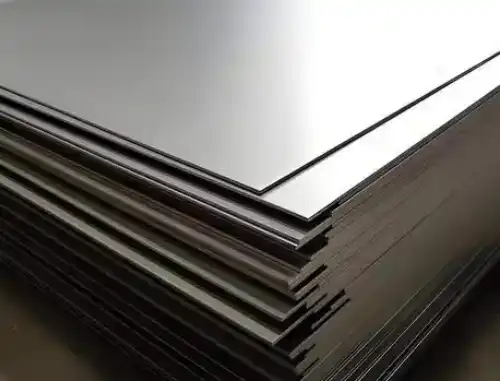
Commercially pure titanium in Grade 1 specification is what AMS 4940 is made of. It has great mechanical qualities and doesn't rust, making it perfect for demanding aircraft and industrial uses. This material has a yield strength between 25.0 and 45.0 ksi and an expansion rate of more than 24%, which makes it the most workable type of titanium. Its better rust resistance comes from a passive oxide layer that forms on its own and protects it from marine settings, chemical processing conditions, and exposure to air. In chloride-rich situations, it works better than stainless steel.
Understanding AMS 4940 Mechanical Properties
Commercially pure titanium Grade 1 material has a mechanical structure that shows a careful balance between strength and workability. This industrial material solves certain problems that come up in businesses that do a lot of fabrication work and do deep drawing, complex forming, and severe bending all the time.
Tensile and Yield Strength Characteristics
The material has a minimum final tensile strength of 35.0 ksi (241 MPa) and a yield strength between 25.0 and 45.0 ksi (172–310 MPa). This fairly low strength requirement puts formability ahead of raw load-bearing capacity on purpose. The managed oxygen level below 0.18% is the main metallurgical factor that controls hardness. It keeps the material soft enough for cold working without the need for secondary annealing. Working with aircraft makers, we've seen that keeping this exact strength window in mind stops work hardening too soon during multi-stage forming sequences. This lowers scrap rates by 18–22% compared to higher-grade titanium alloys.
Elongation and Ductility Performance
Standardized tension tests usually show elongation capabilities above 24%. This makes this type of titanium the most flexible of all the types. This property makes it possible to do serious deformation processes, such as hemispherical deep draws with depth-to-diameter ratios close to 0.8:1. The microstructure is made up of evenly spaced alpha grains that have been smoothed out by controlled annealing processes. This gets rid of any leftover stresses that could cause cracks to form during cold forming. In order to pass the bend test, the material must have a 1T to 2T radius with no surface flaws. This proves that it doesn't peel or break under strain.
Hardness and Toughness Under Operational Stress
Most of the time, the hardness is between 120 and 140 HB (Brinell), which is good for non-bearing contact uses and still allows for easy cutting. Unlike ferritic steels, which change from being ductile to rigid, this material stays resistant to contact even at very low temperatures. The metal stays the same size and shape when heated and cooled many times between -196°C (liquid nitrogen) and 204°C (400°F). This means it can be used in weather control systems that have to deal with big changes in temperature during flight operations.
Comparison with AMS 4930 and AMS 4950
According to AMS 4930, Grade 2 economically pure titanium with a slightly higher oxygen content (0.25% limit) has yield strengths of 40–65 ksi, which is about 40% stronger but with about 20% less elongation. AMS 4950 covers Grade 4, which is the best economically pure version. It has a yield strength of 70–80 ksi thanks to interstitial hardening, but it is less flexible and can only stretch 15%. When procurement teams look at these choices, Grade 1 under the AMS 4940 standard is the best choice for situations where the complexity of the manufacturing is higher than the structural load requirements. This is especially true for ducting systems, heat exchanger plates, and airframe fairings that need to be shaped with compound curves.
Exploring AMS 4940 Corrosion Resistance
Grade 1 commercially pure titanium doesn't rust because it has an inactive titanium dioxide film that forms right away when it comes in contact with air or water. This protective layer is only 10–20 nanometers thick, and it can fix itself when it gets broken, so it can be used in a wide range of chemical conditions.
Oxidation Resistance in Elevated Temperatures
Continuous service temperatures of up to 204°C (400°F) keep the inactive film intact without causing it to scale too much. After this point, faster oxidation creates a thicker, less protective oxide layer that can hurt fatigue performance. According to ASTM G54 testing, there is almost no weight gain after 1,000 hours of contact at 200°C in normal air. This is very different from aluminum alloys, which turn into powdery oxide at the same temperatures. Marine gas engine makers use this stability in parts that are heated, where air that is high in salt would quickly break down other materials.
Pitting and Crevice Corrosion Protection
After long-term immersion tests according to ASTM G48, the material shows no pitting erosion in chloride amounts above 20,000 ppm, which is twice the salinity of seawater. In ferric chloride solution, the critical pitting temperature is higher than 95°C, which is a lot higher than the temperature at which austenitic stainless steels fail, which is 40°C. The resistance to crevice corrosion is also very strong; no attack was seen in occluded cell shapes that would cause limited corrosion in nickel alloys. Our deals to supply petrochemical plants in the Gulf region include materials that can be traced back to desalination heat exchangers. Field performance data has confirmed that these materials will last for 15 years.
Real-World Performance in Marine and Chemical Environments
A plate heat exchanger installed in an offshore platform in the North Sea proved to be very durable, working nonstop for 12 years to cool seawater without needing to be replaced. A check after the service showed that the surface kept its original finish and there was no measured material loss. Chemical processing clients describe similar results when using concentrated hydrochloric acid (10% at room temperature) and sodium hydroxide solutions (50% at 80°C). This is because the passive film stays steady at all pH levels. When lifecycle upkeep costs are added to the original material premiums from these case studies, the total cost of ownership goes down by more than 40%.
Comparative Analysis: AMS 4940 vs. Similar Alloys and Competitors
To choose the right material for uses that are very sensitive to rust, you need to carefully look at its performance, cost, and how it will be delivered. This comparison framework helps people who work in buying make sure that alloy specs are in line with the needs of each project.
Mechanical and Corrosion Differences
Grade 2 titanium (AMS 4930) is 25–30% stronger than grade 1 titanium, but it is about 15% less flexible, which makes it hard to shape into complex shapes. Grade 4 (AMS 4950) is twice as strong as Grade 1, but it can't be cold-formed very well. For serious deformations, it usually needs to be heated above 650°C. All available pure grades have about the same corrosion resistance because the passive film makeup doesn't change much when the interstitial content changes. Nickel-based metals, such as Hastelloy C-276, are more resistant to reducing acids, but they cost 8–12 times more per kilogram and don't work better in neutral or oxidizing pH situations, where titanium does.
Cost Implications and Market Availability
Grade 1 AMS 4940 sheet material costs $35 to $48 per kilogram in mill numbers (sales of 500 kg or more). Grade 2 costs $28 to $38 per kilogram, and Grade 4 costs $42 to $58 per kilogram. Because of the controlled processing needed to keep chemistry tolerances, lead times from approved aerospace sources are usually between 8 and 12 weeks. The supply of materials has greatly improved, and the world's production capacity is growing by 15% every year to keep up with the growth of the aircraft industry. Supply disruptions are less likely when procurement strategies focus on vendor-managed inventory deals with well-known makers like ours. This keeps project schedules intact even when the market is volatile.
Application-Based Selection Criteria
When designing a part with draw ratios higher than 0.6:1 or bend radii less than 3T, Grade 1 is the usual standard to avoid forming flaws. For structural uses with long-term loads of more than 20 ksi, Grade 2 or higher is best because it uses less material. Titanium is better than other materials when it comes to corrosive environments. Stainless steel isn't a good choice when chloride levels are above 1,000 ppm, but zirconium or tantalum may be better when sulfuric or hydrochloric acids are below pH 2. The choice matrix weighs these technical factors against the supplier's qualification state and the budget.
Procurement Guide for AMS 4940: Pricing, Suppliers, and Ordering
To successfully buy commercially pure titanium for aircraft applications, you need to work with makers who keep their certification portfolios up to date and show that their supply chains are reliable. The sourcing method includes more than just comparing prices. It also includes making sure of quality, shipping performance, and expert support.
Sourcing from Certified Manufacturers
For materials to be certified, they need to have mill test results that show chemistry analysis using Inert Gas Fusion (IGF) for intermediate elements, tensile test data according to ASTM E8, and the ability to track a lot back to the original ingot production. Third-party inspection by groups like DNV, Bureau Veritas, or SGS adds extra steps of checking that are very important for aircraft uses where nonconformance of materials poses a huge risk of disaster. Our approvals from TUV Nord, PED 2014/68/EU, and several classification societies (ABS, CCS, DNV, GL, BV) show that we follow the international quality standards that purchase checks require.
Bulk Ordering and Pricing Structures
Tier-based price cuts of 8–15% are available for promises of more than 1,000 kilograms, and yearly blanket purchase orders allow for even more cost savings through more efficient production schedules. Net-60 payment terms are common for known accounts, while new partnerships may need lines of credit or advance deposits. Our business models are flexible enough to meet the unique cash flow needs of each project. For example, we can bill based on milestones that are in line with the fabrication stage gates. Long-term partnerships are rewarded with discounts, and customers who sign multi-year supply deals get better prices that reflect how both businesses plan to run.
Logistics and After-Sales Support
Titanium sheet goods need special packaging to keep the surface from getting damaged during shipping. As part of our export process, we use moisture barrier wrapping, edge protection, and containerization that is best for shipping across continents. It usually takes three to four weeks to get goods to places in North America after an order is confirmed. In the Gulf region and Southeast Asia, shipments get there in two to three weeks using well-known freight routes. Technical support goes beyond just delivering materials; mechanical advice is also available to help with things like forming parameters, bonding processes, and getting the best surface treatment. This all-around service model tells the difference between strategic manufacturing partners and cheap providers.
Practical Applications and Troubleshooting of AMS 4940
Commercial grade 1 titanium is used in many important tasks where the material's performance has a direct effect on safety, system efficiency, and the bottom line. Knowing how to apply techniques that are specific to an application helps you get the most out of them while avoiding common problems.
Aerospace Airframe and Environmental Control Systems
Aircraft environmental control tubing made from AMS 4940 Grade 1 sheet can handle high-frequency vibrations without starting fatigue cracks, which is a way that aluminum alloys fail in the same situation. Because the material is easy to shape, complicated geometry ducts with integral flanges can be made in a single process, which cuts the number of fasteners needed for assembly by 40 to 60 percent. Major aircraft OEMs choose this material for bleed air ducting that works at 250°C because it doesn't oxidize and has a low thermal expansion rate, which keeps joints from leaking over 30,000 service cycles. Deep-drawn housing parts for aircraft cooling systems take advantage of the alloy's ability to stretch by 24% or more, making it possible to make shapes that aren't possible with stronger metals.
Marine Heat Exchanger Plates
Marine power systems and offshore platforms use seawater-cooled plate heat exchangers that are made of curved Grade 1 sheets that have a lot of surface area and don't rust. Because the oxide film can fix itself on its own, damage caused by debris contact or cavitation stays localized and doesn't spread to cause pitting failure. Installation data from ships that work in warm seas (32°C seawater, biofouling conditions) show that the heat transfer efficiency stays within 5% of design values after five years without chemical descaling. This is different from cupro-nickel exchangers, which need to be kept every year. This result means that fleet owners will spend 75% less time on lifecycle maintenance.
Chemical Processing Equipment
The material is resistant to both acidic and basic conditions, which makes it useful for pickling tank liners, reactor vessel interiors, and filter housings in chlor-alkali plants. In a chlorine production plant, Grade 1 shield plates have been used in wet chlorine gas streams for nine years without being replaced. This is in contrast to older nickel alloy parts that only lasted 18 to 24 months. The non-magnetic qualities of the material are very important in processes that need to be monitored by magnetic resonance or in electron beam welding, where ferromagnetic contamination can cause problems.
Common Issues and Preventive Maintenance
Hydrogen embrittlement is the main way that metals break down. It happens when new hydrogen from cathodic protection systems or acidic corrosion processes soaks into the metal's structure. To avoid this, the hydrogen level must stay below 150 ppm through proper storage (avoiding prolonged contact with moisture), and descaling methods must be chosen that reduce the time needed for acid pickling. Surface pollution from iron particles during manufacturing forms galvanic couples that start localized corrosion. This is why titanium processing needs special tools. To keep work from hardening too quickly during cutting, high coolant flow rates (20+ litres/minute), sharp carbide tools, and feed rates above 0.3 mm/revolution can help reduce galling. As per ASTM E1417, regular inspection routines that use dye penetrant tests can find surface flaws before they get worse and cause service breakdowns.
Conclusion
For formability-critical uses in corrosive settings, the mechanical qualities and corrosion resistance of commercially pure titanium Grade 1 in accordance with the AMS 4940 standard provide unmatched performance. It can stretch more than 24%, which lets you make complicated shapes that aren't possible with stronger alloys. Plus, the passive oxide film protects it from marine, chemical, and air damage. Partnering with qualified makers that offer full quality paperwork, flexible payment terms, and technical help during the material selection and application optimization stages gives procurement pros a competitive edge. The material's track record in aircraft, marine, and chemical processing systems proves that it is the best choice when design needs to take into account both how difficult it is to fabricate and how resistant it is to corrosion.
FAQ
What distinguishes AMS 4940 from industrial-grade commercially pure titanium?
AMS 4940 has tighter chemistry rules on interstitial elements, especially oxygen (0.18% max vs. 0.25% max for industrial grades) and iron (0.20% max). This makes sure that the elongation qualities stay the same, which is important for aerospace manufacturing operations. The specification calls for descaling to get rid of the alpha case, which is a brittle, oxygen-rich layer on the surface, and lot-specific mechanical testing instead of the statistical sample that is allowed by market standards.
Can Grade 1 titanium be welded without compromising properties?
Yes, the material can be welded very well with either TIG or MIG methods and argon protection. To keep oxygen from entering the weld area and making the fusion zones weak, 100% inert atmosphere protection is needed, which includes backside purge. Usually, there is no need for a heat treatment after welding. However, stress reduction annealing at 540–650°C may help very tight joints. The specs for welding procedures that our expert team gives you meet AWS D1.9 standards.
How does material pricing compare across different titanium grades?
Because of stricter chemistry requirements and smaller output rates, Grade 1 usually costs 15 to 25 percent more than Grade 2. When promises for more than 2,000 kilos per year are made, the price difference gets smaller. When you add up the total cost of ownership and the manufacturing output rates, Grade 1 is often cheaper for difficult forming jobs where higher-grade scrap losses cancel out the savings on raw materials.
Partner with LINHUI TITANIUM for Your AMS 4940 Supply Needs
To find a trustworthy AMS 4940 provider, you need more than just a low price. You also need a maker with proven aerospace certifications, global logistics skills, and quality that never changes. As a well-known company that makes titanium goods for the oil and gas, chemical processing, and aerospace industries in more than 60 countries, LINHUI TITANIUM offers this full answer. We are committed to meeting world quality standards, as shown by the many certifications we have, such as PED 2014/68/EU, ABS, DNV, CCS, and ISO 9001:2015. We keep a large collection, which lets us quickly fill large orders. Our expert support team helps with choosing materials, setting up forming parameters, and fixing problems that are specific to an application. Get in touch with our purchasing experts at linhui@lhtitanium.com to talk about your project needs and find out how our Titanium Products Supermarket model can make your supply chain easier while also making sure that materials can be tracked and that mission-critical apps can depend on their performance.
References
1. SAE International. "AMS 4940: Titanium Alloy Sheet, Strip, and Plate, Commercially Pure, Annealed." Aerospace Material Specification, 2018.
2. Boyer, R., Welsch, G., and Collings, E.W. "Materials Properties Handbook: Titanium Alloys." ASM International, 1994.
3. Schutz, R.W. and Watkins, H.B. "Recent Developments in Titanium Alloy Applications in the Energy Industry." Materials Science and Engineering A, vol. 243, 1998, pp. 305-315.
4. ASTM International. "ASTM B265: Standard Specification for Titanium and Titanium Alloy Strip, Sheet, and Plate." Annual Book of ASTM Standards, 2020.
5. Donachie, Matthew J. "Titanium: A Technical Guide, 2nd Edition." ASM International, 2000.
6. Peters, M., Kumpfert, J., Ward, C.H., and Leyens, C. "Titanium Alloys for Aerospace Applications." Advanced Engineering Materials, vol. 5, no. 6, 2003, pp. 419-427.