
When you look at Zr 702 Pure Zirconium Wire and Zr 705 wire side by side, the main difference lies in their chemical makeup and performance. Zr 702 is commercially pure zirconium that is very resistant to rust. It is composed of at least 99.2% zirconium and hafnium, making it well-suited to harsh chemical conditions. On the other hand, Zr 705 has niobium added (2.0–3.0%), which makes it stronger but also reduces its resistance to rust in some acidic media. Procurement workers need to understand these differences so they can choose the best materials for tough industrial applications that require high performance and reliability.
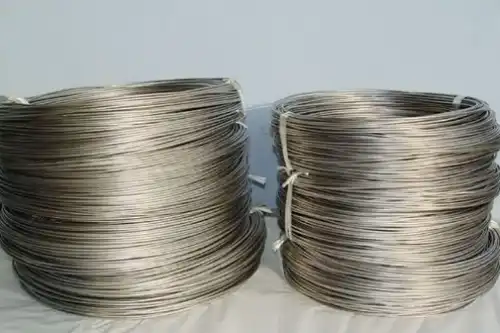
Understanding Zr 702 Pure Zirconium Wire
The standard for Zr 702 Pure Zirconium Wire is UNS R60702. This is also the standard in the business world for how pure zirconium is used. There are many uses for this very clean material, but one of the best is in places that need to guard against rust.
Chemical Composition and Purity Standards
The ASTM B550 guidelines say that more than 99.2% of zirconium 702 wire is made up of zirconium plus hafnium. This industrial-grade zirconium always has a naturally occurring hafnium level of about 4.5%, which is less than the amount found in nuclear-grade zirconium. It's cheaper to make this way, and it doesn't change how it works chemically. The amount of iron and chromium in the material stays well below 0.2%. This makes it very resistant to rusting in acidic places.
Mechanical Properties and Performance Characteristics
Zr 702 has great mechanical qualities, such as a minimum tensile strength of 380 MPa (55 ksi) and a yield strength of 205 MPa (30 ksi) when it is heated. The wire is very flexible, with stretch values above 16 percent, which makes cold drawing and making easier. Its freezing point is about 1852°C and its density is 6.51 g/cm³. This makes it stable in terms of size when temperatures change.
Corrosion Resistance Mechanism
Zirconium wire is very resistant to rust because when it is exposed to oxygen, a thick, self-healing zirconium dioxide (ZrO₂) film forms on its own. This inactive layer protects against stress corrosion cracks in chloride conditions, which is where stainless steel fails horribly. The substance works very well in reducing settings, showing great results in hot sulfuric, hydrochloric, and acetic acid streams.
Introducing Zr 705 Zirconium Wire and Its Characteristics
Zr 705 zirconium wire is an alloyed version that has strategic additions that improve certain performance characteristics while keeping the core benefits of zirconium.
Alloy Composition and Enhanced Properties
Zr 705 (UNS R60705) is different because it has controlled amounts of niobium running from 2.0% to 3.0%, which makes it much stronger than grades of pure zirconium. This alloying method gives it higher yield strength and better work-hardening properties, making it suitable for applications where structural stability is important.
Mechanical Advantages and Trade-offs
Adding niobium to Zr 705 wire makes its tensile strength much higher, often reaching 550 MPa compared to Zr 702's minimum of 380 MPa. But this increase in strength comes with a small drop in its ability to bend and in its ability to resist corrosion in some highly oxidizing conditions.
Application-Specific Benefits
Zr-705 wire is useful in situations where mechanical strength is required above that of pure zirconium, while still being highly resistant to rust. The material strikes a good mix between efficiency and cost, which makes it appealing for some industrial uses.
Comparative Analysis – Zr 702 vs Zr 705 Zirconium Wire
Knowing the subtle differences between these types of zirconium lets you choose the right material for important uses.
Purity and Chemical Composition Differences
Zr 702 Pure Zirconium Wire is purer and requires few alloying additions. Zr 705 has controlled amounts of niobium that change its mechanical properties in a basic way. This change in composition has a direct effect on corrosion protection, with Zr 702 performing better in harsh acidic conditions.
Mechanical Property Comparison
The difference in mechanical properties shows different performance patterns that are good for various uses. Here are the main ways that these materials are different mechanically:
• Tensile Strength: Zr 705 has a tensile strength that is about 45% stronger than Zr 702, so it can be used in high-stress situations.
• Yield Strength: Adding niobium to Zr 705 greatly raises its yield strength, making it more resistant to permanent distortion.
• Ductility: Zr 702 has excellent ductility, which makes complex shaping processes easier and reduces processing problems.
• Work Hardening: Zr 705 has better work hardening properties, which could make cold working tasks more difficult.
These differences in mechanical properties have a direct effect on how things are made and how well they work in the end, which changes how people decide what to buy based on the needs of their specific applications.
Cost and Availability Considerations
How zirconium wires are priced depends on how complicated their makeup is and how the market wants them to be used. Zr 702 usually costs more because it is so pure and can be used in a lot of different ways. On the other hand, Zr 705 might be cheaper in some high-strength situations. Supply chain stability depends on how well manufacturers can do their jobs and how easy it is to get zirconium around the world.
How to Procure Zr 702 and Zr 705 Wire – A B2B Buyer's Guide
In order to successfully purchase premium zirconium wire, you need to have a deep understanding of the supplier's skills, quality standards, and transportation issues.
Supplier Selection Criteria
There are many important things to consider besides price when looking for skilled suppliers. Established companies with a wide range of certifications, such as ISO 9001:2015, PED 2014/68/EU, and approvals relevant to their business, show that they are dedicated to quality achievement. Recognized third-party testing services from companies like DNV, SGS, and Bureau Veritas add to the quality guarantee.
Quality Verification and Testing Requirements
Professionals in charge of buying things need to make sure that all the paperwork that comes with testing materials is complete. This includes chemical analysis, mechanical property verification, and rust resistance proof. Tensile testing, measurement verification, and surface finish evaluation should all be part of sample testing methods to make sure they are compatible with the intended uses.
Logistics and Lead Time Management
When it comes to global supply lines for specialized zirconium goods, lead times need to be carefully planned. Depending on the specs and quantities, they can be anywhere from 4 to 12 weeks. Some benefits of buying in bulk are lower unit costs and priority ordering for production. Minimum order amounts are usually set to make sure that production runs as smoothly as possible.
Advantages of Choosing Zr 702 Wire for Your Industry Needs
The choice of Zr 702 Pure Zirconium Wire has measured benefits in a number of performance areas, especially in harsh industrial settings.
Superior Corrosion Resistance Performance
Since Zr 702 wire is very resistant to corrosion, it means that tools will last longer and need less upkeep. In chemical processing, this material can handle constant exposure to hot, acidic media where other metals would fail, so you don't have to buy new parts all the time.
Long-term Reliability and ROI Benefits
Investing in high-quality zirconium wire pays off in the long run by lowering downtime, increasing process efficiency, and extending service times. Stress corrosion cracking and pitting rust can't hurt this material, so you can count on it to work well in important situations.
Versatility Across Industrial Applications
Zr 702 Pure Zirconium Wire is very flexible and works well in a wide range of situations, such as chemical process equipment, welding tools, and specialized manufacturing processes. This flexibility makes managing goods easier and makes buying things easier for places that use them for more than one thing.
Conclusion
When you compare Zr 702 Pure Zirconium Wire to Zr 705 wire, you can see that they have different performance levels that are best for different business needs. Zr 702 is great for applications that require high resistance to corrosion and chemicals, while Zr 705 is better for structural applications because it has higher mechanical strength. To be successful in procurement, you need to fit the properties of the material to the needs of the application. You should think about things like the climate, the mechanical needs, and the expected long-term performance. By understanding these basic differences, you can make decisions that improve both short-term success and long-term value.
FAQ
What are the primary differences between Zr 702 and Zr 705 wire?
The biggest difference is in the chemicals that make them up and the qualities that they have. Zr 702 is practically pure zirconium that has great resistance to corrosion. Zr 705 has 2.0–3.0% niobium added to it, which makes it much stronger mechanically but slightly less resistant to corrosion in some oxidizing conditions.
Can Zr 702 wire be used for medical applications?
Although zirconium is biocompatible and non-toxic, it is usually certain metal types or zirconia ceramics that are used in medical implants. But Zr 702 is good for some medical device parts because it is nonmagnetic and bio-inert. Titanium alloys are still more popular for structural loading uses.
What welding considerations apply to zirconium wire?
Zr 702 Pure Zirconium Wire works well as filler metal for TIG/MIG welding of zirconium parts and meets the requirements of AWS A5.24. But zirconium should never be welded directly to stainless steel or nickel metals because it forms brittle intermetallic compounds that weaken the joint.
How does the amount of air in zirconium wire affect its quality?
Oxygen makes zirconium products stronger, but it also makes them less flexible. Controlling the amount of oxygen in high-quality Zr 702 wire (usually between 0.11% and 0.16%) is important for keeping the right mix between strength and malleability for wire making and processing.
Contact LINHUI TITANIUM for Premium Zirconium Wire Solutions
LINHUI TITANIUM is ready to help you buy zirconium wire because they have a lot of technical knowledge and a track record of producing high-quality products. Our Zr 702 Pure Zirconium Wire is certified to meet the strictest international standards. It has been approved by major classification groups and has been certified by PED 2014/68/EU. With more than 20 years of experience as a top Zr 702 Pure Zirconium Wire provider, we offer trusted solutions to customers around the world in the chemical, oil and gas, and industrial sectors. For full specifications, reasonable prices, and expert advice that is tailored to your unique application needs, please contact our technical team at linhui@lhtitanium.com.
References
1. American Society for Testing and Materials. "Standard Specification for Zirconium and Zirconium Alloy Bars and Wire." ASTM B550-17, West Conshohocken, PA, 2017.
2. Lustman, Benjamin and Frank Kerze. "The Metallurgy of Zirconium." McGraw-Hill Book Company, New York, 1955.
3. International Atomic Energy Agency. "Zirconium in the Nuclear Industry: Advances in Corrosion Science and Technology." Technical Report Series No. 368, Vienna, 2018.
4. Cox, Brian. "Pellet-Clad Interaction (PCI) Failures of Zirconium Alloy Fuel Cladding." Journal of Nuclear Materials, Volume 172, 1990.
5. Steinberg, Eugene, and Paul Weidinger. "Corrosion of Zirconium-Base Alloys in High Temperature Water." Nuclear Engineering and Design, Volume 43, 1977.
6. Northwood, Derek, and Unwin Kosasih. "Hydrides and Delayed Hydrogen Cracking in Zirconium and Its Alloys." International Metals Reviews, Volume 28, 1983.