
When materials in a study setting need to be resistant to corrosive attack while still keeping precise mechanical integrity, Zr 702 Pure Zirconium Wire is the answer for lab and R&D professionals. This commercially pure, unalloyed zirconium grade has great chemical resistance and workable mechanical properties. This makes it an important material for testing in harsh environments with acidic media, making high-purity chemicals, and making prototypes. Our wire goods are up to ASTM B550 standards, which gives research teams a reliable option in situations where material failure would cause delays in the project and cause data security to be compromised.
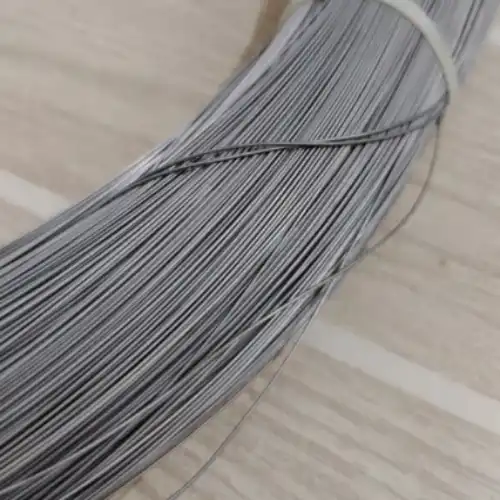
Understanding Zr 702 Pure Zirconium Wire: Properties and Specifications
Specifications for research-grade materials must be very exact, and knowing the technical description of commercially pure zirconium wire helps procurement teams make smart choices. The performance of the material comes from the fact that its makeup and processing methods were carefully managed.
Chemical Composition and Purity Standards
The UNS R60702 designation says that Zr 702 has a minimum total zirconium and hafnium percentage of 99.2%. In nuclear-grade zirconium, hafnium has to be taken out, but this commercially pure version keeps naturally occurring hafnium at amounts usually below 4.5%. This doesn't affect how well it resists corrosion and cuts production costs by a large amount. The alloying elements are carefully managed: the amount of iron and chromium stays below 0.2%. This makes sure that a solid, self-healing zirconium dioxide layer forms on the surface, which gives the material its well-known chemical resistance. Oxygen levels are usually carefully controlled between 0.11% and 0.16% to make the metal stronger without losing its flexibility, which is important for wire drawing. This mixture is very different from Zr 705, which has 2.0% to 3.0% niobium added to make it stronger. The alloyed form has better tensile qualities, but the pure grade works better in places where corrosion is common, where even small amounts of alloying elements could make the material less passive. This commercially pure mixture is useful for lab uses that care more about chemical inertness than maximum strength.
Mechanical and Physical Characteristics
With a density of 6.51 g/cm³, the wire is less dense than many types of stainless steel but much heavier than titanium alloys. It stays the same size across most experimental temperature ranges because its melting point is about 1852°C. When heated, pure zirconium wire sold in stores usually has a tensile strength of more than 380 MPa (55 ksi), a yield strength of about 205 MPa (30 ksi), and a stretch value of more than 16%. These mechanical properties make the wire strong enough for structural uses while still letting it be flexible enough for weaving, coiling, and putting together complicated machines. The thermal expansion rate is lower than that of austenitic stainless steels. This means that parts change size less when they are heated and cooled, which is useful when building heated reaction tanks or thermal analysis equipment. At room temperature, the electrical resistivity is about 42 microhm-cm, which means that the material can be used for resistance heating in special lab furnaces.
Heat Treatment and Surface Finishing Options
Annealing at temperatures between 650°C and 750°C in neutral or vacuum atmospheres is a good way to get rid of any remaining stresses from cold drawing. This makes the material more flexible without making the grains bigger. Laboratories that need particular amounts of hardness can specify tempered conditions, but for most research uses, the fully annealed state is better because it is easier to shape. Chemically pickled (also called acid etched) surfaces are good for welding, while mechanically polished surfaces are better for very clean areas. The pickled surface gets rid of scale and dirt, revealing new metal that easily forms the protective oxide layer when exposed to air. When wire parts come into contact with sensitive chemical solutions or biological specimens, polished finishes help keep particles from sticking to them.
Applications and Benefits of Zr 702 Zirconium Wire in Laboratory and R&D
In research settings, materials face special problems. Zr 702 Pure Zirconium Wire and widely pure zirconium wire solves a number of important problems where other metals fail. The better performance of the material directly leads to more reliable experiments and lower maintenance costs.
Superior Corrosion Resistance in Acidic Environments
The best thing about the wire is that it doesn't dissolve quickly in acids, which is why stainless steel and nickel metals aren't good choices. Normal building materials are damaged by hot streams of sulfuric acid, hydrochloric acid, and acetic acid, but zirconium wire stays strong because it forms a thick ZrO2 passive film on its own. This self-healing oxide grows back right away when it gets broken, so it protects continuously without needing passivation treatments from the outside. Researchers who are working on coatings that don't rust use the wire to tie up test case racks because they know it won't get contaminated or break during long soaking tests. It is used as an internal support in glass reaction tanks in chemical synthesis labs because even a small amount of metal ions from corroding supports would change the results of an experiment. The material is especially useful in organic acid conditions above 200°C, where stainless steels quickly break down and titanium rusts in cracks. Zirconium wire is used for the supports and frames of condensers in pharmaceutical research labs that make complex organic products under acidic reflux conditions. Material testing labs that study how polymers break down in acidic environments use it for sample suspension systems because they are sure that the wire itself won't change the results of their studies.
Biocompatibility for Medical Device Development
The material is non-toxic and bio-inert, which makes it useful for testing medical devices. Bulk implants usually use certain medical-grade metals or zirconia ceramics. However, research labs are making surgical tool prototypes from commercially pure zirconium wire because it is chemically inert and easy to work with. When researchers are making new catheter designs, they use the wire in braided support structures. The wire's radiopacity helps with fluoroscopic viewing, and its flexibility fits the shape of the vessel. It is used as a control material in dental research facilities that test different types of orthodontic wires because it doesn't change the way tissues react to it over long periods of time. It can be used for basic biocompatibility screening because it doesn't contain nickel, cobalt, or other common sensitisers. When labs test new biomaterial formulas for cytotoxicity, they use zirconium wire as a negative control to see how inert the material is and compare it to trial samples. This use takes advantage of the wire's well-known safety record, which has been built up over decades of use in the chemical processing business.
Handling and Integration Guidance
Engineers like how the wire can be shaped and curved without having to use special tools or heat treatment. Diameters of standard wire-working tools range from 0.5 mm to 6 mm, but buying teams should specify the annealed state for the best flexibility in complicated forming operations. For welding, an inert gas shielding (argon or helium) is needed to keep oxygen from absorbing and weakening the metal. For structural parts, ERZr-2 filler metal is suggested. TIG welding creates clean, corrosion-resistant joints that match the properties of the base metal. This is very important when putting together special reaction tanks or analysis equipment. Basic safety measures must be taken when storing zirconium: large pieces stay stable, but fine wire and cuts can catch fire if there are sources of burning nearby. Safety rules say that wires must be kept dry and away from things that can catch fire. For welding, a clean surface is important. A wire kept in clean packaging keeps its oxide-free surface, which is needed for good fusion joins.
Comparing Zr 702 with Alternative Materials and Wire Grades
The choice of materials affects both the initial prices and the ongoing costs of running the business. When you look at commercially pure zirconium wire next to other options, you can see where its special features make it worth investing in and where other metals would work better.
Zr 702 Versus Zr 705 Alloy Wire
Niobium is added to the alloyed version to make it stronger; its tensile strength is close to 550 MPa, while Zr 702's is only 380 MPa. This extra strength is important for structural uses that need to withstand dynamic stress, like bolts in spacecraft or the insides of high-pressure vessels. But study labs don't often have to deal with heavy situations that need this extra strength. It is easier to shape the commercially pure grade because it is more flexible, and it has slightly better rust protection in some oxidising acids, which makes it a better choice for lab use. The unalloyed version is cheaper to buy and easier to make, so Zr 702 wire is the best choice unless specific loading formulas need the qualities of the alloyed grade.
Performance Against Stainless Steel and Titanium
A lot less expensive, Type 316 stainless steel wire is good at resisting corrosion in many neutral and slightly acidic situations. But hot, acidic situations and solutions that contain chloride cause pitting and crevice rust, which causes the material to fail before it should. Laboratories that have to repair a lot of stainless steel parts in acidic environments find that the initial cost of zirconium wire is more than offset by its longer service life and lower downtime. Titanium wire is also resistant to rust in oxidising conditions, but it doesn't do as well in reducing acids, where zirconium does better. In particular, titanium quickly breaks down in hydrochloric acid amounts above 5% at high temperatures, but pure zirconium wire that is sold in stores stays strong. Total ownership must be taken into account when figuring out costs. For example, zirconium wire costs 3–5 times as much per unit as stainless steel, but it lasts 10 times longer in harsh environments, Zr 702 Pure Zirconium Wire, which means it has good lifecycle economics.
Application-Specific Material Selection
For chemical synthesis labs that mostly work with alkaline liquids, titanium or nickel metals might be enough and cheaper. Zirconium is the best material to use when it is hot and acidic or when minor metal contamination needs to be removed. Aerospace research centres that are making high-temperature alloys, such as using zirconium wire for thermocouple sheaths in testing liquid metal, because it is better than other materials, as it doesn't react with chemicals. Biocompatibility needs are weighed against cost by medical device development teams, who often choose commercially pure grades for prototypes before switching to medical-grade standards for production units.
Procurement Insights for Zr 702 Pure Zirconium Wire
To find good zirconium wire, you have to look at more than just the unit price when comparing sources. Established makers with a wide range of certifications lower the risk of purchasing while also making sure that materials can be tracked, which is important for industries that are controlled.
Supplier Evaluation and Certification Requirements
Leading makers keep their quality systems approved to ISO 9001:2015, which shows that they consistently control the process. Companies that work with the chemical and energy industries often have extra qualifications, such as the Pressure Equipment Directive 2014/68/EU and approvals from DNV, ABS, or Lloyd's Register as a classification society. These approvals show that the product can meet strict metallurgical standards and tracking requirements. For each output lot, procurement teams should ask for material test reports (MTRs) that show the chemical makeup, mechanical qualities, and history of heat treatment. Third-party inspections by companies like SGS, TUV, or Bureau Veritas are another way to make sure that the material provided meets the requirements that were given. LINHUI TITANIUM is a good example of this method of certification because it has industrial licenses that include TUV Nord AD2000-W0 and PED certifications, as well as approvals from classification societies. Our long-term supply ties with big energy companies, such as CEFC, PTT, PEMEX, and PETRONAS, have shown that we consistently deliver products that meet their needs. This track record is important when lab projects need reliable materials, and failure would mean months of wasted study.
Ordering Specifications and Lead Times
Pure zirconium wire that is sold in stores, including Zr 702 Pure Zirconium Wire, usually comes in sizes between 0.5 mm and 6 mm and can be bought in coils or straight lengths, based on the needs of the application. When you ask for custom sizes, you have to place a minimum order quantity, which is usually 50 kilograms per standard. For regular sizes, standard wait times are 6 to 10 weeks. For custom diameters or special surface finishes, it can take 12 to 16 weeks. Settling on framework deals that ensure stable prices and supply over multiple years is good for labs that want to do long-term research projects. Payment terms usually follow international trade rules: for first orders, a 30% deposit is required, and the rest is due when the shipping papers are received. For established accounts, net-30 or net-60 terms are possible. When you ask for quotes, be sure to include all of your requirements, such as the width range, the surface finish you want, the packaging you need, and any special certifications that are needed. Making it clear what the final product will be used for helps makers suggest the best designs and find any technical issues that might arise before production starts.
Pricing Dynamics and Volume Advantages
The price of raw zirconium sponge changes depending on the balance of supply and demand around the world. Finished wire costs are usually affected by prices that range from 25 to 40 USD per kilogram. Wire goods are more expensive because they are harder to work with. Commercially pure types are usually priced 15–30% less than alloyed versions because they are easier to make. When you buy a lot, you save money because of economies of scale. For example, orders over 200 kilos often get 8–12% off of small-lot prices. Long-term supply deals with volume promises help procurement teams plan their budgets by keeping prices stable. Manufacturers, on the other hand, get more control over their production schedules, which helps them offer competitive prices. Companies that need things on a regular basis should look into consignment inventory arrangements. This is when suppliers keep stock at customer sites, cutting down on the time it takes to send orders and the amount of working capital that is needed. This method works especially well for research schools where project timelines are hard to predict, making demand planning hard.
Ensuring Quality and Maximising ROI with Zr 702 Wire
Whether investments in zirconium wire achieve the expected Zr 702 Pure Zirconium Wire value depends on material performance validation and strategy buying practices. Lifecycle management and quality assurance methods improve the results of research while keeping costs low.
Quality Verification and Compliance Testing
When materials come in, they should be inspected to make sure they are the right size, have good surface shape, and have all the necessary paperwork. Basic measures show that the diameter is within the allowed range, which for accuracy uses is usually ±0.05mm. A visual inspection finds surface flaws like scratches, scales, or staining that could affect performance or show problems with the way the product was made. The most important thing is to look over the test results for the material to make sure they follow the rules for composition. Make sure the zirconium-plus-hafnium content is at least 99.2% and the amounts of impurities stay within the ASTM B550 limits. X-ray fluorescence or optical emission spectroscopy can be used for spot-check verification by organisations that are good at analysis. Tensile testing to confirm the mechanical properties is another way to be sure, but most labs rely on maker certifications that are backed up by their quality system licenses. Independent labs that do third-party testing are the best way to be sure of something for important uses where failure of a material could have big effects. This extra step takes longer and costs more, but it gives researchers trust when they are making safety-critical devices or using specimens that can't be replaced in a study.
Conclusion
In conclusion, Zr 702 Pure Zirconium Wire is used in research labs and development centres that require extremely high corrosion resistance and reliable mechanical performance. It works well in hot, acidic environments, is biocompatible, and has a long service life. These factors offset the higher initial cost by reducing replacement frequency and improving experimental efficiency. A sound procurement process involves selecting suppliers with robust quality systems and a proven track record of on-time delivery, while aligning material specifications with application needs. When material failure could jeopardise project timelines or data integrity, sourcing Zr 702 Pure Zirconium Wire that meets specifications from approved manufacturers helps safeguard research investments and supports breakthrough work in harsh chemical environments.
FAQ
1. What distinguishes commercially pure zirconium wire from alloyed variants?
Zr 702 that is sold in stores is commercially pure and has at least 99.2% zirconium and hafnium mixed content. Compared to the niobium-alloyed Zr 705 grade, which is stronger but not as chemically inert, this makeup is better at resisting corrosion in reducing acid conditions. The pure grade is also more flexible, which makes shaping easier and is important for making lab equipment. Commercially pure standards are usually better for research uses that care more about chemical compatibility than maximum mechanical strength.
2. Can zirconium wire be welded to stainless steel or other dissimilar metals?
When you directly attach zirconium to stainless steel or nickel alloys, you get brittle intermetallic compounds that break when they cool, making parts that aren't physically sound. Zirconium wire should only be bonded to a zirconium base metal using ERZr-2 filler that meets AWS A5.24 standards. Oxygen should not be able to get through because the weld is completely surrounded by inert gases. Fusion welding can't be used to join metals that aren't the same, so mechanical fastening or explosive fusing must be used instead.
3. How does oxygen content affect wire performance and workability?
Oxygen strengthens the spaces between molecules, but too much of it makes things less flexible. Commercially pure zirconium wire of high quality keeps the oxygen level between 0.11% and 0.16%. This balances the wire's tensile strength with its malleability, which is needed for cold forming and wire weaving. Higher oxygen levels make materials that are fragile and easily break during production, while very low oxygen levels offer the most flexibility, but at the cost of losing strength and making production much more expensive without improving performance much for most laboratory uses.
Partner with LINHUI TITANIUM for Your Zirconium Wire Requirements
When you need zirconium wire, work with LINHUI TITANIUM. As a specialised maker of Zr 702 Pure Zirconium Wire with more than 20 years of experience in the metals industry, we provide research Zr 702 Pure Zirconium Wire and development labs around the world with approved materials that meet ASTM B550 standards. Our long list of certifications, which includes PED 2014/68/EU, ISO 9001:2015, and approvals from multiple classification societies, shows that we are dedicated to quality and tracking, which are important for hard laboratory uses. We keep a large collection of tube sizes in many different diameter ranges, so we can quickly meet the needs of pressing projects and offer custom sizing for unique uses. Our expert team can help you match the right material specifications for your corrosive climate and mechanical needs by giving you application advice. Get in touch with our purchasing experts at linhui@lhtitanium.com to talk about your project needs and get detailed quotes on Zr 702 Pure Zirconium Wire for sale, along with full material test paperwork and reasonable prices for both small sample quantities and large production volumes.
References
1. ASTM International. (2021). ASTM B550-20: Standard Specification for Zirconium and Zirconium Alloy Bar, Rod, and Wire for Nuclear Application. West Conshohocken, PA: ASTM International.
2. Davis, J.R. (Ed.). (2000). Corrosion of Zirconium and Zirconium Alloys. In ASM Speciality Handbook: Nickel, Cobalt, and Their Alloys. Materials Park, OH: ASM International.
3. Luscher, W.G., & Geelhood, K.J. (2014). Material Property Correlations: Comparisons between FRAPCON-3.5, FRAPTRAN-1.5, and MATPRO. Pacific Northwest National Laboratory Technical Report PNNL-19417.
4. Northwood, D.O., & Kosasih, U. (1983). Hydrides and Delayed Hydrogen Cracking in Zirconium and Its Alloys. International Metals Reviews, 28(1), 92-121.
5. Revie, R.W., & Uhlig, H.H. (2008). Corrosion and Corrosion Control: An Introduction to Corrosion Science and Engineering (4th ed.). Hoboken, NJ: John Wiley & Sons.
6. Zinkle, S.J., & Was, G.S. (2013). Materials Challenges in Nuclear Energy. Acta Materialia, 61(3), 735-758.