
When buying, workers are looking for a Zirconium Alloy Wire Supplier for research and development projects; they need to work with people who know how to find the right mix between material purity, precise dimensions, and on-time delivery. In modern research and development settings, zirconium alloy wires are needed that meet strict nuclear-grade standards, keep their mechanical qualities stable, and can be used in new ways in the chemical processing, aircraft, and medical device manufacturing sectors. It is very important to choose a supplier with a lot of knowledge when the success of the project rests on materials that can handle high temperatures, harsh environments, and performance standards that are beyond what is normally possible in metalworking.
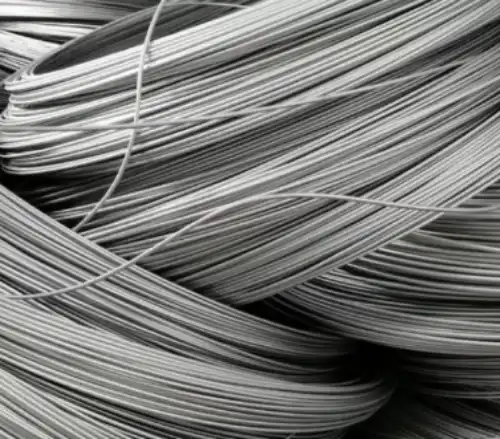
Understanding Zirconium Alloy Wire – Properties and Applications
In the field of metalworking, zirconium alloy wire is a sophisticated feat that connects academic material science with real-world engineering uses. When carefully managed alloying elements are mixed with zirconium's unique crystalline structure, they make wires that are very resistant to both chemical attack and heat stress.
Exceptional Material Properties
Another great thing about zirconium alloy wire is that it can keep its shape in situations where other specialty metals would break. Zirconium alloys are different from other materials because they make a stable oxide layer that heals itself when exposed to oxygen. This protects them from environmental damage over time. In study settings, where a material failure could ruin months of work on a project, this trait is very useful. For zirconium alloy wire, the tensile strength can be anywhere from 379 MPa to 550 MPa, based on the alloy makeup and heat treatment conditions. Because it is so strong compared to its weight, zirconium wire is great for uses where weight reduction is important, like testing aircraft parts or making samples for new medical devices.
Critical Applications in Research and Development
Zirconium alloy wire is used by research institutions for tasks that need to be biocompatible and chemically neutral. Zirconium is great for making parts for medical devices because it is not magnetic. This makes it perfect for use in MRI machines or precise surgical tools. The low neutron absorption cross-section of the material also makes it essential for nuclear study, where interference with the experiments must be kept to a minimum. Researchers in chemical processing use zirconium alloy wire to test for rust in harsh environments. The material's ability to withstand acids like hydrochloric, sulfuric, and organic acids gives it accurate standard performance data. To test zirconium wire at high temperatures, aerospace research and development teams use it because it stays flexible and strong even at high temps.
Comparing Zirconium Alloy Wire with Competing Materials
By learning about the competition in specialty wire materials, you can make smart choices about what to buy that are in line with your study goals. Each type of material has its own benefits, but zirconium metals are in a class by themselves when it comes to efficiency.
Performance Analysis Against Alternative Materials
Zirconium alloys are better at resisting corrosion in chloride settings than stainless steel wire. This makes them the best choice for marine research or chemistry studies that involve halogen compounds. Stainless steel is cheaper than other materials, but it can crack from stress corrosion in some conditions, which means it can't be used in long-term study projects. Titanium wire is another special material that is similar to zirconium in some ways but different in important ways. Titanium is biocompatible and has a high strength-to-weight ratio. However, zirconium metals are better than titanium in some corrosion conditions and keep their shape better when heated and cooled. Zirconium is often used in research projects that need to heat and cool things over and over again because it works consistently.
Grade Selection Impact on Research Outcomes
Choosing the right zirconium metal grade has a big effect on the results of the study and the long-term success of a project. For chemical compatibility tests, grade R60702 is the best unalloyed zirconium because it doesn't rust or corrode. When niobium is added to Grade R60705, it makes it stronger and better for use in structure tests. Materials that are safe for nuclear use and have a fixed amount of hafnium are perfect for reactor physics study, where neutron economy is very important. The people who buy things have to weigh the features of the materials against their availability and cost. A good Zirconium Alloy Wire Supplier gives thorough material certificates and technical data sheets that help scholars connect the details of the materials with the results they expect from the materials.
How to Choose the Best Zirconium Alloy Wire Supplier for R&D
Finding the right source for zirconium alloy wire requires looking at a number of things that have a direct effect on the success of the study project. Zirconium metallurgy is very complicated, so providers need to have a lot of technical know-how and strong quality systems.
Essential Certification Requirements
Research schools need to make sure that the supplier they choose has the right certifications for the job. ISO 9001:2015 quality management systems give you the peace of mind that you can control the process and keep making it better. For study purposes, ASTM standards, especially ASTM B351 for nuclear uses and ASTM B550 for industrial uses, set the property requirements that materials must meet. International approvals like PED 2014/68/EU for pressure equipment and approvals from different classification societies (DNV, ABS, CCS) show that the provider can work with a range of study areas. Organizations like SGS, TUV, and Bureau Veritas offer third-party inspection services that add extra layers of security that research institutions need for important purposes.
Quality Assurance and Testing Protocols
Comprehensive testing methods that go beyond basic chemical analysis are used by advanced sellers. Ultrasonic testing and eddy current scanning can find breaks inside that might change the results of the study. Microstructure analysis checks that the right amount of heat was applied and that the grain structure developed correctly. Mechanical testing checks that the tensile strength, stretch, and hardness qualities are correct. A skilled Zirconium Alloy Wire Supplier keeps track of systems that link finished goods to the places where the raw materials came from. This lets researchers connect changes in performance with the past of the materials. This level of paperwork is necessary when study results need to be checked and when lab results need to be used in production.
Customization Capabilities and Technical Support
For research projects, wire specs are often different from what is available in stores. When suppliers have their own wire drawing machines, they can meet specific needs like custom sizes, surface finishes, or packing. Teams of technical support staff who are experts in metals help academics choose the best materials for their experiments.
The Manufacturing Process of Zirconium Alloy Wire: Ensuring High Quality
To make high-quality zirconium alloy wire, complex chemical steps are needed, and each step must be carefully controlled. Knowing about these steps helps people who work in buying rate the skills of suppliers and spot possible quality problems before they happen.
Raw Material Selection and Purity Control
Picking the right zirconium sponge and alloying elements is the first step toward quality. For nuclear-grade uses, zirconium needs to have a hafnium level below 100 ppm. This means that special separation methods have to be used during the main metal production process. Higher amounts of hafnium are allowed in industrial-grade materials, but there are strict controls on impurities that could change the materials' ability to resist corrosion or their mechanical qualities. Vacuum arc remelting or electron beam melting is used in the melting process to get a metal with a uniform makeup and no volatile impurities. Multiple remelts make sure that the alloying elements are spread out evenly and prevent segregation, which could lead to weak spots in the finished wire.
Wire Drawing and Heat Treatment Operations
From a casting ingot to finished wire, the wire has to be drawn through a series of dies that get smaller and smaller. Each step of the reduction process needs to be carefully managed to avoid surface flaws or stress that builds up inside the material. During the drawing process, intermediate heating processes keep the material from becoming too hard and help it keep its flexibility. The end microstructure is best when the time and temperature patterns of heat treatment processes are carefully managed by a Zirconium wire manufacturer. Inert gases or vacuum conditions are often used in annealing atmospheres to keep the surface from oxidizing, which could affect how the metal is processed or how it works in its final use.
Quality Control and Testing Validation
Each output lot goes through a lot of tests to make sure it meets the requirements. Using inductively coupled plasma optical emission spectroscopy (ICP-OES) for chemical analysis shows that the alloy's makeup is within the acceptable ranges. Tensile strength, yield strength, and stretch qualities are checked mechanically to make sure they meet ASTM standards. Visual inspection and automatic systems are both used in surface quality inspection to find flaws that could affect performance. Dimensional verification makes sure that the thickness of the wire stays within certain limits, which are usually ±0.01mm for precision uses.
Procurement Best Practices – Maximizing Value with Zirconium Alloy Wire
To make good purchasing decisions for zirconium alloy wire, you need to know how the market works, what the seller can do, and what the project needs. Because zirconium metallurgy is so specialized, some things need to be thought about that aren't that different from other material sources.
Strategic Sourcing and Supplier Relationship Management
Instead of transaction-based buying, long-term study projects do better when they form strategic relationships with qualified suppliers. Making zirconium metal wire takes a long time because the raw materials are hard to work with, and there are strict quality control rules. Working with sources like LINHUI TITANIUM, which keeps popular grades and sizes in stock, can help keep projects on schedule. When negotiating prices, volume is very important, but the minimum order amounts for custom grades may be higher than what the project needs right now. When study teams and sellers work together to plan, they can find the best order timing and amounts to balance saving money with the costs of keeping inventory.
Technical Specification Development and Communication
Clear design development stops expensive material swaps or performance problems during study execution. Not only should the chemical make-up and mechanical qualities be listed in the specifications, but so should the surface finish, packing, and shipping times. To make sure that regulations are followed, it is important to set up clear documentation needs from the start. These should include material test records and certificates of compliance. Talking to supplier technical teams on a regular basis helps find possible material changes or other options that could make study results better. Suppliers with a lot of experience often know about applications that can help you choose the best materials.
Conclusion
To find the best Zirconium Alloy Wire Supplier for research and development projects, you need to carefully look at their professional skills, quality systems, and ability to form a long-term relationship. For advanced research purposes, zirconium alloys are essential because of their special qualities. But you can only get these benefits if you work with sources who know how important research needs are. Because LINHUI TITANIUM is dedicated to quality, has many certifications, and has a lot of scientific knowledge, they are a trusted partner for companies in many industries that want to do innovative research.
FAQ
What distinguishes nuclear-grade from industrial-grade zirconium alloy wire?
To keep neutron absorption to a minimum, nuclear-grade zirconium alloy wire has hafnium levels below 100 ppm. On the other hand, industrial-grade materials can have up to 4.5% hafnium. For nuclear uses, you need to follow ASTM B351 standards, while for industry uses, you need to follow ASTM B550 standards.
How should zirconium alloy wire be stored to prevent contamination?
For proper keeping, you need vacuum-sealed containers with argon purging and desiccant packs to keep the surface from oxidizing and hydrogen from picking up. The temperature and humidity in storage places should stay steady, and materials should be kept safe from damage.
What minimum wire diameters are available for precision research applications?
For certain electronics and filter uses, wire widths as small as 0.05 mm are possible depending on the alloy's makeup. 0.8 mm to 3.2 mm is the standard range for welding wire sizes for most study uses.
Which certifications should buyers verify when selecting a supplier?
Some important certifications are ISO 9001:2015 for quality management, appropriate ASTM standards (B351 or B550), and the ability for third-party inspections through DNV, SGS, or TUV. For some uses of pressure tools, you may need a PED license.
What documentation accompanies zirconium alloy wire shipments?
Standard paperwork includes EN 10204 3.1 Mill Test Certificates that list the chemical make-up, mechanical qualities, heat treatment conditions, and information on how to track down a specific lot. Depending on the needs of the program, more certificates of approval may be given.
Partner with LINHUI TITANIUM for Your Zirconium Alloy Wire Needs
LINHUI TITANIUM can help you with your research and development projects by making high-quality zirconium alloy wire that meets the strictest standards in the business. As a top zirconium alloy wire provider with more than 20 years of experience in the field, we know how important consistent materials and technical support are for study success. Get in touch with our expert team at linhui@lhtitanium.com to talk about your specific needs and find out how our wide range of products and global logistics services can help you speed up your research programs and make sure that the materials you use work reliably throughout the span of your project.
References
1. American Society for Testing and Materials. "Standard Specification for Zirconium and Zirconium Alloy Ingots for Nuclear Application." ASTM B351-18, 2018.
2. International Atomic Energy Agency. "Zirconium Alloys in Nuclear Technology: Properties and Applications in Reactor Design." IAEA Technical Report Series, 2019.
3. Davis, Joseph R. "Specialty Handbook: Heat-Resistant Materials." ASM International Materials Engineering, 2020.
4. Nuclear Energy Institute. "Material Specifications for Advanced Reactor Components: Zirconium Alloy Applications." NEI Research Publication, 2021.
5. Materials Research Society. "Corrosion Resistance of Zirconium Alloys in Chemical Processing Environments." MRS Bulletin, Vol. 45, 2020.
6. American Welding Society. "Welding Handbook: Specialty Materials and Advanced Applications." AWS Technical Guidelines, 9th Edition, 2019.