
Titanium rectangular tube appears as the best option for critical uses when engineering projects require unwavering performance in harsh settings. These precision-engineered parts have the best strength-to-weight ratios and the best corrosion protection, which makes them essential for industries like aircraft, chemical processing, and energy. In contrast to other materials that weaken when stressed, titanium rectangular tubes keep their structural integrity while saving a lot of weight and running for a very long time with almost no upkeep.
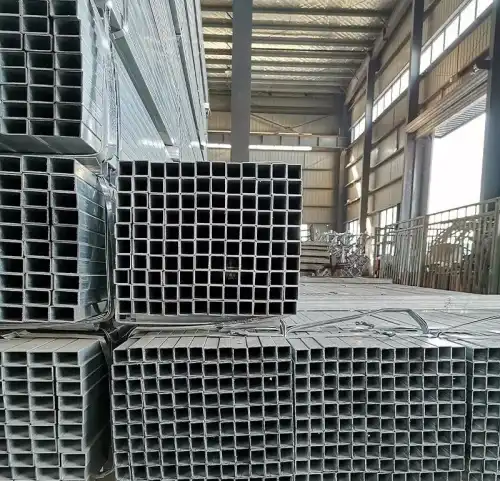
Understanding Titanium Rectangular Tubes: Properties and Specifications
The trapezoidal tubes made of titanium are precision-engineered metal parts made for important industrial uses where regular materials don't work well. These hollow structural profiles have rectangular cross-sections and are made from commercially pure titanium grades or titanium alloys. They have great mechanical and physical qualities that go beyond what normal materials can do.
Key Material Properties and Performance Characteristics
The main benefit of the titanium rectangular tube is that it has a very high strength-to-weight ratio. It has tensile powers that are similar to high-strength steel but weigh about 45% less. Grade 2 commercially pure titanium has a tensile strength of up to 345 MPa and is very easy to shape. Grade 5 (Ti-6Al-4V) alloy has better mechanical qualities and a tensile strength of over 895 MPa. The material's density of 4.51 g/cm³ makes it much lighter, which is useful in situations where weight reduction directly affects performance efficiency. Another important thing that sets titanium rectangular tubes apart from other options is their resistance to corrosion. The substance creates a steady layer of titanium dioxide (TiO₂) that protects against all types of corrosion in marine settings, including cracking, pitting, and crevice corrosion caused by chloride stress. This natural defense system gets rid of the need for coats and keeps the structure strong over time in harsh chemical conditions.
Standard Specifications and Manufacturing Tolerances
The ASTM B338, ASTM B861, and ASTM B862 manufacturing guidelines for titanium rectangular tubes guarantee uniform quality and dimensional accuracy throughout global supply chains. Standard wall thicknesses run from 0.5 mm to 25 mm, and outside measurements can be anywhere from 10 mm x 20 mm to 150 mm x 300 mm for rectangular shapes. For important aircraft uses, dimension tolerances must be kept to within 0.1 mm, but ±0.2 mm is fine for most industry uses. Figuring out the weight per meter is important for planning projects and figuring out how much they will cost. A standard 50mm x 100mm trapezoidal tube with a 3mm wall thickness weighs about 2.8 kg/m³ in Grade 2 titanium, but 7.2 kg/m³ for the same shape made of stainless steel. These weight decreases directly lead to better system performance across many businesses, less fuel use, and less stress on structures.
Benefits of Titanium Rectangular Tubes Over Other Metals
When it comes to performance, titanium cylindrical tubes are clearly better than other materials, which helps solve important problems in the business. Comparative research shows that titanium's longer service life and lower operating costs make it worth the higher funding costs.
Strength and Durability Advantages
When it comes to strength-to-weight, titanium rectangular tubes are better than steel, aluminum, and stainless steel options in a number of ways. 316 stainless steel trapezoidal tubing has a tensile strength of 515 MPa at a density of 8.0 g/cm³. Grade 5 titanium, on the other hand, has a tensile strength of 895 MPa at a density of only 4.43 g/cm³. This means that the specific strength is 74% higher, which means that structures can be made lighter without losing their ability to hold weight. Another important benefit of titanium rectangular tubes is that they don't wear down easily. When loaded and unloaded over and over, the material keeps 50% of its ultimate tensile strength. This is higher than the 35% that aluminum alloys and 40% that stainless steel maintain. This better wear performance stops cracks from starting and spreading in dynamic loading situations, which greatly increases the service life of the component.
Corrosion Resistance and Environmental Performance
In harsh settings where other materials break down quickly, the titanium rectangular tube is distinguished by its chemical strength. Testing in seawater shows that titanium doesn't corrode at all after 16 years of being submerged continuously, but stainless steel 316L starts to show pitting and pocket rust within 18 months of being exposed to the same conditions. High-temperature oxidation resistance lets materials work in temperature ranges that are normally too low for them. Titanium oblong tubes keep their shape at temperatures up to 600°C in oxidizing environments. On the other hand, aluminum metals lose their strength above 150°C, and carbon steel needs to be coated with a protective material above 400°C. This temperature stability gets rid of problems caused by thermal cycling and lowers the amount of upkeep needed in high-temperature settings.
Lifecycle Cost Analysis and Return on Investment
An economic study shows that titanium rectangular tubes have better lifetime value, even though they cost more at first. Payback times range from 3 to 7 years, based on the severity of the application. This is because corrosion resistance lowers maintenance costs, service life extends, and weight-related practical savings add up. Compared to stainless steel alternatives, installations in the energy sector find 60% lower upkeep costs over 20 years of service.
Manufacturing and Quality: How Titanium Rectangular Tubes Are Made
Knowing how things are made and how to make sure they are of good quality helps procurement workers judge the skills of suppliers and make sure that product specs meet important application needs.
Production Methods and Manufacturing Excellence
These days, to make titanium rectangular tubes, either seamless extrusion or precision welding is used, based on the size and purpose of the tube. Vacuum arc remelted (VAR) titanium billets are heated to 1,200°C and then pushed through precise dies to make the final rectangular shapes. This method gets rid of weld gaps and makes the grain structure the same all the way through the tube wall thickness. Welded rectangular tubes are made from titanium strips or plates that are joined together using automatic TIG welding in rooms with no oxygen or carbon dioxide. Advanced welding settings make sure that the weld goes all the way through while keeping the qualities of the base metal the same in the heat-affected zone. A 700°C post-weld heat process removes any remaining stresses and improves the mechanical qualities.
Quality Assurance and Testing Protocols
Tough quality control measures make sure that titanium rectangular tubes meet the exact requirements needed for important uses. Eddy current tests find surface and underlying flaws all along the length of the tube, while hydrostatic pressure testing checks the structure's strength at pressures higher than 3,000 PSI. Spectroscopic study of the chemical makeup shows that the alloy amount meets ASTM standards. As part of checking mechanical properties, random samples from each production lot are used to measure tensile strength, yield strength, and elongation. Coordinate measuring tools are used for dimensional checks to make sure that the profile is accurate within certain limits.
Customization Capabilities and Special Grades
Advanced production techniques allow for customization choices that meet the needs of particular applications. Cut-to-length services give you exact control over the length for straight fitting, titanium rectangular tubes, and end preparation includes operations like beveling, threading, and flanging. Special types of titanium, like Grade 7 (Pd-modified for better rust protection) and Grade 9 (Ti-3Al-2.5V for better shapeability), can meet specific performance needs. There are different ways to finish the surface, from a mill finish to electropolished surfaces with a hardness of 0.1 μm for use in semiconductors and medicines. Changes to the heat treatment process can make the features work best in certain stress conditions or temperature ranges, giving users custom options for tough situations.
Procurement Considerations for Titanium Rectangular Tubes
To reduce project risks and make sure there is a steady supply of materials, strategic buying of titanium rectangular tubes needs a full assessment of suppliers' skills, quality systems, and service offers.
Supplier Selection and Qualification Criteria
When looking at possible titanium rectangular tube providers, you need to carefully check their manufacturing skills, quality certifications, and experience in the business. Leading suppliers keep a number of foreign certifications, such as AS9100 for use in aircraft, ISO 13485 for medical products, and API standards for use in the energy sector. These certificates show that the quality management is organized and that the rules are followed, which is important for important apps. Production capacity and scalability are very important for big projects that need to stick to regular supply plans. Suppliers with more than one production line and a yearly capacity of more than 800 tons can handle large orders and keep their delivery promises. Being close to major shipping ports makes operations easier and lowers the cost of sending goods internationally.
Pricing Structure and Cost Optimization
The price of a titanium cylindrical tube depends on how much the raw materials cost, how hard it is to make, and how many tubes are ordered. Standard Grade 2 tubes cost between $25 and $45 per kilogram on the market right now, while Grade 5 alloy costs between $35 and $55 per kilogram, based on the specs and quantity. When you buy more than 5 tons, the price usually goes down by 10-15%, so keeping track of your supplies is an important cost factor. Value-added services like cut-to-length processing, surface treatments, and quality documentation raise the cost of the base material by 15 to 25 percent but get rid of the need for extra processing and the tasks that come with it. Most of the time, all-inclusive service packages are a better deal than quotes for just the materials.
Delivery and Logistics Management
Coordinating deliveries well keeps projects on schedule and makes sure the quality of materials stays high throughout the supply chain. Leading sellers offer a range of shipping choices, such as regular deliveries in containers and express air freight for orders that need to be sent quickly. Lead times for normal sizes are usually 15 days, while lead times for special sizes are usually 45 days. Anti-static foam padding and moisture-proof film wraps are used in packaging standards to protect titanium rectangular tubes during shipping. Labels with QR codes make it possible to track everything from the production lot to the final installation. This helps with quality paperwork needs and guarantees claims.
Practical Applications and Case Studies in Critical Industries
Titanium rectangular tubes used in the real world show how they can solve particular problems in different industries and improve performance in measurable ways.
Aerospace and Defense Applications
Aerospace companies use titanium rectangular tubes for airplane structural parts, where weight reduction directly affects fuel economy and payload capacity. Wing box frames, landing gear supports, and engine mount elements are all commercial airplane components. A big airplane maker said that changing rectangular aluminum tubes with Grade 5 titanium ones cut the weight of wing sections by 18%。 This saved more than $2.3 million in fuel costs each year for 20 years of service. Titanium's nonmagnetic qualities are used by the military for things like submarine hull penetrations and mounting frames for sonar equipment. The radar transparency of the material meets the needs of stealth technology while also offering structural strength in battle situations.
Chemical Processing and Energy Sector
In acidic settings where stainless steel degrades quickly, chemical processing facilities use a titanium rectangular tube as structural support. By replacing 316L stainless steel supports in chlorine production areas with Grade 2 titanium rectangular tubes over 15 years, a petrochemical refinery case study showed that all structure repair costs were eliminated. For seawater-exposed structural parts, offshore oil platforms use titanium rectangular tubes. This gets rid of the need for cathodic protection and cuts down on repair dives. Platform workers say that structural inspections are done 75% less often than with traditional materials.
Medical and Pharmaceutical Manufacturing
For surgery tool frames and diagnostic equipment housings, companies Titanium rectangular tube that make medical devices choose titanium rectangular tubes. Biocompatibility of the material means that toxic metals won't leak out, and its non-magnetic qualities mean that it can be used with an MRI. Instead of making new material qualifications, a medical device business used pre-certified titanium rectangular tubes and got FDA permission six months faster than planned. Titanium rectangular tube mounting frames for equipment are used in pharmaceutical cleanroom buildings to withstand chemical sanitizers and keep surface cleanliness standards. The material's smooth surface keeps germs from sticking to it and makes it easier to follow the validation steps needed for drug manufacturing compliance.
Conclusion
Titanium cylindrical tubes are the best material for demanding high performance, dependability, and durability in important uses. Because they have great strength-to-weight ratios, the best corrosion resistance, and a history of stability in harsh settings, these precision-engineered parts provide measured value that supports spending more on higher-quality materials. Lowering upkeep costs, increasing service life, and making operations run more smoothly all work together to create strong economic benefits in fields where material failure has major effects. Strategic relationships with qualified providers make sure that you can get the approved products, expert support, and on-time deliveries that are necessary for the project to succeed.
FAQ
1. Why is Grade 5 titanium preferred for critical applications?
Grade 5 titanium (Ti-6Al-4V) has great mechanical qualities. Its tensile strength is more than 895 MPa, and it doesn't rust or react badly with living things. The addition of aluminum and vanadium creates an alpha-beta microstructure that is stronger and lighter than widely pure types. This makes it perfect for use in aircraft, medicine, and high-stress structural uses.
2. How does the corrosion resistance of titanium compare to stainless steel?
Titanium rectangular tubes are completely resistant to splitting, pitting, and crevice corrosion caused by chloride stress corrosion, which is common in chemical and marine settings. The secure titanium dioxide passive layer forms on its own and fixes itself when it gets broken. On the other hand, the protective chromium oxide layer on stainless steel needs certain weather conditions to stay in place.
3. Are custom sizes and grades available for specific applications?
Leading titanium producers offer a wide range of personalization options, such as non-standard sizes, special alloy types, and finishing services that add value. Custom rectangular shapes can be made from 10mm x 20mm to 150mm x 300mm, and the wall thickness can be anywhere from 0.5mm to 25mm. Special grades, such as Grade 7 (which has better rust resistance) and Grade 9 (which has better formability), meet specific performance needs.
Partner with LINHUI TITANIUM for Premium Titanium Rectangular Tube Solutions
LINHUI TITANIUM is ready to help you with your important projects by providing you with precision-engineered titanium rectangular tubes and over 20 years of production excellence. Our wide range of skills, including working with metals from Grade 2 to Grade 9, along with our AS9100 aircraft and ISO 13485 medical certifications, guarantees that your needs will be met without any compromise on quality. Email our technical team at linhui@lhtitanium.com to talk about your needs and find out how our experience as a titanium rectangular tube maker can help your next project run better, titanium rectangular tubes and be more reliable.
References
1. ASM International Handbook Committee. "Properties and Selection: Nonferrous Alloys and Special-Purpose Materials." ASM Handbook Volume 2, 10th Edition, ASM International, 1990.
2. Boyer, R., Welsch, G., and Collings, E.W. "Materials Properties Handbook: Titanium Alloys." ASM International, Materials Park, Ohio, 1994.
3. Donachie, Matthew J. "Titanium: A Technical Guide, 2nd Edition." ASM International, Materials Park, Ohio, 2000.
4. Peters, M., Hemptenmacher, J., Kumpfert, J., and Leyens, C. "Structure and Properties of Titanium and Titanium Alloys." Titanium and Titanium Alloys: Fundamentals and Applications, Wiley-VCH, 2003.
5. Rack, H.J. and Qazi, J.I. "Titanium Alloys for Biomedical Applications." Materials Science and Engineering C, Volume 26, Issue 8, 2006.
6. Veiga, C., Davim, J.P., and Loureiro, A.J.R. "Properties and Applications of Titanium Alloys: A Brief Review." Reviews on Advanced Materials Science, Volume 32, Number 2, 2012.