
A thin-walled titanium tube is a new way to solve problems in fields that need to work well in harsh circumstances. These precision-engineered parts have the best strength-to-weight ratios and the best corrosion protection, which makes them essential for use in medical and aircraft applications. The very thin walls, which are usually between 0.2mm and 3mm thick, help reduce weight by a lot without affecting the strength of the structure. Because we've been making things for 21 years, LINHUI TITANIUM can make these important parts with accuracy as high as ±0.05mm. We do this for world-class projects in the energy, healthcare, and flight industries, where dependability and performance are essential.
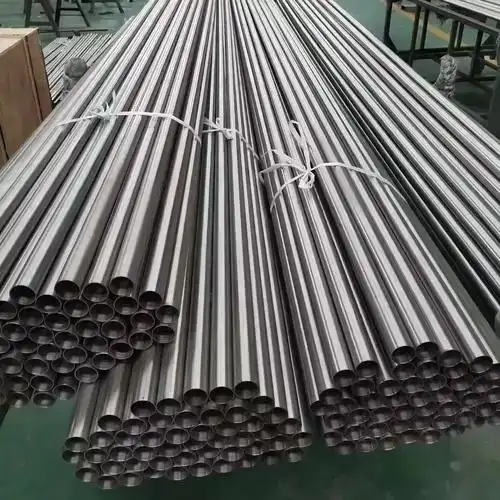
Understanding Thin-Walled Titanium Tubes: Properties and Specifications
The technical accuracy that goes into making titanium tubing with thinner walls is the result of decades of progress in materials science. These specialized parts are categorized by wall thickness-to-diameter ratios that make the best use of material spread while keeping the structure's performance.
Definition and Dimensional Characteristics
The aerospace and medical fields describe thin-walled tubing by specific size standards that balance the need to save weight with the need to perform its function. Wall thicknesses in standard aircraft uses are usually between 0.5mm and 2.5mm. However, medical implants often need even more exact measurements. The outer diameter ranges from 6 mm to 150 mm, based on the needs of the product. Through improved cold-rolling techniques, LINHUI TITANIUM can manufacture products that meet specific size requirements. These methods stop stress cracks from happening while meeting the exact limits needed by Boeing and Airbus. We get very accurate measurements that allow our products to fit easily into complicated assembly systems where even small errors can hurt performance.
Mechanical Properties and Material Performance
Titanium alloys are mechanically very different from other materials because they have unique properties. Grade 2 titanium, which is often used in medical applications, has a tensile strength of up to 345 MPa and is very flexible. The tensile strength of aerospace-grade Ti-6Al-4V metal is over 900 MPa, which means it performs even better. Ti is resistant to corrosion because it forms a natural oxide layer that protects it from chloride surroundings, acidic conditions, and living fluids. This passive layer heals itself when it gets broken, so it will work reliably for a long time even in harsh settings. Temperature stability stays the same over a wide range, from very low temperatures in space to very high temperatures used for medical treatment.
Alloy Specifications and Grade Classifications
Different types of titanium meet the needs of different industries by having different chemical makeups and mechanical qualities. Medical implants and surgery tools made of Grade 1 and Grade 2 titanium are the most biocompatible. These commercially pure grades are great for making complex medical device shapes because they can be shaped and welded very well. Alpha-beta metals like Ti-6Al-4V (Grade 5) are useful in aerospace because they are strong while also being relatively light. The additions of aluminum and vanadium improve the mechanical qualities of the titanium while keeping its natural resistance to rust. Our quality control systems make sure that every lot of alloy meets the strict standards for NADCAP AC7004 and AS9100D certification. This gives us the tracking information we need to meet aerospace compliance.
Critical Benefits of Thin-Walled Titanium Tubes for Aerospace & Medical Applications
Titanium tubing has performance benefits that go far beyond just lowering weight. These benefits include operational benefits that have a direct effect on mission success and patient results.
Weight Optimization Without Strength Compromise
Tiny, thin-walled titanium tubes are an important part of modern flight design because they help aircraft use less fuel by making parts lighter. Titanium has a strength-to-weight ratio about 2.5 times higher than steel. This means that airplanes can lose a lot of weight without sacrificing structural integrity. By lowering the weight, these changes lead to better gas mileage, longer range, and more storage space. The lightweight nature of titanium is very helpful for medical gadget designs. The precision needed for sensitive operations is maintained by surgical tools made with titanium tubing, which also keeps surgeons from getting tired during long procedures. When it comes to portable medical tools and implantable devices, where patient safety is very important, the weight savings are very important.
Biocompatibility and Sterilization Compatibility
Because the medical field has strict biocompatibility standards, titanium is a great metal for implants and surgical tools. Titanium is very compatible with tissues, causes little inflammation, and has strong osseointegration qualities for use in orthopedics. The inert nature of the material keeps bad responses from happening, even after long-term insertion. Titanium's mechanical properties and surface features don't change after multiple sterilization processes with autoclave, gamma radiation, and electron beam sterilization. This makes sure that the gadget works the same way throughout its life and keeps it clean, which is important for medical uses. Our electrical polishing method makes surfaces smoother, which makes it easier to clean and germ-freeze them completely.
Extreme Environment Performance
Components used in aerospace are exposed to huge temperature changes, from -253°C in space to over 600°C near engine systems. Titanium's mechanical qualities stay the same across this whole temperature range, so it works reliably even in harsh circumstances. The low thermal expansion rate of the material keeps size changes to a minimum, which keeps system limits safe. Chemical protection is important for both medical and military uses. Jet fuel, hydraulic fluids, and cleaning agents all come into contact withthe titanium parts of airplanes and don't damage them. In the same way, titanium is useful in medical uses because it doesn't react badly with body fluids, drugs, and cleaning agents that would break down other materials.
Comparing Thin-Walled Titanium Tubes with Other Materials
To understand material selection, you need to look at performance traits, cost factors, and long-term reliability issues for a variety of uses.
Strength-to-Weight Analysis
Traditional aircraft and medical materials aren't as strong as titanium when it comes to weight. Aluminum is cheaper to buy at first, but because it isn't as strong, walls have to be wider to do the same job, which cancels out any weight benefits. Stainless steel is strong enough, but it's very heavy, which makes airplanes less efficient and medical devices less comfortable to use. The strength-to-weight ratio of carbon fiber composites is close to that of titanium, but they aren't flexible enough or strong enough to handle damage for pressure-bearing uses. Composites break easily, which raises safety worries in important aerospace systems where slow failure recognition allows for preventive maintenance. Titanium's malleable behavior lets you know when something is about to fail badly.
Corrosion Resistance Comparison
Titanium is more resistant to corrosion than stainless steel, aluminum, and copper, metals that are often used in aircraft and medicine. The chromium oxide layer on stainless steel is a good defense, but chloride exposure, which is common in naval and aircraft work, can wear it down. The oxide layer on aluminum doesn't protect it very well from the acidic conditions that are common in medical cleaning. Even though copper alloys are very good at transferring heat, they can rust when they are joined to other metals in complicated structures. Titanium is galvanically compatible with most industrial materials, such as thin-walled titanium tubs, which makes system design easier and gets rid of the need for corrosion-related upkeep. Because the material is stable in biological settings, it is the best choice for long-term devices where corrective surgery is very risky.
Cost-Benefit Analysis and Lifecycle Considerations
When choosing materials, you have to weigh the original costs against the long-term costs of running and the number of times they need to be replaced. Titanium is more expensive as a raw material, but it often ends up being cheaper over the duration of a product. Initial investment fees are more than covered by lower upkeep needs, longer service life, and better performance capabilities. The durability of titanium helps aerospace uses by allowing for longer check periods and fewer replacements. The lighter weight makes the plane more efficient over its entire service life, saving more on fuel than the extra cost of the materials paid for them. Biocompatibility is important for medical uses because it eliminates the need for revisions and the problems that come with patients when materials break down.
Manufacturing Process and Quality Assurance of Thin-Walled Titanium Tubes
Our high-quality making comes from using cutting-edge production methods and strict quality control standards that make sure all of our products always work well.
Advanced Manufacturing Techniques
To make ultra-thin titanium tubes, you need to use special manufacturing methods that keep the material's structure while getting exact measurements. Traditional methods of making can cause stress cracks, but cold-rolling techniques stop these before they happen. This makes sure that the wall thickness is the same all the way along the tube. Our precision rolling equipment keeps tolerances within ±0.05mm, which meets the strict needs of medical and aircraft uses. Traditional welding methods can get dirty, but electron beam welding doesn't. This is especially important for medical device users. This high-tech way of welding makes parts that don't show any outside materials that might not be biocompatible or have good mechanical qualities. Oxidation can't happen in a vacuum, so the welds are clean and stable, which is important for pressure-bearing uses. Post-processing activities improve the quality of the surface and the performance of the material by following carefully planned steps. Electrochemical cleaning gets rid of surface flaws and makes things more resistant to rust and biocompatible. Ultrasonic cleaning gets rid of tiny pieces of dirt that could slow things down or make them not work with certain programs.
Quality Control and Certification Compliance
Our complete quality assurance program covers the whole production process, from checking the raw materials to doing the final review. 100% eddy current testing makes sure that the wall thickness is the same all the way through each tube. This checks for accuracy in measurements and finds any problems with the way the tubes were made. This way of checking doesn't damage the product, so it covers everything without affecting its integrity. Every shipment comes with material tracking paperwork, which shows the whole supply chain, from making the titanium sponge to finishing the work. Mill test papers make sure that the chemical make-up, mechanical qualities, and compliance with standards are all correct. This information helps with government compliance and customer quality processes. The certification portfolio includes aircraft standards NADCAP AC7004 and AS9100D, which make sure that the quality standards of the business are met. Some medical device standards, like ISO 13485 and FDA 510(k) listing, help medical device manufacturers keep their quality systems up to date. These certifications show that we are dedicated to high standards and following all rules and regulations.
Supply Chain Transparency and Traceability
Modern ways of buying things require full access across the supply chain. This is especially important for medical and aerospace uses, where a failed part could have terrible results. With our combined manufacturing method, we have direct control over the production processes, so there are none of the risks that come with multi-tier supply chains. When getting raw materials, thin-walled titanium tube suppliers are qualified according to set rules that check the quality and stability of the titanium sponge. Regular checks of our suppliers make sure that they continue to meet our quality standards and the standards of the business. This complete program for managing suppliers keeps the quality of the materials needed for important uses. Documentation systems keep track of the whole history of a product, from the time it is made to the time it is shipped. The combination of heat numbers, processing records, and inspection data makes for a complete record that helps with legal compliance and customer quality systems. This allows for quick responses to any quality problems and helps with efforts to keep getting better.
Procurement Insights: How to Choose and Source Thin-Walled Titanium Tubes
When making strategic purchasing choices, it's important to carefully look at the skills, technical support, and business factors of the provider that could affect the success of the project and the value of the partnership in the long run.
Supplier Evaluation Criteria
A thorough evaluation of the supplier's technical skills, quality processes, and delivery performance is the first step to a successful purchase. The amount of manufacturing that can be done must match the needs of the project, and it must be possible to handle both standard and unique specs. With 30 production lines and a yearly capacity of 800 tons, we can handle big aerospace and medical device projects. When working with specialized applications that need unique solutions, technical help skills become very important. Expertise in titanium metallurgy, forming methods, and application-specific needs is needed to finish a job successfully. Because we've been making titanium for 21 years, we have the knowledge to meet even the most difficult technical needs. Quality system certification shows that a provider is dedicated to regular performance and following the rules. AS9100D certification makes sure that aircraft quality standards are met, and ISO 13485 helps with medical gadgets. These certificates show that quality standards and programs for ongoing growth have been set up, which is important for the long-term success of a relationship.
Commercial Considerations and Cost Optimization
Titanium tube prices are based on the cost of the raw materials, the difficulty of the processing, and the size of the order. Understanding these things is important for managing costs and making budgets. Standard sizes usually have better prices because they are easier to make, while unique specs cost more for planning and setup. Minimum order amounts strike a balance between the need to keep stockpiles under control and the efficiency of production. We are able to work with customers throughout the entire lifecycle of a product because our method is flexible enough to handle both big production runs and smaller development quantities. Keeping track of lead times is important for planning projects when standard goods are ready in 15 days, and custom specs take 30 days. When doing business internationally, things like export rules, shipping methods, and payment terms can change the total cost and arrival times. Our well-established export processes make sure that customs clearance goes smoothly and that we follow the rules for foreign trade. Different delivery needs can be met by using different shipping choices, such as DHL, FedEx, air freight, and sea freight.
Long-term Partnership Development
For suppliers to have long-term ties with buyers, they need to be able to adapt to changing needs while keeping the quality of the thin-walled titanium tube and delivering high performance. Our dedication to constant improvement and technological progress guarantees that our capabilities will always be in line with changing customer needs. Investing in research and development helps make products and processes better in the future. Technical teamwork is more than just working together as a seller and a customer. It also includes working together to solve problems and make things better. Our tech team works closely with customers to find ways to make things better and come up with ideas that make products work better or cost less. This way of working together produces value that goes beyond the business at hand. Warranty coverage, professional help, and access to certification files that help customers run their businesses are all parts of after-sales support. Our 12-month guarantee against manufacturing defects gives you peace of mind about the quality of our goods, and our free replacement policies take care of any that don't meet your needs. Access to material approval records for life helps with ongoing compliance needs.
Conclusion
Choosing thin-walled titanium tubes for medical and aerospace uses is a smart choice that combines the need for performance, quality standards, and long-term value. Due to its unique properties of being light, strong, resistant to corrosion, and biocompatible, titanium tubing is essential for important uses where failure is not a choice. With 30 production lines and 21 years of experience, LINHUI TITANIUM has all the manufacturing skills it needs to make sure it always has accurate parts that meet the strictest requirements. Our dedication to quality excellence is shown by the many certifications and strict testing methods we have in place. This gives aerospace and medical uses the trust they need.
FAQ
1. How can thin-walled titanium tubes maintain structural integrity with reduced material thickness?
Precision cold-rolling and controlled cooling processes are two examples of modern production methods that improve the structure of materials and get rid of stress concentrations that could hurt performance. Thin-walled designs can meet or beat performance standards while saving a lot of weight thanks to the inherent strength of titanium alloys and careful control of dimensions.
2. What certifications are essential for aerospace-grade titanium tubing?
For special processes used in aerospace applications, NADCAP AC7004 approval is needed, as well as AS9100D quality management system certification. These standards make sure that quality is always the same, that products can be tracked, and that they meet safety standards for flight. AMS standards that are specific to certain airplane systems or parts may be added to the list of material requirements.
3. Can thin-walled titanium tubes be customized for specialized medical applications?
A titanium tube can be changed in many ways to fit the needs of a medical device. It can be made in any size, with any surface finish, and in any metal. ISO 13485 certification and FDA 510(k) listing support uses as medical devices, and biocompatibility testing and special electrolytic polishing make sure they are safe for use with patients.
Partner with Industry-Leading Thin-Walled Titanium Tube Manufacturer
LINHUI TITANIUM is ready to help you with your toughest medical and military projects by providing you with precision-engineered titanium tubing options. We are the best company to get thin-walled titanium tubes from because we can make them all, have many foreign certifications, and have worked with many of the world's biggest aircraft companies in the past. Email our scientific team at linhui@lhtitanium.com to talk about your unique needs, get samples of the material, a thin-walled titanium tube, or look into custom solutions that are made to fit your project. We can produce 800 tons per year and have long-term partnerships with Boeing, Airbus, and major medical device makers. This means we can provide the quality, dependability, and technical support that are needed for mission-critical uses.
References
1. Boyer and R. R. Part A of Materials Science and Engineering: A is called "An Overview on the Use of Titanium in the Aerospace Industry." 213, 1996, pp. 103–114.
2. Niinomi, M. Materials Science and Engineering: A, Vol. 8: "Mechanical Properties of Biomedical Titanium Alloys." 243, 1998, pp. 231–236.
3. The Lutjering, G. and Williams, J. C. "Titanium: Engineering Materials and Processes." Manchester University Press, 2007.
4. Rack, H. J. and Qazi, J. I. Materials Science and Engineering: C, Vol. 9, "Titanium Alloys for Biomedical Applications." 26, 2006, pp. 1269–1277.
5. Peters, M. "Advanced Engineering Materials," Vol. 7, No. 2, "Titanium Alloys for Aerospace Applications." 5, 2003, pp. 419–427.
6. Geetha, M. et al. "Ti-Based Biomaterials: The Ultimate Choice for Orthopedic Implants." Progress in Materials Science, Vol. 54:397–425 (2009).