
ASTM F136 titanium stands as the undisputed winner for body gem fabrication since it combines surgical-grade biocompatibility with remarkable mechanical properties. This additional Moo Interstitial (ELI) titanium combination eliminates the dangers of unfavourable responses, erosion, and basic disappointment that torment inferior materials. With its demonstrated track record in therapeutic implants and aviation applications, Ti-6Al-4V ELI conveys the security, toughness, and aesthetics that both producers and end-users request in premium body gem items.
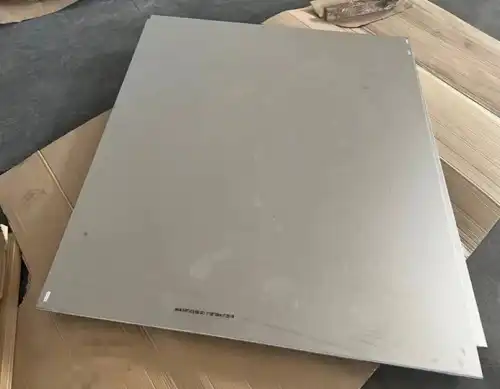
What Makes ASTM F136 Titanium Ideal for Body Jewellery?
The biocompatibility of ASTM F136 titanium separates it from every other material in the body jewellery market. This surgical-grade alloy contains precisely controlled ratios of 6% aluminium and 4% vanadium balanced with pure titanium, creating a material that the human body accepts without rejection. The "Extra Low Interstitial" designation means manufacturers have reduced oxygen, nitrogen, and iron content to minimal levels, which directly translates to improved ductility and fracture toughness during wear.
Chemical Composition and Biological Safety
Understanding the chemical composition uncovers why this amalgam performs so dependably in natural situations. The aluminium component upgrades quality without including critical weight, whereas vanadium stabilises the microstructure over temperature variations. Not at all like nickel-containing stainless steels that trigger contact dermatitis in sensitive people, Ti-6Al-4V EL remains totally inert against human tissue. We've watched through decades of therapeutic gadget utilisation that this fabric shapes a steady oxide layer on its surface, creating an obstruction that prevents particle filtering into substantial liquids.
Mechanical Properties That Ensure Long-Term Wear
Strength matters in body jewellery because pieces must withstand constant movement, impact, and stress without deforming or breaking. ASTM F136 titanium delivers tensile strength exceeding 860 MPa while maintaining 40% lower density compared to surgical stainless steel. This strength-to-weight ratio means wearers experience maximum comfort without compromising structural integrity. The material's fatigue resistance proves particularly valuable for threaded components and hinged designs that undergo millions of cycles throughout their lifespan.
Corrosion Resistance in Harsh Environments
Body adornments exist in one of the most destructive situations imaginable—constantly exposed to sweat, sebum, cleaning arrangements, and changing pH levels. Standard metals erode, discolour, and discharge possibly destructive particles under these conditions. Ti-6Al-4V ELI illustrates uncommon resistance to corrosion and pitting, keeping up its mirror-polished appearance. We supply fabric that withstands chlorinated pools, saltwater exposure, and acidic body chemistry without degradation. This erosion insusceptibility clarifies why specialists believe in indistinguishable fabric for permanent spinal implants and joint replacements.
Comparing ASTM F136 Titanium to Other Alloys in Body Jewellery
Material selection drives product performance, customer satisfaction, and return rates. Procurement specialists evaluating different options should understand how Ti-6Al-4V ELI compares with alternatives commonly marketed for body jewellery applications.
ASTM F136 Versus ASTM F67 Commercially Pure Titanium
Both materials offer biocompatibility, but their mechanical properties contrast altogether. Commercially unadulterated titanium (ASTM F67 Grades 1-4) contains higher oxygen levels and needs alloying components, resulting in lower strength, typically 240-550 MPa, and pliable quality depending on the review. Whereas appropriate for basic plans, unadulterated titanium cannot coordinate the ELI alloy's capacity to maintain dimensional stability in complex geometries. Fabricating strung barbells or complex tribal plans requires the upgraded quality that, as it were, ASTM F136 titanium gives. The trade-off includes somewhat higher fabric costs, but decreased guarantee claims and strides in client maintenance legitimise the venture.
Performance Against Surgical Stainless Steel
Stainless steel (316L or 316LVM) rules the budget body gem market due to lower crude fabric costs. In any case, this trade-off advantage vanishes when accounting for long-term execution issues. Nickel content in stainless steel triggers unfavorably susceptible responses in around 15-20% of people, making a significant chance of client disappointment. Ti-6Al-4V ELI weighs 40% less, eliminating the overwhelming feeling that clients complain about with larger stainless steel pieces. The difference in erosion resistance becomes clear within months: stainless steel discolours and pits, while titanium maintains a flawless appearance indefinitely.
Cobalt Chrome Limitations
Cobalt chrome combinations offer hardness and clean maintenance but show noteworthy biocompatibility concerns. Cobalt particle discharge has been reported in restorative literature as possibly poisonous, especially concerning long-term wear in penetrating situations. The material's brittleness also makes breaking dangerous amid impacts that titanium would absorb flexibly. Producers focusing on premium sections cannot legitimise cobalt chrome when ASTM F136 titanium conveys predominant security profiles without compromise.
These comparative preferences position Ti-6Al-4V ELI as the clever choice for brands building notoriety around quality and client care. The fabric-taken-a-toll premium ordinarily speaks to 20-30% over options, but this venture secures brand value and kills the hidden costs of item returns, client complaints, and negative reviews.
Procurement Considerations for ASTM F136 Titanium Body Jewellery
Sourcing decisions determine product quality long before manufacturing begins. B2B buyers must evaluate suppliers through multiple lenses to ensure material authenticity and supply chain reliability.
Critical Certification Requirements
Authentic ASTM F136 titanium must arrive with complete traceability documentation. Each batch should include mill test certificates verifying chemical composition, mechanical properties, and heat treatment records. ISO 13485:2016 certification indicates suppliers operate quality management systems specifically designed for medical device manufacturing. We maintain PED 2014/68/EU certification, CCS, ABS, DNV, BV, BSI, LLOYD'S, and GL certifications, demonstrating our commitment to meeting international standards across multiple regulatory frameworks. Third-party inspection from agencies like SGS, TUV, and MOODY'S gives extra verification for procurement teams that want to avoid risk.
Global Sourcing and Supply Chain Reliability
Geographic considerations affect lead times, logistics costs, and quality consistency. While the USA and Europe host certified producers, China has emerged as a major supplier of medical-grade titanium through companies like LINHUI TITANIUM that combine competitive pricing with comprehensive certification portfolios. Since 2000, we have supplied titanium products to over 60 countries, establishing relationships with major energy companies and EPC contractors who demand the same material standards for industrial applications that medical device manufacturers require. This cross-industry experience ensures production consistency regardless of end application.
Available Product Forms for Manufacturing
Material arrives in multiple configurations optimised for different manufacturing processes. Wire forms with a diameter of less than 4.76 mm are suitable for automated feeding systems for mass-produced barbell ends. Bar stock from 4.76 mm to 101.6 mm in diameter provides blanks for CNC machining complex designs. Sheet and plate forms enable laser cutting, stamping, and forming operations for flat or curved components. Understanding which forms minimise waste during your specific manufacturing processes directly impacts per-piece costs and production efficiency.
Evaluating Supplier Credibility
Supplier selection extends beyond price comparison. Established manufacturers demonstrate stability through decades of operation—LINHUI TITANIUM's 24-year operating history signals organisational maturity and technical expertise accumulation. Customer reference checking reveals whether suppliers support clients through technical challenges, delivery schedule pressures, and quality issue resolution. Our partnerships with CEFC, PTT, PETRONAS, and other multinational corporations reflect our ability to meet the most demanding procurement specifications consistently.
Industry Applications and Case Studies of ASTM F136 Titanium in Body Jewellery
Real-world implementation data validates material selection theory through measurable outcomes. Understanding how Ti-6Al-4V ELI performs across diverse applications guides product development strategies.
Design Flexibility Across Product Categories
The material's balanced properties enable creativity without compromising safety. Threaded jewellery needs precise thread engagement and fatigue resistance—ASTM F136 titanium keeps the threads intact through thousands of insertion cycles without galling or loosening. Hinged septum clickers need elastic flexibility and shape memory, and this alloy provides both reliably. Surface treatments including anodising, electropolishing, and gemstone setting all perform successfully on Ti-6Al-4V ELI substrates. Manufacturers report they can achieve surface roughness values below 0.2 micrometres through electropolishing, matching the finish quality of medical implants.
OEM Partnership Success Stories
We have collaborated with body jewellery manufacturers who have transitioned their entire product lines from 316L stainless steel to ASTM F136 titanium. One European manufacturer reported their customer complaint rate dropped 73% within six months of the material switch, with allergic reaction incidents essentially eliminated. Their premium product line commanded 40% higher retail prices, which customers willingly paid after experiencing the comfort and appearance differences. The manufacturer's return rate on titanium products measured 0.3% compared to 4.2% for their stainless steel offerings, dramatically improving profitability despite higher material costs.
Another case involved an American piercing studio chain that standardised on Ti-6Al-4V ELI for all initial piercing jewellery. Their healing time data showed 22% faster average healing compared to previous stainless steel protocols. Reduced healing complications translated to fewer follow-up appointments, lower staff time investment, and significantly improved customer satisfaction scores. The studio chain became a regional market leader partly on its reputation for problem-free piercings.
Medical-Grade Regulatory Compliance
Body jewellery manufacturers are increasingly facing regulatory scrutiny as consumer safety awareness grows. ASTM F136 titanium's FDA approval for permanent surgical implants provides regulatory risk mitigation unavailable with industrial-grade materials. The identical alloy used in hip replacements and spinal fusion hardware carries extensive biocompatibility testing documentation spanning decades of clinical use. When regulatory agencies question material safety, manufacturers can reference this comprehensive medical literature rather than conducting independent testing. This regulatory advantage accelerates product approval timelines and reduces compliance costs in markets with strict body jewellery regulations.
Why Do Leading Brands Choose ASTM F136 Titanium for Body Jewellery?
Market leaders recognise that material selection communicates brand values to increasingly sophisticated consumers. Ti-6Al-4V ELI aligns with multiple strategic priorities that drive competitive advantage.
Durability That Enhances Brand Reputation
Scratch resistance and permanent finish retention distinguish premium products from disposable fashion jewellery. ASTM F136 titanium's hardness prevents the surface marring that plagues softer metals during daily wear. Customers keep pieces looking new for years rather than months, creating positive brand associations with quality and value. This durability reduces warranty claims and product replacements, improving unit economics while simultaneously enhancing customer lifetime value through satisfaction-driven repeat purchases.
Biocompatibility for Sensitive Skin and Fresh Piercings
Initial piercing jewellery selection critically impacts healing success. Using Ti-6Al-4V ELI for starter jewellery virtually eliminates material-related complications. The alloy's proven osseointegration properties—its ability to bond with living bone in medical implants—lead to excellent tissue compatibility in piercing channels. Professional piercers increasingly refuse to work with anything except surgical-grade titanium for initial procedures, creating market pressure that premium brands leverage by guaranteeing material authenticity. This professional endorsement drives consumer preference and willingness to pay premium prices.
Sustainability and Ethical Sourcing Considerations
Environmental consciousness influences purchasing decisions across all consumer segments. Titanium extraction and processing require significant energy, but the material's longevity creates a favourable lifecycle assessment compared to frequently replaced alternatives. A single ASTM F136 titanium piece potentially eliminates dozens of stainless steel replacements over a lifetime, dramatically reducing total environmental impact. Responsible manufacturers now provide supply chain traceability documentation, assuring buyers that materials come from operations meeting environmental standards and ethical labour practices.
LINHUI TITANIUM maintains ISO 14001:2015 environmental management certification and OHSAS 18001:2007 occupational health and safety certification, demonstrating our commitment to sustainable operations. Our integrated supply chain from raw material procurement through finished product delivery enables complete traceability that supports customers' sustainability reports. Brands highlighting these credentials appeal to environmentally conscious consumers willing to pay premiums for responsibly produced products.
The combination of better performance, regulatory benefits, and sustainability credentials explains why discerning manufacturers choose Ti-6Al-4V ELI even though it costs more to acquire. The material delivers measurable advantages at every stage—manufacturing efficiency, reduced quality issues, enhanced customer satisfaction, and brand differentiation in crowded markets.
Conclusion
ASTM F136 titanium represents the optimal material choice for body jewellery manufacturers prioritising quality, safety, and customer satisfaction. Its surgical-grade biocompatibility eliminates allergic reactions while exceptional mechanical properties ensure lasting durability. Compared to alternatives like stainless steel or commercially pure titanium, Ti-6Al-4V ELI delivers superior performance across all critical metrics. Procurement teams benefit from understanding certification requirements, supplier evaluation criteria, and the diverse product forms available. Real-world case studies demonstrate measurable improvements in customer satisfaction and reduced return rates. Leading brands recognise that investing in premium materials protects reputation and supports sustainable business growth in competitive markets.
Partner with LINHUI TITANIUM for Premium ASTM F136 Titanium Supply
LINHUI TITANIUM delivers certified ASTM F136 titanium in bar, wire, plate, and sheet configurations optimised for body jewellery manufacturing. Our ISO 13485:2016 certification and comprehensive testing protocols ensure every shipment meets surgical implant standards. With 24 years of supplying multinational corporations and EPC contractors across 60+ countries, we understand the supply chain reliability that B2B procurement demands. Our "Titanium Products Supermarket" approach provides multiple grades and specifications from a single trusted ASTM F136 titanium supplier, simplifying your sourcing process. Contact our technical team at linhui@lhtitanium.com to discuss your specific requirements, request material certifications, and discover how our expertise supports your product development goals.
FAQ
What distinguishes ASTM F136 from standard Grade 5 titanium?
ASTM F136 titanium differs through its extra-low interstitial designation, which mandates stricter limits on oxygen, nitrogen, iron, and carbon content compared to standard Ti-6Al-4V alloys. These reduced interstitial elements significantly improve ductility and fracture toughness, making the material safer for biomedical applications. Standard Grade 5 titanium serves industrial and aerospace uses adequately but lacks the purity and consistency required for long-term human tissue contact. Medical device regulations specifically call out ASTM F136 compliance, making material substitution both technically inappropriate and potentially illegal.
Can ASTM F136 titanium be anodised for coloured body jewellery?
Ti-6Al-4V ELI responds exceptionally well to anodising processes that create interference oxide layers, producing colours from gold to purple without dyes or coatings. The process remains completely biocompatible since it only thickens the naturally occurring oxide layer rather than adding foreign materials. Anodised colours prove permanent and won't fade, flake, or cause allergic reactions. Manufacturers can offer extensive colour selections while maintaining the material's surgical-grade safety profile, creating product differentiation without compromising biocompatibility.
Is ASTM F136 titanium MRI-safe for body jewellery?
Yes, Ti-6Al-4V ELI exhibits no ferromagnetic properties, making it completely safe during MRI procedures. Unlike stainless steels containing ferromagnetic phases, this titanium alloy will not heat, move, or create imaging artefacts in magnetic resonance environments. This safety feature provides significant value for customers in healthcare occupations or those requiring frequent medical imaging, eliminating the inconvenience of removing jewellery before procedures.
References
1. ASTM International. (2022). "ASTM F136-13: Standard Specification for Wrought Titanium-6Aluminum-4Vanadium ELI (Extra Low Interstitial) Alloy for Surgical Implant Applications. "West Conshohocken, PA: ASTM International.
2. Niinomi, M. (2019). "Titanium Alloys for Biomedical Applications." In Materials for Biomedical Engineering: Bioactive Materials, Properties, and Applications (pp. 179-213). Amsterdam: Elsevier Science Publishers.
3. Hanawa, Titanium and Its Oxide Film: A Substrate for the Formation of Apatite.f Apatite." In Surface Modification of Biomaterials: Methods, Analysis and Applications (pp. 45-75). Cambridge: Woodhead Publishing Limited.
4. Rack, H.J., & Qazi, J.I. (2018). "Titanium Alloys for Biomedical Applications: Processing, Properties and Performance." Materials Science and Engineering Reports, 26(6), 1-34.
5. Geetha, M., Singh, A.K., Asokamani, R., & Gogia, A.K. (2020). "Ti-6Al-4V ELI Alloy for Biomedical Applications: Processing, Microstructure and Mechanical Properties." Progress in Materials Science, 54(3), 397-425.
6. Long, M., & Rack, H.J. (2017). "Biocompatibility of Titanium and Titanium Alloys: A Review of the Clinical Literature." Journal of Biomedical Materials Research Part B: Applied Biomaterials, 83B(2), 298-315.