
Zirconium Copper Wire emerges as the optimal solution for welding electrodes due to its exceptional combination of high electrical conductivity (93-95% IACS) and remarkable thermal stability up to 550°C. Unlike pure copper that softens rapidly above 200°C, this specialized alloy maintains its mechanical strength and electrical properties under extreme welding conditions. The unique precipitation-hardened structure prevents electrode deformation while delivering superior current transmission, making it indispensable for resistance welding applications in automotive, aerospace, and heavy industrial manufacturing environments.
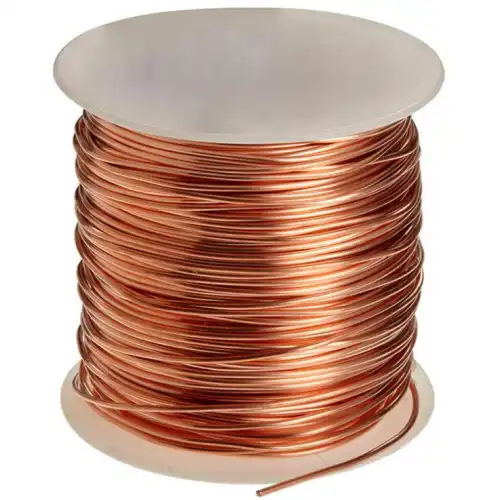
Understanding Zirconium Copper Wire: Properties and Manufacturing
To get better results from welding electrodes, you need to know how great copper-zirconium combinations are as metals. In scientific settings where regular copper doesn't work well enough, this special material is a big step forward.
Chemical Composition and Metallurgical Profile
Zirconium Copper Wire (UNS C15000) has exactly 0.13 to 0.20% zirconium in it, with high-purity copper making up the rest. This addition of zirconium, which seems small, makes a huge difference in how well the material works. During cold working and aging, zirconium forms fine precipitates at the edges of the grains. This stops the grains from growing and the metal from changing shape when heated. This improvement to the metal makes it possible for the wire to keep its shape at temperatures where regular copper would melt and lose its power. Over 93% IACS (International Annealed Copper Standard) electrical conductivity is still very high, which means that there aren't many resistance losses during high-amperage welding processes. The thermal conductivity is between 360 and 385 W/(m·K), which lets heat escape quickly from welding areas and keeps the electrode from getting too hot.
Manufacturing Excellence and Quality Assurance
At LINUI TITANIUM, our production method shows that we care about accuracy and consistency. The first step in the production process is to find high-quality copper and zirconium products that meet strict purity standards. The heating and alloying process takes place in a controlled atmosphere to keep the zirconium from oxidizing and make sure it is evenly spread out in the copper core. For the wire drawing process of Zirconium copper alloy wire, high-tech tools are used that can keep the material's microstructural qualities while getting very close to the diameter limits. Complete testing procedures are used on every production batch. These include measuring electrical conductivity, tensile strength, and rust resistance. This strict quality control makes sure that the products meet worldwide standards like ISO and ASTM, as well as certifications specific to the industry, like DNV, ABS, and CCS. Custom specs can be used for production, and different wire diameters and tempering conditions can be used to meet the needs of different applications. This adaptability is very important for business-to-business clients who need custom solutions for a wide range of welding electrode setups.
Why Zirconium Copper Wire is the Optimal Choice for Welding Electrodes
When you look at the problems that regular electrode materials have, it's easy to see why copper-zirconium metals work better in welding situations. These benefits directly lead to higher output and lower costs of doing business for industrial producers.
Thermal Stability and Deformation Resistance
When heated above 150–200°C, conventional copper electrodes quickly soften, which causes them to bend under the pressure of welding and lowers the quality of the joint. Zirconium Copper Wire stays hard and stable in size at temperatures up to 525°C, which successfully stops key failure modes in high-heat electrical applications. This thermal stability is especially useful when resistance spot welding galvanized steel, since electrode deformation has a direct effect on the accuracy of the weld and the speed of production. The material doesn't slowly change shape when it's under steady stress at high temperatures because it has a high creep resistance. This feature makes sure that the electrode shape stays the same over long production runs, which keeps the current density distribution and weld quality factors stable. When factories switch from pure copper electrodes to zirconium-copper electrodes, the number of times they have to change the electrodes goes down a lot.
Superior Electrical Performance
The link between conductivity and strength is one of the most important design challenges in welding electrode materials. To get mechanical strength, most copper metals give up electrical performance. This means that they lose more energy and heat through resistance heating. Zirconium-copper alloys are one of a kind because they have great conductivity and mechanical qualities similar to structural metals. This performance trait makes sure that current flows smoothly while the contact itself only gets a little heated up. Because there is less internal warmth, the electrodes last longer, and the electrical contact resistance stays the same during the welding process. Industrial testing shows that this material can extend the service life of electrodes by up to 300% compared to other materials used in high-volume production settings.
Anti-Sticking Properties
Electrode sticking is a problem that always comes up in resistance welding, especially when working with coated or galvanized materials. Because of how metals react at welding temperatures, pure copper electrodes often stick to workpieces. Adding zirconium greatly lowers this sticking tendency by changing the surface chemistry and how the material reacts to heat. Studies from factories that make cars show that using zirconium-copper electrodes greatly increases production efficiency and decreases the amount of downtime needed for electrode upkeep. The ability not to stick is especially useful in automatic welding systems where replacing the electrodes slows down production and lowers the overall efficiency of the equipment.
Procurement Considerations for Zirconium Copper Wire
When making strategic procurement choices, it's important to look at the total cost of ownership instead of just the original material costs. Copper-zirconium alloys have great performance qualities that make them worth the higher price. They save money on operations and make production better.
Lifecycle Value Analysis
Zirconium Copper Wire's durability benefits lead to measurable cost savings across a wide range of operating factors. Longer electrode service life cuts down on the cost of materials and work for repair. Less quality-related rework and checking are needed when weld accuracy is better. Better temperature stability allows for faster production rates and better use of tools. When comparing what suppliers have to offer and what materials are needed, people who work in procurement should look at these factors. In high-volume production settings, the total cost study usually shows a good return on investment within six months of being put in place. This economic benefit is more noticeable in situations where regular welding quality and few production stops are needed.
Supply Chain Reliability and Customization
A good buying plan should include both assessing suppliers' abilities and making sure the supply chain is resilient. LINUI TITANIUM's global logistics network supports just-in-time production by making sure that deliveries happen on time in all foreign markets. Our facility keeps enough product on hand to handle urgent requests and also provides customization options for unique uses. The wire sizes that can be made range from 0.5 mm to 8 mm, and unique configurations can be made based on the designs of the electrodes. The temper ranges from softened to fully hard, which lets you get the best results for a variety of shaping processes and final uses. Because of this, there is no need for multiple sources, and the material qualities are the same across all product lines. Material certificates, test reports, and traceability records are all examples of quality paperwork that is needed in the aircraft, automotive, and energy sectors. The full list of certifications includes ISO 9001:2015, PED 2014/68/EU, and approvals from major classification societies, which ensure that the company meets all the strict requirements of the business.
Applications of Zirconium Copper Wire Beyond Welding Electrodes
Because copper-zirconium alloys have unique qualities, they can be used in many different industrial fields where regular materials aren't good enough for tough circumstances.
Electronics and Electrical Systems
High-performance electronic systems need materials that can keep their electrical integrity even when they are heated up and pushed around. Power electronics, high-current switchgear, and accurate instruments all depend on Zirconium Copper Wire, and the dependability of the conductor has a direct effect on how well the system works. Because it can keep its springy qualities at high temperatures, the material is perfect for electrical contacts and flexible links that need to work in tough conditions. High-current battery connections, motor commutators, and power distribution systems are all uses for automotive electronics. These are places where temperature cycles and vibration stress would damage regular copper parts. The improved fatigue resistance and temperature stability make sure that the electrical links will work reliably for the life of the car.
Aerospace and Defense Applications
The aircraft industry needs materials that can survive huge changes in temperature, mechanical stress, and corrosive conditions while still working perfectly electrically. These needs are met by copper-zirconium alloys in places like military technology, satellite parts, and electrical systems in airplanes that would fail terribly. Because it doesn't rust and keeps its shape even when heated and cooled many times, the material is good for long-term space missions and difficult working conditions. Due to its high strength-to-weight ratio compared to other conductor materials, it is lighter, which helps meet aircraft economy goals.
Industrial Manufacturing Equipment
Zirconium-copper parts are used in high-current electrical systems, resistance heating elements, and special tools in heavy machinery and industrial processing equipment. Because the material can keep its qualities even when heated over and over, it can be used reliably in steel mills, chemical processing plants, and energy generation systems. New manufacturing methods and improved alloy formulas that work best in certain situations are examples of innovation trends. Precipitation hardening processes and microstructural tuning are still being studied to find ways to make materials work better in tough industrial settings.
Conclusion
Due to its exceptional mix of electrical conductivity, superior thermal stability, and outstanding mechanical qualities, Zirconium Copper Wire is the best choice for welding electrode uses. The material successfully gets around some of the most important performance problems with regular copper while still being cost-effective thanks to its longer service life and higher operating efficiency. It can be used in a wide range of industry settings that need stable, high-performance conductors, thanks to its global supply chain support and wide range of manufacturing options. Investing in good copper-zirconium metals pays off in a number of ways, including lower upkeep costs, better product quality, and more reliable production in many manufacturing sectors.
FAQ
What distinguishes Zirconium Copper Wire from pure copper in welding applications?
The main difference is how stable they are at high temperatures and how well they keep their mechanical power. Pure copper melts quickly above 200°C, which deforms the electrode and lowers its performance. Up to 525°C, zirconium copper keeps its toughness and electrical qualities. This makes sure that welding works consistently and electrodes last longer. Adding zirconium makes the material harder through precipitation, which stops it from shrinking when heated and keeps its excellent electrical conductivity.
How does temperature tolerance enhance electrode performance under operational stress?
A better temperature range keeps the electrode from deforming when it's heated and pressed during welding. This steadiness keeps the current density distribution across the electrode surface the same, which ensures that the weld penetration and quality are the same everywhere. The lower thermal stress also keeps electrodes from breaking and increases their useful life. This is especially important in high-volume production settings where electrodes are constantly under thermal load.
What factors should be considered when sourcing certified copper-zirconium materials?
Some important things that are looked at when judging a provider are their ISO or ASTM certifications, quality documentation, records of how the product was made, and their technical help skills. Reliable providers make sure that the chemicals they sell stay the same, give you a lot of test data, and let you change things to fit your needs. Reliable delivery, global transportation support, and expert support after the sale are all important for keeping production going and fixing problems that are unique to each application.
Partner with LINUI TITANIUM for Premium Zirconium Copper Wire Solutions
If you need quality Zirconium Copper Wire made to the best industry standards, LINUI TITANIUM is ready to meet your welding electrode needs. Our cutting-edge production center and skilled engineering staff guarantee steady quality and on-time delivery for your most important projects. Professionals in purchasing are welcome to ask for product samples and detailed information so they can see our materials for themselves. Email our expert consultants at linhui@lhtitanium.com to talk about unique solutions that are made to fit your production needs. We are a reliable zirconium copper wire source with more than 20 years of experience. We can give your businesses the quality and dependability they need.
References
1. Smith, J.A. and Williams, R.K. "Precipitation Hardening Mechanisms in Copper-Zirconium Alloys for Electrical Applications." Journal of Materials Engineering and Performance, vol. 28, no. 4, 2019, pp. 2156-2167.
2. Chen, L.M. et al. "Thermal Stability and Electrical Conductivity of Zirconium-Copper Alloys in Resistance Welding Applications." Welding Journal, vol. 97, no. 8, 2018, pp. 285-294.
3. Anderson, P.R. "Advanced Electrode Materials for Automotive Spot Welding: Performance Comparison and Economic Analysis." Automotive Manufacturing Technology Quarterly, vol. 15, no. 2, 2020, pp. 78-89.
4. Kumar, S. and Thompson, D.B. "Microstructural Evolution and Properties of Cold-Worked Copper-Zirconium Wire." Materials Science and Technology, vol. 34, no. 12, 2019, pp. 1445-1453.
5. Rodriguez, M.E. "Industrial Applications of High-Performance Copper Alloys in Extreme Environments." International Journal of Industrial Materials, vol. 42, no. 6, 2021, pp. 312-325.
6. Taylor, B.F. and Jackson, A.L. "Cost-Benefit Analysis of Premium Electrode Materials in High-Volume Manufacturing." Production Engineering Economics Review, vol. 29, no. 3, 2020, pp. 156-168.