
Titanium alloy tube offers exceptional corrosion resistance, lightweight properties, and superior fatigue strength compared to steel alternatives. With strength-to-weight ratios up to 40% better than steel and virtually unlimited resistance to seawater corrosion, titanium tubing delivers long-term cost savings despite higher initial investment. Industries like aerospace, chemical processing, and marine applications rely on titanium's durability and biocompatibility, making it the preferred choice for critical applications where steel simply cannot match performance requirements.
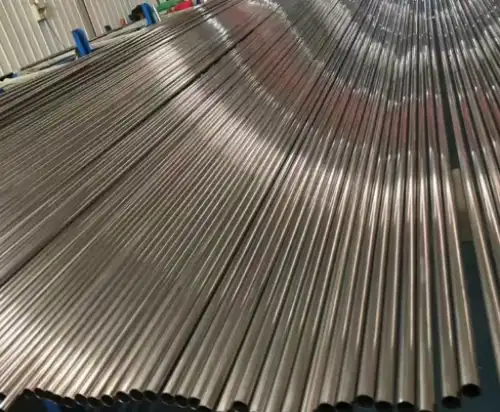
Understanding Titanium Alloy Tubes and Steel Tubes
Because titanium alloys and steel are made of different basic ingredients, they work differently, which affects their commercial uses. Titanium alloys are made by mixing titanium with aluminum, vanadium, and palladium to improve certain qualities. Grade 5 (Ti-6Al-4V) is the most common titanium metal. It has 6% aluminum and 4% vanadium, which makes it very strong and resistant to rust. Grade 2 titanium is great for making complicated structures because it is easy to shape and join. Steel tubes come in a lot of different types, such as carbon steel, different types of stainless steel like 316L, and special alloy steels. Different types of steel have different mechanical qualities. For example, the chromium presence in stainless steel gives it some corrosion protection, while carbon steel is stronger and cheaper, but it needs to be coated to protect it in corrosive situations.
Mechanical Property Comparison
There are big changes in how well these materials work based on their mechanical properties. Titanium metals have tensile strengths greater than 1000 MPa but only 4.4 to 4.8 g/cm³ densities, while steel has densities of 7.8 to 8.0 g/cm³. This makes strength-to-weight ratios that make titanium better for uses that need to be light. Another important difference is fatigue resistance. Titanium metals have higher endurance limits when loaded and unloaded many times. Grade 5 titanium has a fatigue strength of about 600 MPa, which is a lot higher than the fatigue strength of most steel metals in the same situation.
Corrosion Resistance Mechanisms
Titanium doesn't rust because when it comes in contact with air, it forms a stable, self-healing layer of titanium dioxide. Even if it gets scratched, this passive layer stays in place, protecting against the Titanium alloy tube all the time. Steel's ability to fight corrosion depends on how much chromium it has. Chloride exposure or mechanical damage can lower the amount of chromium in steel, which can cause limited corrosion, such as pitting or crevice corrosion.
Why Choose Titanium Alloy Tubes Over Steel? A Dimensional Analysis Approach
When you look at how titanium alloy tubes behave in several different operational aspects, you can see that they have better performance qualities. The most important benefit is that it doesn't rust, which is especially important in marine settings where seawater quickly breaks down steel parts. Titanium is completely resistant to rusting by seawater, so there is no need for cathodic protection systems or regular replacement processes. Titanium tubing's ability to reduce weight has benefits that spread through manufacturing processes. When steel pipes are replaced with titanium ones in offshore oil platforms, the structural loads are lowered. This makes the support frames lighter and lowers the cost of installation. When titanium parts are used instead of steel ones in airplane hydraulic systems, the aerospace industry has found that 15-20% less fuel is used.
Temperature Performance Advantages
Titanium alloys keep their mechanical qualities even when they are heated to temperatures above 400°C. They can be used in cold environments as well. Grade 5 titanium stays strong at temperatures where steel starts to lose its strength or needs expensive alloys that are resistant to heat. Because it is thermally stable, it doesn't need thermal barrier layers or complicated cooling systems when it needs to work at high temperatures. Titanium's thermal expansion coefficient is very close to that of many metals and composites. This means that thermal stress is lower in systems made of more than one material. This flexibility keeps the joints from breaking, which happens a lot in steel systems that are heated and cooled over and over again.
Long-term Economic Analysis
Titanium may seem more expensive at first than steel, but lifetime cost analysis shows that it saves a lot of money over longer periods of time. Chemical plants that use titanium heat exchanger tubes say that they need to be serviced three to four times less often than steel versions. Costs are cut by 25–40% over 15 years of operation because protection coats are no longer needed, inspections are less frequent, and the service life is longer . Insurance and safety issues also make titanium a better choice for important uses. Lowering the chance of failure lowers insurance rates and lowers the huge costs that come with system breakdowns in high-value activities.
Comparing Titanium Alloy Tube Types and Grades Against Steel Variants
Different types of titanium have different benefits that are best for different uses. This makes it possible to choose the best material for the job. Platinum grade 2 is commercially pure and can be shaped and welded very well. It also resists rust well. Because it isn't as strong as Grade 5, it's best for moderate-stress uses where making it is very important. Titanium metal Grade 5 (Ti-6Al-4V) is the workhorse of them all. It is very strong, bends easily, and doesn't wear down easily. Its alpha-beta lattice lets you heat treat it to improve its properties, which makes it perfect for high-performance and aircraft uses. Palladium is added to Grade 7 to make it more resistant to corrosion in reducing conditions. This is especially useful in chemical processes.
Steel Limitations in Specialized Applications
Even though types of stainless steel like 316L are pretty good at resisting rust, they don't work as well in places with a lot of chloride. Because pitting rust can start at chloride levels as low as 200 ppm, these steels can't be used in salt water without extra protection. Duplex stainless steels are better at resisting chlorides, but they are much more expensive—almost as much as titanium—and don't work as well. To protect against rust, carbon steels need complicated coating systems, Titanium alloy tubes, which make them more difficult to work with and require more upkeep. These layers can fail because of mechanical damage or changes in temperature, which makes upkeep harder than it needs to be for titanium systems.
Biocompatibility and Regulatory Compliance
Because it is biocompatible, titanium is the best material for making medicines and medical devices. Because it is neutral, it doesn't get in the way of sensitive processes, but steel needs careful surface treatments to get to the same level of purity. Titanium's safety profile is known by regulatory bodies all over the world, which makes the approval process easier for medical uses. Titanium is useful in the pharmaceutical business because it is not magnetic, so it doesn't mess up analysis equipment and can be used in systems that work with MRIs, where steel parts would not be allowed.
Procurement Considerations for Titanium Alloy Tubes vs Steel Tubes
To buy a titanium tube successfully, you need to know about the unique supply chain and quality standards that are very different from those of steel. Because of the technical know-how needed to handle titanium, supplier approval becomes very important. With 21 years of experience and many certificates, such as ISO 9001, AS9100, and ISO 13485, LINHUI TITANIUM has the right amount of qualification for important uses. Titanium quality control methods must look at how to track the material, its mechanical features, and its chemical makeup. You need Material Test Certificates (MTCs) from approved labs like SGS to make sure the quality of your products. The military and medical industries need to be able to track all of their products from the raw materials they use to the finished goods they make. LINHUI TITANIUM's integrated manufacturing method makes this possible.
Manufacturing Capabilities and Lead Times
Making things out of titanium needs special tools and knowledge that you won't find in most steel-making plants. Through cold rolling and smooth extrusion, LINHUI TITANIUM can keep material integrity while achieving tight limits of ±0.05mm. With 30 production lines and an annual capacity of 800 tons, the company can reliably serve big projects. When planning lead times, titanium's unique handling needs must be taken into account. Custom grades or specs may mean longer shipping times, so involving suppliers early on is very important for the project's success. LINHUI TITANIUM can send goods all over the world using DHL, FEDEX, air freight, and sea freight, so it can meet urgent needs.
Technical Support and After-Sales Service
Because titanium applications are so complicated, they need ongoing expert help after the initial delivery. LINHUI TITANIUM offers on-call tech support for help with welding and cutting, making sure the job is done right and works well. The company's 15-year quality guarantee shows that they trust their products to be reliable and protects big investments for the long run. Custom manufacturing services allow for optimization for specific uses, which could lower the total cost of the system by making design changes. This feature is especially useful for adding on to existing steel systems when precise control of dimensions is needed because of limited room or communication needs.
Real-World Applications: Case Studies Demonstrating Titanium Alloy Tube Superiority
Titanium is clearly better than steel in weight-sensitive uses, as shown by the aircraft industry. Manufacturers of commercial airplanes have slowly switched from steel hydraulic lines to titanium ones. This has cut the weight of the systems by 30 to 40 percent while also making them more reliable. A lot of titanium pipe is used in the hydraulic and fuel systems of Boeing's 787 Dreamliner, which helps the plane use very little fuel. Satellite uses show how well titanium works in harsh conditions where steel would break. During space activities, temperatures can change from -150°C to +120°C, which causes steel parts to break within months due to thermal stress. Titanium fuel lines in satellite power systems usually last for decades without breaking down. This makes sure that multibillion-dollar space projects can complete their missions.
Chemical Processing Industry Success Stories
A big petrochemical plant on the Gulf Coast switched from stainless steel heat exchanger tubes to Grade 7 titanium ones because the stainless steel ones kept breaking down because of stress corrosion cracks caused by salt. The titanium installation has been up and running for eight years without any upkeep. The steel system that came before it needed tubes to be replaced every 18 months. Compared to the lifetime costs of a steel system, the longer service life has saved more than $2.3 million. Offshore drilling platforms show how useful titanium is in sea settings where steel corrosion is a constant problem. A platform in the North Sea updated its seawater intake system to titanium tubing. This got rid of the need for impressed current cathodic protection and cut the number of repair vessel visits by 60%. The lighter weight also made the platform more stable in bad weather.
Medical and Pharmaceutical Applications
Titanium process pipes are used in pharmaceutical factories for clean tasks, Titanium alloy tube where the risk of steel pollution is too high. A big company that makes vaccines said that moving to electropolished titanium tubing stopped batch rejects because of metal contamination. This saved them over $5 million a year in lost production. Titanium's better surface finish and chemical inertness make it possible to test cleaning methods that meet FDA standards. Titanium is biocompatible, which means that it can be used in implanted parts where steel would cause tissue reactions that are bad. Cardiovascular stent makers use special titanium alloy tubes for balloon devices and delivery systems. This lets them do life-saving procedures that steel parts couldn't do because they are magnetic and don't work well with living things.
Conclusion
Most of the data shows that titanium alloy tubes work better than steel tubes in situations where long-term stability, resistance to corrosion, and weight reduction are important. Even though it costs more up front than steel alternatives, the total cost of ownership study shows that it is much cheaper in the long run because it lasts longer, needs less upkeep, and works better. From aircraft to chemical processing, many industries have seen big benefits from switching to titanium solutions. For example, many have reported cost savings of more than 25% over the life of the equipment.
FAQ
1. How does the corrosion resistance of titanium compare to stainless steel?
Titanium is completely resistant to corrosion in the ocean and most chemical conditions. Stainless steel, on the other hand, can still experience pitting and crevice corrosion caused by chloride. The inactive titanium dioxide layer heals itself right away if it gets broken, which is something that stainless steel can't do.
2. What are the critical cost factors when purchasing titanium tubes in bulk?
Pricing is affected by the material grade chosen, the required surface finish, the shipping plan, and the tolerances for size and shape. If you commit to buying a lot of units, the cost per unit can go down by 15 to 20 percent. Also, normal grades like Grade 2 and Grade 5 are cheaper than exotic metals.
3. Can titanium tubes handle high-temperature applications better than steel?
Titanium keeps its mechanical qualities at high temperatures, while steel needs expensive alloys that can handle high temperatures. Grade 5 titanium works effectively at 400°C and keeps its strength, while regular steel starts to lose strength above 300°C.
4. What welding considerations apply to titanium versus steel?
Titanium welding needs a cover of inert gas and special techniques to keep the welds from getting contaminated, but the joints it makes are as strong as the base material. It's easier to weld steel, but the qualities may need to be improved with heat treatment after the weld.
5. How do lead times for titanium tubes compare to steel?
Getting normal types of titanium usually takes 6 to 12 weeks, while getting steel only takes 2 to 4 weeks. But well-known suppliers like LINHUI TITANIUM keep stock on hand so they can serve faster on frequent requests.
Partner with LINHUI TITANIUM for Superior Titanium Alloy Tube Solutions
LINHUI TITANIUM is ready to change the way your business works by making high-quality titanium alloy tubes. They have 21 years of experience and can do it well. We have two factories with 30 specialized production lines that allow us to make a wide range of products. Each year, we deliver 800 tons of approved titanium products that meet the strictest requirements. Our ISO, SGS, and TUV quality approvals guarantee consistent greatness, whether you need Grade 5 titanium for flight uses or medical-grade tubing for pharmaceutical processes.
As your sole provider of titanium alloy tubes, we offer full expert support from the initial design stage through installation. Our 15-year guarantee is the best in the business. Email our engineering team at linhui@lhtitanium.com to talk about your unique needs and find out how our advanced production can help your next project run more smoothly.
References
1. Boyer, R., Welsch, G., & Collings, E.W. Materials Properties Handbook: Titanium Alloys. ASM International, 1994.
2. Schutz, R.W. & Watkins, H.B. Recent developments in titanium alloy application in the energy industry. Materials Science and Engineering A, 1998.
3. Peters, M., Kumpfert, J., Ward, C.H., & Leyens, C. Titanium alloys for aerospace applications. Advanced Engineering Materials, 2003.
4. Donachie, M.J. Titanium: A Technical Guide, 2nd Edition. ASM International, 2000.
5. American Society for Testing and Materials. ASTM B338: Standard Specification for Seamless and Welded Titanium and Titanium Alloy Tubes for Condensers and Heat Exchangers. ASTM International, 2019.
6. Lutjering, G. & Williams, J.C. Titanium: Engineering Materials and Processes, 2nd Edition. Springer-Verlag, 2007.









