
AMS 4911 plate has earned its reputation as a cornerstone material across aerospace, energy, and chemical processing industries due to its exceptional combination of strength, corrosion resistance, and reliability. This Ti-6Al-4V (Grade 5) titanium alloy delivers approximately 50% higher strength-to-weight ratio compared to conventional stainless steels while maintaining structural integrity in temperatures reaching 600°F (315°C). The material's controlled chemical composition and annealed microstructure address critical engineering challenges—from fatigue crack resistance in aircraft bulkheads to sustained performance in corrosive offshore platforms. For procurement professionals managing high-stakes projects, understanding what makes this alloy indispensable can significantly impact project outcomes and long-term operational costs.
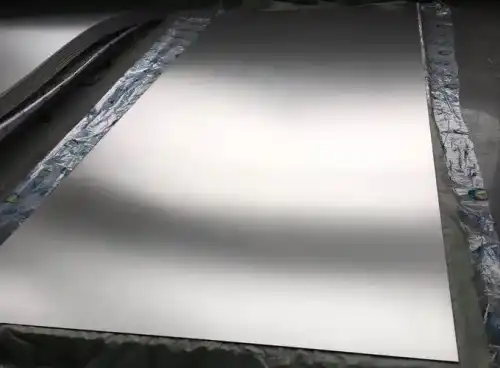
Comprehensive Overview of AMS 4911 Titanium Sheet
Understanding the Chemical Composition and Metallurgy
The AMS 4911 standard controls the sheet, strip, and plate materials made of Ti-6Al-4V titanium metal that have been heated. Its carefully controlled formula includes 5.5–6.75% aluminum and 3.5–4.5% vanadium, which makes it stronger and less likely to grow. The limits are also very important: the oxygen content must stay below 0.20%, and the iron content must stay below 0.30%. These limits keep the crack hardness and stop embrittlement, which are very important when parts are loaded and unloaded repeatedly or hit hard. The alloy's unique mix of workability and mechanical performance comes from its balanced alpha-beta phase microstructure, which is the result of careful processing. It is different from alloys that are only alpha or beta.
Mechanical Properties That Define Performance
The properties of the material show why engineers trust this metal for tough jobs. AMS 4911 plate has a minimum tensile strength of 135 ksi (930 MPa) and a minimum yield strength of 126 ksi (870 MPa). For normal widths, it can stretch more than 10%. In the real world, these numbers mean that the parts will stay the same size under load and will absorb energy during impacts. Its density of 0.160 lb/in³ (4.43 g/cm³) makes it much lighter than steel alternatives, which has a direct effect on how much fuel is used in aerospace applications and how easy it is to put in chemical processing facilities. Temperature tolerance up to 750°F (400°C) ensures that the mechanical behavior stays the same across the wide range of temperatures that turbine engines and heat exchangers AMS 4911 plate are exposed to.
Heat Treatment and Microstructure Control
The AMS 4911 annealing methods create a finer grain structure without any continuous alpha networks at the edges of previous beta grains. This microstructural property directly improves wear life by getting rid of the best ways for cracks to spread. To get the best properties, manufacturing processes need to carefully control the temperature during rolling and the stress-relieving steps that follow. The metal can be superplastically shaped at high temperatures of around 1650°F (900°C), which is useful in some situations because it lets complex shapes be made without damaging the material. When buying, teams are looking for materials for important parts; knowing these metallurgical details helps them set the right processing standards and quality testing processes.
Performance Advantages of AMS 4911 Compared to Alternatives
Comparative Analysis with Other Titanium Alloys
The AMS 4911 standard is the best compromise between AMS 4907 (commercially pure titanium) and AMS 4912 (similar to Ti-6Al-4V in a different temper). Commercially pure types are better at resisting corrosion, but they aren't strong enough for building uses. Different Ti-6Al-4V standards might make the metal stronger by treating it with a solution and letting it age, but they might lose some of their flexibility and ability to be welded. The annealed state described in AMS 4911 plate keeps the plate's good shapeability while giving it enough strength for most aerospace structural uses. This balance makes manufacturing easier because parts can be shaped in the annealed state without needing to go through extra heat treatments. This cuts down on production costs and wait times for makers who are rushing to finish projects on time.
Outperforming Nickel and Stainless Steel Alloys
Titanium has clear benefits when compared to nickel-based superalloys like Inconel 625 and austenitic stainless steels like 347 grade. Inconel 625 works well in places with very high temperatures (above 1000°F), but it is almost twice as dense as titanium, which means it is too heavy for use in aircraft. The cost of materials for stainless steel 347 is cheaper, but it has lower strength-to-weight ratios and worse fatigue performance in cycle loading cases. In chloride-rich settings, Ti-6Al-4V is more resistant to corrosion than stainless steel. This makes it the best choice for naval and offshore oil platforms, where pitting and crevice corrosion could shorten the life of equipment. These differences in performance make the material price worth it for uses where failure would have worse effects than the initial cost of buying it.
Aerospace-Specific Benefits That Matter
Designers of airplanes like metal because it has been used successfully in the past to make landing gear parts, engine mounts, and fuselage structures. The material can handle the static loads, motion stresses, and changes in temperature that happen during flight activities. Fatigue testing shows that this material is better at stopping cracks from spreading than aluminum alloys, which means that parts don't need to be inspected as often, and upkeep is easier. Thermal stability makes sure that the dimensions stay the same across all temperature ranges, from activities on the ground to cruise level. These features work together to explain why major airframe makers choose the AMS 4911 plate for parts that need to be very reliable. This helps keep passengers safe, the AMS 4911 plate, and keeps commercial flight costs low.
Applications of AMS 4911 Titanium Sheet Across Industries
Aerospace and Defense Applications
A lot of military and civilian airplanes depend on Ti-6Al-4V parts all over their structures. Bulkheads made from AMS 4911 plate provide fire-resistant walls while keeping weight to a minimum, which has a direct effect on fuel use and payload capability. In the cold part of turbofan engines, where its stiffness-to-weight ratio is best for aerodynamic performance, the material is used for compressor blade housings and structural casings. Defense uses include armored personnel carriers and navy ships, where rust resistance and ballistic resistance work together to make the materials last longer in difficult working conditions. The material's ability to be welded makes fixes easier in the field, which is useful when equipment is used far from factories.
Chemical Processing and Marine Environments
Titanium is the best material for chemical reactors, distillation columns, and heat exchanges that work with harsh media because it resists corrosion better than stainless steel. When the AMS 4911 plate is made into pressure vessel parts, it can handle chlorides, acids, and alkaline solutions without the pitting failures that happen with other metals. Offshore oil production platforms are constantly exposed to the sea and chemicals used to process hydrocarbons. Titanium is very durable in these environments and lasts for decades. The initial investment in materials pays off because they don't need to be replaced as often and don't need protection coats that need to be maintained. Purchasing professionals in these fields know that titanium has lower lifetime costs than other metals, even though it costs more up front. This is especially true when shutdown costs and environmental compliance are taken into account.
Energy Sector and Industrial Manufacturing
Power plants use titanium metal in parts like steam turbine blades, condenser tubes, and geothermal system parts that are exposed to high temperatures and corrosion. The material stays strong at high temperatures, which helps heat recovery systems and cogeneration plants move energy efficiently. Industrial manufacturing uses precisely machined Ti-6Al-4V parts in tools for handling semiconductors, making medical devices, and special chemical synthesis reactors. For these uses, physical stability, clean surfaces, and long-term dependability are important, and the AMS 4911 plate always meets those needs. Performance materials help improve processes and give companies an edge in global markets, which is why they are being used more and more in a wide range of industries.
Procurement Guide for AMS 4911 Titanium Sheet
To get aerospace-grade titanium, you need to work with providers who keep full certification files. Real AMS 4911 plate comes with mill test records that show the results of chemical research, mechanical tests, and heat number tracking. Not only should agreement with AMS 4911 be confirmed, but also with other standards like ASTM B265 Grade 5 and MIL-T-9046J when they apply. According to AMS 2631, quality assurance methods must include ultrasonic tests to find internal discontinuities that could weaken the structure. Suppliers with AS9100 approval have quality management systems that meet the needs of the aerospace industry. This lowers the risk of purchasing for OEMs and EPC contractors who are in charge of handling complex supply chains. Titanium metal prices are based on the cost of the raw materials, how hard the processing is, and how much you buy. When you buy in bulk, you can usually get big discounts, but smaller projects may have trouble meeting the minimum order amounts. Lead times range from 4 to 8 weeks for normal sizes to 12 to 16 weeks for unique sizes that need special mill runs. Many sellers now offer cut-to-size services, such as waterjet, laser, or EDM cutting, which cut down on the work that customers have to do and the waste of materials. When reviewing vendors, people in charge of buying things should ask for examples to be tested for mechanical and metallurgical integrity before committing to large orders. This safety measure makes sure that AMS 4911 plate the materials will work together and checks the supplier's skills, especially when working with new suppliers or going into new local areas.
Why Choose LINHUI TITANIUM as Your Trusted AMS 4911 Plate Supplier?
Material approval is the basis of trust in the aircraft supply chain. LINHUI TITANIUM has many certifications, such as ISO 9001:2015, PED 2014/68/EU, and approvals from classification bodies like Lloyd's Register, DNV, ABS, and CCS. Every shipment of AMS 4911 plate comes with full mill test paperwork that includes full chemical and mechanical test data. This is backed up by a lot of traceability tools that keep track of the material from the melt to the final delivery. Our in-house testing lab does proof testing that goes above and beyond what is required by the standard. This makes sure that customers get material that meets or exceeds the minimum requirements set by specifications. Because of its strict quality control, LINHUI TITANIUM has become a supplier to major energy companies like CEFC, PTT, PDVSA, and PETRONAS. These companies expect the highest quality materials for important building projects. Strategic partners are different from product sellers because they have technical know-how. Our engineering team has decades of experience helping companies in the aircraft, energy, and chemical processing industries meet their difficult procurement needs. For each application, we give advice on the best materials to use, the best ways to treat them, and the best ways to make them so that the parts work as well as possible. This consultative method helps customers find different standard options, weigh the pros and cons of each, and plan for possible manufacturing problems during the design stages. LINHUI TITANIUM works with your production plans to make sure everything runs smoothly, whether your project needs standard plate sizes or special processing services like precision cutting, heat treatment, or surface finishing. Our global shipping network makes sure that projects in North America, South America, the Gulf region, Africa, and Southeast Asia get delivered on time, and flexible order management lets us handle small prototypes to large production runs. Long-term relationships form when providers regularly provide value that goes beyond the transaction of goods and services. Testimonials from EPC companies working on big infrastructure projects show how responsive we are during key procurement times and how we provide technical help during fabrication difficulties. Case studies show how our material solutions helped finish projects on time and ensured reliable performance in tough service settings. From the first question to the help after delivery, LINHUI TITANIUM keeps clear contact and solves problems before they happen, which builds trust throughout the lifecycle of a project. This dedication to customer satisfaction has led to long-term partnerships with major companies in more than 60 countries around the world.
Conclusion
The aerospace, energy, chemical, and naval industries all prefer AMS 4911 plate because it has a great strength-to-weight ratio, doesn't rust, and has been used reliably in tough situations for a long time. The balanced makeup and controlled microstructure of Ti-6Al-4V alloy give it better mechanical qualities than other materials in high-stress, high-temperature settings where failure would have major effects. When purchasing this material, procurement professionals should look for approved sellers who offer complete quality paperwork, technical knowledge, and dependable transportation. Knowing about the alloy's chemistry, comparative advantages, and application-specific benefits helps you make smart buying choices that improve both the performance and lifecycle costs of the part. As performance standards keep getting higher, working with experienced titanium providers is the only way to make sure you can get materials that meet project deadlines and new technical standards.
FAQ
1. What distinguishes AMS 4911 from standard ASTM B265 Grade 5 titanium?
AMS 4911 requires stronger quality controls, such as more frequent tensile testing, stiffer bend test standards, and microstructure specs that ensure the reliability of aerospace-grade materials. Both specify a Ti-6Al-4V makeup, but AMS standards go into more detail about how to handle defects and how well parts work over time, which are very important for flight safety.
2. Can the AMS 4911 plate be welded effectively?
The alloy can be welded very well with gas tungsten arc welding (GTAW), plasma arc, or electron beam techniques. Strong inert gas protection with argon or helium stops oxygen from getting into the weld during the process, keeping the joint strength the same as the base material when the right steps are taken.
3. What surface treatment addresses alpha case formation?
The rolling and heating steps make an oxygen-rich surface layer (alpha case) that is easily broken. Reliable providers either chemically mill or physically remove this layer, or they make sure the material arrives free of alpha case, according to what the customer wants. This is an important thing to think about when buying machined parts.
4. Does the material support complex forming operations?
The softened state of the AMS 4911 plate makes it easy to shape for standard press making. The metal can also be superplastically shaped at high temperatures of around 1650°F (900°C), which makes it possible to make complex shapes with small radii that aren't possible with cold forming.
Partner With LINHUI TITANIUM for Your AMS 4911 Plate Requirements
LINHUI TITANIUM has approved Ti-6Al-4V materials that meet the strictest requirements and is ready to help you with your aircraft, energy, and industry projects. We have a large selection of AMS 4911 plates in widths ranging from 0.5mm to 150mm. It comes in normal sizes of 48" x 120", but we can also make it in any size that fits your project needs. Email our technical team at linhui@lhtitanium.com to talk about your unique application needs, get mill test paperwork, or set up samples of the material to be tested. As a top titanium producer and seller for more than 20 years, we offer the quality guarantee, technical know-how, and reliable logistics that major companies around the world need for their most important projects. Find out how working with a well-known AMS 4911 plate provider can help you save time and money on your purchases and complete your project more successfully.
References
1. SAE International. "Aerospace Material Specification AMS 4911: Titanium Alloy, Sheet, Strip, and Plate." SAE Technical Standards, 2023.
2. Boyer, R., Welsch, G., and Collings, E.W. "Materials Properties Handbook: Titanium Alloys." ASM International, 1994.
3. Donachie, M.J. "Titanium: A Technical Guide, 2nd Edition." ASM International, 2000.
4. Peters, M. and Leyens, C. "Titanium and Titanium Alloys: Fundamentals and Applications." Wiley-VCH, 2003.
5. Lutjering, G. and Williams, J.C. "Engineering Materials and Processes: Titanium." Springer-Verlag Berlin Heidelberg, 2007.
6. American Society for Testing and Materials. "ASTM B265: Standard Specification for Titanium and Titanium Alloy Strip, Sheet, and Plate." ASTM International, 2020.