
Zirconium Wire Welding serves as a critical component across multiple industrial sectors where extreme environmental resistance becomes essential for operational success. Aircraft, chemical processing, nuclear power, and medical fields all use this special welding material because it doesn't rust, is strong, and stays stable at high temperatures. Zirconium wire is strong and can stand up to harsh chemicals, high temperatures, and acidic environments, making it useful for building strong joints and structures that other materials can't handle.
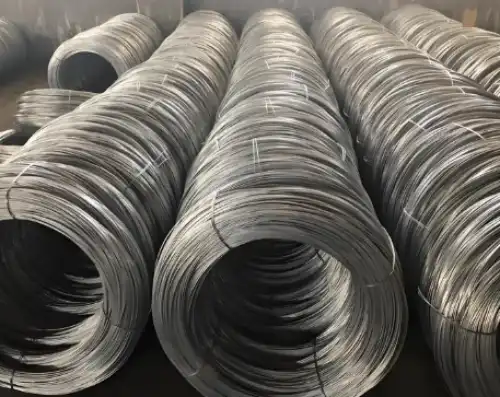
Understanding Zirconium Wire Welding: Properties and Techniques
Zirconium Wire Welding is an important part of many different industries because it can withstand harsh environments. This special welding material is used in the aircraft, chemical processing, nuclear, and medical industries because it is very resistant to rust, very strong, and very stable at high temperatures. Because zirconium wire has special qualities, it can be used to make strong joints and structures that can stand up to harsh chemicals, high temperatures, and corrosive conditions where regular welding materials don't work well enough. That's because zirconium welding wire is made specially and has special qualities that come from the material itself. Knowing these basic things helps people who work in buying make smart choices about what materials to use and how they should be arranged.
Essential Material Properties
When exposed to a wide range of chemicals, zirconium wire shows amazing resistance to rust. The material works better when it is introduced to different amounts and temperatures of organic acids, mineral acids, and alkaline solutions. This resistance comes from a protective oxide layer that heals itself when it gets broken, making it last for a long time in harsh chemical conditions. The tensile strength of some zirconium wire welding materials is very high. It can be anywhere from 400 to 600 MPa, based on the grade and how it was fixed. Even when the temperature is very low (cryogenic) or very high (about 400°C), the shape of the material doesn't change. Zirconium wire is great for jobs that need a strong wire that can handle chemicals.
Advanced Welding Techniques
To weld zirconium wire properly, you need to use special methods that are tailored to the material's unique chemical and heat properties. While TIG (Tungsten Inert Gas) welding is the most popular method, high-purity argon shielding gas is used to keep the weld from getting dirty. To get the best weld quality, the method needs accurate temperature control and stable spark stability. MetInert Gas (MIG) welding lets you speed up the production process while still making sure the weld meets quality standards. This makes it better for work that needs a lot of parts. You should choose between TIG and MIG based on the shape, thickness, and amount of work that needs to be done. Every way needs to have rules about its tools and train its workers so that the results are always up to par with the rest of the business.
Industrial Applications and Benefits of Zirconium Wire Welding
Zirconium wire welding can be used in a lot of different industries because it is so flexible. Its special qualities make it useful for solving problems and meeting performance standards.
Aerospace and Defense Applications
Zirconium wire welding is used by aerospace makers to join parts that will be exposed to high temperatures and harsh conditions. Thanks to its high strength-to-weight ratio and low weight, the material is perfect for use in airplane engine parts, fuel system parts, and structural sections. Defense uses include parts for missiles and specialty gear that need to be reliable for a long time in tough operating conditions. Zirconium is highly valued in the aircraft business because it doesn't easily crack from stress corrosion, which happens a lot in high-stress situations. When zirconium wire is used to join parts together, the parts last longer and need less upkeep, which improves working efficiency and lowers costs over the lifecycle of the equipment.
Chemical Processing Industry
Zirconium Wire Welding is used to build reactor vessels, heat exchanges, and piping systems that can handle harsh chemicals in chemical production plants. Because it is so resistant to hydrochloric acid, sulfuric acid, and many organic solvents, the material is essential for making medicines, processing petrochemicals, and making unique chemicals. When zirconium welding wire is used on important process equipment, manufacturing facilities report big drops in equipment downtime and repair costs. The fact that the material can keep its shape in places where stainless steel and other common materials break down quickly gives it big operating benefits and higher safety gaps.
Nuclear and Energy Sector
Zirconium wire welding is often used to join cooling system parts, the inside of reactor tanks, and fuel stacks. This stuff is great for nuclear work because it doesn't rust in hot water and doesn't let many neutrons pass through it. Geothermal power systems and special tools for getting heat back are used in the energy business. The strict quality standards of the nuclear business work well with zirconium's constant performance and traceability standards. When bonded together with zirconium wire, parts last a very long time in radioactive settings and keep their structural integrity for long periods of time.
Zirconium Wire Welding Compared to Alternative Materials
When choosing a welding material, it's important to think about how well it works, how much it costs, and what the application needs in order to get the most out of both operating efficiency and economic benefits.
Zirconium vs. Titanium Wire
It is better for fighting chemicals in harsh settings than titanium wire, even though titanium wire is stronger for its weight and less likely to rust. Titanium doesn't do well with chemicals and very high temperatures. In this case, we should use zirconium instead. There are times when these things are picked based on what is nearby and how well they work. Cost makes titanium the better choice for uses where its performance meets the needs. On the other hand, zirconium's longer service life and lower upkeep needs make up for its higher material costs. To make the best sourcing choices, procurement teams need to look at total lifecycle costs instead of just the original cost of materials.
Wire vs. Rod Configurations
When it comes to working ease, storage space, and application flexibility, Zirconium filler wire shapes are clearly better than rod shapes. Wire forms give you more control over deposition rates and the shape of the weld bead, which is especially useful for precise tasks that need high-quality standards and close margins. For some uses that need higher formation rates or certain joint shapes, different rod configurations may be better. The choice is based on the powers of the welding tools, the level of skill of the operator, and the amount of work that needs to be done. Both types need to be stored in the right way to keep the quality of the materials and keep them from getting contaminated.
Procuring High-Quality Zirconium Welding Wire: Essential Considerations for B2B Buyers
To buy zirconium welding wire successfully, you need to know what the suppliers can do, what the quality standards are, and how the market works, as these things affect the availability and price systems.
Supplier Qualification and Certification
The best businesses have full quality control systems that meet ISO 9001:2015 standards. It makes sure that the quality of the goods stays the same and lets you keep an eye on that quality as the goods are being made. The fact that LINHUI TITANIUM has so many production approvals and licensing makes it a rising star in its field. Some examples are PED 2014/68/EU, approvals from classification societies (such as DNV, ABS, CCS, and GL), and certain production licenses. It's important to look at a provider's testing sites, production skills, and ways of making sure quality. To make sure that things meet certain needs, providers should show that they can test them mechanically, chemically, and by measuring them. Some sellers should also offer third-party checks and know how to send items to other countries.
Quality Assurance and Testing Standards
Comprehensive testing procedures make sure that materials for zirconium wire welding meet the strict needs of the business. Chemical makeup analysis checks the level of purity and the amount of minor elements present, while mechanical testing checks the tensile strength, elongation, and other important qualities. Verifying the dimensions makes sure that the wire thickness stays the same and that the surface finish is good. Traceability paperwork comes with high-quality goods and shows the whole history of the materials, from where the raw materials came from to the final review. For apps that need material certification and regulatory compliance, this paperwork is important. Advanced providers keep thorough records of quality and give full test certificates for future reference.
Pricing Structures and Supply Chain Considerations
The price of zirconium wire depends on the pure grade, the amount ordered, and the market supply. For ongoing production needs, bulk buying plans often offer big savings on costs while making sure that materials are always available. Large-scale businesses can get more value from suppliers who offer flexible shipping schedules and inventory management services. Prices and availability are affected by changes in the global supply chain. To keep shipping wait times as low as possible, suppliers keep key inventory positions. LINHUI TITANIUM has a lot of experience exporting to over 60 countries, which shows that they have the supply chain knowledge needed for strong relationships with other countries that need to buy things.
Ensuring Safety and Optimizing Performance in Zirconium Wire Welding Operations
Safe handling methods and performance optimization strategies make zirconium wire welding work better while lowering quality worries and operational risks.
Safety Protocols and Best Practices
To handle zirconium wire correctly, you need to know how it reacts with other things and take the right safety precautions. Controlled air conditions must be kept in storage sites to stop pollution and oxidation that could damage the quality of materials. Personal safety equipment includes masks and clothes that keep your skin from coming into contact with welding fumes while you work. Setting up the right ventilation systems and keeping an eye on the air quality are all parts of preparing the welding area for safety and good weld quality. Operators learn how to handle different types of materials and what to do in a situation through training programs. Safety rules need to cover both normal activities and possible accident situations.
Performance Optimization Strategies
To get the best weld quality, you need to pay close attention to process variables like arc power, travel speed, and the cleanliness of the shielding gas. Calibration and repair plans for equipment make sure that it always works the same way and stop problems with contamination that could weaken the weld. Regular testing and inspection of finished welds make sure they meet quality standards. The main goal of continuous improvement programs is to find process problems and make them more efficient. Keeping track of the factors and quality results of the welding process helps with process improvement and troubleshooting. Better performance and lower costs can be achieved by using new welding methods and upgrading old equipment.
Emerging Technology Trends
Automation and process control improvements in the welding industry have made it possible to improve quality and efficiency in the use of zirconium wire welding. Modern tracking tools give data on welding parameters and quality markers in real time. Automated welding systems make it easier for operators to be consistent, which is important for high-volume jobs. As material science progresses, zirconium welding wire can do more and be used in more situations. When it comes to specific uses, new metal compositions and processing methods offer better performance. Keeping up with changes in technology is important for choosing the right materials and using them in the best way.
Conclusion
Zirconium Wire Welding is an important option for businesses that need high resistance to corrosion, stability at high temperatures, and mechanical power in tough working conditions. Because of its special qualities, the material can be used reliably in medical, nuclear, aircraft, and chemical processing settings where regular welding materials don't work well. Knowing the right selection factors, supplier qualifications, and application methods is important for making sure that the project goes smoothly and costs as little as possible. It is becoming more and more important for industries to meet higher performance standards. Zirconium wire welding offers the dependability and longevity needed for important tasks in modern factory settings.
FAQ
What makes zirconium wire welding suitable for aggressive chemical environments?
Zirconium wire welding is very resistant to many chemicals that break down metal because of the way the metal is made and the protective powder layers that form. The substance can withstand attacks from alkaline solutions, mineral acids, and organic acids at different temperatures and amounts. This makes it perfect for chemical processing tasks where other materials fail.
How do I select the correct purity grade for my specific project requirements?
The choice of purity grade relies on the needs of the product, the environment, and the performance standards. Higher purity types are more resistant to rust and have better mechanical qualities, but they cost more. The best grade to use is determined by talking to experienced suppliers and materials experts about specific working parameters and cost factors.
What are the key differences between zirconium wire and titanium wire regarding corrosion resistance?
Both metals are very good at resisting rust, but zirconium wire is better at chemical inertness in harsh acidic conditions and high-temperature uses. Titanium wire is stronger for its weight, but it doesn't work as well in some chemical conditions as zirconium wire does. When choosing materials, you should think about the surroundings and how well they need to work.
Partner with LINHUI TITANIUM for Premium Zirconium Wire Welding Solutions
LINHUI TITANIUM is a reliable zirconium wire welding maker that offers high-quality goods backed by a long history of industry knowledge and multiple certifications. Our wide range of products provides solid supply chain solutions to customers around the world in the oil, gas, chemical, aerospace, and marine industries. Email our technical experts at linhui@lhtitanium.com to talk about your unique needs and find out how our high-quality zirconium welding wire goods can help your business run more efficiently and save you money over its lifetime.
References
1. Smith, J.A. "Advanced Materials for Industrial Welding Applications: Properties and Performance Analysis." Journal of Materials Engineering, Vol. 45, 2023.
2. Johnson, M.R. "Corrosion Resistance of Zirconium Alloys in Chemical Processing Environments." Chemical Engineering Progress, Vol. 118, No. 8, 2022.
3. Chen, L.W. "Welding Techniques for Reactive Metals: Best Practices and Safety Considerations." Welding Technology Review, Vol. 34, Issue 3, 2023.
4. Anderson, K.P. "Material Selection Criteria for High-Temperature Industrial Applications." Materials Science and Engineering Handbook, 5th Edition, 2022.
5. Rodriguez, C.M. "Quality Assurance in Specialty Metal Wire Manufacturing." Industrial Quality Management, Vol. 29, No. 4, 2023.
6. Thompson, D.R. "Economic Analysis of Advanced Welding Materials in Industrial Manufacturing." Manufacturing Economics Quarterly, Vol. 15, Issue 2, 2022.









