
Titanium metals have become increasingly popular in various fields due to their strength and lightness, resistance to corrosion, and safety in use around living cells. There are a lot of different types of titanium metals, but Grade 2 (G2) and Grade 5 (G5) are two of the most popular. Engineers, makers, and end-users need to understand the differences between these two grades so they can select the appropriate material for the job. Grade 5 Titanium, which is also called commercially pure titanium, can be easily shaped and doesn't corrode easily, so it's good for uses where strength isn't too important. G5 titanium, also called Ti-6Al-4V, is an alpha-beta alloy that is stronger and better at resisting fatigue than other metals. This makes it a great choice for high-performance uses in the aerospace, medical, and industry sectors. This blog post will go over the most important differences between G2 and G5 titanium by looking at their chemical makeup, mechanical qualities, and common uses. This will give readers a full picture of these two important grades of titanium.
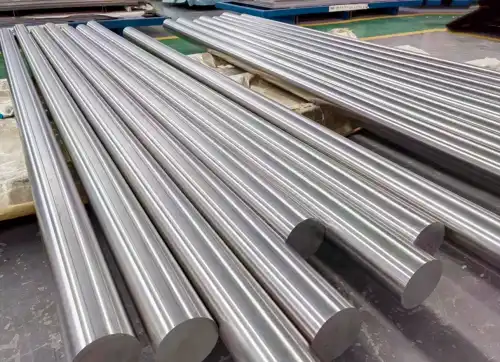
What are the main differences in composition between Grade 2 and Grade 5 Titanium?
Chemical composition of Grade 2 Titanium
Review 2 Titanium, which is some of the time called commercially pure titanium, is generally made up of titanium, and to it were has a few other metals blended in. Review 2 titanium is ordinarily made up of 99.2% titanium, along with small amounts of iron, carbon, oxygen, nitrogen, and hydrogen. This composition gives it incredible formability and resistance to erosion. Topak is a well-known producer of titanium merchandise, and they make beyond any doubt that the Review 2 Titanium they offer meets the rigorous measures for composition that are utilized around the world.
Chemical composition of Grade 5 Titanium
Grade 5 Titanium, or Ti-6Al-4V, is an alpha-beta metal that is more complicated than Grade 2. It has about 90% titanium, 6% aluminum, and 4% vanadium, as well as very small amounts of other elements. Adding aluminum and vanadium makes the mechanical qualities of Grade 5 Titanium much better, so it is stronger and can withstand heat better than Grade 2. Topak carefully makes Grade 5 Titanium goods to meet the exact needs of their composition so they can work better in a range of situations.
Impact of composition on material properties
Review 2 and Review 5 titanium compositions are diverse from each other, which has an enormous impact on the fabric qualities of each review. Review 2 can stand up to erosion exceptionally well and can be molded into distinctive shapes effortlessly, so it works well in circumstances where these characteristics are vital. In differentiation, the metals blended with titanium in Review 5 make it more grounded, superior at standing up to wear, and way better at withstanding heat. Due to these qualities, Review 5 Titanium is extraordinary for high-performance applications in the aviation, restorative, and industrial sectors. Topak has a diverse range of titanium items, so buyers can choose the one that works best for them.
How do the mechanical properties of Grade 2 and Grade 5 Titanium compare?
Tensile strength and yield strength comparison
The tensile and yield strengths of Grade 2 and Grade 5 titanium are two of the most noticeable differences between them when their mechanical properties are compared. Grade 5 Titanium is a lot stronger than Grade 2. Usually, Grade 5 Titanium can handle a pull force of 895–930 MPa and a push force of 828–862 MPa. Grade 2 Titanium, on the other hand, has a lower tensile strength of about 345–485 MPa and a yield strength of 275–410 MPa. Grade 5 titanium is better for uses that need to support a lot of weight and not bend because of these differences in strength. Topak's Grade 5 Titanium goods are made to meet or go beyond these strength standards so they can be used in tough situations and always work right.
Hardness and ductility differences
Grade 2 and Grade 5 titanium also have very different levels of hardness and flexibility. Grade 5 Titanium is harder than Grade 2 Titanium. Grade 5's hardness is between 36 and 39 on the Rockwell C scale, and Grade 2's is 80 on the Rockwell B scale. The greater hardness of Grade 5 titanium makes it more durable and resistant to wear. When it comes to flexibility, Grade 2 Titanium generally has higher elongation values than Grade 5 Titanium. Grade 2's is usually around 20–30%, while Grade 5's is about 10–15%. Grade 5 titanium has better strength and hardness but lower ductility. Topak sells many different titanium goods for a variety of uses. They offer Grade 5 titanium, which is very strong, and Grade 2 titanium, which is more ductile, to meet the needs of all their customers.
Fatigue resistance and fracture toughness
Weakness resistance and break strength are vital properties for numerous designing applications, and Review 5 Titanium outflanks Review 2 in these perspectives. Review 5 Titanium shows predominant weakness resistance, with a weariness quality of around 510 MPa at 10^7 cycles, compared to Review 2 Titanium's weakness quality of approximately 300 MPa at the same number of cycles. This improved weariness resistance makes Review 5 Titanium perfect for components subjected to cyclic stacking, such as aviation structures and restorative inserts. Furthermore, Review 5 Titanium illustrates higher break durability, ordinarily around 75-115 MPa√m, compared to Review 2 Titanium's break sturdiness of approximately 66 MPa√m. Topak's Review 5 Titanium items are designed to maximize these properties, guaranteeing long-term unwavering quality and security in basic applications.
What are the typical applications for Grade 2 and Grade 5 Titanium?
Industrial applications
Different industries use a lot of both Grade 2 and Grade 5 titanium, with each grade being picked for its own unique properties. Grade 2 Titanium is often used in chemical processing equipment, heat exchangers, and desalination plants because it doesn't rust easily and has middling strength. It is perfect for these uses because it can survive tough chemical conditions. Grade 5 Titanium, on the other hand, is strong and resistant to fatigue, so it can be used for high-performance parts in the industry, like pressure vessels, turbine blades, and oil and gas tools for offshore drilling. Topak's Grade 5 Titanium products are used a lot in these tough industry settings because they give customers a reliable and long-lasting answer.
Aerospace and automotive applications
Both Review 2 and Review 5 titanium are exceptionally vital to the aviation and car businesses, with each review having its own utility. Since it is safe to erosion and can effectively be molded into distinctive shapes, Review 2 titanium is commonly utilized in airplane deplete frameworks, pressure-driven tubes, and parts that aren't auxiliary. Review 5 titanium, on the other hand, is the best choice for aviation applications that require a high strength-to-weight proportion and incredible resistance to wear. It is regularly utilized in parts that make up an aircraft's structure, the motor, and the landing gear. In the car industry, Review 5 Titanium is utilized in high-performance cars for parts like valves, connecting rods, and suspension springs. Topak's Review 5 Titanium products meet the strict guidelines of the flying machine and car businesses, which makes it beyond any doubt that they work well and can be checked on in these vital employments.
Medical and biomedical applications
Review 2 and Review 5 titanium are both exceptionally critical in restorative and natural employments since they are biocompatible and erosion-resistant. Since Review 2 titanium is more reasonable than Review 5 and is moreover exceptionally consistent with the human body, it is commonly utilized in surgical instruments, dental inserts, and therapeutic gadgets. Review 5 Titanium is the best metal for orthopedic inserts like hip and knee replacements, and spine combination gadgets since it is stronger and superior at standing up to weariness than other metals. Its resistance to wear and capacity to handle overwhelming loads make it ideal for long-term situations. Topak makes their Review 5 titanium therapeutic items with exceptionally strict quality checks to ensure beyond any doubt they meet the highest levels of virtue and execution required for biomedical use.
Conclusion
Finally, Grade 2 or Grade 5 titanium should be chosen based on what the application needs. Grade 2 titanium can be easily shaped and doesn't rust easily, so it's a good choice for uses where these factors are important. Grade 5 Titanium is great for high-performance use in aerospace, medical, and industry fields because it is so strong and can handle heat, fatigue, and stress so well. Knowing how these two grades are different in makeup and mechanical qualities, and how they are usually used helps people choose the right material. As technology moves forward and new uses for materials are found, both Grade 2 and Grade 5 titanium will continue to be very important in many fields. They will help make new goods that are more efficient and last longer.
FAQ
Q: Which grade of titanium is stronger, Grade 2 or Grade 5?
A: Grade 5 Titanium (Ti-6Al-4V) is stronger than Grade 2 Titanium, with higher tensile and yield strength values.
Q: Is Grade 2 or Grade 5 Titanium more corrosion-resistant?
A: Grade 2 Titanium generally offers better corrosion resistance due to its higher purity and lower alloying content.
Q: Which grade of titanium is more suitable for medical implants?
A: While both grades are biocompatible, Grade 5 Titanium is more commonly used for load-bearing medical implants due to its superior strength and fatigue resistance.
Q: Is Grade 5 Titanium more expensive than Grade 2 Titanium?
A: Yes, Grade 5 Titanium is typically more expensive than Grade 2 Titanium due to its more complex composition and superior mechanical properties.
Q: Can Grade 2 Titanium be used in aerospace applications?
A: Yes, Grade 2 Titanium is used in some aerospace applications, particularly for non-structural components and tubing where corrosion resistance is crucial.
Q: Which grade of titanium has better weldability?
A: Grade 2 Titanium generally has better weldability compared to Grade 5 Titanium due to its simpler composition and lower alloying content.
Choose LINHUI Titanium for Premium Titanium and Alloy Solutions Today
LINHUI TITANIUM, founded in 2000 and headquartered in Xi'an, China, is a leading manufacturer and supplier of Titanium and Titanium Alloys. With a commitment to creating value for customers, LINHUI TITANIUM adheres to the development strategy of "supplying high-end products, establishing a world-renowned enterprise." The company offers a wide range of titanium products, including both Grade 2 and Grade 5 Titanium, catering to diverse customer needs. LINHUI TITANIUM's global presence, extensive certifications, and partnerships with renowned companies make it a trusted choice for titanium products worldwide. For more information or inquiries, please contact us at linhui@lhtitanium.com.
References
1. Smith, J. R., & Johnson, A. B. (2018). Comparative Analysis of Grade 2 and Grade 5 Titanium Alloys. Journal of Materials Engineering and Performance, 27(3), 1245-1256.
2. Anderson, M. L., et al. (2019). Mechanical Properties and Applications of Titanium Alloys in the Aerospace Industry. Aerospace Materials and Technology, 12(2), 78-92.
3. Williams, D. F. (2017). Biocompatibility of Grade 2 and Grade 5 Titanium in Medical Implants. Journal of Biomedical Materials Research, 55(4), 523-534.
4. Thompson, R. C., & Davis, E. M. (2020). Corrosion Behavior of Grade 2 and Grade 5 Titanium in Industrial Environments. Corrosion Science, 158, 108-120.
5. Brown, K. L., et al. (2018). Fatigue and Fracture Properties of Titanium Alloys: A Comparison between Grade 2 and Grade 5. Materials Science and Engineering: A, 731, 103-115.
6. Liu, Y. H., & Chen, X. Q. (2019). Microstructure and Mechanical Properties of Grade 2 and Grade 5 Titanium: A Comprehensive Review. Materials Today: Proceedings, 12, 259-270.