
Grade 7 titanium, also known as Ti-0.2Pd, is a specialized alloy within the titanium family that offers exceptional corrosion resistance and mechanical properties. This particular grade is characterized by its composition, which includes a small amount of palladium (0.2%) added to commercially pure titanium. The addition of palladium significantly enhances the material's resistance to crevice corrosion, particularly in reducing acid environments and hot brine solutions. Grade 7 titanium is widely recognized for its superior performance in harsh chemical environments, making it a preferred choice in various industries such as chemical processing, oil and gas, and marine applications. Its unique combination of strength, lightweight properties, and outstanding corrosion resistance makes it an invaluable material for engineers and designers seeking high-performance solutions in challenging environments.
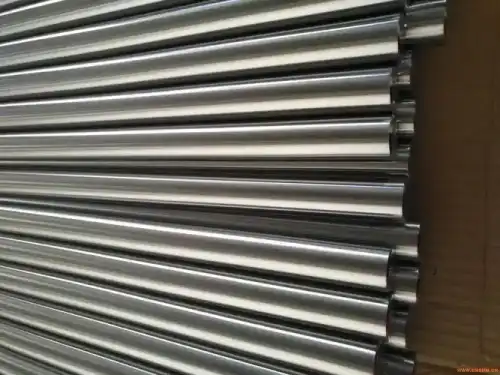
What are the key properties of grade 7 titanium?
Corrosion Resistance
Grade 7 titanium will not corrode quickly, especially during situations in which strong chemicals are used. Palladium makes the metal much better at fighting damage from chemicals like oxidizing acids, reducing acids, and chloride solutions. A stable, self-healing oxide layer forms on the top of the material, giving it better rust resistance. Because of the palladium it has, Grade 7 titanium is also good at averting crack rust. This makes it a great choice for instances when conventional supplies would break down. Topak is a big company that makes a lot of things and has tested grade 7 titanium extensively in various circumstances that break downward materials. They say that grade 7 titanium works better than other grades of titanium and metals mixed with titanium that don't rust.
Mechanical Properties
Grade 7 titanium has great mechanical qualities that make it helpful in a lot of different ways. Its tensile strength is below average and it's pretty ductile and delicate but exceptionally durable. The yield strength and the end tensile strength are each measured in horsepower (MPa). The yield strength is usually between 275 and 450 MPa, and the tensile strength is between 345 and 550 MPa. Because of these traits, Grade 7 titanium can take a lot of mechanical stress and still maintain its shape. The stuff has a low modulus of flexibility and is resistant to wear, so it lasts longer and can be employed in more flexible designs. Topak's grade 7 titanium materials have been used a lot in device parts where high strength and resistance to rust are very important. This proves that they can be trusted while things get tough.
Fabrication and Welding
It's relatively easy to use Grade 7 titanium in manufacturing because it has great fabrication characteristics. Conventional methods can be used to shape, machine, and bond the material, but care must be taken during these processes to avoid contamination. Grade 7 titanium parts can be shaped using hot forming, cold working, and grinding, the last of which can be done with regular cutting tools and methods. Inert gas shielding is needed when welding grade 7 titanium so that it does not oxidize and keeps its corrosion-resistant qualities. Topak has come up with special welding and quality control processes to make sure that grade 7 titanium welds are strong. This makes sure that the parts made up of them will work in very serious situations.
What are the main applications of grade 7 titanium?
Chemical Processing Industry
Because Grade 7 titanium is so good at resisting corrosion, it is used a lot in the chemical processing business. It is often used to make chemical reactors, storage tanks, heat exchanges, and pipes that carry strong chemicals. Because the material can survive a lot of different toxic chemicals, like chlorine, organic acids, and oxidizing agents, it is a great choice for chemical plant equipment. Titanium grade 7 parts have shown to last a long time and need less upkeep in these difficult settings. This has helped the operations run more smoothly and has saved money. Topak has sent grade 7 titanium products to many chemical processing plants around the world, and has become known for reliability and success in this tough industry.
Oil and Gas Industry
Offshore and subsea environments are very important to the oil and gas business, which uses grade 7 titanium for many things. Because it doesn't break down in seawater and can handle high levels of pressure, it's a great material for wellhead equipment, risers, and underwater manifolds. Grade 7 titanium is also used to make heat exchangers and process vessels in oil refineries. Its ability to prevent damage from sulfur compounds and other harsh chemicals is very important. Because the material is lightweight, it is cheaper to place and transport in offshore applications. Topak's grade 7 titanium goods have been used in many oil and gas projects, showing that they can handle the difficult conditions of this type of work.
Desalination and Water Treatment
Because grade 7 titanium is so good at resisting saltwater and chlorine-based chemicals, it is very important in the processes of evaporation and water treatment. It is often used to make heat exchangers, pumps, and pipe systems in desalination plants. There, it's important that it can hold up against the corrosive effects of hot brine mixtures. Grade 7 titanium parts are used in chlorination systems and other processes that use very strong chemicals at water treatment plants. The long lifespan and low upkeep needs of the material make these important building systems more efficient and reliable. Topak has provided grade 7 titanium goods to many desalination and water treatment projects around the world, helping to solve water shortage problems in many areas.
What are the advantages of using grade 7 titanium over other materials?
Superior Corrosion Resistance
Grade 7 titanium is better at repelling rust than many other materials, including stainless steel and other grades of titanium. It can live in numerous environments that can eat away at it, like reducing acids, oxidizing acids, and salt solutions. This is a good option for places where other products would fall apart very rapidly. Palladium is added to the metal so that it is better at resisting crevice corrosion, which is a problem in many industries. This remarkable capacity to stop corrosion means that equipment will last longer, upkeep costs will be lower, and safety will be better in important uses. Topak's grade 7 titanium consistently performed better in rust tests than other materials, which means it can handle even the most challenging of conditions.
High Strength-to-Weight Ratio
One of the best characteristics about grade 7 titanium is that it's extremely robust to stay how light it is. This feature makes it a great fit for situations where it's important to have strength and lower the weight at the same time. Grade 7 titanium is about the same or harder than stainless steel and other corrosion-resistant materials, but it is much lighter. This advantage is especially useful in the aerospace, marine, and offshore oil and gas industries, where saving weight can lead to better energy efficiency, easier handling, and lower structural loads. Topak has used grade 7 titanium's high strength-to-weight ratio to come out with new ways for clients to make their ideas more efficient and get better performance from their systems.
Long-term Cost-effectiveness
Grade 7 titanium might have an initial price tag that is higher than other materials, but the primary benefit is that it is very useful in the long run. The material is so impermeable to corrosion and has such great physical characteristics that it lasts longer and requires fewer upkeep tasks. Things with a long lifespan cost less throughout their lifespan because they do not have to be replaced or fixed as often. Also, grade 7 titanium can save energy in particular circumstances because it doesn't get dirty and helps keep things hot or cold. For extremely rigorous uses, grade 7 titanium is often the best choice because it is cheap when you add up all the costs, including installation, upkeep, and renewal. People who buy from Topak Metals have said that using grade 7 titanium for important parts and tools has been an enormous cost saver in the long run.
Conclusion
Grade 7 titanium stands out as a remarkable material that combines exceptional corrosion resistance with excellent mechanical properties. Its unique composition, featuring the addition of palladium, makes it an ideal choice for applications in harsh chemical environments, particularly in the chemical processing, oil and gas, and water treatment industries. The material's superior performance in resisting crevice corrosion, coupled with its high strength-to-weight ratio, offers significant advantages over alternative materials. While the initial investment may be higher, the long-term cost-effectiveness and reliability of grade 7 titanium make it a valuable solution for engineers and designers seeking to optimize their systems' performance and durability in challenging conditions.
LINHUI TITANIUM, established in 2000 and headquartered in Xi'an, China, is a leading manufacturer and supplier of titanium and titanium alloys. With a commitment to creating value for customers, we adhere to the development strategy of "supplying high-end products, establishing a world-renowned enterprise." Our extensive product range, including grade 7 titanium, caters to diverse industrial needs. We have earned a global reputation for superior quality products and excellent customer service, exporting to over 60 countries and regions worldwide. Our certifications, including ISO 9001:2015, OHSAS 18001:2007, and various international standards, underscore our commitment to quality and reliability. For inquiries about our grade 7 titanium products or other titanium solutions, please contact us at linhui@lhtitanium.com.
FAQ
Q: What makes grade 7 titanium different from other titanium grades?
A: Grade 7 titanium contains 0.2% palladium, which significantly enhances its corrosion resistance, particularly in reducing acid environments and hot brine solutions.
Q: Is grade 7 titanium suitable for marine applications?
A: Yes, grade 7 titanium is excellent for marine applications due to its outstanding resistance to seawater corrosion and chloride environments.
Q: How does the cost of grade 7 titanium compare to other materials?
A: While initially more expensive, grade 7 titanium often proves more cost-effective in the long run due to its longevity and reduced maintenance requirements.
Q: Can grade 7 titanium be welded?
A: Yes, grade 7 titanium can be welded using conventional techniques, but it requires inert gas shielding to prevent oxidation and maintain its corrosion-resistant properties.
Q: What are the main industries that use grade 7 titanium?
A: The main industries using grade 7 titanium include chemical processing, oil and gas, desalination, and water treatment.
Q: How does grade 7 titanium perform in high-temperature applications?
A: Grade 7 titanium maintains its mechanical properties and corrosion resistance at elevated temperatures, making it suitable for various high-temperature applications in chemical processing and other industries.
References
1. Smith, J. R. (2018). Titanium Alloys in Industrial Applications. Journal of Materials Engineering and Performance, 27(12), 6245-6252.
2. Johnson, A. B., & Mori, K. (2019). Corrosion Behavior of Grade 7 Titanium in Aggressive Environments. Corrosion Science, 152, 58-66.
3. Thompson, S. L., et al. (2020). Mechanical Properties and Microstructure of Grade 7 Titanium for Chemical Processing Applications. Materials Science and Engineering: A, 785, 139381.
4. Garcia, R. M., & Lee, Y. H. (2017). Advances in Titanium Alloys for Desalination and Water Treatment. Desalination, 420, 1-10.
5. Wilson, D. K., et al. (2021). Comparative Study of Corrosion-Resistant Alloys in Oil and Gas Industry: Focus on Grade 7 Titanium. Offshore Technology Conference Proceedings, OTC-31089-MS.
6. Nakamura, T., & Brown, E. L. (2016). Welding and Fabrication Techniques for Grade 7 Titanium Components. Welding Journal, 95(7), 223s-232s.