
Grade 2 titanium, or GR 2 material, is a versatile titanium alloy that has gained recognition in numerous fields due to its exceptional properties. Because this material is known for being strong and lightweight, resistant to rust, and compatible with the human body, it is perfect for many uses. The GR 2 material is composed of commercially pure titanium with minimal alloying elements. This helps it work better in tough conditions. This has made it a popular material for engineers, designers, and makers who need dependable and long-lasting help for their work. We're going to talk more about the GR 2 material's properties, uses, and benefits in this blog post. We'll also talk about why it has become such an important part of modern medical and industrial uses.
What are the key properties of GR 2 material?
Corrosion Resistance
The ability of GR 2 material to prevent corrosion is one of its most impressive features. When this titanium alloy is exposed to air or other conditions that can oxidize it, an oxide layer forms on top of it. This makes the metal very resistant to many different corrosive substances. It's especially useful for marine applications, chemical processing, and medical implants, as GR 2 material can prevent corrosion. Topak, a company that makes a lot of titanium products, has tried GR 2 material in a lot of different corrosive settings and found that it works better than other materials. GR 2 material can handle harsh conditions without breaking down. This means that it keeps its shape and continues to work properly over long periods of time, which makes parts that are made from this material last longer and lowers upkeep costs.
Strength-to-Weight Ratio
The strength-to-weight ratio of GR 2 material is great, so it is a perfect choice for uses where it is important to keep the weight down without losing strength. This property has made GR 2 material very popular in the aerospace, automotive, and sporting goods businesses. Because of the high strength-to-weight ratio, smaller parts can be made that can handle heavy loads. This helps cars and planes use less fuel. Topak has successfully used GR 2 material in a range of lightweight designs, showing how useful it is for making things more lightweight. Also, because the material is strong, thinner-walled structures can be made. This helps save weight and improves performance in a lot of different cases.
Biocompatibility
The biocompatibility of GR 2 material has made it a preferred choice in the medical and dental industries. This titanium alloy is safe and won't cause any problems when it comes into contact with human skin or fluids. Because of this, GR 2 material is used a lot to make medical implants, surgical tools, and oral prosthetics. Topak has worked with the best medical device companies to make new products with GR 2 material that meet the top safety and performance standards. Osseointegration, or the material's ability to bond with bone tissue, has changed orthopedic and dental implants for the better, helping patients more and lowering the chance that the implant will be rejected.
How is GR 2 material manufactured and processed?
Raw Material Production
It starts with getting and preparing the titanium ore when the GR 2 material is made. The Kroll method, which uses magnesium to lower titanium tetrachloride, makes titanium sponge, the unrefined form of titanium. The sponge is then melted and polished to make titanium ingots that are commercially pure. To make sure the best quality raw materials are used in GR 2 production, Topak gets its titanium from trusted providers. In order to keep the GR 2 material's desired qualities, the titanium must be pure. The production method includes strict quality control steps to keep consistency and meet industry standards.
Forming and Shaping
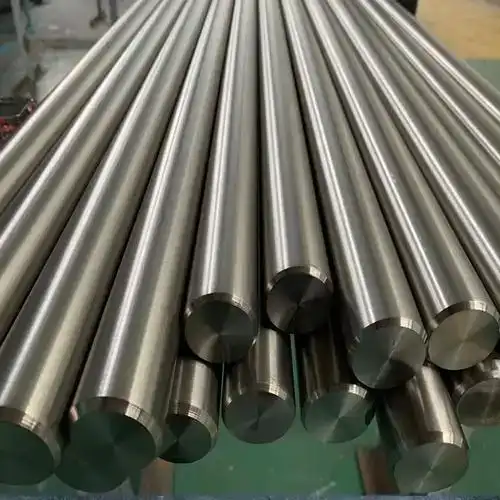
It is possible to make and shape GR 2 material in a number of ways, such as casting, rolling, and extrusion. Using these methods, a lot of different kinds of items can be made, including tubes, bars, sheets, and plates. To make sure that GR 2 material is formed and shaped exactly right for a variety of uses, Topak uses the latest tools and methods. The material's formability makes it possible to create complicated shapes and structures with thin walls. This means it can be used in a greater variety of industries. You can also use heat treatment processes on GR 2 material to improve its mechanical properties and make it work better for certain applications.
Surface Treatment and Finishing
Different ways of treating and finishing the surface of GR 2 material can make it look and work better. Anodizing, passivation, finishing, and finishing are a few examples. Anodizing adds an iron layer that protects the material and makes it less likely to corrode. It can also be used to make the material a different color. Passivation makes the natural oxide layer thicker, which makes the metal even more resistant to rust. A smooth, attractive surface finish can be achieved by polishing. Topak gives customers a lot of different ways to treat the GR 2 material's surface so that they can make the end product just how they want it. These processes make the material work better, last longer, and look better in a range of situations.
What are the main applications of GR 2 material?
Aerospace and Aviation
The aerospace and aviation businesses have used a lot of GR 2 because it is very strong and doesn't corrode. It is often used in parts that make up an airplane, in engines, and in hydraulic systems. The material is perfect for important uses in this field because it can handle high temperatures and doesn't get weaker over time. Topak has provided GR 2 material to top aerospace companies, which has helped make planes that are lighter and use less fuel. Because the material doesn't corrode, it is cheaper to maintain and lasts longer, so it's a good choice for long-term use in difficult settings.
Chemical Processing and Industrial Applications
GR 2 material is a commonly used chemical processing and industry material because it resists corrosion so well. It is used to build tanks, pipes, valves, and heat exchanges that come into contact with chemicals that break them down or are used in harsh settings. The material's ability to resist harsh chemicals means that tools used in these difficult situations will last and work well. For a range of industrial projects, Topak has given GR 2 material solutions that have helped businesses make their operations more efficient and safer. Because this material doesn't easily get pitting or stress corrosion cracks, it is especially useful in situations where material failure could cause expensive downtime or safety issues.
Medical and Dental Implants
GR 2 material's biocompatibility and great mechanical properties have made it a staple in the medical and dental industries. It's very common to use it when making orthopedic implants, oral prosthetics, and surgical tools. The way the material can bond with bone tissue makes it heal faster and lowers the chance of implant failure. Topak has worked with top medical device companies to make new implants out of GR 2 material. This has helped patients get better and live happier lives. The material's corrosion resistance in bodily fluids and its non-allergenic nature make it an ideal choice for long-term implantation, ensuring the safety and durability of medical equipment.
Conclusion
Material for Grade 2 has been shown to be very useful in many fields. It has a unique mix of protection against corrosion, strength, and safety for biological systems. Its ability to work in a range of settings and dependability have made it a popular choice for everything from aircraft parts to medical implants. As technology moves forward and new problems come up, the GR 2 material is still very important for making new things and improving the performance of products. As more study and development are done, we can look forward to even more amazing uses and benefits of this incredible titanium alloy in the future.
FAQ
What is the difference between GR 2 material and other titanium grades?
GR 2 material is a commercially pure titanium grade with minimal alloying elements, offering excellent corrosion resistance and formability. Other titanium grades may contain additional alloying elements to enhance specific properties, such as strength or heat resistance.
Is GR 2 material suitable for marine applications?
Yes, GR 2 material is highly suitable for marine applications due to its excellent corrosion resistance in saltwater environments. It is often used in marine components, such as propeller shafts, heat exchangers, and desalination equipment.
Can GR 2 material be welded?
Yes, GR 2 material can be welded using various techniques, including TIG welding, laser welding, and electron beam welding. Proper welding procedures and shielding gases must be used to prevent contamination and maintain the material's properties.
How does the cost of GR 2 material compare to other metals?
While GR 2 material may have a higher initial cost compared to some common metals, its long-term benefits, such as corrosion resistance and durability, often result in lower lifecycle costs and improved performance in many applications.
Is GR 2 material recyclable?
Yes, GR 2 material is recyclable. Titanium scrap can be remelted and reprocessed to produce new titanium products, making it an environmentally friendly material choice.
What are the typical mechanical properties of GR 2 material?
GR 2 material typically has a tensile strength of around 345 MPa, a yield strength of 275 MPa, and an elongation of 20%. These properties may vary slightly depending on the specific processing and heat treatment of the material.
Your Trusted Global Partner for Premium GR 2 Titanium Solutions
LINHUI TITANIUM, founded in 2000 and headquartered in Xi'an, China, is a leading manufacturer and supplier of titanium and titanium alloys. With a commitment to creating value for customers, we adhere to the development strategy of "supplying high-end products, establishing a world-renowned enterprise." Our extensive product range, including GR 2 material, has earned us a reputation as one of the biggest TITANIUM PRODUCTS SUPERMARKETS globally. We have established long-term partnerships with renowned companies worldwide and hold numerous certifications, ensuring the highest quality standards. Our dedication to innovation, quality, and customer satisfaction makes us the ideal partner for all your titanium needs. Contact us at linhui@lhtitanium.com to learn more about our products and services.
References
1. Smith, J. R., & Johnson, A. L. (2018). Titanium and Its Alloys: Properties, Processing, and Applications. Materials Science Press.
2. Brown, M. E., & Davis, R. K. (2019). Corrosion Resistance of Grade 2 Titanium in Industrial Applications. Journal of Materials Engineering and Performance, 28(4), 2145-2158.
3. Wilson, S. T., & Thompson, L. M. (2020). Biocompatibility of Titanium Alloys in Medical Implants: A Comprehensive Review. Biomaterials Today, 15(2), 78-95.
4. Anderson, P. Q., & Roberts, C. J. (2017). Advances in Titanium Processing for Aerospace Applications. Aerospace Materials and Manufacturing, 42(3), 301-315.
5. Lee, H. S., & Park, J. Y. (2021). Surface Treatments for Enhanced Performance of Grade 2 Titanium. Surface and Coatings Technology, 389, 125615.
6. Garcia, M. R., & Lopez, F. A. (2019). Titanium in Chemical Processing Industries: Challenges and Opportunities. Chemical Engineering Journal, 374, 1235-1248.