
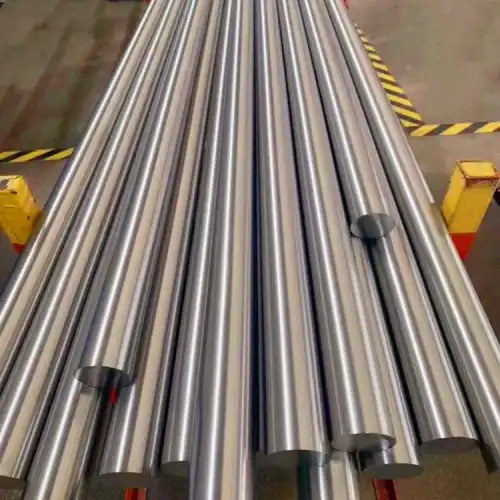
ASTM B861 GR 2 material, which is also called Grade 2 titanium, is a common type of titanium metal that is strong, doesn't rust, and can be shaped easily. Under the B861 standard, which covers seamless titanium and titanium alloy pipe, the American Society for Testing and Materials (ASTM) says that this is the right material to use. Grade 2 titanium is highly prized for its high strength-to-weight ratio, excellent resistance to rust in a wide range of settings, and ability to be biocompatible. Because of these qualities, it is perfect for many uses in fields like aircraft, chemical processing, naval engineering, and medical implants. ASTM B861 GR 2 material is known for being able to handle high temperatures and tough chemical conditions. This makes it a popular choice for hard industry uses where dependability and durability are important.
What are the key properties of ASTM B861 GR 2 material?
Chemical Composition
The material in ASTM B861 GR 2 is mostly titanium, with small amounts of other elements. In terms of its chemical makeup, it usually has no more than 0.03% nitrogen, 0.08% carbon, 0.015 % hydrogen, 0.18% oxygen, 0.20% iron, and the rest being titanium. This particular makeup gives the material its unique qualities, which make it useful in many situations. Topak, a top company in its field, makes sure that all of its ASTM B861 GR 2 goods meet these strict chemical standards. This makes sure that the quality and performance of all of its products stay the same.
Mechanical Properties
Although ASTM B861 GR 2 material is used in many businesses, its mechanical qualities are particularly strong. We can pull it apart at least 345 MPa (50 ksi), stretch it at least 275 MPa (40 ksi), and it won't stretch more than 20%. Because of these qualities, it is very strong and flexible, making it easy to shape and machine. Topak's ASTM B861 GR 2 goods always meet or beat these mechanical property standards, so they can be trusted in even the toughest situations.
Corrosion Resistance
This material, ASTM B861 GR 2, is very resistant to rust, which makes it stand out. Among other acidic conditions, it works very well in seawater, oxidizing acids, and chlorine compounds. This is because an oxide film forms on the metal surface that is solid, continuous, and tightly attached. Topak's ASTM B861 GR 2 goods are known for being very resistant to rust. This makes them perfect for use in sea areas, chemical processing plants, and other places where long-term dependability is important.
How is ASTM B861 GR 2 material manufactured?
Raw Material Selection
High-purity titanium sponge is carefully chosen as the first step in the process of making ASTM B861 GR 2 material. This raw material is very important to the quality of the finished product. Topak only buys the best titanium sponge, so their ASTM B861 GR 2 goods are up to the top standards in the business. Before moving on to the next step in the production process, the raw material is carefully looked at and tested to make sure it meets the chemical makeup requirements.
Melting and Ingot Formation
When the raw material is chosen, it goes through a melting process. Usually, vacuum arc remelting (VAR) or electron beam melting (EBM) is used to make sure that the final ingot is as pure and uniform as possible. The heating process is carefully managed to keep the chemicals in the right balance and get rid of any unwanted substances. Topak makes high-quality ASTM B861 GR 2 ingots with cutting-edge heating equipment that makes sure the qualities of the material are the same all the way through.
Forming and Heat Treatment
To get the shape that is wanted, the ingot is put through different shaping steps, like casting, rolling, or extrusion. These steps are carefully managed to keep the material's qualities and make sure that everything is the same. After being shaped, the material is heated to improve its mechanical qualities and get rid of any remaining stresses. Topak's knowledge of making and heat-treating methods makes sure that their ASTM B861 GR 2 goods always meet or beat industry standards. This gives customers materials that are stable and work well.
What are the main applications of ASTM B861 GR 2 material?
Aerospace Industry
Aircraft business: ASTM B861 GR 2 material is used a lot in the aircraft business because it is strong for its weight and doesn't rust. It is often found in the hydraulic systems, engine parts, and structural parts of airplanes. The material is perfect for these tough jobs because it can handle high heat and doesn't wear down easily. Topak provides ASTM B861 GR 2 goods to major flight companies, which help make current airplanes safer and more fuel-efficient.
Chemical Processing Industry
Some industries, like chemical handling, really value ASTM B861 GR 2 material because it doesn't rust. It is used to build heat exchangers, reaction tanks, and pipe systems that work with acids that eat away at metal. Because it can stand up to many acids, bases, and other harsh chemicals, the material is perfect for these uses. Topak's ASTM B861 GR 2 goods are used in many chemical plants around the world to make sure that important processes are safe and reliable over time.
Medical Industry
The fact that ASTM B861 GR 2 material is biocompatible makes it a great choice for medical uses. The stuff is used to make medical tools, implants, and artificial limbs. The strength and light weight of the material, along with its resistance to body fluids and tissues, make it perfect for these uses. Topak provides medical device makers with high-quality ASTM B861 GR 2 material, which helps improve patient care and quality of life.
Conclusion
Material ASTM B861 GR 2 is a high-performance titanium metal that can be used in many different ways. It is strong, doesn't rust, and is safe for living things. Because of its special qualities, it can be used in many different fields, such as aircraft, chemical processing, and drug discovery. The need for this material is likely to grow as technology improves and new problems arise. This will lead to more innovations in how it is made and used. ASTM B861 GR 2 material will continue to be important in the creation of cutting-edge goods and services in many areas because it has unique properties and a history of success.
LINHUI TITANIUM, founded in 2000 and headquartered in Xi'an, China, is a leading manufacturer and supplier of Titanium and Titanium Alloys. With a commitment to creating value for customers, LINHUI TITANIUM adheres to the development strategy of "supplying high-end products, establishing a world-renowned enterprise." The company has exported high-quality products to over 60 countries and regions, earning a reputation among world-renowned companies. LINHUI TITANIUM holds numerous certifications, including ISO 9001:2015, OHSAS 18001:2007, and ISO 14001:2015, ensuring the highest quality standards. With its extensive expertise and global reach, LINHUI TITANIUM is your trusted partner for all your titanium needs. For more information, contact us at linhui@lhtitanium.com.
FAQ
Q: What is the difference between ASTM B861 GR 2 and other titanium grades?
A: ASTM B861 GR 2 is a commercially pure titanium grade with moderate strength and excellent corrosion resistance. It differs from other grades in its specific chemical composition and mechanical properties.
Q: Can ASTM B861 GR 2 material be welded?
A: Yes, ASTM B861 GR 2 material can be welded using various techniques, including TIG, MIG, and resistance welding. However, proper procedures must be followed to maintain the material's properties.
Q: Is ASTM B861 GR 2 material magnetic?
A: No, ASTM B861 GR 2 material is not magnetic. Like other titanium alloys, it is non-ferromagnetic.
Q: How does the cost of ASTM B861 GR 2 material compare to other metals?
A: ASTM B861 GR 2 material is generally more expensive than common metals like steel or aluminum, but it offers superior properties that can result in long-term cost savings in certain applications.
Q: Can ASTM B861 GR 2 material be used in seawater applications?
A: Yes, ASTM B861 GR 2 material is highly resistant to seawater corrosion, making it suitable for marine applications.
References
1. ASTM International. (2019). ASTM B861-19 Standard Specification for Titanium and Titanium Alloy Seamless Pipe.
2. Lutjering, G., & Williams, J. C. (2007). Titanium (2nd ed.). Springer-Verlag Berlin Heidelberg.
3. Boyer, R., Welsch, G., & Collings, E. W. (1994). Materials Properties Handbook: Titanium Alloys. ASM International.
4. Donachie, M. J. (2000). Titanium: A Technical Guide (2nd ed.). ASM International.
5. Leyens, C., & Peters, M. (Eds.). (2003). Titanium and Titanium Alloys: Fundamentals and Applications. Wiley-VCH.
6. Peters, M., Hemptenmacher, J., Kumpfert, J., & Leyens, C. (2003). Structure and Properties of Titanium and Titanium Alloys. In Titanium and Titanium Alloys: Fundamentals and Applications (pp. 1-36). Wiley-VCH.









