
When examining the modern industrial landscape, Zirconium Wire Coil stands as an essential component across multiple high-stakes sectors where material failure is not an option. Industries including aerospace, nuclear energy, chemical processing, medical device manufacturing, and electronics rely heavily on this specialized material for its exceptional corrosion resistance, biocompatibility, and thermal stability. The demand spans from oil and gas operations requiring robust welding consumables to semiconductor manufacturers needing ultra-pure materials for precision applications, making the zirconium wire coil supply a critical consideration for procurement professionals worldwide.
Understanding Zirconium Wire Coil: Properties and Industrial Relevance
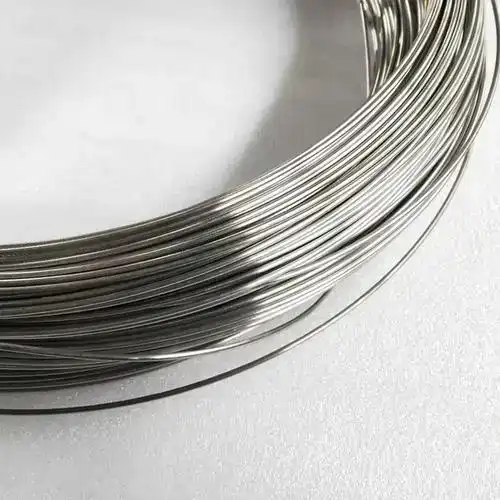
Zirconium Wire Coil is a long, smooth piece of precisely drawn zirconium metal, usually in grades R60702 or R60705, that is wound onto loops for automatic processing in factories. This unique shape sets it apart from rigid rods because it makes continuous feeding possible for additive manufacturing, mass production of small parts, and automatic welding processes.
Zirconium has special properties that make it work better than other materials. These properties come from its unique chemical makeup. Zirconium, unlike titanium or stainless steel, doesn't lose its shape when it comes in contact with hot acidic substances, like sulfuric and hydrochloric acids. This protection comes from the fact that it naturally forms an oxide layer, which protects it from surroundings that are corrosive.
When procurement workers are deciding whether a material is suitable, they need to know about these basic qualities. Because zirconium wire coil is so resistant to rust, it is very useful in chemical processing towers and heat exchangers, where keeping leaks and contamination from happening is very important. Its low thermal neutron absorption cross-section also solves important problems in nuclear reactor uses, keeping safety standards while ensuring structural integrity.
High tensile strength, better temperature tolerance, and great shapeability are some of the amazing qualities of zirconium wire coil. These qualities make it possible for the material to work in harsh conditions while still staying stable in its shape. Because zirconium is nontoxic, it can also be used to make medical devices, where patient safety is paramount.
In some harsh settings, zirconium works better than other materials like titanium and stainless steel in certain situations. Titanium has a great strength-to-weight ratio, but zirconium works better in very acidic environments where titanium might break down. Zirconium wire coil is the best choice for specific industry uses that need unmatched performance because it has this comparative advantage.
Major Industries That Require Zirconium Wire Coil Supply
Zirconium Wire Coil is in high demand in many important industries because it meets their unique operating and safety standards. Zirconium's unique qualities are used by each business to solve important problems in its own area.
Aerospace and Defense Applications
Zirconium wire coil is used in the aircraft business to make parts that need to be able to handle high temperatures and acidic environments. The ability of zirconium to resist saltwater and high temperatures is good for aircraft engines, especially those that work in coastal settings. This material is used in defense applications to make specialized parts that must be reliable in harsh circumstances. Manufacturers of high-tech aircraft products use zirconium wire coil in welding to connect important structural parts. The substance is used as filler metal (ERZr-2) in automatic TIG/MIG welding processes. It seals gaps in machinery that handles dangerous materials completely. This feature turns out to be very important for military and space vehicles working in tough conditions.
Nuclear Energy Sector
Because zirconium wire coil is so good at letting neutrons pass through it, nuclear power generation is a big market for it. Zirconium springs and spacers are used in reactor fuel rod systems because they don't get in the way of neutron flow. This keeps the reactor working efficiently while giving structural support. Materials that can survive high levels of radiation and keep their shape for long periods of time are needed by the nuclear business. Zirconium wire coil meets these needs and has the bonus of being less likely to become activated when neutrons hit it. This feature lowers long-term worries about radioactive waste and makes upkeep easier.
Chemical Processing Industries
Aggressive media that break down normal materials quickly are always a problem for chemical manufacturing plants. Zirconium Wire Coil offers options for tower internals, such as mist eliminators, organized packing, and distribution trays that are used to make acetic acid and hydrochloric acid. The coil shape makes it possible to make mesh pads that can handle acidic gas phases without contaminating product streams with metals. Petrochemical activities gain a lot from zirconium's ability to withstand sulfuric acid environments, where stainless steel breaks down quickly. Components made of zirconium show longer service lives and fewer repair needs in heat exchangers, piping systems, and reactor tanks. This means that chemical processing plants will save a lot of money and be more reliable in their operations.
Medical Device Manufacturing
Zirconium is very useful for making medical devices because it is safe. Zirconium wire coil is used to make parts for surgical implants, imaging tools, and other specialized medical tools that need to be chemically stable and strong. The non-toxic nature of the material ensures that patients are safe, and its longevity makes it useful for long-term medical uses. Medical device makers like zirconium because it doesn't react with organic fluids and can keep its surface structure for long periods of time. This dependability is very important for internal devices, since a failure of the material could have very bad effects. Zirconium wire coil can be made with great accuracy, and it can also handle the tight limits needed in medical uses.
How to Choose the Best Zirconium Wire Coil for Your Industry Needs
To choose the best Zirconium Wire Coil, you need to carefully consider several factors, such as the material grade, the size requirements, and the needs of the application. Professionals in procurement have to weigh performance factors against cost factors while making sure that industry standards are met.
Material Grade Selection
The difference between Zr 702 and Zr 705 grades has a big effect on cost and efficiency. Zr 702 is commercially pure zirconium that is very resistant to weathering and easy to shape. This makes it perfect for chemical processing. Niobium additions to Zr 705 almost double its tensile strength, making it ideal for high-stress structural parts even though it has slightly less corrosion protection in some oxidizing conditions. Another important thing to think about is the amount of thorium present, especially for nuclear uses. Natural amounts of hafnium can be used in most industrial settings, but because it absorbs neutrons, hafnium needs to be removed for nuclear purposes. This method of purification makes materials much more expensive, but it makes sure they meet the standards of the nuclear business.
Dimensional and Customization Requirements
Certain production steps need wire diameter, coil length, and packing requirements to be met. Automated welding systems need wires with the same diameter and feeding features, while mesh production uses may need certain coil designs. Custom packing choices can make it easier to move materials and cut down on waste during production. Material choice is also affected by the surface finish needs. For uses that need ultra-high purity, you might need special cleaning methods or packing with a controlled atmosphere. Knowing these needs early on in the buying process ensures that the specs of the materials meet the needs of operations.
Cost-Performance Analysis
To compare zirconium to other materials, you need to look at the total cost of ownership, not just the cost of the material itself. Although zirconium wire coil is more expensive, its longer service life and lower upkeep needs often make it cheaper overall for demanding uses. For people who use a lot of something, buying in bulk can save them a lot of money. Setting up long-term supply deals with certified makers can often get you better prices and make sure that you always have access to the materials you need. In addition to adding value, these agreements make it easier to get technical help and customization services.
Navigating Procurement: Best Practices for Sourcing Zirconium Wire Coil
To get Zirconium spool wire effectively, you need to work with well-known manufacturers who have complete quality systems and industry certifications. Assessing a supplier's capabilities, following quality control rules, and making sure the supply chain is reliable are all important parts of successful buying strategies.
Supplier Evaluation Criteria
When evaluating a manufacturing potential, it's important to look at things like production capacity, quality control systems, and technical help abilities. ISO 9001:2015 certification is a basic way to make sure of quality, while certifications specific to a field, like ASME, PED, or nuclear quality standards, show that the company has specific skills. Advanced metalworking techniques, such as vacuum freezing, precise wire drawing, and controlled atmosphere annealing, should be shown at the supplier sites. Technical help is especially useful for complicated uses that need to optimize material properties or meet specific requirements. Beyond just supplying materials, suppliers who offer metallurgy advice, application engineering help, and testing services add more value. This method of technical partnership often leads to better results for difficult projects.
Quality Assurance and Testing
Comprehensive quality assurance programs should check the chemistry make-up, test the mechanical properties, and check the sizes of each output lot. Third-party testing through accredited laboratories gives you even more trust in the conformity of the material. Certification packages should have mill test certificates, dimensional records, and tracking paperwork that meet the standards of the business. The user facility's incoming inspection methods should check important qualities and measurements to make sure the material is suitable. Statistical process control can keep an eye on how well a company is doing over time and spot possible quality trends before they affect production. These quality systems keep production from being interrupted by problems with materials and make sure that products always work well.
Logistics and Supply Chain Management
When planning lead times, it's important to keep in mind that zirconium handling is very specialized and that raw materials may not always be available. Lead times are usually between 8 and 16 weeks, but they rely on the grade, quantity, and individual needs. Setting up store buffers for important uses helps keep production going while keeping costs down. Minimum order numbers are often based on how many of a certain grade or size can be made economically. Coordinating needs across multiple uses or time periods can help you get the best order numbers while still keeping an appropriate amount of inventory on hand. Forecasting together with suppliers helps with better planning of production and could lead to better delivery performance.
Future Trends and Market Outlook for Zirconium Wire Coil
The need for Zirconium Wire Coil keeps growing around the world because of new technologies and higher performance standards in many fields. Innovations in materials and advanced manufacturing methods are making products better while lowering their costs.
Emerging Market Drivers
Building up facilities for renewable energy opens up new uses for zirconium in harsh settings. Zirconium parts are used in offshore wind farms, geothermal energy systems, and new battery technologies because they don't rust and are reliable. These growing markets add to standard sources of demand and push manufacturers to come up with new ways to make things. Biocompatible devices and next-generation implant materials are examples of advanced medical technologies that offer big growth possibilities. The world's population is getting older, which means more people need medical gadgets that are reliable and compatible with their bodies. Zirconium has a unique set of qualities that make it a good choice for these growing uses.
Manufacturing Innovations
Zirconium wire material is being used in new ways thanks to additive production technologies. Using zirconium for 3D printing complicated shapes makes it possible to make parts that were not possible with traditional manufacturing methods. This feature allows for new design options and might lower trash and production costs at the same time. Zirconium cleaning and wire drawing are getting better, which is lowering production costs and making the material more consistent. More advanced quality control methods allow for better surface finishes and tighter control of tolerances. These changes make zirconium more useful in more situations and make it more competitive with other materials.
Strategic Procurement Considerations
Procurement plans that look to the future should try to predict market trends and build ties with suppliers that can support future growth. Long-term contracts with reliable providers keep prices stable and allow access to new technologies. Collaborative relationships let people get new marks and skills as soon as they come out. Market information about the supply of raw materials and changes in prices helps people make the best decisions about when to buy things and how much to keep on hand. Knowing how the supply chain works lets you better control risks and plan for what to do if something goes wrong. These strategic methods put businesses in a good position to take advantage of new possibilities while still dealing with the problems that come with standard supply chains.
Conclusion
The industrial demand for Zirconium Wire Coil spans critical sectors where material performance directly impacts operational success and safety. From nuclear reactors requiring neutron-transparent materials to chemical processing facilities demanding corrosion resistance, zirconium wire coil addresses unique challenges that conventional materials cannot solve. Understanding industry-specific requirements, material properties, and procurement best practices enables organizations to leverage this specialized material effectively. As emerging technologies and expanding applications drive continued growth, strategic supplier relationships and forward-thinking procurement approaches become increasingly important for maintaining competitive advantage in demanding industrial environments.
FAQ
What is the primary difference between Zr 702 and Zr 705 Zirconium Wire Coil?
Zr 702 represents commercially pure zirconium, offering optimal corrosion resistance and formability characteristics. Zr 705 contains niobium additions that approximately double tensile strength, making it suitable for high-stress structural components. However, Zr 705 exhibits slightly reduced corrosion resistance in certain oxidizing media compared to the pure grade. The choice depends on whether mechanical strength or maximum corrosion resistance takes priority for the specific application.
Can Zirconium Wire Coil be used in Hydrofluoric Acid environments?
Zirconium wire coil cannot be used in hydrofluoric acid environments due to rapid dissolution. While zirconium demonstrates excellent resistance to sulfuric acid, hydrochloric acid, and many organic acids, hydrofluoric acid causes immediate catastrophic failure. Alternative materials such as specialized fluoropolymer-lined equipment or Monel alloys should be considered for HF applications.
Why is Hafnium content critical when purchasing Zirconium Wire Coil?
Hafnium naturally occurs with zirconium in ore deposits and has similar chemical properties for general industrial applications. However, nuclear applications require hafnium removal because hafnium absorbs neutrons while zirconium remains transparent to neutron radiation. This purification process significantly increases material cost but ensures compliance with nuclear industry specifications for reactor components.
What safety precautions are necessary when handling Zirconium Wire Coil?
Solid zirconium wire coil is safe to handle under normal conditions. However, fine particles or dust generated during machining operations can be pyrophoric and ignite spontaneously in air. Proper fire safety protocols, including Class D fire extinguishers, must be available during processing operations. Machining should be performed with appropriate ventilation and dust collection systems to prevent the accumulation of fine particles.
What welding considerations apply to Zirconium Wire Coil applications?
Zirconium welding requires high-purity inert gas shielding due to the material's reactive nature at elevated temperatures. Argon or helium with 99.999% minimum purity is necessary for both primary and trailing shield gas coverage. The weld pool and cooling zone must be protected from atmospheric contamination to prevent oxidation and embrittlement that would compromise joint integrity.
Contact LINHUI TITANIUM for Premium Zirconium Wire Coil Supply
LINHUI TITANIUM delivers exceptional Zirconium Wire Coil solutions backed by over two decades of metallurgical expertise and comprehensive international certifications, including ISO 9001:2015, PED 2014/68/EU, and multiple classification society approvals. Our advanced manufacturing processes ensure consistent quality, while our global supply chain serves customers across 60+ countries. As your trusted zirconium wire coil supplier, we provide technical support, custom specifications, and reliable delivery schedules that meet your most demanding requirements. Contact linhui@lhtitanium.com today to discuss your specific application needs.
References
1. ASTM International. "Standard Specification for Zirconium and Zirconium Alloy Strip, Sheet, and Plate." ASTM B551/B551M-18, West Conshohocken, PA, 2018.
2. American Nuclear Society. "Nuclear Materials Science and Engineering Handbook: Zirconium Alloys in Nuclear Applications." ANS Publications, La Grange Park, IL, 2019.
3. Materials Research Society. "Corrosion Behavior of Zirconium in Chemical Processing Environments." MRS Bulletin, Volume 45, Issue 3, 2020.
4. International Association for the Properties of Water and Steam. "Guidelines on the Zirconium Alloy Cladding Oxidation in Light Water Reactors." IAPWS Technical Guidance Document, 2021.
5. Society of Manufacturing Engineers. "Advanced Manufacturing Processes for Refractory and Reactive Metals." SME Technical Paper Series, Dearborn, MI, 2020.
6. American Welding Society. "Welding Handbook Volume 4: Materials and Applications - Zirconium and Zirconium Alloys." AWS Publication, Miami, FL, 2019.