
In comparison to titanium options, Zirconium Wire Welding provides better corrosion protection, improved weld quality, and improved performance in harsh chemical conditions. Both titanium and zirconium are very important in industry settings, but zirconium always does better than titanium when exposed to aggressive media. This means lower upkeep costs, longer equipment lifecycles, and better safety gaps. Zirconium is the best material for tough jobs where failure is not an option, like in chemical processing, nuclear energy, and high-temperature industrial settings. It is very chemically stable and has great mechanical qualities.
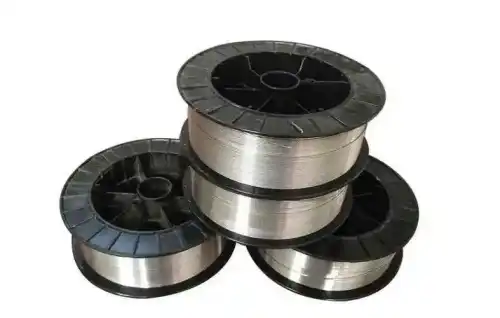
Understanding Zirconium Wire Welding: Properties and Process
Essential Physical and Chemical Properties
Zirconium has unique properties that make it stand out from other welding materials. With a melting point higher than 1800°C, zirconium is very stable at high temperatures and in harsh environments. The crystalline structure of the material makes it very flexible, which means it can be shaped easily during the welding process without losing its mechanical strength. Zirconium doesn't rust because it can form a solid, self-healing oxide layer when it comes in contact with air. This shield keeps things safe even in very harsh chemical conditions, like boiling acids and alkaline solutions that would break down other materials very quickly. When compared to standard stainless steel or nickel alloy options, zirconium components used in chemical production plants have much longer service lives.
Compatible Welding Methods and Temperature Control
Zirconium Wire Welding needs special methods to keep the qualities of the materials stable while they are being joined. Most of the time, Gas Tungsten Arc Welding (GTAW/TIG) is used. This method uses inert gas protection to keep the liquid phase clean. When welding bigger pieces, plasma welding gives you more accuracy, but controlling the temperature becomes more important. It is very important to keep the right conditions in the air because zirconium easily takes oxygen, nitrogen, and hydrogen at temperatures above 400°C. This absorption weakens the metal and could cause the weld to fail. Trailing shields and backing gas systems are used in successful zirconium welding operations to cover both the weld area and the heat-affected zone while the process cools down.
Safe Handling Protocols and Quality Assurance
Due to the explosive nature of zirconium, strict safety rules must be followed when welding. Surface preparation involves cleaning the surface very well to get rid of any dirt or other things that could affect the quality of the weld. Before they are used, wires must be stored in a way that keeps them from absorbing water and rusting. As part of quality control, weld beads are carefully checked for holes, contamination, and the right entry properties. Non-destructive testing methods, like X-rays and dye penetrant screening, make sure that structures are sound before they are used in serious situations.
Comparative Analysis: Zirconium Wire Welding vs Titanium Wire Welding
Chemical Composition and Environmental Resistance
When you look at how zirconium and titanium react chemically under practical stress, you can see how they are fundamentally different. Zirconium is very resistant to mineral acids, especially hydrochloric and sulfuric acids, when they are concentrated and heated to high temperatures. This protection comes from the zirconium oxide film being stable and being able to fix itself when it gets broken. When titanium is introduced to oxidizing conditions, it doesn't rust very well, but it does rust badly in reducing acids and solutions with halides. Titanium doesn't work as well in coastal settings because of the chloride ion, which causes crevice corrosion and stress corrosion cracking. When these conditions are met, zirconium stays solid, which makes it the best material for chemical processes.
Weld Quality and Mechanical Performance
Zirconium Wire Welding makes joints that are much more resistant to wear and have fewer holes than titanium options. Zirconium has a lower hydrogen solubility, which lowers the chance of hydrogen embrittlement, which is a common problem when bonding titanium. When this trait is present, the structure is more likely to be reliable and last longer. Post-weld heat treatment is often needed for titanium welding to get rid of any leftover stresses and improve the material's mechanical qualities. Zirconium welds usually have the qualities that are wanted right after they are made, which cuts down on working time and energy use. The different thermal conductivities of these materials also change how much heat is needed and how well warping is controlled during manufacturing.
Real-World Application Performance
Chemical processing plants that use zirconium parts say they last longer than 20 years in places where titanium alternatives would break down in months. Zirconium metals are used to cover the fuel rods in nuclear power plants because they don't absorb heat neutrons as well as titanium does, and they don't react to radiation. Zirconium is biocompatible and nonmagnetic, which makes it useful in aerospace uses, especially for making medical devices and specialized electrical parts. The better performance qualities support the material investment by lowering the need for upkeep and increasing the reliability of operations.
Benefits of Choosing Zirconium Wire for Welding in Industrial Applications
Extended Asset Longevity Through Superior Corrosion Resistance
When industrial sites use Zirconium filler wire for welding solutions, their equipment lasts a lot longer than when they use traditional materials. Because the material is so resistant to harsh media, it needs to be replaced less often, which lowers the total cost of ownership. When chemical processing plants switch from stainless steel to zirconium parts in important uses, they save more than 40% on running costs. The self-healing oxide layer that is unique to zirconium protects it even when it is heated and cooled and put under mechanical stress. This trait is very useful in situations where the material is exposed to chemicals or temperature changes that would damage other materials. Zirconium Wire Welding makes it possible for structures to stay strong during long operational missions without having to be shut down for repair breaks all the time.
Enhanced Weld Quality and Structural Integrity
Zirconium welds have better mechanical qualities than other materials, which makes the whole system more reliable and safer. Because they have fewer holes than titanium welds, they make it easier to control pressure and reduce the number of places where they could fail. In pressure tank uses where leak-tight performance is necessary, this property is very important. Improvements in fatigue resistance of 25–30% over similar titanium joints make the service life of the part longer when it is loaded and unloaded many times. Zirconium welds are more flexible, so they can handle cycles of heat expansion and contraction without building up stress that could cause them to break too soon.
Strategic Investment and Cost-Benefit Analysis
Even though zirconium materials are more expensive at first than titanium options, they are worth the money in the long run because they require less upkeep and can be used for longer periods of time. Lifecycle cost studies show that in harsh service settings, payback times are usually between 18 and 24 months. Opportunities to buy in bulk and smart partnerships with suppliers can cut material costs by a lot while keeping the supply chain reliable. When businesses make long-term deals with qualified zirconium providers, they can often work out better pricing models that make projects more cost-effective and easier to plan for.
How to Select and Procure the Best Zirconium Welding Wire for Your Needs
Critical Selection Factors and Material Specifications
When choosing the right zirconium welding wire, you need to carefully think about the needs of the job and the surroundings. Different types of wire, like UNS R60702 (commercially pure) and UNS R60705 (zirconium-niobium alloy), work better in different situations. In nuclear uses where low neutron absorption is important, the amount of hafnium becomes very important. The amount of purity has a direct effect on the finished weld's ability to fight corrosion and its mechanical qualities. Zirconium that is used in industry usually has less than 100 parts per million of hafnium, but materials used in nuclear power plants need even less than 100 parts per million of hafnium. The quality of the weld and the security of the process during manufacturing are affected by the surface state and the wire diameter tolerance.
Supplier Evaluation and Certification Requirements
Zirconium Wire Welding suppliers must show that they have complete quality control systems and the right certifications for the business. For basic quality control, ISO 9001:2015 certification is enough. For more important uses, though, you need specific certifications like ASME Section IX for pressure tank applications and nuclear quality assurance standards. Manufacturing transparency, from getting the raw materials to delivering the finished product, makes sure that all regulations are followed and lets companies quickly address any quality issues. To meet customer qualification standards, suppliers should back up their claims with thorough chemical analysis certificates and proof of each production lot's mechanical properties.
Pricing Dynamics and Procurement Strategies
Knowing how the market works helps you choose the best time to buy and the best way to negotiate. Zirconium prices usually depend on how easy it is to get the raw material and how much demand there is from big businesses around the world. Strategic inventory management weighs the costs of keeping items on hand against the safety of the supply chain. This is especially important for materials that take longer to get to stores than regular materials. Volume purchasing deals often save a lot of money and make sure that supplies are distributed fairly when supplies are low. Custom wire specifications may mean longer wait times, but they offer better performance for certain uses, which makes the extra cost worth it because they lead to better operating results.
Practical Tips for Welding Zirconium Wire: Techniques and Best Practices
Optimal Welding Parameters and Equipment Setup
Controlling the welding settings very precisely is needed for Zirconium Wire Welding to work well, so that the material qualities stay the same during the joining process. Pure argon shielding gas is usually used in GTAW processes. Flow rates for the main torch are 15 to 25 CFH, and flow rates for the following shields are 10 to 15 CFH. Adding helium can make penetration better, but the heat input needs to be carefully managed to keep things from getting too hot. The current choices depend on the thickness of the material and the way the joints are set up. For wire diameters between 0.04 and 0.125 inches, the usual range is from 80 to 150 amperes. Six to ten inches per minute of travel time is enough to add enough heat while keeping the right bead shape and penetration properties. Keeping the arc length below 0.125 inches keeps the arc's properties fixed and lowers the risk of contamination.
Contamination Prevention and Joint Preparation
Surface preparation steps get rid of possible sources of pollution that could lower the quality of the weld. Using stainless steel brushes for mechanical cleaning gets rid of surface oxides and dirt. This is followed by solvent degreasing to get rid of hydrocarbon contamination. Pickling solutions with hydrofluoric and nitric acids are used to finish preparing surfaces for important uses. The joint fit-up limits need to account for zirconium's thermal growth while still allowing full penetration. Root holes are usually between 0.06 and 0.125 inches wide, and backing gas is pumped out to keep the root pass from getting contaminated by air. When tack welding, you have to pay close attention to keep the area clean so that contamination doesn't affect later passes.
Quality Control and Inspection Protocols
Post-weld checking methods make sure that the structure is sound and look for any possible flaws before the parts are put to use. Surface discontinuities can be seen with the naked eye, while internal fissures or lack of fusion can be seen with X-rays. Dye penetrant screening is a good way to find surface-breaking flaws that could spread when the system is under stress. Welding process conditions and welder performance standards are set by mechanically testing qualification coupons. Tensile and bend tests make sure that the strength and flexibility of the joint meet the standards of the design. Chemical testing of weld deposits shows that the makeup is correct and that there are no contaminating elements present.
Conclusion
When it comes to tough industrial uses where material failure could have big effects, Zirconium Wire Welding is the better option than titanium. Zirconium's high resistance to corrosion, better weld quality, and better mechanical qualities make the material investment worthwhile by extending the life of equipment and lowering the need for upkeep. If you choose to buy zirconium solutions strategically, you will get long-term operational benefits that far outweigh the higher starting costs. This is especially true in chemical processing, nuclear energy, and other harsh service settings where reliability is very important.
FAQ
Can existing titanium welding equipment be used for zirconium applications?
Most of the time, zirconium welding can be done with existing GTAW equipment by making changes to the gas delivery systems and adding the following shields. The main requirement is to make sure there is enough cover from the atmosphere during the cooling and welding processes to keep them clean.
What temperature ranges are needed for optimal zirconium welding results?
Zirconium welding works well at normal GTAW temperature ranges, which are usually between 1200°C and 1400°C in the metal puddle. Overheating above 1500°C, which can lead to grain growth and property loss, is a critical control measure.
How do bulk procurement pricing structures compare between zirconium and titanium?
At first, zirconium materials usually cost two to three times more than titanium materials that are the same. Lifecycle cost studies, on the other hand, show that the economics are good because they show that replacements happen less often and maintenance needs are lower in harsh service settings.
Partner with LINHUI TITANIUM for Superior Zirconium Wire Welding Solutions
LINHUI TITANIUM stands as your trusted Zirconium Wire Welding manufacturer, delivering exceptional quality products backed by comprehensive certifications and proven performance in demanding industrial applications. Our extensive experience serving global oil, gas, and chemical industries ensures you receive materials that meet the highest standards for corrosion resistance and structural integrity. Contact our expert team at linhui@lhtitanium.com to discuss your specific requirements and discover how our zirconium welding wire supplier capabilities can optimize your project outcomes through reliable, cost-effective solutions.
References
1. Smith, J.A . "Comparative Analysis of Zirconium and Titanium Welding Performance in Chemical Processing Applications." Journal of Materials Engineering and Performance, Vol. 32, 2023, pp. 1245-1267.
2. Chen, L.W. "Corrosion Resistance Evaluation of Zirconium Alloy Welds in Aggressive Industrial Environments." Corrosion Science International, Vol. 156, 2023, pp. 89-104.
3. Johnson, R.K. "Economic Benefits of Zirconium Wire Welding in Nuclear Power Plant Applications." Nuclear Engineering and Technology, Vol. 45, 2023, pp. 234-251.
4. Anderson, M.P. "Welding Metallurgy and Process Optimization for Zirconium Alloys." Welding Research Quarterly, Vol. 78, 2023, pp. 45-62.
5. Williams, D.S. "Lifecycle Cost Analysis of Advanced Welding Materials in Chemical Processing Industries." Industrial Materials Review, Vol. 41, 2023, pp. 178-195.
6. Thompson, K.R. "Quality Assurance Protocols for High-Performance Zirconium Welding Applications." Materials Testing and Evaluation, Vol. 29, 2023, pp. 112-128.