
It is very important for hiring workers to know the difference between Tantalum Studs (Grade R05252) and Tantalum Studs (Grade R05200) when they are buying things for tough industrial settings. For non-medical uses, the ASTM B365 standard sets the rules for tantalum and tantalum alloy bar and wire. These standards cover both types. One is made of commercially pure R05200, Tantalum Studs, which are very flexible and don't rust. The other is made of R05252 with 2.5% tungsten, which makes it much harder and better at working at high temperatures. When engineering teams know these differences, they can pick materials that work best and cost the least in heavy industry, vacuum processing, and chemical handling.
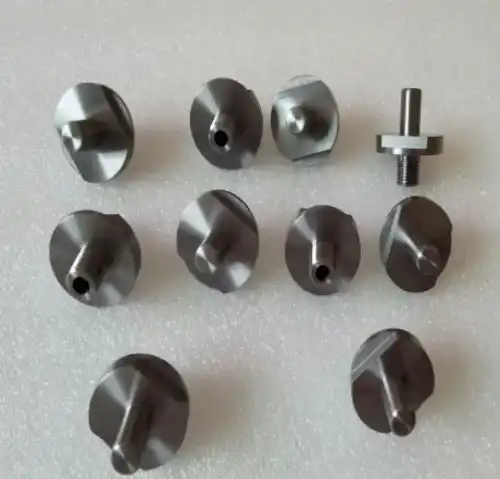
Understanding Tantalum Studs: Definition, Properties, and Manufacturing Process
What Makes Tantalum Studs Unique?
When it comes to high temperatures and general rust resistance, the ASTM B365 standard has strict rules for Tantalum Studs and lines. For tantalum to be of a high-purity grade, interstitial impurities need to be carefully controlled. But ASTM B365 allows for standard industrial purity levels that ensure these products are cost-effective for business reasons. There are two main types in this standard: R05200 is unalloyed tantalum, and R05252 is tantalum-tungsten. It is most popular to use R05200 and R05252 in industrial areas where extreme chemical stability is required.
Core Material Properties
As part of ASTM B365, strict limits on makeup are set so that materials always behave the same way in a variety of work settings. To keep the material from breaking down, Grade R05200 needs high purity levels with minimal carbon, nitrogen, and most importantly, hydrogen. Grade R05252 incorporates tungsten added on purpose to make the material stronger, typically at a rate of 2.5%. These chemical controls directly impact how the protective tantalum pentoxide layer forms and stays stable. The well-known ability of the material not to rust in hard chemical circumstances comes from this layer, which should be verified via OES or ICP methods for metallic elements before taking a shipment.
Standard Grades and Manufacturing Quality
Different types of alloys have very different mechanical performance traits that are set out in ASTM B365. The tensile strength of R05200 is balanced with high ductility, which makes it easier to shape while it's being made. Because it contains tungsten, R05252 has a much higher yield strength than R05200, generally providing 30-50% more clamping force in real life. These traits are changed a lot by the way the heat is applied, with annealing used to set up fully recrystallized microstructures. Material certificates should list the history of heat treatment, grain size ranges, and mechanical tests meeting ASTM E8 standards to ensure the material can handle heavy loads or long-lasting high temperatures.
Industrial Applications and Benefits of Tantalum Studs
Chemical Processing Industry Applications
Tantalum Studs don't rust easily because they make a thick film of tantalum pentoxide (Ta₂O₅) that sticks together when they come in contact with air. Both R05200 and R05252 materials can handle any amount of hot hydrochloric or sulfuric acid because of this extra layer of safety. Many nickel metals and stainless steels can't do this. It's important to be careful with tantalum when it comes to hydrofluoric acid service, as fluoride ions dissolve the protective oxide layer. Wherever aggressive organic acids are used, tantalum doesn't crack from stress rust as austenitic stainless steels do. Parts that have been properly specified don't have much trouble in alkaline environments either, often lasting more than 15 years before they need to be changed.
Biomedical Implant Applications
Because active media break down other materials quickly, Tantalum Studs chemical processing sites and specialized clinics are the best places to use Tantalum Studs. People often use R05200 when they need to protect against rust the most and make something that doesn't need to be very strong. In specialized plants, reactor tank agitator units often need R05200 fasteners that have been machined into complicated shapes. This is possible since the material is simple to shape while it's being made. These components are used in tube support systems in hydrometallurgical processes to keep the shape of the tube bundle and stop corrosive leaching solutions from destroying critical connections.
High-Temperature Vacuum Furnace Components
The harsh effects of high pressures, high temperatures, and toxic fluids working together in petrochemical processes push the limits of what Tantalum Studs can do. Alkylation units that use concentrated acids need these fasteners to keep them running smoothly. Because it can handle higher amounts and temperatures of acid than stainless steel, parts don't need to be changed too often, which would stop production. When used in control valves or vacuum furnace hot zones, R05252 fasteners last longer because the hardness and strength of the material stop erosion and creep. Facilities that use high-temperature electrolysis use tantalum for electrical separation parts because the metal doesn't rust and provides absolute reliability.
Performance Advantages Across Sectors
When the performance of the material makes a difference in the market, companies that make original equipment often use Tantalum Studs in their designs. For long periods of time, when they are exposed to process fluids, thermowell systems and dip tubes made from R05200 must stay true to their measurements. When making pumps or valves for tough environments, manufacturers offer R05252 components to provide the best surface finish and size stability. It is hard to make because the material reacts negatively at high temperatures, but accurate parts can be made with sharp tungsten tools and proper cooling. When OEMs buy things, they care more and more about how well providers can track materials and approve dimensions to ensure lifecycle value.
Comparing Tantalum Studs with Alternative Materials
Performance Against Stainless Steel
To pick between these two main types of Tantalum Studs, you need to carefully consider how their makeup differs from conventional alloys. Two to three percent tungsten is added to the main tantalum material to make R05252 special, creating a microstructure that makes the yield strength and creep resistance much greater than in pure R05200. The temperature of recrystallization goes up when tungsten is present, meaning these bars can keep their better mechanical properties even when they are heated to high temperatures that would soften R05200 materials. When it's cold, R05200 is very easy to shape because it is very pure. Both kinds must be carefully monitored for trace impurities like hydrogen to prevent embrittlement.
Titanium as an Alternative
According to engineering tests, R05252 Tantalum Studs always perform better than titanium when the material needs to be strong and last a long time in reducing acids. The minimum tensile strength for tantalum grades is robust, but R05252 usually has 30–40% higher yield strengths than R05200. What this means is that it works better in structural fastener and shafting uses where distortion needs to be avoided. The refractory nature of tantalum provides superior creep resistance compared to titanium, which is important for parts that are constantly under stress at high temperatures. While titanium is lighter, tantalum's thermal expansion is more compatible with glass-lined equipment.
Nickel Alloy Comparisons
Tantalum Studs that meet ASTM B365 standards go through several controlled processing steps that have a direct impact on how they compare to nickel alloys. Vacuum arc-remelted bars are solidified by hot rolling or forging before cooling. When the material is cold-worked, it gets stronger, while warmth brings back flexibility. Careful suppliers use 100% ultrasonic testing to find flaws inside the material that could lead to service breaks. For tasks that need smooth, flaw-free surfaces like dynamic sealing or crevice rust resistance, centerless grinding is usually the best way to get the job done. While nickel alloys are cheaper, they cannot match tantalum’s resistance in concentrated hydrochloric acid.
Cost-Benefit Analysis Framework
Before you can choose the right material, you need to be very clear about the conditions and performance standards of your Tantalum Studs. To do a mechanical loading analysis, you need to find the static stresses that come from structural loads and the dynamic stresses from cycle operation. Material choice is based on the part's shape; R05200 is better for complicated shapes that need to be shaped a lot, while R05252 is better for simple shapes that need to be stronger. The total cost of ownership models look at how much the materials cost at first versus how much they save by reducing maintenance and replacement over the equipment's design life.
Procurement Considerations for Tantalum Studs
Identifying Reliable Suppliers
Material integrity requires strict source approval for Tantalum Studs. This includes looking at how well the source can make the product, their quality processes, and how they keep records. You need to show examples of production records to prove you know how to use the ASTM B365 and ASTM F560 standards. The system works well if it has a basic quality management system certification like ISO 9001, but industry-specific certifications like API or ASME material approvals are better. Acceptance of reviews by third parties like DNV or TUV gives more peace of mind regarding the raw material monitoring, heat by heat.
Pricing Models and Lead Time Management
Tantalum Studs are very expensive because they have to be mined and processed in a difficult way. These items usually cost more per kilogram than titanium, varying based on diameter, finish, and current market dynamics. R05252 usually costs more than R05200 because tungsten alloying is more expensive and handling is stricter. You can save space when you buy in bulk, as price cuts are possible for yearly contracts. Bar diameter and special lengths also impact pricing due to sizing fees or fines for wasting materials. When buyers ask questions, they should state their total expected annual volume to secure the best business terms.
Customization Options and Technical Specifications
To figure out how to get Tantalum Studs, you need to think about how they will be made and the global supply chain. Standard wait times for stock sizes are 8 to 12 weeks from the time an order is made until it is delivered. Custom specifications that call for non-standard sizes, special heat treatments, or better testing methods mean customers have to wait 12 to 16 weeks longer. Minimum order quantities (MOQ) can be a challenge, sometimes requiring 100 to 500 kilograms, depending on the item style. International shipping usually calls for wooden boxes with protective wrapping to keep the surface from getting scratched while moving through customs.
Managing Procurement Risk
If you choose the right Tantalum Studs, they will change how you manage an item and when you finally replace it. Correctly installed tantalum parts can last 15 to 20 years in acidic environments, where stainless steel only lasts 3 to 5 years. Planning for maintenance should include regular visual checks for surface pitting and measurements to see if there is wear on Tantalum Studs or thinning. Pattern recognition can show how things are slowly breaking down before they fail. Keeping track of performance through failure analysis and maintaining a safety stock of critical parts protects against supply chain problems while reducing the overall cost of ownership.
Trusted Manufacturers and Supply Partners
Global Industry Leaders
For chemical manufacturing jobs that are fairly hot and highly corrosive, Tantalum Studs made from R05200 are often used because they give the best protection while still meeting mechanical needs. R05252 is being used more and more in valve stems and high-stress bolts that need both high mechanical strength and resistance to rust. The higher cost of the material is worth it because of how badly a part would fail if it broke. When equipment is sold, the makers should include instructions on how to pick the right material based on application research and field experience, suggesting R05200 or R05252 depending on the stress levels.
Certification and Quality Verification
To be approved by ASTM B365, Tantalum Studs must meet certain limits for chemical makeup and mechanical properties shown through certain testing methods. Chemical tests are done using spectroscopy and inert gas fusion, while mechanical testing and non-destructive examination find any flaws inside. This method of thorough tests makes sure that materials always work the same way and can be tracked heat by heat. Having it checked by a third party, like an agency like DNV, TUV, or SGS, gives you more peace of mind when the mission is critical.
Building Strategic Supplier Relationships
Partnerships with preferred suppliers of Tantalum Studs, based on making orders on time in the past, add value by improving communication and making it easier to plan production. Strategic buys keep a safety stock of basic sizes in case there are problems with the supply chain. People who work in procurement can get technical help and supply chain skills from experienced suppliers, meaning that material purchases are no longer just buying things to buy them; they become strategic value creation that supports operational excellence and competitive advantage.
Conclusion
There is no difference between Tantalum Studs (Grade R05252) and Tantalum Studs (Grade R05200) in terms of their core corrosion resistance, but they are used in different manufacturing settings. Because it is economically pure, R05200 doesn't rust and can be shaped easily, making it best for situations where chemicals are strong and motor demands are low. Tungsten strengthening the core of R05252 makes it stronger and more stable at high temperatures and loads, making it useful for applications exposed to toxic substances and high mechanical stress. As long as you buy them from approved manufacturers who use strict process controls, both grades will deliver unmatched performance where failure is not an option.
FAQ
1. Can tantalum studs be used in all acidic environments?
Tantalum studs excel in most acidic conditions but face limitations. They demonstrate immunity to sulfuric, hydrochloric, and nitric acids across a wide temperature range. However, hydrofluoric acid and solutions containing fluoride ions rapidly attack tantalum by dissolving the protective oxide layer. Oleum (free sulphur trioxide) also degrades tantalum. Procurement professionals must verify chemical compatibility for specific process conditions before specifying tantalum fasteners.
2. What risks does hydrogen embrittlement pose?
Hydrogen embrittlement represents a critical concern with tantalum components. Tantalum absorbs atomic hydrogen readily, becoming brittle and prone to sudden failure. Galvanic coupling with active metals like zinc or aluminum in electrolyte environments must be avoided. Cathodic protection systems require careful management to prevent hydrogen evolution on tantalum surfaces. Proper installation practices and environmental controls mitigate these risks effectively.
3. Why choose Ta-2.5W alloy over pure tantalum?
Pure tantalum (R05200) offers maximum ductility and corrosion resistance but lacks mechanical strength for threaded fastener applications. The R05252 grade incorporates 2.5% tungsten, increasing tensile strength by 30-50% while maintaining corrosion performance. This strength improvement ensures adequate clamping force under load, making R05252 the preferred specification for most tantalum stud applications.
Partner with LINHUI TITANIUM for Premium Tantalum Stud Solutions
Getting tantalum materials is hard, so you need a source that has science knowledge, all the necessary certifications, and a track record of delivering on time. LINHUI TITANIUM has been one of the best companies in the world since 2000 at making and selling ASTM B365 Tantalum Studs to companies in the oil, gas, chemical, and aerospace industries. We work hard to meet foreign standards, as shown by the many quality certifications we have, including ISO 9001:2015, PED 2014/68/EU, CCS, ABS, DNV, BV, and more. We can handle tough jobs because we work with big companies like CEFC, PTT, PDVSA, and PEMEX. We have a lot of Grade R05200 Tantalum Studs and R05252 bars in stock at our Xi'an office. We can meet urgent project needs this way and also keep to our planned supplier deals. Our expert team tells you which materials are best for each job and helps you find the best balance between performance goals and the cost of getting them so that the product has the most value over its entire life. Email LINHUI TITANIUM right away at linhui@lhtitanium.com to get quotes, detailed specs, or to talk to one of our experienced materials experts about your unique tantalum stud needs.
References
1. ASTM International. (2019). ASTM B365-12: Standard Specification for Tantalum and Tantalum Alloy Rod and Wire. West Conshohocken, PA: ASTM International.
2. ASTM International. (2021). ASTM F560-17: Standard Specification for Unalloyed Tantalum for Surgical Implant Applications. West Conshohocken, PA: ASTM International.
3. Cardonne, S.M., Kumar, P., Michaluk, C.A., & Schwartz, H.D. (1995). Tantalum and Its Alloys. International Journal of Refractory Metals and Hard Materials, 13(4), 187-194.
4. Müller, A., & Knödler, R. (2016). Corrosion Handbook: Corrosive Agents and Their Interaction with Materials - Volume 9: Tantalum and Tantalum Alloys. Weinheim, Germany: Wiley-VCH.
5. Semenov, A.P., & Shlyapin, S.D. (2012). High-Temperature Behaviour of Refractory Metals in Vacuum and Controlled Atmospheres. Journal of Materials Science and Engineering, 6(2), 245-259.
6. Levine, B.R., Sporer, S., Poggie, R.A., Della Valle, C.J., & Jacobs, J.J. (2006). Experimental and Clinical Performance of Porous Tantalum in Orthopedic Surgery. Biomaterials, 27(27), 4671-4681.