
When operating chemical processing facilities, offshore platforms, or pharmaceutical reactors, material selection becomes a matter of safety, reliability, and financial prudence. Tantalum studs represent one of the most advanced fastening solutions available for environments where corrosive agents continuously threaten structural integrity. These precision-engineered fasteners combine exceptional chemical inertness with mechanical strength, offering performance that surpasses conventional stainless steel and even titanium in specific applications. Understanding the technical advantages and practical applications of these specialised fasteners helps procurement professionals make informed decisions that protect critical assets and reduce total ownership costs throughout the equipment lifecycle.
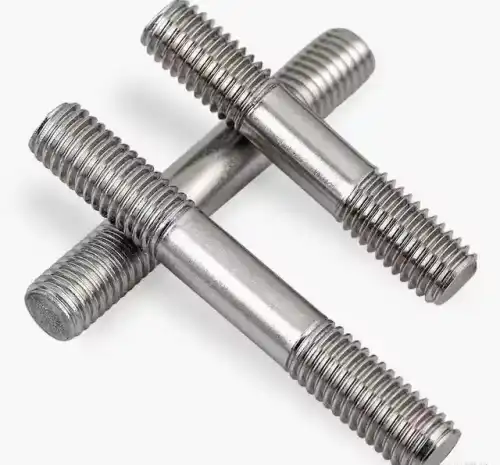
What Are Tantalum Studs and Their Key Properties?
Physical Characteristics of Tantalum Fasteners
Tantalum studs are precision-manufactured clasps created from hard-headed metal with momentous density—approximately 16.69 g/cm³—making them about twice as thick as steel. This significant mass contributes to dimensional soundness beneath weight and temperature fluctuations. The fabric shows an exceptionally high dissolving point of 2,996°C, in spite of the fact that common-sense applications in oxidising air ordinarily constrain benefit temperatures to around 250-300°C to prevent oxygen embrittlement. The coefficient of warm extension (6.3 µm/m·K) closely matches that of borosilicate glass, which clarifies why tantalum clasps exceed expectations in glass-lined reactor applications where warm bungles seem to cause disastrous seal disappointments.
Chemical Resistance Mechanisms
The exceptional corrosion resistance of tantalum studs stems from a stable, self-healing pentoxide (Ta₂O₅) passive layer that forms instantaneously on the surface when exposed to oxygen. This protective film remains intact even when subjected to boiling hydrochloric acid, sulphuric acid, and nitric acid below 150°C—conditions that would dissolve stainless steel within hours. Chemical processing plants handling pharmaceutical intermediates or petrochemical refineries dealing with sour crude benefit tremendously from this immunity to chemical attack. It bears mentioning that hydrofluoric acid and oleum (fuming sulphuric acid) represent the notable exceptions where tantalum shows vulnerability, requiring alternative materials like Hastelloy C-276 or specialised fluoropolymer coatings.
Material Grades and Standards Compliance
Commercial tantalum fasteners typically conform to two primary grades. The R05200 designation refers to electron beam vacuum arc cast, unalloyed tantalum offering maximum purity and ductility for applications requiring cold forming or welding. The R05252 grade contains 2.5% tungsten, which enhances ultimate tensile strength by approximately 30-50% without compromising corrosion resistance, making it preferable for high-stress mechanical applications. Both grades must comply with ASTM B365 standards for rod and wire, which control interstitial impurities—oxygen, nitrogen, carbon, and hydrogen—to prevent embrittlement that could lead to brittle fracture under cyclic loading. Medical-grade applications requiring biocompatibility reference ASTM F560 specifications, ensuring that the material meets stringent requirements for orthopaedic implants.
Advantages of Using Tantalum Studs in Corrosive Environments
Superior Corrosion Performance Compared to Alternatives
The execution preferences of tantalum studs become apparent when compared with conventional corrosion-resistant materials. Stainless steel combinations, counting 316L and duplex grades, endure setting and cleft erosion in chloride-rich situations over 60°C. Titanium latches, while excellent in resisting oxidising acids and seawater, are quickly damaged by less aggressive acids such as hydrochloric acid. Nickel-based superalloys, such as Hastelloy C-276, offer wide chemical resistance but at weights and costs drawing closer to tantalum, while still appearing confined to particular corrosive concentrations. Tantalum clasps maintain basic keenness over pH ranges from 0 to 14 in most mechanical scenarios, eliminating the vulnerability that comes with borderline material selections.
Chemical handling operations benefit significantly from this unwavering quality. A pharmaceutical producer working with glass-lined reactors detailed zero latch disappointments over a seven-year benefit period after exchanging to tantalum studs from coated steel latches that already required yearly substitution. The disposal of spontaneous support shutdowns deciphered to make strides in generation uptime and killed defilement dangers from eroded latch particles entering item streams.
Long-Term Economic Value
The beginning acquisition cost for tantalum studs regularly surpasses stainless steel by factors of 10-20, which naturally makes faltering among acquisition supervisors working within budget imperatives. A comprehensive lifecycle-fetched investigation uncovers a distinctive monetary picture. Chemical plants encounter diminished support recurrence, end-of-crisis shutdown costs, and amplified gear benefit life, which collectively balance the higher upfront investment.
The solidness calculation is especially important in applications where latch substitution requires broad dismantling or poses security dangers. Seaward oil stages, atomic offices, and aviation applications illustrate scenarios where latch openness and unwavering quality significantly influence fabric choice decisions.
Industry-Specific Applications Demonstrating Value
Aerospace manufacturers utilise tantalum studs in rocket engine components and hypersonic vehicle structures where extreme temperatures combine with oxidising combustion products. The defence sector relies on these fasteners for naval vessel components that are exposed to seawater and combustion gases. Chemical processing facilities employ them in reactor vessels, distillation columns, and heat exchangers handling aggressive media. Medical device manufacturers specify tantalum fasteners for surgical implants due to exceptional biocompatibility and osteoconductive properties that promote bone integration.
How to Select and Install Tantalum Studs for Optimal Performance?
Environmental Assessment and Material Selection
Proper fastener selection begins with comprehensive environmental analysis. Procurement engineers should document the specific corrosive agents present, including concentration ranges, operating temperatures, and exposure duration. Mechanical load calculations must account for tensile forces, shear stresses, vibration frequencies, and thermal cycling patterns. Material compatibility extends beyond the fastener itself to include gaskets, washings, and mating components to prevent galvanic corrosion where dissimilar metals contact in electrolyte solutions.
Procurement Criteria for Quality Assurance
Proficient acquisition of tantalum studs requires thorough quality control conventions. Chemical composition investigation utilising Glow Discharge Mass Spectrometry or Inductively Coupled Plasma strategies confirms purity levels, ordinarily 99.95% or 99.99%, while entirely checking interstitial components. Oxygen substance merits specific consideration, as abundant oxygen causes hardness increments and brittleness that compromise ductility. Dimensional and string gauging utilising accurate Go/No-Go gauges guarantees string profile compliance—critical since tantalum's delicateness makes it prone to string harm amid establishment. Microstructure examination affirms a uniform recrystallised grain structure per ASTM E112, guaranteeing steady mechanical properties throughout the bunch. Colour penetrant review uncovers surface imperfections like laps, creases, or microcracks that seem to start erosion or weariness disappointments.
Installation Best Practices
Tantalum's ductility presents both points of interest and challenges during establishment. The material's inclination toward galling—a frame of cold welding between strings beneath contact and pressure—requires particular countermeasures. Rolled strings outflank cut strings by work-hardening the surface and creating compressive residual stresses. Anti-seize compounds containing molybdenum disulfide or specialised PTFE-based greases avoid string seizure amid establishment and encourage future dismantling. Torque determinations ought to reference producer rules, as tantalum's lower versatile modulus compared to steel implies standard torque values may over-stress the latch. Controlled fixing groupings for multi-stud applications guarantee uniform stack conveyance and avoid gasket harm.
Maintenance and Inspection Protocols
Tantalum Studs require regular inspection intervals to monitor for signs of mechanical wear, chemical attack at welds or heat-affected zones, and galvanic corrosion where tantalum contacts dissimilar metals. Visual inspection supplemented by dye penetrant testing at scheduled maintenance intervals provides early warning of developing issues. Documentation of installation torque values, inspection dates, and environmental exposure history creates traceability that informs replacement decisions and validates service life predictions.
Comparing Tantalum Studs with Alternative Materials
Performance Matrix Across Corrosive Conditions
Material selection decisions benefit from systematic comparison across relevant performance dimensions. Stainless steel alloys offer good general corrosion resistance and moderate cost but fail in strong acids and high-chloride environments. Titanium fasteners excel in oxidising acids and marine applications, but cannot withstand reducing acids or temperatures above 290°C. Niobium shares some chemical similarities with tantalum at a lower cost but offers inferior corrosion resistance in several acids. Hastelloy C-276 provides excellent broad-spectrum chemical resistance but at 70% of tantalum's cost, while showing limitations in specific concentrated acid combinations.
The following comparison illustrates key differences:
Chemical Resistance: Tantalum demonstrates immunity to most acids and alkalis below 150°C, excluding HF and oleum. Stainless steel suffers pitting in chlorides above 60°C. Titanium fails rapidly in reducing acids. Hastelloy performs well but shows attack in certain hot, concentrated acid mixtures.
Temperature Capability: Tantalum operates at 250°C in air and 2,000°C in inert atmospheres. Stainless steel maintains strength to approximately 550°C. Titanium limits service to 290°C before accelerated oxidation begins. Hastelloy extends to 650°C in many environments.
Mechanical Strength: R05252 tantalum-tungsten alloy provides tensile strength around 280-380 MPa. Stainless steel 316 offers 515-620 MPa. Grade 5 titanium achieves 895-930 MPa. Hastelloy C-276 delivers approximately 690 MPa.
Cost Considerations: Tantalum commands premium pricing at 10-20 times stainless steel costs. Titanium typically runs 3-5 times that of stainless steel. Hastelloy ranges 5-8 times stainless steel pricing. Lifecycle analysis frequently favours tantalum despite higher acquisition costs due to extended service life and reduced maintenance.
Total Cost of Ownership Analysis
Procurement decisions for Tantalum Studs based solely on purchase price often overlook high operational costs. A chemical plant operating 24/7 experiences substantial revenue loss during unplanned shutdowns for fastener replacement. Labour costs for maintenance crews, crane rental, scaffolding, confined space entry procedures, and post-maintenance inspection add considerable expense. Tantalum's longevity eliminates or dramatically reduces these recurring costs. Environmental compliance costs associated with waste disposal of corroded fasteners and contaminated process fluids further tilt the economic balance toward higher-performance materials.
Procuring Tantalum Studs: What B2B Buyers Need to Know?
Supplier Qualification and Certification Verification
Sourcing high-quality tantalum fasteners demands a partnership with established suppliers, maintaining comprehensive quality management systems. Certifications from organisations like TUV Nord, PED 2014/68/EU, and classification societies including DNV, ABS, and Lloyd's Register demonstrate commitment to international standards. ISO 9001:2015 quality management certification provides confidence in consistent manufacturing processes, while ISO 14001:2015 environmental management and OHSAS 18001:2007 occupational health certifications indicate corporate responsibility.
Third-party inspection acceptance from agencies such as DNV, Bureau Veritas, SGS, Moody's, TUV, and others adds independent verification of material properties and dimensional accuracy. Suppliers should provide complete traceability documentation, including mill test certificates, chemical composition analysis, mechanical test reports, and dimensional inspection records for each production lot.
Procurement Logistics and Custom Manufacturing
Global B2B buyers should evaluate supplier capabilities across multiple dimensions. Minimum order quantities affect inventory carrying costs and procurement flexibility—suppliers offering reasonable MOQs accommodate diverse project scales. Lead time reliability proves critical for projects operating under tight construction schedules where fastener delays can idle entire installation crews. Custom manufacturing services enable specification of unique thread forms, lengths, or material grades tailored to application requirements.
Shipping logistics require careful coordination across international borders. Experienced suppliers maintain established relationships with freight forwarders, handle export documentation, and provide packaging that protects soft tantalum surfaces from damage during transit. Comprehensive datasheets, which include material certifications, dimensional drawings, torque specifications, and chemical resistance data, help with engineering reviews and quality audits.
After-Sales Support and Technical Consultation
Access to knowledgeable technical support distinguishes premium suppliers from commodity vendors. Engineering consultation during material selection ensures optimal performance in specific applications. Installation guidance prevents costly mistakes that could compromise fastener integrity. Troubleshooting assistance when unexpected issues arise maintains project momentum. OEM services provide private labelling and custom packaging for distributors and equipment manufacturers. This comprehensive support structure creates partnerships rather than transactional relationships, delivering value beyond the physical product.
At LINHUI TITANIUM, we recognise that procuring specialised materials like tantalum studs involves technical complexity and significant investment. Our team brings decades of experience serving the oil, gas, chemical processing, aerospace, and maritime industries across more than 60 countries. We maintain extensive certifications, including PED, API, ISO, and classification society approvals from DNV, ABS, CCS, GL, BV, BSI, and Lloyd's Register, ensuring our products meet the most stringent international standards.
Conclusion
Tantalum studs deliver unmatched performance in corrosive environments where conventional fasteners face rapid degradation and failure. Their exceptional chemical resistance, high-temperature stability, and mechanical reliability make them indispensable for critical applications across chemical processing, aerospace, energy, and medical sectors. While initial costs exceed alternative materials, comprehensive lifecycle analysis consistently demonstrates superior total cost of ownership through extended service life, reduced maintenance frequency, and elimination of catastrophic failure risks. Procurement success depends on partnering with qualified suppliers offering certified products, technical expertise, and reliable global logistics. As industries continue pushing operational boundaries with more aggressive chemicals, higher temperatures, and extended maintenance intervals, tantalum fasteners will remain the benchmark for reliability in the most demanding environments.
FAQ
Why does tantalum exhibit superior corrosion resistance compared to stainless steel?
Tantalum forms an extraordinarily stable, self-healing pentoxide passive layer (Ta₂O₅) that remains intact even in boiling concentrated acids. This oxide film possesses chemical inertness comparable to glass, whereas stainless steel's chromium oxide layer breaks down in chloride-rich or reducing acid environments, leading to pitting and crevice corrosion.
Can tantalum studs be used in high-temperature applications?
Tantalum maintains mechanical integrity at extreme temperatures—melting at 2,996°C—but practical use in air limits service to approximately 250-300°C to prevent oxygen diffusion that causes embrittlement. Applications requiring higher temperatures must operate in vacuum or inert atmospheres where tantalum performs reliably to 2,000°C.
How can buyers verify the authenticity of a tantalum fastener before purchase?
Request comprehensive mill test certificates, including chemical composition analysis via GDMS or ICP methods, mechanical property test results per ASTM B365, dimensional inspection reports, and third-party certification from recognised inspection agencies. Reputable suppliers provide complete traceability documentation with each order, including heat numbers linking fasteners to specific production batches.
Partner with LINHUI TITANIUM for Premium Tantalum Studs
LINHUI TITANIUM stands ready to support your most demanding corrosive environment applications with certified tantalum studs manufactured to exacting international standards. As a leading tantalum studs supplier with over two decades of experience, we have delivered hundreds of thousands of tons of high-performance materials to major energy companies, including CEFC, PTT, PDVSA, PETROECUADOR, PPL, KOC, and PEMEX across North America, South America, the Gulf region, Africa, and Southeast Asia. Our comprehensive quality management system holds PED 2014/68/EU certification, TUV Nord AD2000-W0 approval, and classification society certifications from DNV, ABS, CCS, GL, BV, and Lloyd's Register. We offer customised manufacturing services, flexible order quantities, and global shipping to more than 60 countries. Contact our technical specialists at linhui@lhtitanium.com for application consultation, detailed specifications, or customised quotations tailored to your project requirements.
References
1. Davis, J.R. (2000). Corrosion of Refractory Metals: Tantalum, Niobium, and Their Alloys. ASM International Materials Properties Handbook Series, Materials Park, Ohio.
2. American Society for Testing and Materials (2019). ASTM B365-19: Standard Specification for Tantalum and Tantalum Alloy Rod and Wire. ASTM International, West Conshohocken, Pennsylvania.
3. Penrice, T.W. (1992). "Corrosion Resistance of Tantalum and Its Alloys." Corrosion Engineering Handbook, edited by P.A. Schweitzer, Marcel Dekker Inc., New York, pp. 567-592.
4. Cardonne, S.M., Kumar, P., Michaluk, C.A., and Schwartz, H.D. (1995). "Tantalum and Its Alloys." International Journal of Refractory Metals and Hard Materials, Volume 13, Issue 4, pp. 187-194.
5. Miller, G.L. (1959). Tantalum and Niobium: Chemistry and Technology. Butterworths Scientific Publications, London, United Kingdom.
6. European Pressure Equipment Directive (2014). PED 2014/68/EU Compliance Requirements for Refractory Metal Fasteners in Corrosive Service. Official Journal of the European Union, Brussels, Belgium.