
China, Europe, and North America are well-known sellers of aircraft titanium tubes. Chinese companies, such as LINHUI TITANIUM, are becoming competitive suppliers of aerospace-grade titanium products. Leading suppliers offer high-strength Titanium Pipe For Aerospace engines, spaceship structures, and hydraulic systems in the flight industry. These suppliers have advanced production skills, full licenses, and a history of providing high-quality products. Aerospace companies worldwide increasingly rely on specialized titanium alloy pipe suppliers to meet their stringent performance requirements. The business world needs materials that can handle high and low temperatures, don't rust, and keep their shape under a lot of stress. Over the past 20 years, Chinese titanium makers have greatly increased their abilities by building high-tech factories with cutting-edge processing technologies such as cold pilger rolling, autogenous welding, and precise heat treatment systems.
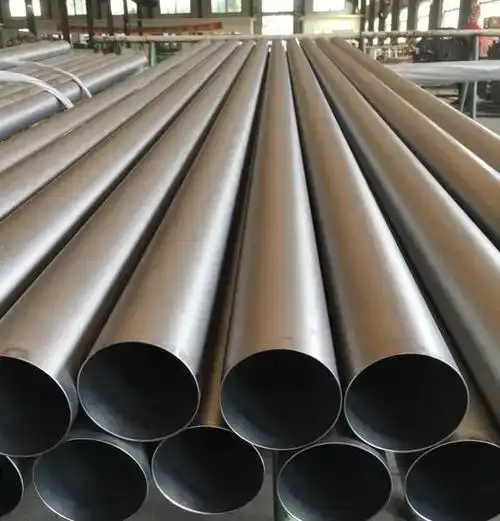
Manufacturing Excellence: China's Aerospace Titanium Production Advantages
Advanced Production Infrastructure
Chinese factories that make titanium pipes use cutting-edge tools that were made especially for use in spacecraft. Modern production lines use automatic quality control systems to make sure that all titanium seamless pipe products have the same exact dimensions and metal properties. LINHUI TITANIUM has two specialized plants with 30 production lines. They can make 800 tons of aerospace tubing every year while strictly following aerospace tube standards.
Cost-Effective Manufacturing Solutions
China's combined supply chain makes it much easier to get raw materials and make things more efficiently. Nearby titanium sponge factories and providers of specific alloys help manufacturers save money on materials and cut down on wait times. This unified method lets prices be competitive without lowering the quality standards needed for aircraft structure parts.
Skilled Technical Workforce
Chinese companies that make aircraft titanium hire mechanical engineers and quality control experts who are highly skilled and have a lot of experience making precision titanium tubes. Technical teams are constantly trained in international aircraft standards to make sure they meet AS9100, NADCAP, and other important approval needs.
Comprehensive Supplier Evaluation Framework
Production Capability Assessment
Check out possible providers based on how much they can make, how advanced their equipment is, and how well they can handle different order amounts. Look for companies that have more than one production line that can make different types of titanium metal at the same time. Check to see if they can be scaled up to meet the needs of both small prototypes and large-scale production for aircraft lightweight tubes.
Quality Management System Verification
Check out the supplier's quality control methods, testing skills, and ways of keeping records for Titanium Pipe For Aerospace. Manufacturers you can trust have full traceability systems that keep track of materials from the raw titanium all the way through to the final inspection. Check to see if they can do important tests like eddy current testing, ultrasound inspection, and validate the material properties of fatigue-resistant titanium metal goods.
Technical Expertise Evaluation
Check to see what kind of technical support the provider offers, such as help with planning, advice on choosing materials, and suggestions for improving the process. Expert providers can give useful advice on how to solder titanium pipes, the right way to heat treat them, and how to finish the outside of them so they are ready for use in specific aircraft applications.
Supply Chain Reliability Analysis
Find out how stable the provider is at getting raw materials, how they handle their goods, and how well they've delivered in the past. Reliable sellers keep strategic stocks of materials and have built relationships with multiple titanium sponge makers to make sure that aircraft material certification-compliant materials are always available.
Customer Reference Verification
Talk to current customers to find out how well the company has done in similar situations. Pay attention to aerospace OEMs, tier-one suppliers, and EPC companies that have worked with the company's heat-resistant titanium tubing goods before. Look at the comments about how consistent the quality is, how reliable the delivery is, and how quickly the technical help is to respond.
Geographic Proximity and Logistics
Think about where the provider is located in relation to your business and how well they can handle transportation. Check out their shipping choices, how they package their items, and how quickly they can send when needed. Check to see how much experience they have with the rules and paperwork that come with shipping aircraft pipe parts internationally.
Financial Stability Assessment
Check out the supplier's finances, how long they've been in business, and how much they've invested in new technology. Stable providers show steady income growth, ongoing building changes, and long-term strategy planning that helps them stay in the aircraft fluid transport market.
Critical Certification Requirements for Aerospace Applications
International Quality Standards
Suppliers of titanium for the aerospace industry must keep their AS9100 approval, which shows that they follow aircraft quality control systems. This standard makes sure that the processes of planning, development, production, installation, and service are strictly controlled. Other standards include ISO 9001:2015, which is a basic quality control system needed to make corrosion-resistant titanium pipes.
Material Specifications Compliance
Important material standards must be met by suppliers. These include AMS 4928 for smooth Titanium Pipe For Aerospace, ASTM B338 for titanium and titanium alloy pipes, and MIL-T-9046 for military aircraft uses. These rules spell out the chemical makeup, mechanical qualities, and size ranges that aircraft structure parts must meet.
Special Process Certifications
The National Aerospace and Defense Contractors Accreditation Program (NADCAP) certifies certain methods, such as heat treatment, welding, and non-destructive testing. These certifications make sure that suppliers keep the right tools, methods, and staff with the right credentials for important aircraft manufacturing processes.
Environmental and Safety Compliance
Modern aircraft suppliers keep up with OHSAS 18001 health and safety standards at work and ISO 14001 environmental management approval. These certificates show that a company cares about using safe and environmentally friendly methods to make things, which are two things that are becoming more and more important in the aircraft supply chain.
Strategic Sourcing Channels and Platform Selection
Direct Manufacturer Engagement
Getting in touch directly with factories that make titanium pipes gives you the most control over quality, service, and price. Direct involvement makes it possible to create unique solutions, work together on technical issues, and communicate more clearly when aircraft needs are complicated. This method works really well for manufacturing large amounts of precision titanium tubes that need to meet very tight size requirements.
Specialized Trading Companies
Companies that trade in titanium and have been in business for a while can provide useful services like checking the quality of the goods, coordinating transportation, and managing inventory. These middlemen usually work with more than one maker, which gives them the freedom to get different metal grades and specs for a wide range of aircraft corrosion protection uses.
Industry Trade Exhibitions
At aerospace trade shows, you can look at examples of products from different sources and talk to people face-to-face about your technical needs. Leading titanium pipe providers attend major shows, which lets them get a full picture of the market and meet possible business partners.
Digital B2B Platforms
Online tools make it easier to find and qualify suppliers at the start. But aerospace users need more than just online profiles to be sure of a company's capabilities. These include building audits, sample tests, and checking references to make sure the company can make lightweight aircraft materials.
Optimizing OEM and ODM Partnership Strategies
Technical Collaboration Framework
For OEM relationships to work, there must be clear technical needs, quality standards, and performance standards. Set up specific material standards, limits for size, and testing procedures for your aircraft uses. Come up with ways to protect intellectual property and deals that keep secret ideas and methods safe.
Development Timeline Management
Align development plans with what suppliers can do, leaving enough time for choosing materials, making prototypes, and trying them to make sure they work. When setting project goals for titanium pipe cutting and finishing, you should think about when certifications and approvals need to be done.
Quality Control Integration
Set up combined quality tools that let you see the progress of output and quality data in real time. Set up checking processes, acceptance criteria, and corrective action procedures to make sure that Titanium Pipe For Aerospace aircraft lightweight tubing is always delivered in a way that meets the requirements of the specifications.
Effective MOQ Negotiation and Pricing Strategies
Volume-Based Pricing Analysis
Titanium pipe prices vary a lot depending on how much you buy, the metal grade, and the size requirements. Look at the total cost of ownership, which includes the cost of materials, processing fees, testing costs, and shipping costs. Think about making yearly number agreements that allow you to get better prices on military tubing that always meets standards.
Flexible Ordering Arrangements
Talk about blanket purchase orders with planned releases that work with your needs for planning output. This method keeps prices stable while keeping supplies flexible to adapt to changing demand patterns in aircraft structural components uses.
Payment Terms Optimization
Set payment terms that balance the need for cash flow with the goals of the provider relationship. For big sales that need a lot of material expenses and longer production processes, you might want to think about lines of credit, advance payments, or longer terms.
Comprehensive Factory Audit and Quality Assurance Guidelines
Facility Infrastructure Assessment
During site checks, look at how old the industrial equipment is, how it is maintained, and how much of its capacity is being used. Check the external settings, like temperature, humidity, and ways to keep pollution from happening, which are very important for making accurate titanium tubes. Review the ways that materials are handled, stored, and managed in order to make sure that they can be tracked.
Process Control Evaluation
Look at the controls for the industrial process, such as how to use statistical process control, real-time tracking tools, and methods for corrective action. Check the calibration programs for measuring and testing tools that are used to make and check fatigue-resistant titanium metal.
Personnel Qualifications Review
Check the credentials of the expert staff, their training records, and the ways they keep their certifications up to date. Check the credentials of the welding operator, the quality tester, and the metallurgical engineer to make sure they meet the standards for aircraft material approval.
Documentation System Analysis
Look over methods for keeping track of quality documents, such as material certificates, test results, and records of where things came from. Check out the policies, controls, and backup methods for keeping important quality documents for aircraft fluid transport for a long time.
Leading Supplier Characteristics for 2025 Market Leadership
Digital Manufacturing Integration
Industry 4.0 technologies, such as digital quality management platforms, automatic production tracking systems, and predictive repair systems, are used by the best aircraft titanium providers. These features allow for real-time production optimization and better quality stability for use with heat-resistant titanium tubes.
Sustainability Leadership
Leading providers show they care about the environment by having recycling programs, making their factories more energy-efficient, and starting projects to lower their carbon footprint. As OEMs try to meet environmental goals and follow the rules, sustainable practices are having a bigger impact on the decisions made in the aircraft supply chain.
Innovation and Development Capabilities
research and development programs that improve titanium metal technologies, working methods, and solutions that are made to fit specific needs. These efforts help meet the needs of the next age of aircraft, such as integrating additive production and developing new alloys.
Global Service Networks
Successful sellers set up foreign service networks that offer technical help, warehouse management, and organization of transportation on a local level. Because they are present all over the world, they can provide quick customer service and shorten wait times for aircraft pipe fittings and other related parts.
Conclusion
To find the best Titanium Pipe For Aerospace for aircraft uses, you need to look at their production skills, quality systems, licenses, and service levels. Chinese companies like LINHUI TITANIUM have become trusted partners by putting a lot of money into technology, quality systems, and getting foreign certifications. To be successful, you need to carefully evaluate suppliers, be clear about your technology needs, and build smart partnerships that focus on long-term teamwork over short-term cost savings.
FAQ
Q: What certifications should aerospace titanium pipe suppliers maintain?
A: Essential certifications include AS9100 for aerospace quality management, NADCAP for special processes, ISO 9001 for general quality systems, and material-specific approvals like AMS 4928 and ASTM B338. Suppliers should also maintain PED certification for pressure applications and relevant classification society approvals.
Q: How do Chinese titanium suppliers compare to Western manufacturers in terms of quality?
A: Leading Chinese suppliers like LINHUI TITANIUM demonstrate comparable quality standards through international certifications, advanced equipment, and rigorous quality control systems. Many Chinese manufacturers serve major aerospace OEMs globally and maintain the same stringent standards required for critical applications.
Q: What factors influence titanium pipe pricing for aerospace applications?
A: Pricing depends on alloy grade, dimensional specifications, quantity, processing requirements, testing needs, and delivery timelines. Ti-6Al-4V ELI grades command premium pricing due to enhanced properties, while seamless pipes cost more than welded alternatives due to manufacturing complexity.
Partner with LINHUI TITANIUM for Superior Aerospace Solutions
LINHUI TITANIUM stands as your trusted titanium pipe for aerospace manufacturer, combining 21 years of industry expertise with cutting-edge manufacturing capabilities. Our two state-of-the-art factories and 800-ton annual capacity ensure reliable supply for your most demanding applications. With comprehensive ISO/SGS/TUV certifications and global logistics networks, we deliver aerospace-grade titanium solutions meeting the strictest quality standards. Ready to elevate your aerospace projects? Contact us at linhui@lhtitanium.com for personalized consultation and competitive quotes.
References
1. American Society for Testing and Materials. "ASTM B338-21 Standard Specification for Seamless and Welded Titanium and Titanium Alloy Tubes for Condensers and Heat Exchangers." ASTM International, 2021.
2. Aerospace Material Specification Committee. "AMS 4928N: Titanium Alloy Tubing 6Al-4V Annealed Seamless." SAE International, 2019.
3. International Aerospace Quality Group. "AS9100D: Quality Management Systems - Requirements for Aviation, Space and Defense Organizations." IAQG, 2016.
4. National Aerospace and Defense Contractors Accreditation Program. "AC7004/7 Heat Treating Industry Handbook." Performance Review Institute, 2020.
5. Boyer, Rodney R. "An Overview on the Use of Titanium in the Aerospace Industry." Materials Science and Engineering: A, vol. 213, no. 1-2, 1996.
6. Williams, John C., and Edgar A. Starke Jr. "Progress in Structural Materials for Aerospace Systems." Acta Materialia, vol. 51, no. 19, 2003.