
Picking the right type of titanium rectangular tube is an important engineering choice that has a direct effect on how well the project works, how long it lasts, and how much it costs. Titanium alloys come in grades 5 (Ti-6Al-4V) through 9 (Ti-3Al-2.5V), and available pure titanium grades range from Grade 1 to Grade 4. Engineers must carefully look at the alloys' mechanical qualities, resistance to corrosion, and needs for each application. In structural applications, the rectangular shape is clearly better than round tubing because it provides better mounting surfaces and better load distribution while still keeping titanium's high strength-to-weight ratio and resistance to corrosion.
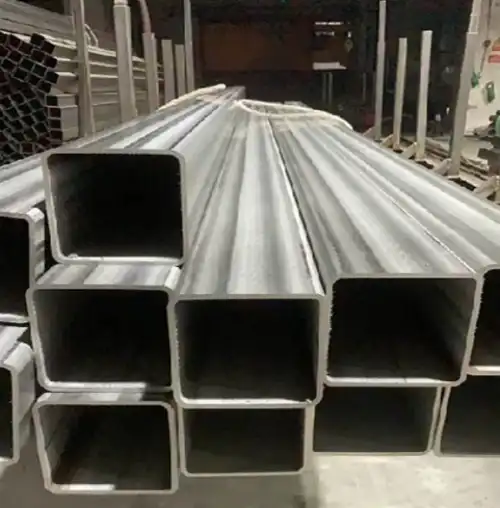
Understanding Titanium Rectangular Tube Grades
The way the titanium rectangular tube is categorized is based on well-known ASTM guidelines. Each grade has its own special features made for specific industry uses. By understanding these differences, engineers can choose materials that will work best for the job while keeping costs low.
Commercially Pure Titanium Grades
Grade 1 titanium is the lightest and most malleable choice. It is made up of 99.5% pure titanium and very few alloying elements. This grade is great for places that need the most shapeability and protection from corrosion. It works great in chemical handling equipment and marine settings. The material has a tensile strength of about 240 MPa and great elongation qualities, which means it can be formed in complicated ways without cracking. When it comes to economically pure titanium, Grade 2 is the workhorse. It has the best mix of strength and corrosion protection. This grade is used a lot in aircraft structural parts, heat exchanges, and medical devices because it has a tensile strength of 345 MPa. Although it can still be welded well, the material is more resistant to chloride conditions than stainless steel options. When it comes to widely pure types of titanium, Grade 4 has the most strength, with tensile forces of up to 550 MPa and great resistance to corrosion. This type is especially useful for high-stress situations where weight reduction is very important, like in offshore drilling tools and pressure vessel parts.
Titanium Alloy Grades
Grade 5 (Ti-6Al-4V) is the most common titanium metal. It is made up of 6% aluminum and 4% vanadium, which gives it great strength-to-weight ratios. This alpha-beta alloy has great mechanical qualities for use in aircraft, cars, and factories. Its tensile strengths are higher than 895 MPa. This substance is very good at resisting tiredness and keeping its shape over a wide range of temperatures. Grade 9 (Ti-3Al-2.5V) is an alloy that is between Grade 5 and commercially pure titanium in terms of strength. According to the manufacturer, this alpha-beta metal is stronger than Grade 2 and easier to shape than Grade 5. These benefits make the material especially useful for things like bicycle frames and sports goods that need to be strong and easy to shape.
How to Choose the Right Titanium Rectangular Tube Grade for Your Project
To choose the best titanium grade, you need to carefully look at a lot of different things, such as the material's mechanical needs, its surroundings, and how it will be processed. To meet project goals, engineers have to find a balance between performance requirements and the cost and availability of materials.
Mechanical Property Evaluation
When choosing types of titanium rectangular tubes, load-bearing needs are the most important thing to think about. Grade 5 or Grade 9 alloys are better than widely pure choices for uses where there is a lot of stress. They have higher tensile and yield values. However, projects that focus on impact protection might choose Grade 2 titanium because it is more flexible and can absorb more energy. When repetitive loading is used, fatigue performance is very important; titanium rectangular tubes and Grade 5 titanium have very high durability limits. Because the alpha-beta architecture stops cracks from starting and spreading, it can be used in machinery that spins and structures that vibrate. Grade 2 titanium is cheaper than grade 1 titanium and has enough wear strength for moderate-duty uses.
Environmental Considerations
Corrosive settings have a big effect on grade choice, especially in chemical processes and marine uses. Because they are pure and don't make oxides easily, Grades 1 and 2 titanium are the most resistant to rust. These kinds can stand up to chlorides, organic acids, and reactive media that would quickly wear down other types of stainless steel. The choice of material is affected by the temperature. Commercially pure grades stay stable up to 315°C (600°F) in air. Grade 5 titanium can handle temperatures up to 400°C (750°F) and still maintain its mechanical qualities. This makes it ideal for high-temperature uses like heat treatment tools and exhaust systems.
Fabrication Requirements
When choosing a grade, welding is important because commercially pure titanium grades are easier to weld than mixed grades. Grade 2 titanium is easy to weld using standard methods, and it doesn't need to be heated after the welding process. To get the best joint qualities, grade 5 titanium needs stricter welding methods and may need stress release treatments. Different grades have very different machinability properties, with commercially pure choices making cutting and shaping tasks easier. Because it work-hardens easily and doesn't conduct heat well, Grade 5 titanium needs special tools and cutting settings.
Titanium Rectangular Tube Grades vs. Other Materials
When you compare titanium to other materials, you can see that it has special benefits in tough situations where other materials only do okay. Engineers can make decisions about which materials to use based on lifetime benefits when they understand these differences in performance.
Strength-to-Weight Performance
Titanium cylindrical tubes have better strength-to-weight ratios than carbon steel, aluminum, and stainless steel options. Grade 5 titanium is about the same strength as high-strength steel but weighs about 45% less. This means that aerospace and automobile uses can save a lot of weight. More fuel economy, more payload space, and better performance are all benefits of making this vehicle lighter. Even though aluminum alloys are lighter than titanium, they are not as strong as titanium types. Grade 2 titanium has the same tensile strength as 6061-T6 aluminum, but it is more resistant to rust and stays stable at higher temperatures. When used in marine settings, where metal can rust from galvanic corrosion, the lasting benefit stands out even more.
Corrosion Resistance Comparison
Titanium's passive oxide layer protects against rust better than stainless steel does in chloride settings. In seawater uses, 316L stainless steel may experience pitting corrosion, but titanium types will always have a smooth surface. This resistance to rust means that it doesn't need to be maintained, and the service life is extended. This makes up for the higher starting material costs by lowering the total cost of ownership over time. To keep carbon steel from rusting, it needs to be coated with protective materials and maintained regularly. This adds to the costs and downtime of operations. Titanium rectangular tubes don't have to meet these standards, and they also have better mechanical qualities, which makes them cost-effective for important uses even though they cost more up front.
Lifecycle Cost Analysis
Total cost of ownership figures often show that titanium is better than other materials, even though it costs more at first. Longer service life, less maintenance, and less weight all add up to practical benefits that support the higher prices of premium materials. Offshore oil stations that use titanium parts say that their repair times are 300–50% longer than those that use coated steel. Titanium's resistance to rust makes it especially useful in the energy sector. For example, heat exchanger tubes made of titanium last 20 to 30 years, while copper-nickel options only last 5 to 7 years. Over the lifetime of a project, the lower frequency of replacements and repair downtime saves a lot of money.
Procuring Titanium Rectangular Tubes: What Engineers and Purchasing Managers Need to Know
To successfully buy titanium rectangular tubes, you need to know how the market works, what the seller can do, and what the quality assurance standards are. Building ties with qualified manufacturers guarantees steady access to materials and expert help throughout the entire lifecycle of a project.
Supplier Selection Criteria
Quality certificates are one of the most important things that titanium sellers must have in order to be considered. The ISO 9001:2015 certification shows basic quality management skills, while certifications specific to the business, like AS9100 for aircraft and ISO 13485 for medical, show more advanced skills. The PED 2014/68/EU approval shows that the equipment meets European standards for pressure equipment, which is important for use in the energy sector. The ability to manufacture has a big effect on the quality of the product and how well it is delivered. Suppliers with more than one production line can meet immediate needs and give you more planning options. Vacuum arc remelting (VAR) makes sure that the material is pure and consistent, which is important for tough uses. Commitment to quality assurance is shown by the use of advanced testing facilities, such as hydraulic pressure testing and eddy current inspection.
Supply Chain Considerations
Depending on the grade, size, and amount needed, lead times for titanium rectangular tubes usually run from 15 to 45 days. Standard grades, like Grades 2 and 5, are easier to find than unique metals, which means that delivery times are quicker. By making framework deals with qualified providers, you can give them priority during times of high demand. Inventory adaptability is important for keeping track of project plans and lowering costs. Suppliers that offer cut-to-length services and just-in-time delivery help customers keep materials on hand while lowering the costs of keeping stockpiles. With global logistics skills, deliveries to foreign project areas can be made quickly, and customs clearance and paperwork needs can be taken care of.
Quality Assurance Requirements
Each package must come with material approval paperwork that includes chemical analysis, mechanical property testing, and dimensional proof. For very important uses, having a third party like DNV, SGS, or TUV check the product adds to the quality guarantee. Traceability systems that use QR codes or heat-sealed numbers make it possible to keep track of everything from the raw materials to the finished installation. Different applications have different testing needs. For example, the titanium rectangular tubes pressure tank parts need to be hydrostatically tested and non-destructively examined. Biocompatibility approval and surface finish verification are needed for medical uses. AS9100 quality standards and recording of material properties must be met by aerospace components.
Best Practices for Handling and Maintaining Titanium Rectangular Tubes
When handling and maintaining titanium rectangular tubes the right way, they work better and last longer. They also stay clean and don't get damaged during installation or use.
Storage and Handling Procedures
Because titanium is reactive, it needs to be stored carefully so that it doesn't get contaminated, which could weaken its resistance to rust and mechanical qualities. Things should stay in their original boxes until they are ready to be used, and anti-static foam should be used to keep the surfaces from getting scratched. Cross-contamination from carbon steel or other materials that could cause galvanic rusting can't happen when materials are stored in separate places. Handling tools should not come into contact with titanium surfaces because they contain iron bits that could be embedded in carbon steel tools. Moving and putting things in place can be done safely with tools made of metal or stainless steel. People who work with titanium parts should always wear clean gloves to keep oil and salt from getting on them and starting crevice rust.
Installation Guidelines
For titanium welding, inert gas protection is needed to keep the atmosphere from getting contaminated during heating processes. By cleaning both the root and face sides with argon, you can be sure that the weld layers are clean and free of nitrogen and oxygen. Surface contaminants that could affect the quality of the weld can be removed by pre-cleaning with the right chemicals. To keep work from hardening and heat-affected zones from forming, cutting processes should use sharp tools and the right speeds. With waterjet or laser cutting, the edges are clean, and there are no heat effects. With traditional grinding, you need carbide tools and the right kind of oil to get a good surface finish.
Maintenance Strategies
Titanium parts should be cleaned in a gentle ways titanium rectangular tubes that keep the surface's structure. Mild soaps and soft brushes can get rid of surface buildup without hurting. Do not use chlorine liquids or rough cleaners on the protective oxide layer. Checklists for inspections should look for signs of harm, rust, or wear. Titanium is very resistant to corrosion, but galvanic pairing with metals that are not the same can cause limited attack. Checking joints and links on a regular basis makes sure that problems are found early, before they damage the system.
Conclusion
When choosing the right types of titanium rectangular tubes, you need to think carefully about the mechanical needs, the surroundings, and the cost. Engineers need to weigh the pros and cons of widely pure grades that offer the best corrosion protection and titanium alloys that offer the best strength. Understanding the skills of suppliers and the quality assurance standards is important for successful procurement. Handling and maintaining items in the right way will also make sure they work at their best for as long as they are used. Titanium rectangular tubes are an investment that pays off in the long run because they require less upkeep, last longer, and perform better in hard situations where other materials fail.
FAQ
1. What are the key differences between titanium rectangular tube grades?
Chemical makeup and the mechanical qualities that come from it are the main differences. Commercially pure grades (1-4) give the best protection against corrosion and range in strength, while grades 5 through 9 of titanium alloys add aluminum and vanadium to make them stronger. Grade 2 is a good mix between resistance to corrosion and average strength. Grade 5 is the strongest and is best for high-stress situations.
2. How does titanium rectangular tubing compare to stainless steel in marine environments?
Titanium is better at resisting rust in chloride settings; its surface stays intact forever, while stainless steel can get pitting corrosion. Compared to stainless steel, it saves about 45% of weight, which is another benefit for naval buildings. Total lifetime costs often favor titanium, even though it costs more at first, because it doesn't need as much upkeep and lasts longer.
3. What certifications should I look for when procuring titanium rectangular tubes?
For quality management, ISO 9001:2015 is an important certification. Other important certifications include AS9100 for aircraft uses or PED 2014/68/EU for pressure equipment. Chemical research, tests of mechanical properties, and dimensional proof should all be part of material certifications. Third-party inspection by reputable organizations adds to the quality guarantee for important apps.
4. Can titanium rectangular tubes be welded and machined easily?
Commercially pure grades can be welded very well using normal inert gas methods. Alloy grades, on the other hand, need stricter limits and may need to be heated after the welding process. Different grades have different machinability properties, with commercially pure choices making cutting tasks easier. Because it tends to work-harden, Grade 5 titanium needs special tools and cutting settings.
Partner with LINHUI TITANIUM for Your Engineering Projects
LINHUI TITANIUM is a reliable company that makes titanium rectangular tubes. They offer precision-engineered solutions that go above and beyond industry standards in the chemical processing, aircraft, and energy sectors. Our wide range of grades, from commercially pure Grade 2 to high-strength Grade 9 metals, makes sure that we can match the right material to your needs. With two dedicated plants, 30 specialized production lines, and an annual capacity of more than 800 tons, we can ensure stable supply chains and 15-day lead times that are the best in the business. Email our engineering team at linhui@lhtitanium.com to talk about the details of your project and find out why global companies like PETRONAS, Boeing, and Siemens have been relying on our skills for more than 20 years.
References
1. ASTM International. "Standard Specification for Seamless and Welded Titanium and Titanium Alloy Tubes for Condensers and Heat Exchangers." ASTM B338-18.
2. Boyer, R., Welsch, G., and Collings, E.W. "Materials Properties Handbook: Titanium Alloys." ASM International, Materials Park, Ohio, 1994.
3. Donachie, Matthew J. "Titanium: A Technical Guide, 2nd Edition." ASM International Technical Books, Materials Park, Ohio, 2000.
4. Lutjering, Gerd and Williams, James C. "Titanium: Engineering Materials and Processes, 2nd Edition." Springer-Verlag Berlin Heidelberg, 2007.
5. Schutz, R.W. and Thomas, D.E. "Corrosion of Titanium and Titanium Alloys." Metals Handbook, 9th Edition, Volume 13, Corrosion, ASM International, 1987.
6. Peters, M., Kumpfert, J., Ward, C.H., and Leyens, C. "Titanium Alloys for Aerospace Applications." Advanced Engineering Materials, Volume 5, Issue 6, 2003.