
While both orthodontic and medical titanium wires share the same base material, their applications and specifications differ significantly. Medical titanium wire encompasses a broader category of biocompatible titanium products designed for various surgical and implant applications, including orthopedic fixation, cardiovascular stents, and surgical sutures. Orthodontic wire represents a specialised subset, specifically engineered for dental applications with unique flexibility and force-delivery characteristics. Understanding these distinctions helps medical professionals and procurement teams select the appropriate titanium wire for their specific clinical requirements.
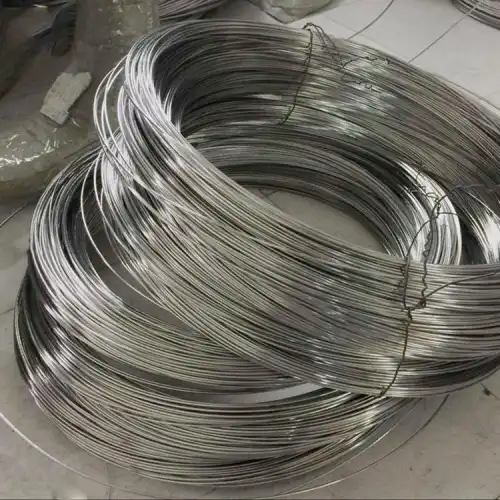
Fundamental Material Composition and Standards
Medical titanium wire typically utilises Grade 1, Grade 2, or Grade 4 commercially pure titanium, conforming to ISO 5832-2 and ASTM F67 standards. These grades offer exceptional biocompatibility and corrosion resistance in physiological environments. The tensile strength ranges from 240 to 550 MPa, depending on the grade selected.
Orthodontic titanium wire commonly employs titanium-molybdenum alloys or beta-titanium formulations. These specialised alloys provide a lower elastic modulus (approximately 69 GPa compared to 105 GPa for stainless steel) while maintaining adequate strength. The composition allows for consistent force delivery during tooth movement.
Manufacturing processes differ substantially between these applications. Medical-grade wire undergoes stringent quality control protocols, including comprehensive mechanical testing and biocompatibility verification. Orthodontic wire production focuses on achieving precise diameter tolerances and consistent spring properties throughout the wire length.
Key composition differences include:
- Alloy formulation - pure titanium versus specialised dental alloys
- Mechanical property requirements - strength versus flexibility priorities
- Manufacturing tolerances - surgical precision versus orthodontic consistency
- Surface treatment protocols - sterilisation compatibility versus oral environment resistance
If you need maximum biocompatibility for implant applications, then medical-grade titanium wire proves more suitable. If you require consistent orthodontic force delivery, then specialised orthodontic titanium wire better serves your needs.
Mechanical Properties and Performance Characteristics
Strength characteristics vary considerably between these wire types. Medical titanium wire demonstrates superior tensile strength, often exceeding 800 MPa in titanium alloy configurations. This high strength supports demanding applications, such as orthopedic fixation and surgical instrumentation, where mechanical failure poses significant risks.
Orthodontic titanium wire prioritises flexibility and shape memory properties. The lower elastic modulus enables controlled tooth movement while minimising patient discomfort. Fatigue resistance becomes crucial as orthodontic appliances undergo millions of loading cycles during treatment.
Testing data reveals significant performance variations:
- Medical wire: Tensile strength 800-1200 MPa, Elongation 10-15%
- Orthodontic wire: Tensile strength 500-700 MPa, Elongation 15-25%
- Elastic modulus: Medical 105-110 GPa, Orthodontic 69-85 GPa
- Fatigue cycles: Medical >10^7 cycles, Orthodontic >5x10^6 cycles
Wire diameter specifications also differ significantly. Medical applications often require smaller diameters (0.1-0.5mm) for minimally invasive procedures. Orthodontic applications utilize standardized dimensions ranging from 0.012 to 0.021 inches to achieve predictable force systems.
If you need maximum mechanical strength for surgical procedures, then medical titanium wire offers superior performance. If you require precise force control for dental movement, then orthodontic titanium wire provides optimal characteristics.
Clinical Applications and Specialised Uses
Medical titanium wire serves diverse surgical specialties, including cardiovascular, orthopedic, and general surgery applications. Surgeons utilise these wires for vessel ligation, bone repair, and soft tissue approximation. The material's hypoallergenic properties make it ideal for patients with metal sensitivities.
Cardiovascular applications demand exceptional corrosion resistance and thrombogenic properties. Medical titanium wire maintains stability in blood contact while supporting critical surgical procedures. Orthopedic applications leverage the material's osseointegration capabilities for bone repair and fixation.
Orthodontic applications focus exclusively on dental movement and bite correction. Wire-bending characteristics enable complex tooth positioning while maintaining patient comfort. The material's aesthetic properties support modern orthodontic treatment approaches.
Application-specific requirements include:
- Medical: Sterilisation compatibility, tissue integration, surgical precision
- Orthodontic: Force delivery, aesthetic appearance, patient comfort
- Regulatory: Different approval pathways and clinical validation requirements
- Training: Specialised handling techniques for each application
Implant stability represents a crucial consideration for medical applications. Titanium's osseointegration properties support long-term implant success across various surgical specialties. Orthodontic applications prioritise controlled force delivery over permanent integration.
If you need versatile surgical wire for multiple procedures, then medical titanium wire provides comprehensive capabilities. If you focus on orthodontic treatment exclusively, then specialised orthodontic wire delivers superior clinical outcomes.
Quality Standards and Certification Requirements
Medical titanium wire must comply with rigorous international standards, including ISO 5832-2, ASTM F67, and FDA 510(k) requirements. These standards mandate comprehensive biocompatibility testing, mechanical property verification, and manufacturing quality systems. Third-party inspection agencies like SGS, TUV, and DNV provide independent certification.
Manufacturing facilities require specialised certifications, including ISO 13485 medical device quality management systems. Cleanroom environments and validated sterilisation processes ensure product safety and efficacy. Traceability documentation tracks material provenance throughout the supply chain.
Orthodontic wire certification focuses on dental-specific standards and clinical performance validation. Regulatory pathways differ between countries, requiring specialised expertise in dental device regulations. Quality control emphasises dimensional accuracy and consistent mechanical properties.
Testing protocols encompass multiple evaluation criteria:
- Biocompatibility: Cytotoxicity, sensitisation, and irritation testing
- Mechanical: Tensile strength, fatigue resistance, and flexibility assessment
- Chemical: Composition analysis and corrosion resistance evaluation
- Sterilisation: Compatibility with various sterilisation methods
Documentation requirements include material certificates, test reports, and manufacturing records. Regulatory compliance demands ongoing surveillance and post-market monitoring to ensure continued safety and effectiveness.
If you need comprehensive medical device certification, then medical titanium wire provides full regulatory compliance. If you require dental-specific validation, then orthodontic wire offers targeted certification for dental applications.
LINHUI TITANIUM Medical Titanium Wire Advantages
LINHUI TITANIUM delivers superior medical titanium wire solutions backed by 24 years of precision manufacturing expertise since 2000. Our comprehensive certification portfolio includes ISO 9001:2015, PED 2014/68/EU, TUV Nord AD2000-W0, and approvals from DNV, SGS, and multiple international inspection agencies, ensuring compliance with global medical device standards.
Manufacturing Excellence:
- Two state-of-the-art production facilities with 30 specialised production lines
- Annual capacity of 800 tons supporting large-scale medical device manufacturing
- Scalable production capability accommodating orders from prototype to bulk quantities
- Advanced quality control systems with real-time monitoring and testing
- Cleanroom manufacturing environment meeting medical device requirements
Technical Capabilities:
- Multiple titanium grades, including Grade 1, Grade 2, and Grade 4 pure titanium
- Specialised titanium alloy formulations for specific medical applications
- Precision wire drawing capabilities, achieving tight dimensional tolerances
- Custom surface treatments and finishing options
- Comprehensive mechanical property testing and validation
Global Supply Chain:
- Established partnerships with leading medical device manufacturers worldwide
- Proven track record supplying major corporations across 60+ countries
- Strategic location in Xi'an, China, on the Belt and Road initiative
- Multiple shipping options, including DHL, FedEx, air freight, and sea transport
- Regional distribution networks ensuring reliable delivery schedules
Our titanium products supermarket approach enables customers to source multiple grades and specifications from a single supplier, streamlining procurement processes while maintaining quality consistency across all products.
Cost Analysis and Procurement Considerations
Medical titanium wire typically commands premium pricing due to stringent quality requirements and comprehensive certification processes. Manufacturing costs reflect specialised processing, extensive testing, and regulatory compliance expenses. Volume pricing becomes available for large-scale medical device production.
Orthodontic wire pricing varies based on alloy composition and dimensional requirements. Dental market dynamics influence pricing structures, with specialised formulations commanding higher prices. Distribution channels often include dental supply networks with associated markup structures.
Procurement strategies should consider the total cost of ownership rather than the initial purchase price. Quality systems, regulatory compliance, and supplier reliability contribute significantly to the long-term value proposition. Supply chain stability becomes crucial for medical device manufacturing continuity.
Cost factors include:
- Raw material pricing - titanium market volatility affects base costs
- Processing complexity - specialised manufacturing increases production costs
- Certification expenses - regulatory compliance adds significant overhead
- Volume considerations - economies of scale reduce unit pricing
Supplier evaluation criteria encompass quality systems, delivery performance, and technical support capabilities. Long-term partnerships often provide better value than transactional relationships. Risk mitigation strategies include supplier diversification and inventory management.
If you need cost-effective solutions for high-volume production, then established medical wire suppliers offer competitive pricing. If you require specialised specifications with technical support, then premium suppliers provide superior value despite higher initial costs.
Conclusion
Understanding the differences between titanium orthodontic wire and medical titanium wire enables informed procurement decisions based on specific application requirements. Medical titanium wire offers superior strength and broad application versatility, while orthodontic wire provides specialised properties for dental applications. Quality standards, certification requirements, and cost considerations vary significantly between these categories. LINHUI TITANIUM's comprehensive manufacturing capabilities and extensive certification portfolio position us as your ideal partner for premium medical titanium wire solutions. Our commitment to quality, reliability, and customer service ensures successful outcomes for your medical device applications.
Partner with LINHUI TITANIUM for Premium Medical Titanium Wire Solutions
LINHUI TITANIUM stands ready to support your medical titanium wire requirements with our comprehensive manufacturing capabilities and proven track record of excellence. Our team of specialists provides technical consultation, custom product development, and reliable supply chain solutions tailored to your specific needs. With 24-hour quote turnaround and limited production capacity, securing your medical titanium wire supplier partnership ensures priority access to our premium products and services. Contact us at linhui@lhtitanium.com to discuss your requirements with our expert team.
References
1. Niinomi, M. "Mechanical Properties of Biomedical Titanium Alloys." Journal of the Mechanical Behaviour of Biomedical Materials, Vol. 1, 2008, pp. 30-42.
2. Burstone, C.J., and Goldberg, A.J. "Beta Titanium: A New Orthodontic Alloy." American Journal of Orthodontics, Vol. 77, 1980, pp. 121-132.
3. Geetha, M., Singh, A.K., Asokamani, R., and Gogia, A.K. "Ti-based biomaterials, the ultimate choice for orthopaedic implants – A review." Progress in Materials Science, Vol. 54, 2009, pp. 397-425.
4. Kapila, S., and Sachdeva, R. "Mechanical Properties and Clinical Applications of Orthodontic Wires." American Journal of Orthodontics and Dentofacial Orthopedics, Vol. 96, 1989, pp. 100-109.
5. Liu, X., Chu, P.K., and Ding, C. "Surface modification of titanium, titanium alloys, and related materials for biomedical applications." Materials Science and Engineering: R: Reports, Vol. 47, 2004, pp. 49-121.
6. Williams, D.F. "Titanium: epitome of biocompatibility or cause for concern." Journal of Bone and Joint Surgery, Vol. 76-B, 1994, pp. 348-349.