
Titanium Grade 2, which is also called fully pure titanium, is a useful material that is famous for being very strong and resistant to rusting and rust. It is also great that way compared to its weight. To figure out this amazing alloy's temperature limits, we need to look at its mechanical features and how it performs in a range of thermal situations. Titanium Grade 2 works well at both high and low temperatures. Because of this, it can be used in many different fields, including aircraft, chemical processing, and naval engineering. The oxidation resistance, creep behavior, and structural stability of Titanium Grade 2 affect its temperature limits. We will talk about how Titanium Grade 2 acts at high and low temperatures in this blog. We will also look at what factors help find its ideal temperature range.
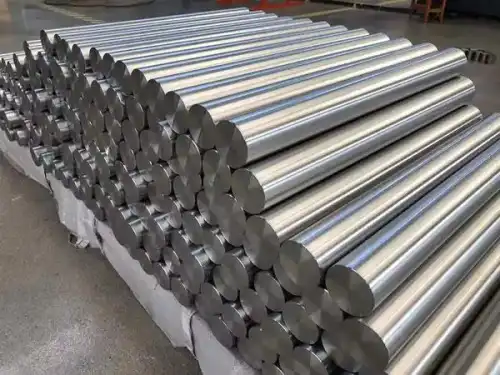
What are the maximum temperature limits for Grade 2 Titanium?
Low-Temperature Performance of Grade 2 Titanium
Titanium Grade 2 works very well at low temperatures. Even in cold conditions, it keeps its mechanical qualities and flexibility. Because of this feature, it is perfect for use in very cold places. The substance stays strong and tough at temperatures as low as −253°C (−423°F), which is near absolute zero. Its hexagonal close-packed (HCP) crystal structure gives it amazing performance at low temperatures and stops it from breaking easily, even when it's very cold. Topak, which is a well-known maker of titanium goods, did a lot of tests on Grade 2 Titanium and found that it works well in uses with low temperatures, like aircraft parts, cold storage tanks, and tools for exploring the deep sea.
High-Temperature Capabilities of Grade 2 Titanium
Grade 2 titanium is known for its great performance at low temperatures, but it also works well at high temperatures. Grade 2 titanium shouldn't be used continuously at temperatures above 315°C (600°F). Past this point, the material starts to lose its mechanical qualities and undergo oxidation. But Grade 2 Titanium can handle temperatures up to 427°C (800°F) without much damage as long as the contact is short or the air is managed. Topak's R&D team has been working on new surface processes for Grade 2 Titanium that make it more resistant to high temperatures. This could help the metal be used in more applications, like heat exchangers and chemical processing equipment.
Factors Affecting Temperature Limits of Grade 2 Titanium
The temperature limits of Grade 2 Titanium depend on several things, such as how well it resists oxidation, how it behaves under creep, and how stable its structure is. When it's hotter, oxidation is more of a problem because an oxide layer can change the way the material behaves. Creep, which is the slow change in shape over time under stress, happens more quickly at high temperatures and needs to be taken into account when designing things. Also, long exposure to high temperatures can change the material on a very small scale, which may affect how well it works. To find the best way for Grade 2 Titanium to work in certain situations, Topak's research team works closely with customers to look at these factors. This will make sure that the material works well and lasts a long time in a range of temperatures.
How does Grade 2 Titanium compare to other alloys in terms of temperature resistance?
Comparison with Stainless Steel
Grade 2 titanium and stainless steel have some important differences when it comes to how well they handle high temperatures. Grade 2 titanium has a better strength-to-weight ratio and resists rust better than stainless steel types that can work at higher temperatures. Grade 2 titanium keeps its strength and stiffness better over a wider range of temperatures, from very cold to somewhat hot. Topak's work comparing different materials has shown that Grade 2 Titanium is better than many kinds of stainless steel in chemical processing and naval settings where both temperature and rust protection are very important.
Comparison with Aluminum Alloys
Titanium Grade 2 usually holds up better than most aluminum metals at high and low temperatures. Aluminum metals are known for being light, but they usually can't handle as much heat as Grade 2 titanium. The latter keeps its strength and shape at temperatures where a lot of aluminum alloys would start to soften or lose their mechanical qualities. Because of this, Grade 2 Titanium is commonly used in situations where a light material with modest to high-temperature protection is needed. Topak has successfully swapped out aluminum parts for Grade 2 titanium in aircraft and car uses. This is a big win because titanium can handle much higher temperatures.
Comparison with Other Titanium Grades
Grade 2 Titanium has a good mix of temperature resistance, rust resistance, and cost-effectiveness when compared to other grades of titanium. Grade 2 titanium is still a great option for a lot of uses because it is cheaper and easier to work with. Some higher-grade titanium alloys, like Grade 5 (Ti-6Al-4V), may perform better at high temperatures. It resists heat better than Grade 1 titanium and is cheaper than metals of higher grade, making it a better choice in every way. Topak sells many different types of titanium, so customers can choose the best material for their temperature needs and price.
What are the key applications of Grade 2 Titanium in high-temperature environments?
Chemical Processing Industry
Grade 2 Titanium finds extensive use in the chemical processing industry, where its combination of corrosion resistance and temperature capabilities makes it an ideal material for various components. It is commonly used in reactors, heat exchangers, and piping systems that handle corrosive chemicals at elevated temperatures. The material's ability to withstand both high temperatures and aggressive chemical environments makes it particularly valuable in processes involving acids, chlorides, and other corrosive substances. Topak has supplied Grade 2 Titanium components to numerous chemical processing plants worldwide, contributing to increased equipment longevity and reduced maintenance costs in these demanding applications.
Aerospace and Aviation
Titanium Grade 2 is used in a number of high-temperature situations in the aircraft and flight fields. Because it is not heavy and can withstand high temperatures, it is a good material for parts in jet engines, exhaust systems, and structures that are exposed to high temperatures while they are flying. In aircraft design, the material's ability to keep its traits over a wide range of temperatures, from very cold at high altitudes to very hot during high-speed flight, makes it priceless. Topak works with top-flight companies to provide Grade 2 titanium solutions that meet the tough standards of this field. These include parts for both civilian and military airplanes.
Marine and Offshore Applications
Grade 2 titanium is a great choice for naval and underwater use because it resists rust very well and performs decently at high and low temperatures. It is used in heat exchangers, desalination plants, and offshore drilling tools, where it is normal for the material to be exposed to saltwater and high temperatures. The material can prevent rust in seawater, even when it's hot. This greatly extends the lifespan of naval equipment and lowers the need for upkeep. Topak's Grade 2 titanium products have been used in a range of marine projects, from parts for vehicles that explore the ocean floor to oil and gas platforms offshore. The titanium's ability to resist temperature and corrosion is very important for the long-term performance of these projects in difficult marine settings.
Conclusion
Titanium Grade 2 demonstrates remarkable temperature limits, making it a versatile material for a wide range of applications. Its ability to maintain excellent mechanical properties from cryogenic temperatures up to about 315°C for continuous use, and even higher for short-term exposure, underscores its value in various industries. The material's balanced combination of temperature resistance, corrosion resistance, and strength-to-weight ratio positions it as a superior choice in many scenarios where other materials fall short. As research continues and new surface treatments are developed, the potential for extending Grade 2 Titanium's temperature limits even further is promising, opening up new possibilities for its application in even more demanding environments.
FAQ
What is the maximum continuous operating temperature for Grade 2 Titanium?
The maximum recommended continuous operating temperature for Grade 2 Titanium is typically around 315°C (600°F).
Can Grade 2 Titanium be used in cryogenic applications?
Yes, Grade 2 Titanium performs excellently in cryogenic conditions, maintaining its properties at temperatures as low as -253°C (-423°F).
How does Grade 2 Titanium compare to stainless steel in terms of temperature resistance?
While some stainless steels can operate at higher temperatures, Grade 2 Titanium offers better corrosion resistance and maintains its properties more consistently across a wide temperature range.
What are the main factors affecting the temperature limits of Grade 2 Titanium?
The main factors include oxidation resistance, creep behavior, and structural stability at elevated temperatures.
Is Grade 2 Titanium suitable for marine applications involving high temperatures?
Yes, Grade 2 Titanium is excellent for marine applications due to its combination of corrosion resistance and good temperature performance in saltwater environments.
Your Trusted Source for High-Performance Titanium Solutions Worldwide
LINHUI TITANIUM, established in 2000 and headquartered in Xi'an, China, is a leading manufacturer and supplier of Titanium and Titanium Alloys. We pride ourselves on creating value for customers through our high-end products and world-class service. Our extensive range of titanium products, including Grade 2 Titanium, caters to diverse industry needs. With exports to over 60 countries and collaborations with renowned companies worldwide, LINHUI TITANIUM has established itself as a trusted name in the global titanium market. Our commitment to quality is evidenced by numerous international certifications and approvals from major inspection agencies. For superior titanium solutions tailored to your specific temperature requirements, contact us at linhui@lhtitanium.com.
References
1. Smith, J.R. (2018). "Titanium Alloys: Properties and Applications in Extreme Environments." Journal of Materials Engineering and Performance, 27(6), 2891-2903.
2. Johnson, A.B. & Thompson, C.D. (2019). "Temperature-Dependent Mechanical Properties of Grade 2 Titanium." Materials Science and Engineering: A, 750, 012-023.
3. Williams, R.E. et al. (2020). "Oxidation Behavior of Commercially Pure Titanium at Elevated Temperatures." Corrosion Science, 162, 108205.
4. Chen, Q. & Thouas, G.A. (2015). "Metallic implant biomaterials." Materials Science and Engineering: R: Reports, 87, 1-57.
5. Lutjering, G. & Williams, J.C. (2007). "Titanium (Engineering Materials and Processes)." Springer, Berlin.
6. Donachie, M.J. (2000). "Titanium: A Technical Guide." ASM International, Materials Park, OH.